Table of Contents >> Show >> Hide
Marfan syndrome is one of those conditions that can hide in plain sight. Someone may be tall, lanky, and flexible enough to make yoga instructors nervous, and people might assume that is simply their natural build. But sometimes those outward traits are part of a deeper connective tissue disorder that affects the heart, blood vessels, eyes, bones, joints, lungs, and more.
That is what makes Marfan syndrome so important to understand. It is not just about being tall or having long fingers. The real concern is what may be happening in places you cannot see, especially the aorta and the eyes. The good news is that earlier recognition, better imaging, and smarter genetic testing have made diagnosis far more precise than it used to be. In many cases, that early diagnosis can be life-changing.
This guide breaks down the symptoms, causes, and diagnosis of Marfan syndrome in plain English, without turning the article into a medical-school final exam. If you have ever wondered what doctors are actually looking for when they suspect Marfan syndrome, here is the bigger picture.
What is Marfan syndrome?
Marfan syndrome is a genetic connective tissue disorder. Connective tissue acts like the body’s support system. It helps give strength and flexibility to structures such as blood vessels, ligaments, heart valves, bones, and the eye. When connective tissue is altered, the effects can show up across multiple body systems at once.
The condition is most strongly associated with changes in the FBN1 gene, which helps the body make fibrillin-1, a protein that plays a major role in the structure and elasticity of connective tissue. When fibrillin-1 is not working as it should, tissues may become weaker or stretchier than normal. That helps explain why Marfan syndrome can affect everything from the shape of the chest to the strength of the aorta.
Marfan syndrome is usually inherited in an autosomal dominant pattern, meaning a parent with the condition can pass it to a child. But not every case runs in a known family line. Some people have a new genetic change and become the first person in their family to have the condition. That detail matters because the absence of a family history does not rule Marfan syndrome out.
Another important point: Marfan syndrome has variable expression. In other words, it does not read from a single script. One person may have obvious skeletal features and mild heart involvement. Another may have subtle body features but significant aortic enlargement. Even relatives with the same diagnosis can look very different clinically. Marfan syndrome likes to keep doctors humble.
Symptoms of Marfan syndrome
The symptoms of Marfan syndrome can range from mild to severe, and they often involve several body systems at once. Some signs are easy to spot during a routine physical exam, while others need imaging or a detailed eye evaluation.
Heart and blood vessel symptoms
The cardiovascular system is where Marfan syndrome becomes most medically serious. The hallmark concern is aortic root enlargement, meaning the first part of the aorta becomes widened. Over time, that can raise the risk of an aneurysm, a tear in the aortic wall, or a full aortic dissection. That is why the diagnosis matters so much.
Heart-related symptoms may include:
- Heart palpitations or a fluttering heartbeat
- Shortness of breath
- Chest discomfort
- Fatigue with exercise
- Heart murmurs caused by valve problems
Not every person with Marfan syndrome feels dramatic symptoms before a heart issue is discovered. Sometimes an echocardiogram finds aortic enlargement before the person feels anything at all. Sneaky? Yes. Exactly why regular monitoring matters? Also yes.
Eye symptoms
The eyes are another key area doctors evaluate. One of the classic signs of Marfan syndrome is ectopia lentis, or a dislocated eye lens. This may affect one eye or both and can cause blurry vision or visual distortion.
Other eye findings may include:
- Severe nearsightedness
- Astigmatism
- Detached retina
- Early cataracts
- Early glaucoma
Because some of these changes are not obvious from the outside, a slit-lamp eye exam is often part of the diagnostic workup. In many patients, the eye findings are the clue that finally connects the dots.
Bone and joint symptoms
The skeletal features of Marfan syndrome are often the most visible, though they are not enough by themselves to make the diagnosis. Common findings include:
- Tall, slender build
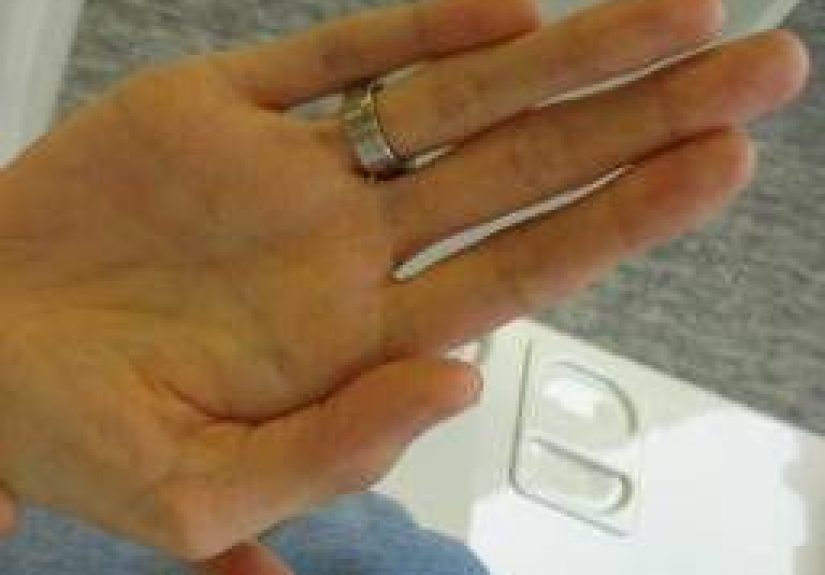
- Disproportionately long arms, legs, fingers, and toes
- A chest that sinks inward or sticks outward
- Scoliosis or another abnormal spinal curve
- Flat feet
- A high, arched palate
- Crowded teeth
- Joint laxity or unusual flexibility
- Long, narrow face
These traits can vary a lot. Some people have several classic body features. Others have only a few subtle ones. That is why diagnosis is not based on appearance alone. Plenty of naturally tall people do not have Marfan syndrome, and plenty of people with Marfan syndrome do not look like a textbook drawing.
Skin, lung, and nervous system symptoms
Marfan syndrome can also affect other parts of the body. Some people develop stretch marks that are not related to major weight changes. Others may have hernias or recurring pain in muscles and joints.
The lungs can be involved too. A spontaneous collapsed lung can occur in some people with Marfan syndrome, especially if they are tall and thin. The nervous system may be affected through dural ectasia, a widening of the membrane around the spinal cord that can contribute to lower back pain, leg symptoms, or headaches in some patients.
All of this explains why Marfan syndrome is considered a multisystem condition. It is not a “heart disorder” or an “eye disorder” or a “bone issue.” It is a connective tissue disorder that can create a whole constellation of findings.
What causes Marfan syndrome?
The FBN1 gene and fibrillin-1
The main cause of Marfan syndrome is a disease-causing change in the FBN1 gene. This gene provides instructions for making fibrillin-1, which helps form microfibrils in connective tissue. Think of fibrillin-1 as part of the body’s structural meshwork. When the mesh is faulty, tissues that need resilience and support may become abnormally weak or elastic.
That helps explain the signature pattern of the syndrome. Blood vessels may stretch more than they should. Heart valves may become floppy. The lens of the eye may shift out of place. Bones may grow in a way that leads to long limbs, chest differences, and spinal curvature.
Inherited cases and new mutations
Most cases of Marfan syndrome are inherited from an affected parent. Because the condition is autosomal dominant, a person with Marfan syndrome has a 50 percent chance of passing the altered gene to each child.
Still, not every diagnosis comes with a family backstory. A meaningful share of cases result from a new mutation, sometimes called a spontaneous or de novo variant. That means a child can have Marfan syndrome even when neither parent is known to have it. This is one reason family history is useful but not absolute.
Why symptoms differ from person to person
One of the most confusing things about Marfan syndrome is that severity can vary widely. Some people are diagnosed in childhood because the features are obvious. Others are not diagnosed until adolescence or adulthood after an eye exam, heart scan, or family screening.
That variability happens because genetics are complicated, and because connective tissue is involved in many body systems. The exact variant, age, body size, and affected organs can all shape how the disorder appears. So if you have met one person with Marfan syndrome, you have met exactly one person with Marfan syndrome.
How Marfan syndrome is diagnosed
Diagnosing Marfan syndrome is less like checking one lab value and more like building a case. Doctors combine the medical history, family history, physical exam, imaging, eye findings, and sometimes genetic testing to decide whether the diagnosis fits.
Medical history and physical exam
The evaluation often starts with questions about symptoms and family history. Doctors want to know whether there has been a relative with Marfan syndrome, a known aortic aneurysm, lens dislocation, or an early unexplained heart-related death. Those details can strongly shape the level of suspicion.
During the physical exam, clinicians may look for features such as:
- Arm span compared with height
- Long fingers and toes
- Chest wall differences
- Spinal curvature
- Flat feet
- Joint flexibility
- Facial and palate features
This does not mean every tall teenager with long fingers is about to walk into a genetic diagnosis. It means those features become more meaningful when they occur together, especially with eye or cardiovascular findings.
Heart imaging and cardiac testing
One of the most important tests is an echocardiogram. It allows doctors to look at the heart valves and measure the size of the aorta, especially the aortic root. If the aorta is enlarged, that finding carries major diagnostic and management weight.
Depending on the situation, doctors may also use CT or MRI to get a more detailed look at the aorta and surrounding blood vessels. An electrocardiogram may be used to assess rhythm and related heart concerns, but imaging is the real star of the diagnostic show because it reveals the structures that matter most.
Eye examination
A full eye exam is another core part of diagnosis. The slit-lamp exam is especially useful because it helps identify a dislocated lens, cataracts, and other problems that may not be obvious during a basic vision screening. Since ectopia lentis is one of the cardinal features of Marfan syndrome, this step is not optional window dressing. It is central.
Genetic testing
Genetic testing for Marfan syndrome can be very helpful, but it is not a magical yes-or-no shortcut in every case. Testing may identify a disease-causing FBN1 variant and support the diagnosis, especially when the clinical picture is incomplete or when family members need testing.
At the same time, no single blood test can diagnose all cases by itself. Many different FBN1 mutations can cause the condition, and diagnosis still depends heavily on the overall clinical context. That is why knowledgeable specialists, especially geneticists and cardiologists familiar with connective tissue disorders, are so valuable.
The Ghent criteria, in plain English
The formal diagnosis of Marfan syndrome often relies on the revised Ghent criteria. These criteria put special weight on aortic root enlargement and ectopia lentis, while also considering family history, FBN1 findings, and a systemic score based on other body features.
In simple terms, doctors are asking questions like these:
- Is the aortic root enlarged?
- Is the eye lens dislocated?
- Is there a known disease-causing FBN1 variant?
- Is there a family history of Marfan syndrome?
- How many supportive skeletal and systemic features are present?
The criteria also help distinguish Marfan syndrome from other inherited conditions that can look similar, such as Loeys-Dietz syndrome, vascular Ehlers-Danlos syndrome, or homocystinuria. That matters because those disorders may require different counseling and monitoring.
When to talk to a doctor
It is worth asking a healthcare professional about Marfan syndrome if you or your child has a combination of long limbs, chest wall differences, scoliosis, severe nearsightedness, lens problems, or a family history of aortic aneurysm or early unexplained cardiac death. The sooner the condition is identified, the sooner appropriate monitoring can begin.
Emergency symptoms deserve immediate medical attention. Sudden severe chest pain, back pain, fainting, or abrupt shortness of breath can signal a serious aortic or lung complication and should never be brushed off as “probably stress” or “maybe weird posture.”
Living with the diagnosis
A Marfan syndrome diagnosis can sound overwhelming at first, but it is not a sentence to panic. It is a framework for prevention, monitoring, and smarter long-term care. Many people with Marfan syndrome live full lives, work, study, have families, and build routines that look quite ordinary from the outside.
What changes is the need for informed follow-up. That often includes regular imaging of the aorta, eye care, activity counseling, and discussions with specialists who understand inherited connective tissue disorders. For families, diagnosis can also open the door to screening relatives who may not yet know they are affected.
Perhaps the most useful mindset is this: knowing is better than guessing. Marfan syndrome is much easier to manage when it is identified early than when it is discovered after a crisis.
Experience: what Marfan syndrome can feel like in real life
Beyond the medical language, Marfan syndrome often changes the way people move through ordinary life. Many describe years of hearing comments about their height, long fingers, posture, or flexibility before anyone connects those traits to a real diagnosis. A child may be called lanky, clumsy, or “all arms and legs,” while a teenager may struggle with body image because of scoliosis, a chest wall difference, glasses that keep getting thicker, or dental crowding that seems to need endless appointments. For some, the diagnosis explains years of random-seeming pieces that never quite fit together.
The emotional experience can be just as significant as the physical one. Some people feel relief when they finally get an answer. Others feel fear, especially when they learn that the aorta must be monitored or that family members may also be affected. Parents may replay old memories and wonder whether there were signs they missed. Adults diagnosed later in life often say the hardest part is realizing that a condition was quietly present the whole time, even while everyone assumed they were simply tall or unusually flexible.
Daily life can also involve a steady rhythm of follow-up visits. There may be cardiology appointments, echocardiograms, eye exams, orthopedic evaluations, and conversations about exercise, pregnancy, or surgery. That schedule can feel exhausting, but many people eventually describe it as empowering. Monitoring does not mean something is always wrong. It means doctors are keeping a close watch on the areas that matter most. That distinction can make a huge difference psychologically.
Socially, Marfan syndrome can be complicated because it is not always obvious in the same way for every person. Someone may look healthy and still deal with chronic pain, fatigue, vision issues, or anxiety before every scan. Another person may need to avoid certain sports or intense lifting and feel frustrated when friends do not understand why. Invisible limits are still real limits, and living with a connective tissue disorder sometimes means learning how to explain boundaries without turning every conversation into a lecture on the aorta.
Families often describe diagnosis as a turning point. It can lead to genetic testing for relatives, earlier screening for children, and better planning for the future. It can also create a sense of community. Many people living with Marfan syndrome say that connecting with others who understand the condition helps reduce the feeling of being medically unusual. They are no longer the “mystery case” or the “really tall kid with bad eyesight.” They are part of a group with shared language, shared concerns, and shared practical wisdom.
In that sense, the diagnosis is not only about symptoms, causes, and tests. It is also about finally having context. It is about replacing confusion with a name, replacing uncertainty with surveillance, and replacing isolation with support. That may not make Marfan syndrome easy, but it can make it far more manageable.