Table of Contents >> Show >> Hide
- What the Ingham Hall Lantern Actually Is
- Why It Fits Both Traditional and Modern Homes
- Best Places to Use an Ingham Hall Lantern
- Sizing and Hanging: How to Make It Look Expensive (Because It Is)
- Light Quality: Brightness, Bulbs, and the Mood You’re Actually Buying
- Customization Checklist: What to Decide Before You Order
- Safety and Compliance: The Unsexy Part That Keeps the Sexy Part Safe
- How to Get the Look Without Copying the Whole Room
- Conclusion: A Lantern That Behaves Like Architecture
- of Real-Life Experience (What It’s Like to Live with the Ingham Hall Lantern Look)
There are light fixtures that “go” with a room, and then there are fixtures that explain a roomquietly, politely,
and with the confidence of someone who doesn’t need to raise their voice to be heard. The Ingham Hall Lantern sits in that second category.
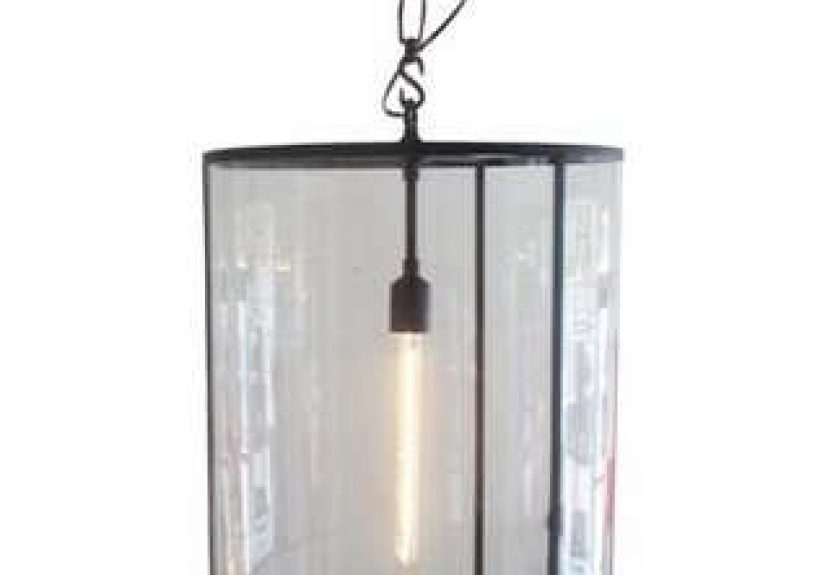
It’s a steel-and-glass box with a simple geometry and a very specific job: to give you clean, handsome light while looking timeless enough
to feel inevitable in both traditional and modern spaces.
If you’ve ever walked into an entry and thought, “Why does this place feel so put together?” odds are you were noticing the lightingeven if
you didn’t know you were noticing it. A well-chosen lantern in a foyer or hall acts like a visual punctuation mark: it signals intention,
sets the tone, and makes everything around it look more considered. The Ingham Hall Lantern does that without becoming a diva. It’s not here
to steal the scene. It’s here to make the scene look better.
What the Ingham Hall Lantern Actually Is
The Ingham Hall Lantern is strongly associated with interior designer Ames Ingham, who created it after struggling to find “good lighting”
that felt both classic and usable. The earliest description that follows the piece around is wonderfully plain: a steel and glass box with a
single downward light, suspended on a French chain. That “simple box” approach became the foundation of a larger collection, with the fixtures
handcrafted by artisans in Los Angeles and offered in custom sizes and finishes.
That origin story matters because it explains why the lantern works so well: it wasn’t designed as a decorative afterthought. It was designed
as a solution. And solutions, when they’re beautiful, tend to last.
The Design Brief in One Sentence
A lantern that feels architectural (not fussy), reads well from a distance, and delivers practical light without glare or clutter.
In other words: structure first, sparkle second.
Materials, Shape, and the “Negative Space” Advantage
A steel frame gives the lantern crisp edges and visual weight; glass keeps it light and transparent. That combination is a cheat code in
design because it creates “negative space”you can see through itso the fixture feels substantial without feeling bulky. In a hallway, that
means it doesn’t crowd the ceiling plane. In an entry, it doesn’t visually shrink the space. It’s presence without heaviness.
Why It Fits Both Traditional and Modern Homes
Traditional design loves lanterns because lanterns have history: they reference carriage houses, vestibules, and candle-lit entries.
Modern design loves lanterns when they’re reduced to clean lines and honest materials. The Ingham Hall Lantern lands right in the overlap.
It feels “classic” because it’s symmetrical and restrained. It feels “modern” because it’s basically geometry doing its job.
It Doesn’t Compete with Other Finishes
One reason lanterns sometimes fail is finish fatigue: too much brass, too much sparkle, too much ornament. A steel-and-glass lantern is more
flexible. It can sit near polished nickel hardware, warm wood floors, matte black door sets, or antique mirrors without looking like it’s
trying to match everything at once. It’s the lighting version of a great white button-down.
It’s Symmetry-Friendly
Lanterns are naturally good at making entries feel balanced. Centered over a foyer table, aligned with a stair landing, or repeated down a long
hall, a lantern creates rhythm. The Ingham Hall Lantern’s clean silhouette makes repetition especially successfulthree in a row looks
intentional, not busy.
Best Places to Use an Ingham Hall Lantern
1) The Foyer: The “First Impression” Zone
In a foyer, the lantern becomes the handshake. It welcomes people, reveals faces, and stops the space from feeling like a dark tunnel between
the front door and the rest of the house. If your entry has a double-height ceiling, a lantern with a strong outline is especially helpful,
because it reads from the floor and doesn’t disappear into the vertical volume.
Design tip: hang it so it feels centered in the space, not just centered on the electrical box. In many homes, the box is “close
enough,” which is a phrase that should be illegal in lighting design. If the lantern is meant to align with a door, a stair run, or a console
table, treat that alignment as the real target.
2) Hallways: Turn a Passage into a Place
Hallways get overlooked because they’re transitional. But they’re also where you walk half-asleep at 6 a.m. and where you tiptoe with snacks
at midnightso lighting matters. A lantern in a hall adds enough character that the passage stops feeling like a leftover space. It becomes a
“moment,” especially if you use two or three lanterns to create spacing and rhythm.
Practical tip: lanterns in halls look best when they’re sized to the width of the corridor and the ceiling height. Too small looks like a
lonely earring. Too large looks like you’re trying to land aircraft.
3) Stairs and Landings: Safer, Softer, Smarter
Stair lighting has to do two jobs: safety and mood. A lantern can provide a calm pool of light that makes steps readable without blasting
everyone’s retinas. In a stairwell, choose a height that clears headroom and feels visually centered within the stair volume.
4) Kitchens, Pantries, and Mudrooms: The Surprise Upgrade
People often default to recessed lights in utility areas. Recessed lights are fine. They’re also the khaki pants of lighting. A lantern in a
pantry, mudroom, or breakfast nook adds style where you least expect itexactly where it can feel most delightful. A steel-and-glass lantern
is also easier to live with in high-traffic spaces because it doesn’t look precious.
5) Covered Exterior Areas (Only If Rated Appropriately)
Lantern style is a natural for porches and covered entries, but the key is using a fixture that’s suitable for the moisture exposure in that
location. A covered porch may be “damp” rather than fully “wet,” while an exposed location needs a fixture built for direct weather.
If you’re trying to translate the Ingham Hall Lantern look outdoors, treat rating and installation as non-negotiable.
Sizing and Hanging: How to Make It Look Expensive (Because It Is)
A custom lantern is only as good as its placement. The difference between “architectural” and “awkward” is often a few inches.
Here are the principles designers lean on again and again.
Clearance Rules That Save Foreheads
For ceiling-mounted fixtures in entries, a common guideline is to leave at least seven feet of clearance from the bottom of the fixture to the
ground, so tall guests don’t have to duck. If your lantern hangs in a walkway or hall, that clearance becomes even more important. Think of it
as “no chandelier jousting” insurance.
Scale It to the Architecture, Not Your Nerves
Many people undersize lights because big fixtures feel scary in a showroom. In a real room, they often read just right. The Ingham Hall Lantern’s
transparency helps here: it can be larger than you expect without feeling heavy. If you’re unsure, focus on the outline. A strong outline
looks intentional; a tiny outline looks accidental.
Chain Length Is a Design Tool
The French chain detail isn’t just charmingit’s functional. It lets you fine-tune hanging height and visually connects the lantern to older,
more traditional lighting language (even in modern homes). Shorter chain feels crisp and tailored; longer chain feels grand and a little more
historic. Both can work. The trick is matching the chain length to ceiling height and sight lines.
Light Quality: Brightness, Bulbs, and the Mood You’re Actually Buying
Shop by Lumens, Not Watts
If you still think “watts = brightness,” you’re not alonebut it’s outdated. Lumens measure how much light you get: more lumens is brighter,
fewer lumens is dimmer. As a rough reference point, a traditional 60W incandescent is around 800 lumens, 75W is around 1100 lumens, and 100W is
around 1600 lumens. That makes it easier to choose brightness intentionally instead of guessing.
Why LED Usually Makes Sense
For most homes, LED is the practical choice: it uses far less energy and lasts dramatically longer than incandescent options. That’s especially
appealing in a lantern mounted high in a foyer, where changing a bulb can feel like a small circus act starring a ladder, a friend, and your
best “please don’t drop it” voice.
Color Temperature and CRI (Without the Nerd Spiral)
Warm light (often in the 2700K–3000K neighborhood) tends to feel inviting in entries and halls, while cooler light can feel crisp but sometimes
a bit clinical. High CRI bulbs make colors look more naturaluseful if your foyer has art, rugs, or painted trim you actually like.
The lantern’s clear glass means bulb choice is visible, so pick a bulb shape and finish that looks good when it’s off, not just when it’s on.
Customization Checklist: What to Decide Before You Order
Custom lighting is where you can get exactly what you wantor accidentally order a gorgeous object that fights your home.
Here’s the short list to keep decisions sane.
1) Dimensions
Measure ceiling height, the visual width of the space, and any nearby architectural lines (door headers, transoms, stair angles). Decide whether
you want the lantern to be a quiet accent or a focal point.
2) Finish
Steel can read industrial, traditional, or modern depending on finish. Matte black feels graphic and crisp. Softer, aged finishes feel more
historic. If your home mixes finishes (most do), choose a lantern finish that “relates” rather than matches perfectly.
3) Glass Type
Clear glass is sharp and architectural, but it puts the bulb and any interior components on display. Seeded or lightly frosted glass can soften
glare and hide minor dust, but it changes the look. If your goal is that iconic clean outline, clear glass is usually the move.
4) Light Source and Dimming
A lantern in an entry should be flexible: bright enough for finding keys, soft enough for evenings. Dimming is a quality-of-life upgrade.
Make sure your bulb and dimmer type play nicely together (and if that sentence feels annoying, congratulationsyou’ve discovered why electricians
drink coffee).
5) Installation Details
Canopy size, chain length, and mounting location matter. If the electrical box isn’t centered where you want the lantern visually, plan for the
correction now, not after the fixture arrives and you’re staring at the ceiling like it owes you money.
Safety and Compliance: The Unsexy Part That Keeps the Sexy Part Safe
Beautiful lighting should also be boringly safe. In the U.S., luminaires (light fixtures) are commonly evaluated to safety standards such as
UL’s luminaire standard scope, and safe installation practices matter just as much as the fixture itself.
Use the Right Pro for the Job
Hanging a lantern seems simple until you factor in ceiling height, electrical connections, and the weight of the fixture. A qualified electrician
can ensure proper mounting, wiring, and compatibilityespecially with dimmers and LED drivers. Safety reviews and incident analyses have shown
that overheating, poor connections, and incorrect lamp/fixture pairings can create real hazards. Translation: “close enough” is not a wiring plan.
Match the Rating to the Location
If you’re installing a lantern in a moisture-prone area (bath-adjacent hall, covered porch, etc.), confirm the fixture is suitable for that
environment (dry, damp, or wet). This is one of the easiest places for homeowners to make expensive mistakes, because “it’s under a roof” does
not always mean “it’s protected.”
How to Get the Look Without Copying the Whole Room
The Ingham Hall Lantern has a particular vibe: minimal frame, glass transparency, and a classic lantern profile that doesn’t lean too vintage or
too futuristic. To build a room around it, focus on the same principles:
- Clean geometry: simple moldings, straightforward furniture silhouettes, and fewer fussy curves.
- Honest materials: real wood, stone, linen, aged metal, or anything that looks better with time.
- Layered lighting: one lantern plus quieter supporting lights (table lamps, sconces, or subtle wall washers) so the lantern isn’t doing all the work.
- Breathing room: let the lantern have space around itvisually and physicallyso the outline reads.
Conclusion: A Lantern That Behaves Like Architecture
The best compliment you can give a fixture like the Ingham Hall Lantern is that it feels inevitablelike it was always meant to be there.
That’s the magic of a steel-and-glass box done right: it looks classic without being costume-y, modern without being cold, and special without
being exhausting. If you size it thoughtfully, hang it correctly, and choose a bulb that flatters your home, it becomes more than “lighting.”
It becomes the quiet structure that makes everything else look intentional.
of Real-Life Experience (What It’s Like to Live with the Ingham Hall Lantern Look)
Living with a lantern like this changes how your home “greets” youespecially in the first ten seconds after you walk in the door. The most
common experience people describe (and you’ll notice it fast) is that the entry feels calmer. Not brighter in a harsh wayjust clearer.
Instead of a ceiling can light beaming straight down like an interrogation lamp, the lantern creates a softer pool that spreads and reflects off
walls, floors, and whatever art or mirror you’ve got nearby. It’s the difference between “here is light” and “here is atmosphere.”
You also start using your dimmer like it’s a remote control for mood. Early morning? Low, warm glow that won’t offend your half-awake brain.
Afternoon? Brighter setting for packages, keys, and the daily scavenger hunt known as “Where did I put my headphones?” Evening? Dimmed down so the
house feels welcoming instead of clinically lit. The funny part is how quickly that becomes normaluntil you visit a house with a single
ultra-bright bulb in the entry and you realize you’ve become the kind of person who has lighting opinions.
There’s a practical side too: clear glass means you’ll see what’s happening inside the fixture. That’s good and bad. Good because it looks
crisp and intentional; bad because you can’t pretend dust doesn’t exist. The solution is simple: treat the lantern like a picture frame.
A quick wipe on the glass every so often keeps it looking sharp, and you don’t need a complicated routine. Most people find the maintenance
easier than expected because the shape is straightforwardno crystals, no tiny crevices, no “how is dust even getting in there?” mysteries.
Another experience you might not predict: the lantern becomes a navigation beacon. If you have a long hallway or a stair landing, that clean
outline helps your eyes orient in low light. It’s subtle, but it mattersespecially at night when you’re trying not to wake everyone up.
A lantern gives you a friendly “there’s the center of the space” cue, which makes the house feel more legible.
And then there’s the social effect. Guests notice it. Not always with a dramatic announcement, but with that small pause and upward glance that
says, “Oh, this place has taste.” It’s a quiet flex. The lantern isn’t screaming luxury; it’s demonstrating restraint.
In design, restraint is often the most expensive-looking choice you can make.
The final lived-in truth: once your entry lighting looks good, you start caring about the rest. A lantern like this raises the bar.
Suddenly your hallway feels like it deserves art. Your rug feels like it should be less “college apartment” and more “intentional adult.”
Your home doesn’t become perfectbut it becomes more coherent. And that’s the real win: not a showroom, but a place that feels put together
in the ways that actually affect daily life.