Table of Contents >> Show >> Hide
- What Is the La Soufflerie Bistro Vase?
- The Brand Behind the Vase: Why La Soufflerie Has a Cult Following
- Why the Bistro Vase Feels So Timeless
- Function Meets French Character
- How to Style the La Soufflerie Bistro Vase
- The Sustainability Factor Is Not Just Decoration
- Bistro Vase vs. Current Bistrot Pieces
- Who Will Love This Vase Most?
- Experiences Related to the La Soufflerie Bistro Vase
- Final Thoughts
If you have ever looked at a vase and thought, “Well, that’s a little too perfect to be interesting,” the La Soufflerie Bistro Vase is here to restore your faith in objects with personality. This is not the kind of vessel that sits silently in a corner trying to look expensive. It has charm. It has quirks. It has that slightly irregular, handblown presence that makes machine-made glass look like it is trying way too hard.
The La Soufflerie Bistro Vase belongs to the kind of homeware category that blurs the line between practical object and tiny domestic love story. It is a vase, yes. But it is also the sort of piece that can hold flowers on Tuesday, water on Wednesday, and your attention every single day of the week. In a design world packed with polished sameness, this vase feels refreshingly human.
That is a big part of why interest in La Soufflerie keeps growing. The Paris-based studio has become known for handblown glass made from recycled material, old-world techniques, and silhouettes that feel both antique and totally current. The Bistro Vase, including the archived U.S. listing that made it recognizable to many design shoppers, captures that spirit beautifully: simple, useful, softly colored, and a little romantic without being fussy.
What Is the La Soufflerie Bistro Vase?
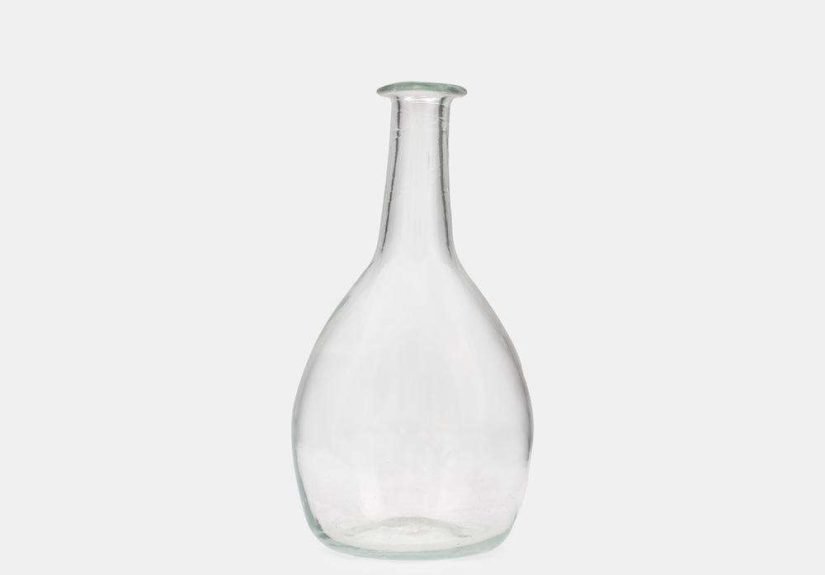
The Bistro Vase is an elegant, handblown glass vessel associated with La Soufflerie’s signature style: unfussy form, recycled glass, and gentle irregularity. In an archived U.S. product listing, it was described as a soft aqua-toned vase made in France, crafted from recycled glass, and sized at roughly 4 inches by 8 inches. In other words, it was compact enough for a casual table but substantial enough to make an arrangement look intentional instead of accidental.
That size matters. A lot of vases fall into one of two camps: too tiny to be useful, or so big they demand a floral budget that suggests you have recently married into a hotel dynasty. The Bistro Vase hits a sweet spot. It feels approachable. It works for cut flowers, clipped branches, loose grocery-store tulips, herbs from the garden, or even as a decorative glass piece left empty on a shelf.
And yes, empty counts. Good design should not need a supporting cast.
The Brand Behind the Vase: Why La Soufflerie Has a Cult Following
La Soufflerie is not just selling pretty glass. It is selling a way of thinking about beauty. The company was founded in Paris by Valentina and Sébastien Nobile and built its identity around preserving traditional glassblowing while embracing recycled materials and everyday usability. That combination helps explain why the brand shows up in design coverage, stylish homes, and carefully edited retail shops that tend to make your wallet nervous.
What makes La Soufflerie stand out is its refusal to chase sterile perfection. The glass often carries tiny bubbles, subtle shifts in tone, and shape variations that come from being handblown rather than stamped out by the thousands. That means no two pieces are exactly alike. Normally, “every piece is unique” can sound like marketing fluff. Here, it actually means something. You can see the human hand in the final result.
Design lovers also appreciate that La Soufflerie’s pieces are made to be used, not merely admired from a safe emotional distance. The brand’s wider collection includes carafes, goblets, candleholders, pitchers, and vases that often perform more than one role. That practical flexibility gives the collection a lived-in appeal. These pieces look great in styled interiors, but they also look right at home next to a loaf of bread, a stack of plates, and a slightly chaotic dinner party.
Why the Bistro Vase Feels So Timeless
A silhouette that does not scream for attention
The Bistro Vase succeeds because it does not overcomplicate the assignment. Its shape is straightforward, balanced, and useful. There is no dramatic flourish trying to prove it has a design degree. It relies on proportion, material, and subtle color to make its case. That restraint is exactly what gives it longevity.
Color that behaves well in real homes
The soft aqua tone associated with the archived Bistro Vase listing is especially appealing because it plays well with almost everything. It can lean coastal without becoming beach-house cliché, vintage without looking dusty, and modern without going cold. On a wood table, it adds freshness. On open shelving, it catches light. Next to flowers, fruit, linen napkins, or candles, it quietly improves the whole scene.
Imperfection as a design advantage
This is where La Soufflerie really wins. The slight variations in handblown glass do not diminish the object; they give it life. A perfect cylinder made by machine can be useful, sure, but it rarely stirs much feeling. The Bistro Vase has the visual softness that comes from being shaped by artisans, and that makes it warmer, more tactile, and more memorable.
Function Meets French Character
One of the smartest things about the Bistro Vase is that it reflects a broader La Soufflerie philosophy: home objects should be beautiful enough for display and practical enough for daily life. This idea runs through the brand’s current Bistrot pieces as well. La Soufflerie’s Bistrot Rond and Bistrot Long vessels, for example, were designed for restaurant use and are still appreciated for their usefulness as carafes, decanters, or vases. That crossover energy helps explain the enduring appeal of the Bistro Vase itself.
It is the visual equivalent of someone who looks impossibly chic in a linen shirt but also knows how to open a stubborn jar. Attractive and competent. A rare combination.
In practical terms, that means the Bistro Vase can work across rooms and purposes. It can hold peonies on a dining table, eucalyptus on a bathroom shelf, kitchen utensils if you are feeling creative, or simply stand as a sculptural object that catches morning light. It suits homes that are formal, relaxed, eclectic, minimalist, rustic, or somewhere in the glorious mess between all of the above.
How to Style the La Soufflerie Bistro Vase
On a dining table
The obvious move is flowers, but the better move is often fewer flowers. A loose bunch of ranunculus, tulips, cosmos, or a few wild stems works better than a tight, overworked arrangement that looks like it needs a sponsorship deal. The vase already has character. Let it breathe.
On open shelving
Use the Bistro Vase to break up rows of books, ceramics, or stacked dishes. The transparency of the glass keeps it visually light, which is helpful when shelves are already busy. You get shape and shine without adding clutter.
In the kitchen
This is where the “bistro” energy really lands. A handmade glass vase on a kitchen counter feels relaxed and European in the best possible way. Add herbs, a few stems from the yard, or leave it empty beside a cutting board and a bowl of citrus. Suddenly your kitchen feels like a person with opinions lives there.
As part of a mixed-vessel grouping
La Soufflerie pieces often work best when mixed with ceramics, stoneware, and other glass forms. The Bistro Vase does not need matching companions. In fact, it looks better with contrast: rough pottery, brass candlesticks, rumpled linen, or darker smoky glass nearby.
The Sustainability Factor Is Not Just Decoration
There are plenty of brands that mention sustainability the way some people mention yoga: often, vaguely, and mostly for social effect. La Soufflerie’s recycled-glass identity feels more central to the work. The studio has long emphasized recycled glass in its process, and that material choice is not just an eco-friendly side note. It influences the look and feel of the final object.
Recycled glass can carry subtle color shifts, texture, and tiny visual surprises that make a piece feel more alive. In the case of the Bistro Vase, that means the material story and the design story are linked. You are not buying a generic vessel with a green label attached. You are buying an object whose beauty is tied to how it is made.
That matters more and more in a market filled with disposable decor. The best sustainable object is usually the one you keep for years because you still love it. The Bistro Vase has that kind of staying power.
Bistro Vase vs. Current Bistrot Pieces
Because the original Bistro Vase has appeared in archival and discontinued U.S. listings, shoppers today may also come across current La Soufflerie pieces with closely related names, especially the Bistrot Rond and Bistrot Long. These vessels carry the same design DNA: handblown recycled glass, gentle irregularity, and a charming blend of utility and atmosphere.
The difference is mostly in function and form. The archived Bistro Vase reads more clearly as a floral or tabletop vase, while the current Bistrot vessels lean more visibly into the carafe-decanter-vase crossover category. If you are drawn to the Bistro Vase but cannot find that exact piece, related Bistrot forms deliver much of the same appeal: casual French elegance, versatile use, and that unmistakable handmade presence.
So no, all hope is not lost if the exact vase is elusive. The family resemblance is strong.
Who Will Love This Vase Most?
The La Soufflerie Bistro Vase is especially appealing for people who love interiors that feel collected instead of calculated. If your dream home includes old wood, fresh flowers, natural linen, cookbooks on the counter, and a little evidence of actual life, this vase makes sense. It is also a strong gift for anyone who appreciates artisan-made home goods, sustainable design, or tabletop pieces that can multitask without looking boring.
It is not the right choice for someone who wants flawless symmetry and ultra-crisp modern uniformity. This vase has soul, and soul tends to arrive with a few charming asymmetries. If that sounds delightful, you are the audience. If that sounds stressful, perhaps a factory-made cube vase is waiting for you somewhere under fluorescent lights.
Experiences Related to the La Soufflerie Bistro Vase
What makes the Bistro Vase especially memorable is not just how it looks in a product photo. It is the way it behaves in real life. You notice it first in the morning, when the light hits the glass and the surface looks softer than you remembered the night before. That is one of the pleasures of handblown glass: it changes with the day. A mass-produced vase usually stays exactly what it is. The Bistro Vase seems to have moods, which is impressive for an object that does not technically have a face.
Imagine bringing one home after a long week. You set it on the kitchen table with a few market tulips, and suddenly the room feels less like a place where emails happened and more like a place where people might sit down for lunch on purpose. That is part of the La Soufflerie effect. The object is small, but the atmosphere shift is real. It does not shout. It edits the room.
Another common experience with a vase like this is that it becomes strangely versatile without anyone planning it that way. One week it holds flowers. The next week someone uses it as a water vessel at dinner because the regular pitcher is in the dishwasher. A few days later it ends up on a bathroom shelf with a clipped stem from the yard. Good pieces move around the house like that. They adapt. They become part of your routines rather than remaining “special occasion” decor that spends most of its life being ignored.
The tactile quality matters too. Handmade glass has a slightly different presence in your hand than machine-made glass. There is often a little more warmth, a little more visual softness, and a faint sense that the piece came from a process rather than a formula. That makes even simple interactions feel better. Filling it with water, rinsing it out, or moving it from shelf to table somehow feels more intentional. Not dramatic. Just nicer.
Then there is the styling experience. The Bistro Vase is forgiving, and that is a gift to anyone who likes flowers but is not secretly a professional florist. You do not need twelve expensive stems and a degree in composition. A few branches, three imperfect tulips, one oversized hydrangea, or whatever looked cheerful at the grocery store can all work. The vase does enough on its own that the arrangement can stay loose and natural.
It also tends to start conversations, which is another sign of a strong home object. Guests ask where it is from. Someone picks it up and notices the tiny bubbles in the glass. Another person says it looks old in the best way, even if it is new. That reaction is a clue to why La Soufflerie pieces resonate. They feel discovered, not merely purchased.
And perhaps the best experience of all is that the vase never feels overcommitted to one season. In spring, it looks fresh with blossoms. In summer, it feels breezy and light. In fall, it works with branches or dried stems. In winter, it can sit empty near candlelight and still earn its keep. Some decor is highly seasonal. The Bistro Vase is not. It is the rare object that keeps finding ways to belong.
Final Thoughts
The La Soufflerie Bistro Vase is a lovely example of why handmade homeware still matters. It takes simple materials, old techniques, and modest proportions and turns them into something unexpectedly emotional. It is practical, yes, but it is also atmospheric. It adds texture without heaviness, color without noise, and character without gimmicks.
Even though the exact Bistro Vase has appeared as an archived or discontinued piece in U.S. listings, its appeal remains easy to understand. It represents the best of La Soufflerie: recycled glass, artisan craft, useful beauty, and a French bistro spirit that feels relaxed rather than staged. Whether you are tracking down the original or exploring the brand’s current Bistrot-style vessels, the attraction is the same. These are objects made to be lived with, admired, and used again tomorrow.
Which, honestly, is more than can be said for most trendy decor items that peak on social media and retire emotionally by Thursday.