Table of Contents >> Show >> Hide
- Quick Jump
- What Is a Kuksa?
- Culture, Craft, and Buying with Respect
- Why Birch Burl (and Why It Matters)
- Design Features That Make It a Camping Cup
- How to Choose the Right Kuksa
- How to Use a Kuksa in Camp Life
- Care, Seasoning, and Long-Term Maintenance
- Food Safety and When to Retire It
- Camp Drinks and Simple “Kuksa-Friendly” Ideas
- of Kuksa Experiences
- SEO Tags
Some camping gear is about performance. Some is about vibes. And then there’s the kuksaa traditional Nordic wooden cup that somehow manages to be both: practical enough for backcountry coffee and charming enough to make instant cocoa feel like a tiny wilderness ceremony.
If you’ve ever watched someone pull a wooden cup off their pack and thought, “Wow, that person definitely knows how to build a fire with one match,” you’ve met the kuksa energy. In this guide, we’ll break down what a kuksa is, why it matters culturally, how to choose a good one, and how to care for it so it lasts for years of camp mornings, trailhead chats, and “this soup is hotter than the sun” moments.
What Is a Kuksa?
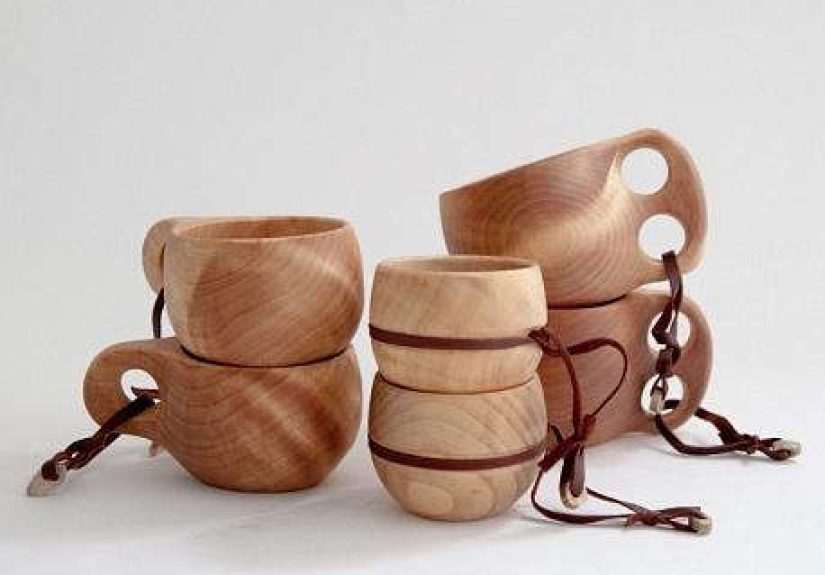
A kuksa (also commonly called guksi in reference to Sámi languages) is a small wooden cup traditionally associated with northern Scandinavia and Finland. You’ll usually see it carved from dense, figured woodoften birch burl or curly birchwith a distinctive handle that can be gripped securely even with cold fingers.
In modern outdoor culture, a kuksa is often described as a “Finnish camping cup,” but it’s more than a rustic alternative to enamel or stainless. It’s a personal itemsomething you carry on hikes, use around the fire, and (if you treat it well) keep for a lifetime. The best ones feel like they were made for slow sips, not speed-chugging a latte before a meeting.
Culture, Craft, and Buying with Respect
Before the kuksa became a “cool bushcraft thing,” it existed in a broader tradition of northern Indigenous craft and everyday utility. In Sámi communities, practical objectscups, knives, tools, clothingwere historically shaped by real needs: portability, durability, and reliability in harsh conditions. That tradition of careful making is often discussed within the wider context of Sámi handicraft (commonly referred to as duodji).
How to be an appreciative buyer (not a cringe one)
- Look for transparency: Sellers who explain materials, sourcing, and how the cup is made tend to be better bets than “Viking vibes” listings with zero details.
- Value the work: Hand carving, proper drying, and finishing take time. If a “handmade kuksa” costs less than a fast-food combo, something doesn’t add up.
- Respect the story, don’t cosplay it: It’s totally fine to use a kuksa because you love functional, beautiful objects. You don’t need to rewrite your personality into “Arctic reindeer herder” to enjoy it.
Why Birch Burl (and Why It Matters)
Traditionally, many kuksas are carved from birch burla knotted growth on a tree that produces striking, swirling grain. Burl wood tends to be denser and more stable than straight grain in small carved items, which is one reason it’s prized for cups that might see repeated wet/dry cycles.
Common woods you’ll see
- Birch burl / masur birch / curly birch: The classic “wow” grain. Durable, tactile, and iconic.
- Other hardwoods (like acacia): Often used in modern versions. Tough and attractive, frequently with a protective coating.
- Softwoods: Less common for cups. More likely to dent, absorb flavors, and wear faster.
The wood choice affects everything: how it feels in your hand, how easily it stains, how often it needs conditioning, and how much “wood character” it gives your coffee. (Yes, that’s a real thing. No, it’s not the same as chewing on a pencil.)
Design Features That Make It a Camping Cup
1) The handle is the whole point
A kuksa’s handle usually has a sculpted gripsometimes with one or two finger holesso you can hold it securely even when it’s hot, or when your hands are cold, wet, or gloved. This is a big reason people love them for camp coffee: it’s a stable hold without needing a thick insulated mug.
2) The lanyard loop (aka “I refuse to lose my cup” technology)
Many kuksas include a leather cord or loop so the cup can hang from a pack or hook. In camp, this is surprisingly useful: the cup dries faster, stays off gritty picnic tables, and won’t wander away when someone “just borrows it for a second.”
3) Capacity: small by design
Most traditional-style kuksas are modest in volumeoften roughly a small cup of coffee rather than a giant tumbler. That smaller size makes sense for hiking, for savoring hot drinks slowly, and for reducing slosh when you’re moving around camp.
How to Choose the Right Kuksa
Decide what kind of kuksa you actually want
- Traditional-style carved wood: Usually birch burl or curly birch. Unique grain. Can be more “alive” (it changes over time). Needs thoughtful care.
- Modern hardwood versions: Often acacia or other hardwoods, sometimes with a protective finish. Easier maintenance, consistent shape, and less “do I need to season this like cast iron?” anxiety.
Key shopping checks
- Finish: Is it raw wood, oiled, waxed, or coated? Coated cups can be easier for soup and stew, while raw/oiled cups can develop a patina over time.
- Smell test: Strong chemical odor is a red flag. Wood should smell like… wood. Or at worst, like a faint campfire.
- Grip comfort: Finger holes are personalsome people love them, some feel like they’re shaking hands with a trap.
- Realistic use: If you want to boil water directly in your cup, a kuksa is not your hero. Choose metal for that job.
How to Use a Kuksa in Camp Life
Best uses
- Campfire coffee or tea: The classic. Warm, comforting, and photogenic.
- Hot cocoa: Somehow tastes 12% better when you’re holding wood instead of plastic.
- Oatmeal, stew, or soup: Many modern kuksas are marketed as food-friendly for thicker meals.
- Cold drinks: Water, juice, a celebratory sip of something fun at camp (just be mindful of how alcohol can affect some finishes).
What to avoid
- Boiling water: Sudden heat can stress wood, especially if it’s very dry or very cold.
- Direct flame or stove use: Wood + burner = regret. If you need a cup that cooks, bring metal.
- Highly acidic liquids (often): Citrus-heavy drinks can be harsh on some finishes and may leave flavors behind.
Care, Seasoning, and Long-Term Maintenance
Kuksa care can sound mystical online, like you need to whisper compliments to the grain under a full moon. You don’t. You need a simple routine and the ability to resist one powerful urge: do not soak it.
The “10-second” cleaning routine
- Rinse quickly with lukewarm water after use (especially after soup or oatmeal).
- Use mild soap only if needed (sticky drinks, fatty foods, or anything that might turn funky). Avoid harsh detergents.
- Dry immediately with a towel and let it air-dry fully.
You’ll see two schools of thought: “never use soap” versus “mild soap is fine.” Both are trying to protect the same thingwood’s natural oils and finish. A practical compromise for most campers: don’t soak, don’t dishwash, and keep soap minimal. If your cup is unfinished or traditionally seasoned, go lighter on soap; if it’s a modern coated version, gentle soap is usually acceptable.
Seasoning: three common approaches
1) “Coffee seasoning” (popular in traditional prep)
Some traditions suggest treating a new kuksa using coffeebriefly letting hot coffee sit in the cup, then rubbing warm, wet coffee grounds along the interior to help build a protective film over time. In practical terms: coffee oils can help condition the surface and reduce “new wood” flavors.
2) Food-safe mineral oil + beeswax conditioner
If you’ve ever maintained a wooden cutting board, this will feel familiar. A thin coat of food-safe mineral oil (sometimes topped with a beeswax conditioner) helps slow moisture exchange, reduces drying, and can minimize cracking. Apply, let it absorb, wipe off excess, and repeat when the wood looks dry.
3) Manufacturer-specific care (always read the instructions)
Modern kuksas sometimes use protective coatings and have specific guidelines: hand wash, gentle soap, avoid extreme temperature swings, and store in a consistent environment. If your kuksa came with care steps, follow themwood behaves differently depending on finish and construction.
Important oil note (your future self will thank you)
It’s tempting to grab olive oil from the kitchen and call it a day. The problem is that many cooking oils can eventually get sticky or rancid. Food-safe mineral oil (and mineral oil + beeswax blends) are widely recommended for woodenware because they’re stable.
Stains, smells, and “my coffee tastes like yesterday’s stew”
- Staining is normal: Dark liquids can change the interior color over time. Think of it as patina, not failure.
- Smells happen: If a cup holds onto an odor, wash gently, dry thoroughly, and let it air out for a day.
- Storage matters: A cup shoved wet into a closed bin can develop a “mysterious swamp vibe.” Dry first. Always.
Food Safety and When to Retire It
A kuksa is rugged, but it’s still woodporous and responsive. If it develops deep cracks, that’s not just cosmetic. Cracks can trap moisture and residues, making cleaning harder and potentially creating a place for bacteria to hang out. If the cup is splintering, badly cracked, or has a stubborn odor that won’t leave after cleaning and full drying, it may be time to retire it from food duty.
The good news: most issues come from the same mistakesdishwashers, soaking, and storing while wet. Avoid those three and your kuksa will usually behave.
Camp Drinks and Simple “Kuksa-Friendly” Ideas
1) Campfire cocoa upgrade
Mix cocoa powder + a pinch of salt + a tiny dash of cinnamon. Add hot water or hot milk. Stir with a spoon or a clean twig if you’re feeling theatrical.
2) Trailhead coffee “soften the bite”
If your camp coffee is strong enough to negotiate your rent, add a spoonful of powdered creamer or a splash of shelf-stable milk. The wood aroma plus creamy coffee is a top-tier combo.
3) Instant miso cup
Add miso paste (or a packet) to warmnot boilingwater. Toss in dried seaweed or dehydrated veggies. Great when the temperature drops and morale needs a hug.
4) “Nordic-ish” berry tea
Brew a berry-forward herbal tea (lingonberry blends if you can find them) and sweeten lightly. It’s cozy without being heavy.
5) Oatmeal that doesn’t feel sad
Use quick oats, hot water, and mix in peanut butter + raisins (or chocolate chips). A kuksa’s smaller volume makes portion control feel elegant instead of “why is my breakfast the size of a beach ball?”
of Kuksa Experiences
There’s a reason the kuksa shows up in so many camping photos: it turns ordinary moments into small rituals. Campers often describe a kuksa as “the cup that slows you down,” not because it’s magical, but because it changes your pace. You don’t slam a drink from a wooden cup while speed-walking around a campsite. You sit. You sip. You stare into the middle distance like you’re about to write a novel called Birch Burl & Other Emotional Support Objects.
Picture a chilly morning at a trailhead. Gloves on, breath visible, everyone pretending they “love early starts.” Someone pours hot coffee into a kuksa and waits a minute. That pausejust long enough for steam to rise and the smell to settlebecomes the unofficial start of the day. You warm your hands around the cup, take a careful sip, and suddenly the first mile doesn’t feel like punishment.
Another classic kuksa scene: the post-hike debrief. Shoes off. Socks… questionable. People retelling the same story of “that one section” like it was a documentary. A kuksa passes around with cocoa or tea, and it’s oddly grounding. The cup feels solid and quiet in a world full of zippers, buckles, and gear noise. No metallic clank. No plastic squeak. Just wood, warmth, and the gentle confidence of “we did a thing outdoors.”
Families and groups often give kuksas as gifts because they’re personal without being overly precious. A kuksa can be “your cup” in a way that a random mug isn’t. It’s the one you grab when you’re half-awake. The one you clip to your pack. The one that gets a little darker over the years because it’s been there for every trip: lake weekends, snowy day hikes, last-minute campground getaways, and the one rainy night where dinner became “crackers and vibes.”
Some campers even build traditions around it. First cup of coffee in a new place? Always the kuksa. Sunset sip after the tent is up? Kuksa. The “we’re not lost, we’re exploring” moment when someone realizes the map app has no signal? Definitely kuksabecause if you’re going to be confused in the woods, you might as well be hydrated and emotionally supported.
And yes, kuksas get stories. The tiny scorch mark from being set too close to the fire. The stain from that bold red drink someone swore was “only one sip.” The slightly smoother handle from thousands of thumb placements. Those marks become a travel log you can hold in your hand. That’s the real appeal of the Kuksa Finnish camping cup: it’s useful, it’s beautiful, and it quietly collects your outdoor lifeone sip at a time.