Table of Contents >> Show >> Hide
- What “John Candy: I Like Me” Actually Is (and Why People Are Watching)
- The John Candy Brand of Comedy: Big Laughs, Bigger Heart
- Where Anxiety Fits In: The Documentary’s Most Revealing Turn
- How the Film Talks About Anxiety Without Turning Candy Into a “Case Study”
- The “Everyone Loved Him” Problem (and Why It’s Still Worth Watching)
- Specific Moments That Make the Anxiety Theme Feel Real
- Comedy, Anxiety, and the Myth of the “Funny One”
- Why Candy’s Legacy Feels So Comforting Right Now
- Conclusion: The Bravest Part Isn’t the LaughIt’s the Honesty
- Real-Life Reflections: 5 Experiences That Mirror the Film’s Theme (500+ Words)
- 1) Being the “Funny Friend” Who’s Secretly Doing Crowd Control
- 2) People-Pleasing That Looks Like Competence (Until It Doesn’t)
- 3) Performing Confidence While Your Brain Runs Worst-Case Scenarios
- 4) Grief That Turns Into a Long-Term Operating System
- 5) The Moment You Realize You’re Allowed to Get Help
There are comedians who walk onstage like they own the room. And then there are comedians who
walk onstage like the room owns themand they’re just trying to charm it into not collecting
rent today.
“John Candy: I Like Me” sits squarely in that second category. It’s a loving documentary about a man
who made audiences feel safe, seen, and slightly more willing to forgive their relatives during the holidays.
But it’s also a story about what can happen when “making everyone okay” becomes a full-time job
you can’t clock out ofespecially when anxiety is lurking behind the grin.
The film doesn’t treat Candy’s inner life like gossip. It treats it like the missing piece of the puzzle:
the reason the warmth felt so real, the reason the laughter hit so hard, and the reason his kindness wasn’t
just a personality traitit was also a strategy.
What “John Candy: I Like Me” Actually Is (and Why People Are Watching)
On the surface, the documentary is a greatest-hits celebration: classic clips, behind-the-scenes moments,
and stories from people who worked with Candy and loved him. If you came for the nostalgia,
the movie hands you a warm mug of it with extra marshmallows.
But the deeper hook is its central question: how did someone so outwardly generousso committed to
making others laughcarry so much heaviness privately?
The film’s approach is less “true-crime spotlight” and more “turn the lamp on and sit with it.”
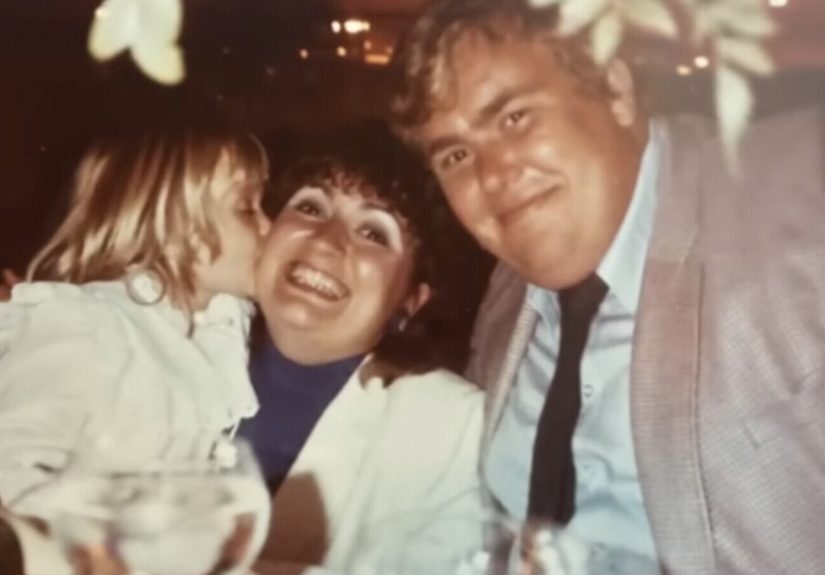
It uses home videos and archival footage to show Candy not as a punchline factory, but as a full person:
son, husband, father, friend, and working actor trying to stay afloat in an industry that confuses
visibility with invincibility.
The John Candy Brand of Comedy: Big Laughs, Bigger Heart
Even if you can’t recite his filmography like a trivia champ at a sports bar, you probably recognize
the John Candy type: the guy who turns awkwardness into comfort, who makes the room
lighter without making anyone else smaller.
In roles like Del Griffith in Planes, Trains and Automobiles, Uncle Buck in Uncle Buck,
and Gus Polinski in Home Alone, Candy specialized in the kind of comedy that doesn’t require
cruelty. He didn’t win scenes by “destroying” other characters. He won them by being human in a way
that made you laugh firstand then, sometimes, quietly reconsider your life choices.
That’s part of why the documentary lands: it argues (without yelling) that Candy’s comedy wasn’t
an accident. It was emotional craft. He played tenderness like it was an instrument.
Where Anxiety Fits In: The Documentary’s Most Revealing Turn
The title “I Like Me” is the perfect bait-and-switch. It sounds like a pep talk. It also sounds like something
you say when you’re trying to convince yourself.
The film suggests Candy’s public warmth wasn’t just a natural settingit was also a response to pain.
It traces a formative loss early in his life and follows the ripples: the need to keep the people around him
happy, the fear of disappointing collaborators, and the pressure of being “the nice one” in rooms where
being nice isn’t always profitable.
Here’s the part that hits: anxiety doesn’t always show up as panic. Sometimes it shows up as
over-functioning. It looks like being reliable to a fault. It looks like saying yes when you want to say no.
It looks like trying to manage the emotions of everyone in your orbitbecause the alternative feels
like losing control.
The People-Pleaser Paradox: When Kindness Becomes a Cage
The documentary frames Candy as someone who carried the weight of the roomoften on purpose.
That’s noble. It’s also exhausting. When your identity is “I’m the one who makes it better,”
admitting you’re not okay can feel like betrayal.
That paradox is key to understanding “comedy legend anxiety.” Not because comedians are uniquely broken
(they’re not), but because performance rewards the appearance of ease. The crowd claps for confidence.
The camera loves charisma. The schedule doesn’t care if your nervous system is running a marathon
in your chest.
Grief, Self-Image, and Hollywood Pressure
The film also brushes against the idea that a public persona can become a mask you forget you’re wearing.
Add industry pressure, public commentary about appearance, and the constant demand to be “on,”
and you get a setup where anxiety can thrive.
Importantly, the documentary doesn’t reduce Candy to his struggles. It treats those struggles as context
the backstage wiring behind the bright stage lights.
How the Film Talks About Anxiety Without Turning Candy Into a “Case Study”
There’s a temptation in celebrity documentaries to “diagnose the dead.” This film mostly avoids that trap.
It’s not trying to label Candy; it’s trying to humanize him.
That matters, because anxiety is already misunderstood. Clinically speaking, anxiety is often described as
a mix of worried thoughts, tension, and physical changes (like a body preparing for danger that may not be
right in front of you). And while everyone feels anxious sometimes, anxiety disorders can interfere with
daily life in a bigger, more persistent way.
The documentary’s most useful contribution is emotional, not clinical: it shows how anxiety can coexist
with success, generosity, and humor. In other words: if you’ve ever thought, “But I’m doing fine,”
while your brain is screaming, the film nods like, “Yeah. That’s the thing.”
The “Everyone Loved Him” Problem (and Why It’s Still Worth Watching)
Here’s a fair critique: when a subject is widely adored, a documentary can become too polished.
When every interview starts with “He was the nicest guy,” it can feel like a tribute reel with a runtime.
“John Candy: I Like Me” occasionally flirts with that problem. It’s affectionate. It’s respectful.
It sometimes chooses tenderness over mess.
But that’s also its point: it’s not trying to create a scandal. It’s trying to show how a person can be
genuinely kind and still carry anxietyhow both can be true at the same time.
Specific Moments That Make the Anxiety Theme Feel Real
The documentary’s best scenes aren’t the loudest. They’re the ones where people describe Candy
as attentivepresent with kids on set, respectful in small moments, generous when nobody was scoring points.
One story discussed in coverage involves Macaulay Culkin recalling that Candy treated him with real respect
as a child actor. That detail matters because it paints Candy’s kindness as practiced, intentional behavior
not a “celebrity mood,” but a default.
The film also reportedly uses music to underline the mix of joy and loss, including a stripped-down
vocal performance used in a deeply emotional sequence. The effect is less “sad montage” and more
“a reminder that grief and gratitude can sit in the same chair.”
Comedy, Anxiety, and the Myth of the “Funny One”
Let’s widen the lens for a minute. There’s a cultural myth that the “funny one” is automatically fine
emotionally bulletproof, socially effortless, permanently fueled by good vibes and decent snacks.
Reality is messier.
Anxiety can show up in high performers precisely because they care: about outcomes, relationships,
approval, getting it right. In the U.S., public-health reporting regularly tracks how common anxiety
and worry are among adultsbecause it’s not rare, and it’s not just a “quirky personality thing.”
The documentary doesn’t claim Candy represents every comedian. It simply invites a healthier conclusion:
someone can make you laugh and still be struggling. That’s not hypocrisy. That’s humanity.
A Quick Reality Check (Not Medical Advice, Just Common Sense)
- Feeling anxious sometimes is part of being alive.
- Persistent anxiety that disrupts sleep, focus, relationships, or daily function deserves attention.
- Support helpsfrom friends, therapy, or medical professionals depending on severity.
If this topic hits close to home, the takeaway isn’t “be tougher.” It’s “you’re not alone, and you don’t have
to white-knuckle it.”
Why Candy’s Legacy Feels So Comforting Right Now
The current media ecosystem rewards snark. Candy’s work rewarded empathy. That’s why he keeps
getting rediscovered: when the world feels sharp, his comedy feels soft in the best way.
“John Candy: I Like Me” argues that softness wasn’t weakness. It was craft. It was character.
And, yes, sometimes it was coping.
The film doesn’t ask you to idolize Candy. It asks you to understand himand maybe to be a little gentler
with the “funny people” in your life who might be carrying more than they show.
Conclusion: The Bravest Part Isn’t the LaughIt’s the Honesty
A lot of celebrity documentaries chase revelations. This one chases recognition: the feeling that the
person behind the persona was real, complicated, and worth knowing.
“John Candy: I Like Me” doesn’t tear down a legend. It puts him on the couch (metaphorically),
offers him a blanket, and lets the audience see that the big-hearted guy who made everyone else comfortable
sometimes needed comfort too.
And if you finish the documentary thinking, “Wow, I relate to the part where the funny person is anxious,”
that’s not you being dramatic. That’s you being awake.
Real-Life Reflections: 5 Experiences That Mirror the Film’s Theme (500+ Words)
If the documentary’s anxiety thread lands, it’s often because it feels familiarnot in a celebrity way, but in a
human way. Here are a few real-world experiences people commonly describe that echo the movie’s big idea:
the same person can be the light in the room and still feel shadows inside.
1) Being the “Funny Friend” Who’s Secretly Doing Crowd Control
Some people use jokes the way others use a thermostat: to regulate the emotional temperature.
Dinner gets tense? Crack a line. Someone’s upset? Defuse it with humor. New group dynamic?
Make yourself likable fast. The laugh becomes a toolsometimes a beautiful one, sometimes a reflex.
The tricky part is what happens when you’re tired. If you’ve trained everyone to expect the punchline,
silence can feel like failure. You may even worry that being honest“I’m not okay today”will
disappoint people who rely on you as the vibe manager.
2) People-Pleasing That Looks Like Competence (Until It Doesn’t)
Anxiety doesn’t always look like fear. Sometimes it looks like being “amazing” at everything:
the person who replies immediately, fixes problems before they’re problems, remembers birthdays,
anticipates needs, and says yes with a smile. From the outside, it’s admirable. From the inside,
it can feel like sprinting on a treadmill you can’t turn off. You might not even notice how anxious
you are because you’re too busy being useful. The first clue is often physical: poor sleep, muscle tension,
irritability, or the constant sense that you’re behind even when you’re objectively ahead.
3) Performing Confidence While Your Brain Runs Worst-Case Scenarios
Whether it’s a presentation, a performance, or just walking into a networking event, many people
experience the split-screen moment: your body is there, smiling; your mind is rehearsing 14 disasters.
“What if I blank?” “What if they hate me?” “What if I’m exposed as a fraud?” The irony is that
anxious people often prepare more than anyone elsethen assume that preparation was “luck”
instead of skill. That loop can quietly reinforce anxiety: you succeed, but you don’t feel safe.
4) Grief That Turns Into a Long-Term Operating System
Loss doesn’t always stay in its lane. Sometimes grief becomes a background app running all the time,
influencing how you relate to people and how safe you feel in the world. Some folks respond by clinging
tighter to relationships, working harder, or trying to become indispensablebecause being needed
feels like being protected from abandonment. This isn’t weakness; it’s a survival strategy that made sense
at the time. The problem is that what kept you afloat once can become the thing that exhausts you later.
5) The Moment You Realize You’re Allowed to Get Help
One of the most hopeful experiences connected to this theme is the quiet pivot from “I should handle this”
to “I don’t have to handle this alone.” For a lot of peopleespecially those who’ve built their identity on
being the helperaccepting support can feel awkward at first. You may worry you’re “too much.”
You may feel guilty for needing anything. But the truth is: asking for help is not a character flaw.
It’s a skill. It’s also often the start of genuine changebecause you can’t out-joke, out-work, or out-please
an anxious nervous system forever. Sometimes the bravest thing isn’t making everyone else laugh.
It’s admitting you’re human and letting someone sit with you in the uncomfortable parts.
That’s why the documentary’s message resonates beyond movie nostalgia. It’s not just “remember this great comedian.”
It’s “remember that the kindest, funniest people may be carrying invisible weightand they deserve care, too.”