Table of Contents >> Show >> Hide
- Why Taku Inoue’s Tom sculptures work so well
- Who is the artist behind these hilarious Tom and Jerry sculptures?
- Tom was always the perfect candidate for sculptural comedy
- The craftsmanship is part of the punchline
- Why the internet cannot get enough of these sculptures
- More than fan art: this is nostalgia with form, texture, and timing
- Why Tom’s worst day is our best laugh
- Experiences related to the topic: why these sculptures hit so hard for longtime fans
- Conclusion
There are two kinds of people in this world: people who watched Tom and Jerry as kids, and people who somehow missed one of the greatest masterclasses in cartoon chaos ever made. For the rest of us, Tom’s suffering is basically part of our cultural upbringing. Flattened by doors, folded into furniture, twisted into shapes that would make a pretzel file a complaint, Tom has spent decades losing the world’s most theatrical fight against one tiny mouse.
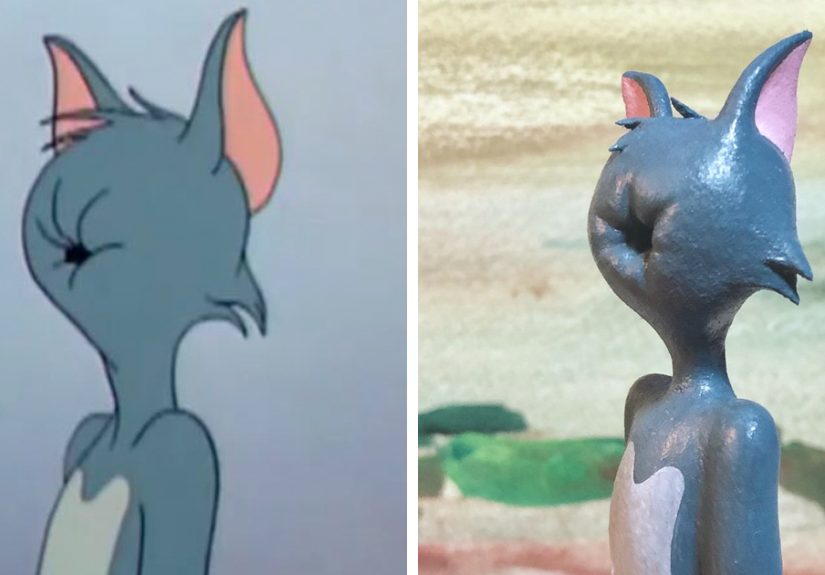
That is exactly why Japanese artist Taku Inoue’s sculpture series feels so brilliant. Instead of making polished, heroic versions of beloved cartoon characters, he captures Tom in his absolute worst moments. Not “bad hair day” bad. More like “hit-by-a-frying-pan-and-now-my-head-is-a-kitchen utensil” bad. The result is funny, weirdly elegant, and instantly memorable. It is fan art with the timing of a great joke and the craftsmanship of serious sculpture.
If you have ever laughed at slapstick comedy, loved nostalgic cartoon art, or enjoyed seeing internet culture collide with old-school animation, this series lands right in the sweet spot. These sculptures do not just recreate scenes from a classic cartoon. They freeze motion, exaggeration, and comic pain into something solid enough to sit on a shelf and still somehow look like it is in the middle of a disaster.
Why Taku Inoue’s Tom sculptures work so well
The magic of Tom and Jerry has always lived in movement. The show runs on exaggerated impact, impossible elasticity, and visual timing so sharp it could cut glass. Tom stretches, compresses, caves in, pops out, and somehow returns for the next round like cartoon physics has its own health insurance plan. Translating that kind of motion into sculpture sounds almost unfair. Sculpture is still. Tom and Jerry is not. And yet Inoue makes the impossible look suspiciously easy.
His genius is not simply in copying famous frames from the cartoon. It is in choosing the exact moments when Tom stops being a cat and becomes a visual punchline. That is the sweet spot. Tom as a victim of momentum. Tom as a household object. Tom as a creature who has just learned, too late, that gravity is personal.
One sculpture gives him a flattened, pancaked look that instantly communicates impact. Another turns his head into the shape of the very object that smacked him. Others leave him squeezed into impossible forms that feel both painful and cartoonishly adorable. Jerry also appears in some pieces, but Tom is the real star because, frankly, he is the one who keeps paying the physical bill.
Who is the artist behind these hilarious Tom and Jerry sculptures?
Taku Inoue is a Japanese artist whose sculptural work has gained attention for turning animated absurdity into tangible form. What makes his Tom and Jerry project especially appealing is that it does not feel cynical or manufactured. It feels personal. According to an English-language interview, revisiting the cartoon with his child helped inspire the series. He realized there was not enough merchandise for a work he loved, so he decided to create the pieces himself and effectively build the kind of collection he wanted to see in the world.
That origin story matters because it explains the warmth in the work. These sculptures are not just clever internet bait. They are made by someone who clearly understands why these scenes matter. They come from affection, not irony. Yes, the pieces are funny. Very funny. But they are also affectionate little monuments to a cartoon that has been making people laugh for generations.
And honestly, that may be why they resonate beyond hardcore art fans. The sculptures do not ask viewers to know academic theory or decode some ultra-serious statement about form. They ask a much better question: “Remember when Tom got absolutely wrecked in that episode?” For millions of people, the answer is immediate.
Tom was always the perfect candidate for sculptural comedy
Let’s be honest: Tom may be one of the most sculptable characters in animation history. Jerry is clever, fast, and adorable, but Tom is the one with range. He gets stretched into a ribbon, folded into containers, flattened into rugs, inflated, dented, and reshaped by whatever object the scene decides to weaponize. He is basically a walking gallery of comic deformation.
That matters because sculpture thrives on silhouette, form, and physical presence. Tom’s misfortunes already have strong shapes. They are not subtle. They are immediate, graphic, and hilariously legible. You do not need dialogue or even context to understand what happened. You just look at him and think, “Yep, that went badly.”
Inoue uses that visual clarity beautifully. His pieces keep the read of the original gag intact while adding texture, dimensionality, and a kind of object-based comedy you do not get from a moving image. In a cartoon, a flattened Tom flashes past in a second. In a sculpture, you can stare at every ridiculous detail. The joke lasts longer. In some ways, it gets better.
The comedy becomes physical in a new way
That is the real trick here. By turning animation into sculpture, Inoue changes how the joke lands. In the original cartoon, the laugh comes from speed and surprise. In the sculpture, the laugh comes from recognition and inspection. You notice the bend of a limb, the panic in the face, the absurd elegance of a cat transformed into an accidental household accessory. It is the difference between hearing a joke told fast and seeing the punchline framed on a wall.
It also makes the violence feel softer and stranger. Tom and Jerry has always lived in that peculiar cartoon zone where the mayhem is brutal but harmless, harsh but weightless. Inoue’s sculptures preserve that tone. Tom looks wrecked, yes, but never tragic. He looks inconvenienced in the funniest possible way.
The craftsmanship is part of the punchline
What keeps this project from becoming a one-note novelty is the quality of the execution. These are not rough sketches in 3D. They are carefully designed pieces that understand volume, balance, and character expression. Even when Tom is reduced to a bizarre shape, he still reads as Tom. That is harder than it sounds. Push too far, and the work becomes random. Stay too literal, and the joke loses energy. Inoue finds the sweet spot between distortion and recognition.
The surfaces matter, too. The pieces feel polished without being sterile. Their compact size gives them the charm of collectibles, but the ideas behind them are sharper than ordinary merchandise. Some later designs even crossed into official figure releases, which makes perfect sense. They already look like the collectible line fans wish had existed all along.
There is also something deeply satisfying about seeing slapstick made permanent. Cartoon suffering is usually temporary by design. A second later, the character snaps back to normal. Inoue interrupts that reset button. He says, in effect, “No, let’s stay right here. Let’s appreciate this disaster.” And suddenly Tom’s misery becomes gallery-worthy.
Why the internet cannot get enough of these sculptures
The online response to Taku Inoue’s work makes perfect sense because it hits three powerful things at once: nostalgia, visual absurdity, and instant readability. You do not need an explanation. You do not need subtitles. You do not even need to remember the exact episode. One look at a sculpture of Tom compressed into an impossible form and your brain fills in the entire joke.
That is catnip for internet culture. It is shareable, recognizable, and weird enough to stop the scroll. But unlike disposable meme content, these pieces have staying power. They reward repeat viewing. The more you look, the funnier and smarter they become. They also inspire that rare online reaction that is both simple and sincere: “I need this.”
Part of the appeal is that the sculptures treat cartoon comedy as worthy of craftsmanship. They do not laugh at Tom and Jerry. They laugh with it. That distinction matters. Fans can feel when a tribute understands the source material, and Inoue clearly does. He captures the series’ rhythm, its cruelty-without-consequences, and its complete confidence in visual nonsense.
More than fan art: this is nostalgia with form, texture, and timing
Calling these pieces “fan art” is not wrong, but it is a little too small. They sit somewhere between collectible design, sculptural humor, and pop culture archaeology. They take fleeting moments from a classic American cartoon and preserve them as physical objects that can be examined, displayed, and appreciated in a whole new medium.
That medium shift is what makes the work special. It proves that slapstick comedy is not just about movement. It is also about shape. A frying-pan head is funny because it is instant visual logic. A cat folded into a vase is funny because the body has become the joke. Inoue’s work reveals just how strong the visual design of old animation really was. Strip away motion and sound, and the gag still lives.
It also reminds us why Tom and Jerry remains such a durable part of pop culture. The series debuted in 1940, yet its central idea still works because it is primal and clear: chase, failure, retaliation, repeat. No trendy dialogue required. Just timing, attitude, and escalating chaos. That simplicity makes it endlessly adaptable, whether the form is a theatrical short, a clip online, or a tiny sculpture of Tom looking like he lost a fight with architecture.
Why Tom’s worst day is our best laugh
There is something oddly lovable about the fact that Tom keeps trying. He fails spectacularly, often embarrassingly, and almost always in ways that leave him misshapen. But he comes back. The next scheme is always around the corner. That stubbornness is part of why the character lasts. He is not just a punchline machine. He is determination in fur.
Inoue’s sculptures capture that spirit without needing to show the whole chase. Each piece feels like the aftermath of a terrible plan and the setup for the next one. You can almost hear the music sting, the pause, the eye blink, the delayed realization that something has gone catastrophically wrong. The sculptures do not simply depict Tom. They imply the rhythm of the entire cartoon.
That is why the work is so funny. It is not random weirdness. It is precise weirdness. It understands that slapstick is geometry plus timing plus emotional overreaction. Tom’s body becomes a shape, and that shape becomes a joke. Inoue just happens to be very, very good at making that joke stand up on a shelf.
Experiences related to the topic: why these sculptures hit so hard for longtime fans
Seeing Taku Inoue’s Tom and Jerry sculptures for the first time feels a lot like running into an old friend who still knows exactly how to make you laugh. Even people who have not watched the cartoon in years tend to have an instant reaction. It is almost physical. You see one bent, flattened, or squashed version of Tom and your brain does a full-speed rewind to childhood mornings, cereal bowls, loud theme music, and the kind of laughter that only cartoon chaos could produce.
That experience is a huge part of why these sculptures travel so well online. They do not just show a character. They trigger memory. A lot of pop culture art depends on recognition, but this series goes a step further by recreating the feeling of watching a gag unfold. Viewers are not simply identifying Tom. They are remembering what it felt like when the piano dropped, the frying pan swung, or the trap failed in the dumbest way imaginable.
For many fans, there is also a strange delight in seeing cartoon motion turned into something permanent. In animation, disaster flashes by. Tom gets crushed, then resets. But in sculpture, the moment lingers. You get to study it. That changes the experience from a quick laugh into a layered one. First, you laugh because the shape is ridiculous. Then you laugh because you remember the scene. Then you start admiring the skill it took to make a ridiculous shape look so exact.
Another experience people seem to connect with is the universal relatability of Tom’s failures. No, most of us have not been ironed into a hallway runner. But we do know the feeling of trying very hard and somehow ending up worse off than when we started. Tom is basically the patron saint of overconfidence. Inoue’s sculptures capture that energy perfectly. They are funny because they are exaggerated, but they are also funny because they are emotionally familiar. We have all had “frying-pan head” days, metaphorically speaking.
The work also creates a bridge between generations. Someone who grew up with the original shorts, someone who caught reruns on TV, and someone who discovered Tom and Jerry through clips online can all meet in the same place and laugh at the same object. That is rare. Usually nostalgia is gated by age. These sculptures feel more open than that. They speak the simple language of visual comedy, and that language ages surprisingly well.
There is even a collector’s thrill built into the experience. Fans do not just enjoy looking at the pieces. They immediately imagine owning them, displaying them, and pointing at them every time someone visits. These are the kinds of objects that invite conversation before they invite analysis. You do not need to explain why a cat shaped like a smashed accordion is funny. You just need to let someone see it for two seconds.
In the end, the experience surrounding these sculptures is part nostalgia trip, part design appreciation, and part joyful disbelief. They remind viewers that old cartoons were full of visual invention, that great comedy can survive a change in medium, and that Tom’s suffering continues to be one of the most reliable forms of harmless entertainment ever created. Poor Tom. Great art. Outstanding trade-off.
Conclusion
Taku Inoue’s Tom and Jerry sculptures are hilarious for the obvious reason: Tom looks spectacularly doomed. But they linger because they do more than repeat a joke. They preserve the architecture of slapstick, translate motion into form, and turn familiar cartoon pain into collectible, display-worthy comedy. That is not easy. It takes observation, affection, timing, and an understanding of why these characters still matter.
In a world overflowing with lazy nostalgia, this series stands out by being inventive, crafted, and genuinely funny. It honors the original cartoon without feeling stuck in the past. It reminds us that great visual comedy can survive any format change. And perhaps most importantly, it confirms a universal truth: Tom’s worst moments are still some of the best moments in animation history.