Table of Contents >> Show >> Hide
- What Counts as Red Meat?
- The Nutritional Benefits of Red Meat
- So, Why Do People Worry About Red Meat?
- Red Meat and Heart Health
- Red Meat and Cancer Risk
- Red Meat and Type 2 Diabetes
- Processed Meat: The Bigger Problem
- How Much Red Meat Is Too Much?
- Healthier Ways to Eat Red Meat
- Who Should Be Extra Careful with Red Meat?
- What About Grass-Fed, Organic, or “Natural” Red Meat?
- Is Red Meat Bad for You If You Eat It Occasionally?
- Practical Meal Ideas That Keep Red Meat in Balance
- Experiences and Everyday Lessons About Red Meat
- Conclusion: Is Red Meat Bad for You?
Red meat has a public relations problem. One day it is the villain in a documentary, glaring from the grill like it personally clogged someone’s arteries. The next day, it is praised as a protein-packed food rich in iron, zinc, and vitamin B12. So, which is it? Is red meat bad for you, or has it simply been caught wearing a tiny cowboy hat in the middle of a very complicated nutrition debate?
The honest answer is this: red meat is not automatically “bad,” but eating too much of itespecially processed red meatcan increase certain health risks. The bigger picture depends on the type of meat, how often you eat it, how it is cooked, what you eat with it, and what it replaces in your diet. A small portion of lean steak with roasted vegetables is not the same dietary story as a daily bacon cheeseburger with fries and a soda. Same animal kingdom, very different plot twist.
This article breaks down the science in plain English, without turning your dinner plate into a courtroom drama. We will look at the health benefits of red meat, the risks linked to heart disease, cancer, and type 2 diabetes, the difference between unprocessed and processed meat, and practical ways to enjoy red meat more wisely if you choose to eat it.
What Counts as Red Meat?
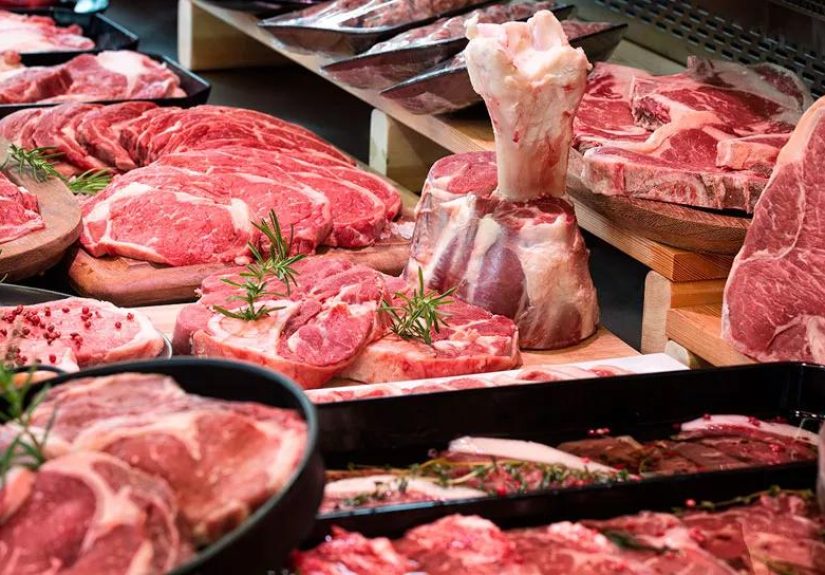
Red meat usually refers to meat from mammals. Common examples include beef, pork, lamb, veal, venison, goat, and mutton. It is called “red” because it contains more myoglobin, a protein that stores oxygen in muscle tissue and gives raw meat its reddish color.
It is also important to separate unprocessed red meat from processed meat. Unprocessed red meat includes foods like steak, pork tenderloin, lamb chops, or lean ground beef. Processed meat includes bacon, sausage, ham, hot dogs, corned beef, salami, pepperoni, and many deli meats. These products are usually preserved by smoking, curing, salting, or adding preservatives.
That distinction matters because processed meats are more consistently linked with health concerns than fresh, unprocessed red meat. In other words, your occasional lean sirloin and your daily stack of bacon are not nutritionally identical cousins. One shows up to dinner in a button-down shirt; the other arrives with a fog machine and a salt shaker.
The Nutritional Benefits of Red Meat
Red meat does provide valuable nutrients. That is one reason the conversation should not be reduced to “meat equals bad.” A moderate serving can offer high-quality complete protein, meaning it contains all nine essential amino acids your body needs from food.
Red Meat Is Rich in Protein
Protein helps build and repair muscles, supports immune function, assists in hormone production, and helps you feel full after meals. For people with higher protein needssuch as older adults, athletes, people recovering from illness, or those trying to maintain muscle while losing weightred meat can be an efficient protein source.
It Contains Iron, Zinc, and Vitamin B12
Red meat is one of the best sources of heme iron, a form of iron the body absorbs more easily than the non-heme iron found in plant foods. Iron helps transport oxygen through the blood. Red meat also provides zinc, which supports immune health and wound healing, and vitamin B12, which is essential for nerve function and red blood cell production.
This does not mean red meat is the only way to get these nutrients. Fish, poultry, eggs, dairy, beans, lentils, tofu, fortified foods, nuts, seeds, and whole grains can all contribute to a nutrient-rich diet. But red meat is undeniably nutrient-dense when eaten in appropriate portions.
So, Why Do People Worry About Red Meat?
The concern comes from studies that link higher red meat intakeespecially processed meat intakewith greater risk of several chronic diseases. These include cardiovascular disease, colorectal cancer, type 2 diabetes, and higher all-cause mortality in some large population studies.
However, nutrition research is messy because people do not eat foods in isolation. A person who eats a lot of red meat may also eat fewer vegetables, less fiber, more refined carbohydrates, more sodium, or more ultra-processed foods. They may also exercise less, smoke more, or have other habits that affect risk. Researchers try to adjust for these factors, but real life is not a laboratory. It is more like a refrigerator full of leftovers and questionable mustard.
Still, the pattern is strong enough that many health organizations recommend limiting red and processed meat rather than making it a daily centerpiece.
Red Meat and Heart Health
One major concern is saturated fat. Some cuts of red meat are high in saturated fat, which can raise LDL cholesterol, often called “bad” cholesterol. Higher LDL cholesterol can contribute to plaque buildup in arteries, increasing the risk of heart attack and stroke over time.
Not all cuts are equally fatty. A grilled beef tenderloin, sirloin, or extra-lean ground beef has less saturated fat than heavily marbled ribeye, short ribs, or regular ground beef. Portion size also matters. A three-ounce cooked serving is roughly the size of a deck of cards. Many restaurant steaks are closer to three decks of cards plus a motivational speech.
For better heart health, the goal is not simply to ask, “Did I eat red meat?” A better question is, “What kind, how much, how often, and what else was on the plate?” Red meat served with beans, greens, roasted vegetables, and whole grains is very different from red meat served with fries, creamy sauces, and a giant milkshake wearing a whipped-cream hat.
Red Meat and Cancer Risk
The strongest cancer-related concern involves colorectal cancer. Processed meat is considered more concerning than unprocessed red meat because preservation methods and additives may contribute to cancer risk. Regularly eating processed meats such as bacon, sausage, hot dogs, and deli meats has been associated with higher colorectal cancer risk.
Unprocessed red meat has also been linked with colorectal cancer, though the evidence is generally considered less strong than it is for processed meat. Several possible mechanisms may explain the connection. Red meat contains heme iron, which may promote oxidative stress in the gut when consumed in large amounts. High-temperature cooking methods such as grilling, pan-frying, and broiling can create compounds called heterocyclic amines and polycyclic aromatic hydrocarbons, especially when meat is charred or cooked until it looks like it lost a fight with a volcano.
This does not mean one steak causes cancer. Cancer risk develops over years and is influenced by genetics, lifestyle, body weight, alcohol intake, smoking, fiber intake, physical activity, and screening habits. But from a prevention standpoint, eating less processed meat and keeping red meat moderate is a reasonable, evidence-based move.
Red Meat and Type 2 Diabetes
Higher intakes of red meat, especially processed red meat, have also been associated with increased risk of type 2 diabetes. Researchers have suggested several possible reasons. Saturated fat may affect insulin sensitivity in some people. Heme iron may contribute to oxidative stress. Processed meats often contain high levels of sodium and preservatives. And again, the total dietary pattern matters.
For example, replacing some red meat with beans, lentils, nuts, tofu, fish, or poultry can improve the overall balance of the diet. These swaps often increase fiber, unsaturated fats, and plant compounds while reducing saturated fat and sodium. Your pancreas may not send you a thank-you card, but it will appreciate the calmer workload.
Processed Meat: The Bigger Problem
If red meat is a yellow traffic light, processed meat is more like a flashing red one. Bacon, sausage, hot dogs, salami, pepperoni, and many deli meats are often high in sodium, saturated fat, and preservatives. They are also easy to overeat because they are salty, convenient, and designed to make your taste buds behave like excited toddlers.
Processed meat does not have to be banned from Earth, but it should not be an everyday food. A hot dog at a baseball game once in a while is different from bacon at breakfast, ham at lunch, pepperoni at dinner, and beef jerky as a snack. At that point, your menu is less “balanced diet” and more “meat-themed escape room.”
How Much Red Meat Is Too Much?
There is no single perfect number for everyone. However, many cancer-prevention recommendations suggest keeping cooked red meat to about 12 to 18 ounces per week and eating little, if any, processed meat. That might look like three modest servings per week rather than a large serving every day.
A practical serving is about three ounces cooked. Examples include a small lean steak, a modest portion of pork tenderloin, or a small lean burger patty. If you are used to large steakhouse portions, this may sound tiny, but remember: red meat does not need to be the entire show. It can be a supporting actor alongside vegetables, whole grains, beans, and healthy fats.
Healthier Ways to Eat Red Meat
If you enjoy red meat, you do not necessarily need to quit. A smarter approach is to improve the type, portion, cooking method, and frequency.
Choose Leaner Cuts
Look for cuts such as sirloin, tenderloin, eye of round, top round, pork tenderloin, or extra-lean ground beef. Trim visible fat before cooking and drain excess fat after browning ground meat. These small changes can reduce saturated fat without requiring you to say goodbye to flavor.
Use Gentler Cooking Methods
High-heat cooking and charring can create potentially harmful compounds. To reduce this, avoid burning meat, use marinades, cook at lower temperatures when possible, flip meat frequently, and remove charred portions. Slow cooking, baking, stewing, and braising can be better options than constantly grilling meat over intense flames.
Make Meat a Sidekick, Not the Main Character
Instead of building meals around a giant slab of meat, try using smaller amounts for flavor. Add sliced steak to a vegetable stir-fry, use lean ground beef in a bean chili, or pair lamb with a large salad and whole grains. This approach keeps the flavor while improving fiber and nutrient density.
Replace Some Red Meat with Other Proteins
Try fish, chicken, turkey, eggs, lentils, beans, chickpeas, tofu, tempeh, edamame, nuts, and seeds. These foods can help diversify your protein intake and may support better heart and metabolic health. Variety is the nutritional equivalent of not putting all your groceries in one wobbly basket.
Who Should Be Extra Careful with Red Meat?
Some people may benefit from being more cautious. This includes people with high LDL cholesterol, heart disease, high blood pressure, type 2 diabetes, a strong family history of colorectal cancer, a history of colon polyps, or conditions that require limiting saturated fat, sodium, or heme iron. People with hemochromatosis, a condition that causes iron overload, should be especially mindful of iron-rich foods and follow medical guidance.
If you have a medical condition, it is best to talk with a healthcare professional or registered dietitian. General nutrition advice is helpful, but personalized advice is better. Your body is not a spreadsheet, even if your doctor occasionally makes it feel like one.
What About Grass-Fed, Organic, or “Natural” Red Meat?
Grass-fed beef may have a slightly different fat profile than conventional beef, and organic meat follows specific production standards. These choices may matter to you for environmental, animal welfare, or personal preference reasons. However, they do not magically erase the concerns around saturated fat, portion size, high-heat cooking, or processed meat.
In other words, a grass-fed ribeye is still a ribeye. It may be a higher-quality ribeye, but it is not a salad in disguise.
Is Red Meat Bad for You If You Eat It Occasionally?
For most healthy adults, occasional red meat can fit into a balanced diet. The problem is not usually one burger at a summer cookout or one steak dinner on an anniversary. The bigger issue is frequent large portions, processed meats, low fiber intake, and a pattern that leaves little room for vegetables, fruits, whole grains, legumes, nuts, and seafood.
A helpful mindset is to think in terms of weekly patterns, not isolated meals. If most of your meals are rich in plants, fiber, and minimally processed foods, a moderate portion of red meat now and then is less concerning. If red meat appears at nearly every meal, and the closest thing to a vegetable is ketchup, it may be time to renegotiate the menu.
Practical Meal Ideas That Keep Red Meat in Balance
Here are a few realistic examples:
- Lean steak bowl: Three ounces of sliced sirloin with brown rice, black beans, grilled peppers, salsa, avocado, and lettuce.
- Bean-heavy chili: Use half the usual amount of lean ground beef and double the beans, tomatoes, onions, and peppers.
- Vegetable-loaded burger night: Choose a smaller lean patty, use a whole-grain bun, and add tomato, lettuce, onion, pickles, and a side salad instead of fries.
- Pork tenderloin dinner: Serve with roasted Brussels sprouts, sweet potatoes, and a bright herb sauce instead of heavy gravy.
- Meatless swap night: Try lentil tacos, chickpea curry, tofu stir-fry, or salmon with vegetables to give your body a protein plot twist.
Experiences and Everyday Lessons About Red Meat
In real life, the question “Is red meat bad for you?” usually shows up in the kitchen, not a research lab. It appears when someone is staring at a package of ground beef after reading a scary headline. It shows up at a family barbecue when one person says, “I heard steak is terrible for your heart,” while another person is already holding tongs like a medieval weapon. The truth is that most people do not need panic. They need perspective.
One common experience is that people eat more red meat than they realize. A sausage biscuit at breakfast, a roast beef sandwich at lunch, and spaghetti with meat sauce at dinner may not feel excessive because each meal seems normal on its own. But by the end of the day, red or processed meat has appeared three times. Over a week, that pattern adds up quickly. Simply tracking intake for a few days can be surprisingly revealing. It is like checking your bank account after a weekend trip: educational, slightly uncomfortable, but useful.
Another lesson is that cutting back does not have to feel like punishment. Many people succeed by reducing portions rather than removing red meat entirely. For example, using a small amount of lean beef in a vegetable stir-fry keeps the savory flavor while making vegetables the bulk of the meal. Adding lentils or mushrooms to ground beef stretches the dish, lowers saturated fat per serving, and adds fiber. The meal still tastes hearty, but your plate becomes more balanced. This is not deprivation; it is strategy with a spatula.
People also notice that cooking methods change the experience. A charred steak may taste smoky and dramatic, but frequent high-heat charring is not the healthiest habit. Marinating meat, cooking it more gently, and avoiding burned edges can make meals both flavorful and smarter. A slow-cooked beef stew with vegetables, herbs, and beans can feel comforting without requiring a giant portion of meat. It proves that red meat can be part of a meal instead of the meal’s entire personality.
Social situations are another challenge. Nobody wants to be the person at the cookout giving a lecture about colorectal cancer while everyone else is trying to enjoy potato salad. A practical approach is to choose what matters most. Maybe you skip the hot dogs but enjoy a small burger. Maybe you fill half your plate with salad and grilled vegetables first. Maybe you decide that your grandmother’s holiday roast is worth savoring, but you do not need deli meat sandwiches every weekday. Healthy eating works better when it leaves room for culture, family, pleasure, and the occasional imperfect plate.
For many people, the best result comes from building a flexible routine. Red meat becomes an occasional choice, processed meat becomes rare, and other proteins become familiar. Beans stop seeming like a punishment from a wellness magazine. Fish becomes a weekly habit. Chicken, tofu, eggs, lentils, and nuts take turns. Over time, the diet feels less restricted and more varied. The goal is not to win a purity contest. The goal is to lower risk while still enjoying food like a normal human being, not a robot fueled by steamed broccoli and moral superiority.
Conclusion: Is Red Meat Bad for You?
Red meat is not automatically bad, but the amount and type matter. Fresh, lean red meat eaten occasionally can fit into a healthy diet, especially when paired with vegetables, whole grains, beans, and other nutrient-rich foods. Processed meats, however, are best limited as much as possible because they are more strongly linked with health risks.
If you want a simple rule, try this: choose lean cuts, keep portions moderate, avoid processed meat as a routine food, do not char meat heavily, and replace some red meat meals with fish, poultry, beans, lentils, tofu, nuts, or seeds. Your plate does not need to be perfect. It just needs to stop treating bacon like a food group.
Note: This article is for general educational purposes and should not replace medical advice. People with heart disease, diabetes, high cholesterol, digestive conditions, iron overload, or a personal or family history of colorectal cancer should ask a qualified healthcare professional for personalized guidance.