Table of Contents >> Show >> Hide
- Is Fighting Early in a Relationship Normal?
- Why Couples Fight in the Early Stages
- Normal Fights vs. Red Flag Fights
- How Much Fighting Is Too Much in a New Relationship?
- Green Flags During Early Relationship Conflict
- Red Flags You Should Not Talk Yourself Out Of
- How to Fight Fair in a New Relationship
- When Early Fighting Means You Are Incompatible
- Should You Stay After a Big Early Fight?
- When to Seek Help
- Experience-Based Reflections: What Early Relationship Fighting Often Teaches People
- Conclusion
Every new relationship has a charming “movie trailer” phase. The texts are flirty, the dates feel exciting, and even ordering tacos together can seem like a meaningful compatibility test. Then one day, boom: you disagree about communication, jealousy, money, plans, an ex, or why one person thinks “I’ll call you later” means 7 p.m. while the other thinks it means sometime before the next Olympics.
So, is fighting in the early stages of a relationship bad? Not always. Early relationship conflict can be normal because two people are learning each other’s needs, expectations, boundaries, habits, and emotional triggers. In fact, a respectful disagreement can reveal useful information: how your partner handles frustration, whether they listen, whether they can apologize, and whether you both can repair the moment without turning the relationship into a courtroom drama.
But not all fighting is healthy. Some arguments are normal growing pains. Others are red flag issues that point to disrespect, control, manipulation, emotional abuse, or incompatibility. The difference is not simply how often you fight. It is how you fight, what you fight about, and what happens afterward.
Is Fighting Early in a Relationship Normal?
Yes, occasional fighting in the early stages of a relationship can be normal. When two people start dating, they are blending different personalities, communication styles, routines, attachment patterns, family backgrounds, and expectations about romance. That is a lot to combine. Even smoothies need a blender; relationships need conversations.
Healthy early conflict usually means both people are trying to understand each other better. Maybe one person needs more reassurance, while the other values independence. Maybe one partner likes planning dates three days ahead, while the other operates on “spontaneous adventure mode,” also known as “I forgot to make a reservation.” These differences can create tension, but they are not automatically signs of doom.
In a healthy relationship, conflict is handled with respect. Partners may feel upset, but they still care about each other’s dignity. They can slow down, listen, clarify, apologize, compromise, and return to warmth. Nobody has to “win” by making the other person feel small.
Why Couples Fight in the Early Stages
Early dating can feel light and romantic, but it also involves uncertainty. You are still figuring out what the relationship is, where it is going, and whether your emotional rhythms match. That uncertainty can make small issues feel bigger than they are.
1. Different Communication Expectations
One of the most common causes of early relationship arguments is communication. One person may enjoy frequent texting, while the other feels overwhelmed by constant check-ins. One person may want to talk through problems immediately, while the other needs time to process.
For example, if your partner does not reply for six hours, you might feel ignored. They might think they were simply working, driving, studying, or living life like a person who occasionally looks away from a screen. The issue is not just the delayed reply; it is the meaning attached to it.
A healthy conversation sounds like: “When I do not hear from you for a long time, I start to feel disconnected. Can we talk about what communication feels realistic for both of us?” An unhealthy version sounds like: “You obviously do not care about me. Prove where you were.” Same topic, very different emotional weather.
2. Boundaries Are Still Being Defined
Boundaries are not walls; they are relationship road signs. They help each person understand what feels comfortable, respectful, and safe. In the early stages, boundaries around time, physical intimacy, privacy, social media, friendships, money, and emotional availability may still be unclear.
Normal conflict may happen when one person says, “I like spending time with you, but I also need Sunday mornings to myself.” That can feel disappointing to the other person, but it is not rejection. It is a boundary. A caring partner may need reassurance, but they will not punish you for having a life outside the relationship.
3. Past Relationship Baggage Shows Up
Most people do not arrive at a new relationship as a blank notebook. They bring memories, hopes, fears, and maybe one emotional carry-on bag that should have been checked at the gate. If someone has been cheated on, dismissed, abandoned, or controlled in the past, certain situations may feel especially sensitive.
Past pain does not excuse bad behavior, but it can explain why certain conflicts flare up. A healthy partner can say, “This is bringing up old stuff for me, and I want to handle it better.” A red flag partner uses past pain as a permanent permission slip to accuse, monitor, or control.
4. The Honeymoon Phase Starts Wearing Real Shoes
At first, everything may seem adorable. Their messy car is “quirky.” Their loud chewing is “human.” Their habit of being 20 minutes late is “free-spirited.” Then reality arrives wearing sensible shoes and carrying a clipboard. Suddenly, the little things become noticeable.
This is normal. Early dating often includes idealization. As you get closer, you see the full person, not just the highlight reel. The question is whether you can talk about differences with humor, honesty, and respect.
Normal Fights vs. Red Flag Fights
The key difference between normal fighting and red flag fighting is emotional safety. In a normal disagreement, both people may feel frustrated, but they do not feel afraid, degraded, trapped, or controlled. In a red flag fight, one person may use anger to dominate, intimidate, manipulate, or silence the other.
Normal Early Relationship Fights May Include:
- Misunderstandings about texting, calling, or plans
- Different preferences for alone time versus together time
- Awkward conversations about exclusivity or commitment
- Disagreements about spending money on dates
- Small jealousy moments that are discussed respectfully
- Different conflict styles, such as needing space before talking
- Learning how to express needs without blame
These issues can be uncomfortable, but they are workable when both partners show maturity. The argument may not feel fun, but it leads somewhere useful. You understand each other better afterward.
Red Flag Fights May Include:
- Name-calling, mocking, humiliation, or cruel sarcasm
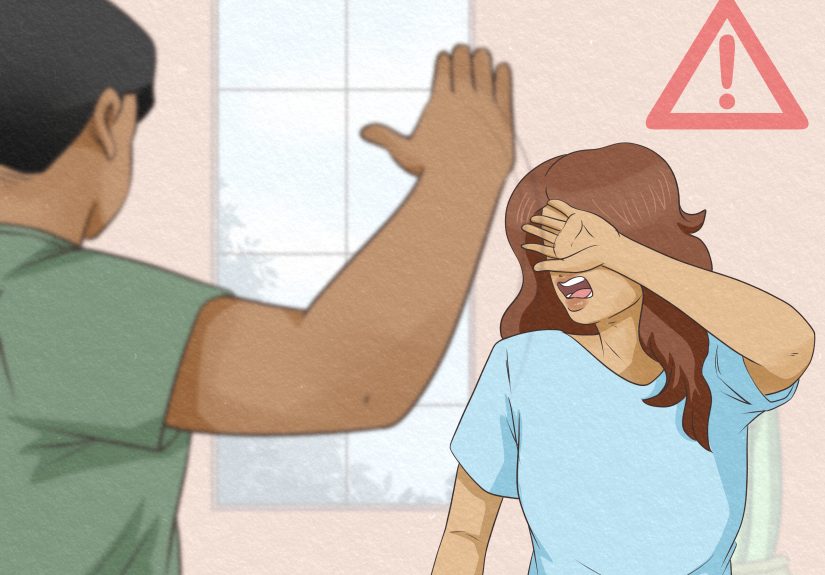
- Threats, intimidation, or physical aggression
- Throwing objects, blocking exits, or damaging property
- Controlling who you see, what you wear, or where you go
- Demanding phone passwords or checking messages without permission
- Extreme jealousy framed as “love”
- Gaslighting, blame-shifting, or denying obvious behavior
- Pressuring you sexually, emotionally, financially, or socially
- Making you feel afraid to bring up concerns
If a relationship feels emotionally unsafe early on, do not ignore that information. The beginning of a relationship is usually when people are on their better behavior. If the “best behavior” already includes cruelty, control, or fear, that is not a tiny pothole. That is a flashing road sign.
How Much Fighting Is Too Much in a New Relationship?
There is no universal number that makes fighting “too much.” Two couples could argue twice a month and have completely different relationship health. For one couple, those arguments may be honest, brief, and productive. For another, they may be explosive, disrespectful, and emotionally draining.
Instead of counting arguments like a very stressed accountant, look at the pattern. Ask yourself:
- Do we resolve issues or keep repeating the same fight?
- Do I feel safe being honest?
- Does my partner care when they hurt me?
- Can we apologize without turning it into another argument?
- Are the fights bringing us closer to understanding or further into resentment?
- Do I feel more peaceful or more anxious since dating this person?
If you are fighting constantly in the first few weeks or months, it may be a sign of poor compatibility, mismatched expectations, unresolved emotional wounds, or unhealthy communication. Early relationships do not have to be perfect, but they should not feel like an unpaid internship in emotional crisis management.
Green Flags During Early Relationship Conflict
Conflict can actually reveal wonderful things about a partner. Anyone can be charming when dinner is good, traffic is light, and nobody has accidentally said the wrong thing. The real test is how someone behaves when they are disappointed, embarrassed, tired, or upset.
They Listen to Understand
A green flag partner does not just wait for their turn to speak. They try to understand what you mean. They may not agree right away, but they ask questions and reflect back what they heard.
They Avoid Character Attacks
Healthy conflict focuses on behavior, not identity. “I felt hurt when you canceled last minute” is productive. “You are selfish and unreliable” attacks the person. The first invites repair; the second invites armor.
They Can Apologize
A real apology does not come with tap shoes and a parade of excuses. It sounds like: “I understand why that hurt you. I am sorry. I will handle it differently next time.” Apologies matter because they show accountability.
They Respect Time-Outs
Sometimes the healthiest move is to pause. If emotions are too hot, a short break can prevent damage. The key is to return to the conversation later. A time-out should not be used as silent treatment; it should be used as emotional seatbelts.
They Care About Repair
Repair means coming back together after tension. It can be a sincere apology, a gentle joke, a hug if both people want one, or a simple statement like, “I do not want us to fight like this. Can we start over?” Couples who repair well often become stronger, not because they never fight, but because they know how to reconnect.
Red Flags You Should Not Talk Yourself Out Of
When attraction is strong, it is tempting to explain away warning signs. You may say, “They are just passionate,” “They had a hard childhood,” “They only yelled because they care,” or “Maybe I am being too sensitive.” Compassion is lovely, but it should not require you to ignore your own discomfort.
Control Disguised as Care
“I just worry about you” can be sweet. “I need to approve your friends, outfits, location, and phone activity” is control wearing a fake mustache. A partner who respects you will not require surveillance to feel secure.
Jealousy That Becomes Possessive
A small jealous feeling can be human. Possessiveness is different. If your partner accuses you constantly, monitors your behavior, or treats normal interactions as betrayal, that is not romance. That is insecurity looking for a throne.
Cruelty During Arguments
Everyone can say something imperfect when upset. But repeated cruelty is different. Insults, contempt, mocking, public embarrassment, or targeting your deepest insecurities are serious red flags. Love should not collect your vulnerabilities and use them as darts.
Blame-Shifting and Gaslighting
If every concern you raise somehow becomes your fault, pay attention. Gaslighting can make you doubt your memory, judgment, or emotional reality. A healthy partner may disagree with your interpretation, but they will not make you feel crazy for having feelings.
Fear of Bringing Up Problems
One of the clearest signs of trouble is self-silencing. If you avoid honest conversations because you fear rage, punishment, withdrawal, or retaliation, the relationship is not emotionally safe. Peace that depends on one person staying quiet is not peace; it is tension in a nicer outfit.
How to Fight Fair in a New Relationship
Fighting fair does not mean sounding like a therapist with perfect lighting. It means choosing respect even when emotions are loud. Here are practical ways to handle early relationship conflict without turning one disagreement into a twelve-part documentary.
Use “I” Statements
Try saying, “I felt hurt when plans changed without notice,” instead of “You never respect my time.” “I” statements help you express feelings without launching a personal attack.
Stay on One Topic
If the fight is about canceled plans, do not suddenly bring up their texting habits, their ex, their driving, and the weird way they load a dishwasher. Stay with one issue. A focused conversation is easier to solve.
Ask for What You Need
Do not make your partner solve a mystery novel. Say what would help. For example: “If you are running late, please text me as soon as you know.” Clear requests are more useful than emotional pop quizzes.
Know When to Pause
If voices rise or one of you feels overwhelmed, pause. Try: “I want to talk about this, but I need 20 minutes to calm down. Can we come back to it after dinner?” This protects the relationship from words that are hard to un-say.
Look for the Need Under the Complaint
Many arguments are really about deeper needs: reassurance, respect, consistency, autonomy, affection, honesty, or safety. If your partner says, “You never make time for me,” the deeper need may be closeness. If you say, “You are always checking on me,” the deeper need may be independence.
When Early Fighting Means You Are Incompatible
Sometimes fighting is not about poor communication. Sometimes it reveals real incompatibility. You may like each other, laugh together, and have great chemistry, but still want very different lives.
Common incompatibilities include different views on commitment, children, religion, lifestyle, finances, emotional availability, substance use, personal ambition, sexual expectations, or how much independence each person needs. These differences do not make either person “bad.” They may simply mean the relationship requires more compromise than either person can honestly give.
For example, if one person wants a slow, casual dating pace and the other wants immediate exclusivity, tension is likely. If one person wants constant togetherness and the other needs plenty of solitude, both may feel rejected in opposite ways. If one person believes yelling is normal and the other shuts down around raised voices, conflict may become painful quickly.
Compatibility is not about being identical. It is about whether your differences can be handled with respect and realistic compromise.
Should You Stay After a Big Early Fight?
A big early fight does not automatically mean you should break up. What matters most is the aftermath. Did both people calm down and take responsibility? Did anyone apologize? Did the conversation lead to a clearer agreement? Did behavior improve afterward?
Staying may make sense if the fight was respectful, the issue is solvable, both people care about repair, and the relationship still feels safe and mostly positive. Leaving may be wise if the fight included threats, fear, humiliation, control, physical aggression, or repeated disrespect.
Also notice whether words and actions match. Someone may give a beautiful apology that sounds like it should have its own soundtrack. But if the same behavior keeps happening, the apology is not a repair; it is a reset button for the same old pattern.
When to Seek Help
If both partners are willing, counseling can help couples learn healthier communication and conflict resolution skills. This can be especially useful when the relationship has potential but the arguments keep looping.
However, couples counseling is not recommended when there is abuse, coercive control, intimidation, or fear. In those cases, safety comes first. If you feel unsafe, consider reaching out to a trusted friend, family member, therapist, local support service, or domestic violence hotline. You do not need to wait until things become “bad enough.” If you feel afraid, controlled, or trapped, that is enough reason to seek support.
Experience-Based Reflections: What Early Relationship Fighting Often Teaches People
Many people look back on the early stages of a relationship and realize the first fights were not random. They were little previews. Sometimes they previewed a loving relationship learning how to communicate. Other times, they previewed a pattern that would become exhausting.
One common experience is the “texting fight.” At first, it seems silly. One person says, “You did not text me goodnight,” and the other says, “I fell asleep; I was not declaring emotional bankruptcy.” But underneath the joke, there may be a real need. One person may need reassurance. The other may need freedom from constant digital expectations. When handled well, this fight can lead to a simple agreement: “We do not need to text all day, but we will communicate if plans change.” That is a healthy outcome.
Another common experience is the first jealousy fight. Maybe someone likes an ex’s photo, talks warmly to a coworker, or stays friends with people from their past. In a secure relationship, this becomes a conversation about comfort levels and trust. In an unhealthy relationship, it becomes interrogation, punishment, or control. The lesson is important: jealousy is a feeling, not a command. You can discuss it without letting it drive the car.
People also learn a lot from the first apology. A partner who can say, “I see how I hurt you,” is showing emotional maturity. A partner who says, “I am sorry you are so sensitive,” is basically gift-wrapping blame and calling it accountability. Early apologies matter because they reveal whether someone values repair or just wants the argument to disappear.
Another experience many daters recognize is the “walking on eggshells” stage. It may begin subtly. You stop mentioning certain topics. You rewrite texts three times to avoid setting them off. You cancel plans with friends because explaining them feels too tiring. You laugh off comments that hurt because confronting them creates drama. This is not normal early relationship adjustment. This is your nervous system collecting evidence.
On the healthier side, early conflict can also build trust. Imagine telling someone, “I need more notice before plans change,” and they actually listen. The next time they are running late, they text. That small action says, “Your feelings registered.” Trust often grows through these small repairs, not grand romantic speeches. Flowers are nice, but changed behavior is the bouquet that keeps on blooming.
Some couples discover they fight because they are moving too fast. The relationship becomes intense before emotional trust has had time to grow. They spend every evening together, share deep secrets immediately, make future plans quickly, and then panic when differences appear. Slowing down can help. A relationship does not need to sprint to be meaningful. Even soup gets better when it simmers.
Other people discover that early fights reveal mismatched values. One person wants emotional openness; the other avoids serious conversations. One values financial planning; the other spends impulsively. One sees commitment as comforting; the other sees it as pressure. These differences can sometimes be worked through, but only if both people are honest. Chemistry can start a relationship, but compatibility helps it breathe.
The biggest practical lesson is this: pay attention to how you feel after conflict. Do you feel heard, respected, and closer to clarity? Or do you feel confused, guilty, afraid, and responsible for fixing everything? Your body often notices patterns before your brain finishes making excuses.
Early relationship fighting is not automatically bad. It can be a normal part of learning each other. But it should not cost your self-respect, safety, friendships, confidence, or peace. The right relationship will still have disagreements, but it will also have kindness, accountability, humor, and repair. In other words, you may argue about where to eat dinner, but you should not have to argue for your basic dignity.
Conclusion
Fighting in the early stages of a relationship is not always a bad sign. Normal disagreements can help couples understand each other’s needs, boundaries, values, and communication styles. A healthy fight focuses on solving the problem, not destroying the person. It includes listening, accountability, respectful language, and repair.
However, early fighting becomes a red flag when it includes control, intimidation, cruelty, threats, manipulation, physical aggression, or fear. If you feel smaller, less free, or less safe because of the relationship, take that seriously. Love should not feel like a test you keep failing.
The best early relationship question is not “Do we fight?” but “What happens when we do?” If conflict leads to understanding, growth, and better behavior, the relationship may be building something real. If conflict leads to fear, confusion, and repeated disrespect, it may be time to step back. A strong relationship is not one without disagreements. It is one where both people can disagree and still protect each other’s humanity.