Table of Contents >> Show >> Hide
- Do This Right Away: The First 5 Minutes
- What Counts as a “Birth Control Pill Overdose”?
- Symptoms of Birth Control Pill Overdose (What You Might Actually Feel)
- When It’s More Serious: Red-Flag Warning Signs
- Special Situation: Toddlers and Kids Who Swallowed Birth Control Pills
- Special Situation: “I Took Extra Pills Because I Missed One”
- Special Situation: “Is This the Same as the Morning-After Pill?”
- What Happens If You Go to the ER?
- How Long Do Symptoms Last?
- How to Prevent This From Happening Again (Because Your Calendar App Deserves a Raise)
- Quick FAQ
- Real-World Experiences (and the Lessons People Wish They’d Heard Sooner)
- Conclusion
Let’s take a deep breath together. Accidentally taking too many birth control pills can feel like the kind of mistake your brain will replay at 2:00 a.m. like a bad sitcom rerun. The good news: in most cases, a birth control pill overdose isn’t life-threatening. The important news: you should still act quickly and smartlybecause “usually fine” and “always fine” are not the same thing (and your body deserves receipts).
This guide walks you through exactly what to do right now, what symptoms to watch for, when to call Poison Control versus 911, and what to do next if your dosing got scrambled. It’s written for real life: toddlers who treat purses like treasure chests, adults who can’t remember if they took their pill, and anyone who read something terrifying online and would like their nervous system back.
Medical note: This article is for information and does not replace professional medical advice. If someone is in immediate danger, call 911.
Do This Right Away: The First 5 Minutes
If you suspect a birth control pill overdosemeaning someone took more than the recommended amountdo these steps immediately. No dramatics, no guessing, just a calm checklist.
1) Check for emergency symptoms
Call 911 right now if the person:
- Collapses or can’t be awakened
- Has a seizure
- Has trouble breathing
- Has severe chest pain, severe shortness of breath, or sudden confusion
2) Call Poison Control (even if you’re “pretty sure it’s fine”)
In the U.S., call the Poison Help line: 1-800-222-1222. It’s free, confidential, and available 24/7. You’ll talk to a trained expert who can tell you what to do next based on the exact pills and the situation. If you prefer online help, Poison Control also offers a web-based triage tool.
3) Do NOT make the person throw up
Unless Poison Control or a healthcare professional tells you to, don’t induce vomiting. It’s not a DIY moment.
4) Gather the “boring but crucial” details
Have this information ready when you call:
- Age and approximate weight
- Current symptoms (if any)
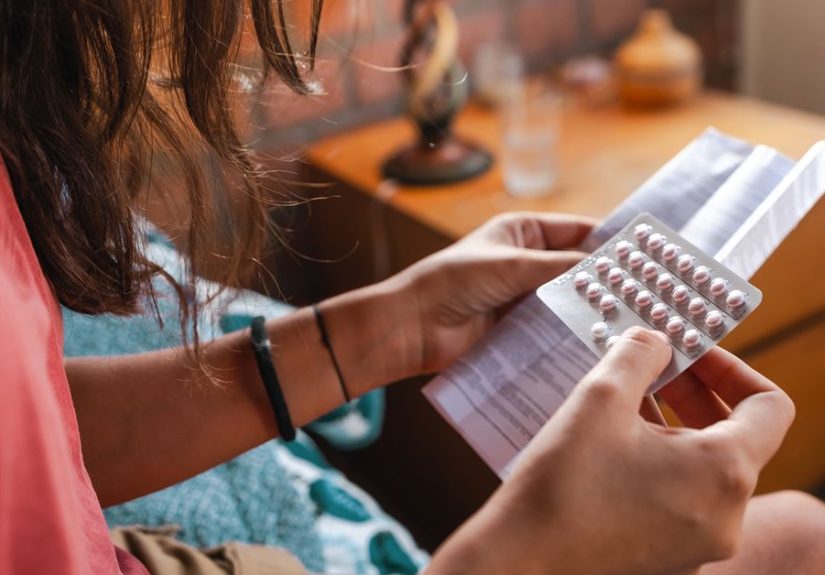
- The pill name and strength (bring the pack or bottle)
- How many were swallowed (best estimate)
- When it happened
- Whether it was prescribed for that person
- Any other medicines, supplements, alcohol, or recreational substances involved
5) Pause the next dose until you get guidance
If the person took a large amount, it’s reasonable to hold off on taking more until Poison Control or a clinician advises you. If it was just one extra pill, you’ll likely be told to continue as usualstill, don’t guess if you’re unsure.
What Counts as a “Birth Control Pill Overdose”?
“Overdose” can mean different things depending on the context. Here are the most common scenarios that trigger panic-Googling:
- Accidental double-dose: You forgot you took today’s pill and took another.
- Multiple extra pills: You took several pills close together (for example, trying to “catch up”).
- Child ingestion: A toddler swallowed pills from a pack (a surprisingly common situation).
- Mix-ups with look-alike meds: Pills got stored together and someone took the wrong thing.
- Intentional misuse: Someone took a large quantity on purpose or in a moment of distress.
A single extra pill is typically not a medical emergency for most healthy adults. But “typically” is not a planespecially if a child is involved, if the amount was large, or if there are concerning symptoms.
Symptoms of Birth Control Pill Overdose (What You Might Actually Feel)
Most birth control pills contain hormones (estrogen and progestin, or progestin-only). When too many are taken, symptoms are usually related to a temporary hormone surge and stomach irritation.
Common symptoms reported with overdose include:
- Nausea and vomiting
- Breast tenderness
- Headache
- Drowsiness or feeling “off”
- Mood or emotional changes
- Rash
- Discolored urine
- Heavy vaginal bleeding that may occur 2–7 days later
Not everyone gets symptoms. Some people feel nothing at all and still deserve clear guidancebecause your anxiety is not a diagnostic tool (and it’s also not great at math).
When It’s More Serious: Red-Flag Warning Signs
While a birth control pill overdose is rarely life-threatening, you should treat certain symptoms as urgenteither because they suggest a severe reaction, a complication, or a totally separate emergency that should not be ignored.
Call 911 immediately if there are emergency “can’t-wait” symptoms
- Collapse, seizure, or cannot be awakened
- Trouble breathing
- Severe chest pain
Seek urgent medical care if you notice possible blood clot symptoms
Blood clots are a known risk of estrogen-containing hormonal contraception during normal use. A one-time extra dose usually isn’t the driverbut if symptoms show up, you don’t debate; you get evaluated.
Watch for:
- Leg pain or swelling (often one-sided), warmth, redness, or tenderness
- Shortness of breath, rapid heartbeat, or chest pain (especially worse with deep breathing)
- Lightheadedness or fainting
- Coughing up blood
Call a clinician quickly for these “don’t ignore” symptoms
- Severe headache, vision changes, or a sudden “worst headache” feeling
- Yellowing of skin/eyes (jaundice)
- Heavy vaginal bleeding with dizziness, weakness, or soaking through pads rapidly
- Persistent vomiting (risk of dehydration)
If you’re torn between “I’m probably fine” and “This feels wrong,” choose safety. Your future self will not be mad that you got checked.
Special Situation: Toddlers and Kids Who Swallowed Birth Control Pills
If a child swallowed birth control pills, call Poison Control right away. Here’s the reassuring part: hormone-containing birth control pills are generally not dangerous for children in the amounts typically found in a pack, and most kids have few or mild short-term effects (like stomach upset).
Here’s the caution part: some packs include iron-containing placebo pills. Too much iron can be dangerous for children. This is one of the reasons Poison Control wants the exact product detailsnot just “birth control pills.”
What parents can do immediately
- Remove any remaining pills from the child’s reach
- Look at the pack: note whether it includes iron pills (often in the placebo row)
- Call Poison Control with the pill pack in hand
- Don’t force vomiting or give “antidotes” from the internet
Prevention tip: Store all medications up high, out of sight, and ideally locked. Kids are tiny, fast, and powered by curiosity.
Special Situation: “I Took Extra Pills Because I Missed One”
This is the most common origin story of a birth control dosing mess. Here’s what usually happens:
- You miss a pill.
- You panic.
- You take an extra pill to “fix it.”
- You then panic about the extra pill.
- You consider moving into the woods and living off berries to avoid decision-making forever.
Realistically, many people are advised to take the missed pill as soon as they remember (sometimes that means two pills in one day), then continue the pack. Guidance can vary by pill type (combined pill vs. progestin-only pill), where you are in the pack, and how many pills were missed.
Best move: Follow the instructions on your specific pill packaging and confirm with a pharmacist or clinician if you’re uncertainespecially if you missed multiple pills. If your concern is pregnancy risk rather than toxicity, that’s a different problem with different next steps (backup contraception, possibly emergency contraception, and timing matters).
Special Situation: “Is This the Same as the Morning-After Pill?”
Short answer: No, don’t self-prescribe emergency contraception by taking random extra birth control pills. Emergency contraception has specific dosing and timing, and the safest approach is to use products designed for that purpose or get medical guidance.
If unprotected sex happened recently and you’re worried about pregnancy, contact a pharmacist, clinician, or local clinic for the best option based on timing and your medical history. Meanwhile, if you took a large quantity of pills trying to DIY your way out of worry, call Poison Control for guidance.
What Happens If You Go to the ER?
Most people won’t need an ER visit for a birth control pill overdose. If you do go (or are told to go), expect a very practical approach.
Possible evaluation and treatment
- Monitoring vital signs (heart rate, blood pressure, breathing, temperature)
- Blood and urine tests if needed
- Medication to treat symptoms (like nausea)
- In rare, extreme situations, activated charcoal may be considered under medical supervision
One more important note: birth control pills can interact with other medications. If other meds were taken too, clinicians may focus on those interactions or the other substance as the bigger risk.
How Long Do Symptoms Last?
For most people, if symptoms show up, they’re short-lived:
- Nausea or headache: often within hours, usually improves within a day
- Spotting or heavier bleeding: may occur days later
- Mood changes: can be temporary and vary widely
If symptoms are getting worse instead of betterespecially vomiting, heavy bleeding, chest symptoms, or severe headacheget medical care promptly.
How to Prevent This From Happening Again (Because Your Calendar App Deserves a Raise)
Prevention isn’t about being “more responsible.” It’s about building a system that works when you’re tired, distracted, traveling, or living a normal human life.
Simple strategies that actually work
- Set a daily alarm (and name it something guilt-free like “Pill O’Clock”)
- Keep pills next to a daily habit item (toothbrush, phone charger)
- Use a reminder app
- Keep a backup pack where appropriate (ask your provider)
- If you regularly forget, consider a method you don’t have to take daily
Also: store pills safely. A purse is not a childproof containerit’s basically a mobile museum exhibit for toddlers.
Quick FAQ
Is a birth control pill overdose fatal?
Serious symptoms are considered very unlikely in most cases, but you should still call Poison Control for personalized guidanceespecially with large amounts, children, or other meds involved.
Should I skip my next pill?
If you took just one extra pill, many people are advised to continue as normal. If you took several pills or feel unwell, get advice first rather than guessing.
Can an overdose cause bleeding?
Yes. Heavier vaginal bleeding can happen days later. If bleeding is very heavy or you feel dizzy or faint, seek medical care.
What if the overdose was intentional?
If someone took pills intentionally or is in emotional distress, treat it as urgent. Call Poison Control for medical guidance. If someone may hurt themselves or feels unsafe, call or text 988 for the Suicide & Crisis Lifeline (U.S.) or call 911 for immediate danger.
Real-World Experiences (and the Lessons People Wish They’d Heard Sooner)
To make this topic feel less abstract, here are common “I can’t believe I did that” situations people run intoand what tends to help. These are not medical case reports, just realistic patterns that show up again and again when people talk to clinicians, pharmacists, and Poison Control.
Experience #1: The Double-Dose Spiral
Someone takes their pill, gets distracted, and later stares at the pack thinking, “Wait… did I actually take it?” So they take another “just in case.” The next morning, they feel slightly nauseated and spend the day convinced they’ve broken their endocrine system forever.
Lesson: Mild nausea can happen, and anxiety makes it feel louder. In many cases, a single extra pill doesn’t cause long-term harm. The most useful move is to pick a tracking method you trustlike marking the day on the pack, using a pill case, or logging it in a simple habit app. The goal is to stop making medical decisions based on vibes.
Experience #2: “Catching Up” With Multiple Pills
Another common story: someone misses a pill (or two), panics about pregnancy, and takes several pills close together to “reset.” That’s when symptoms are more likelynausea, vomiting, headache, mood swings, and later bleeding that feels alarming.
Lesson: Missing pills is primarily a pregnancy-prevention issue, not a toxicity issue. The right fix depends on the pill type and how many were missed. That’s why pill packaging includes missed-dose instructions and why pharmacists are incredibly helpful. If you took several pills at once, call Poison Control anywayless because it’s usually dangerous, and more because you deserve a plan tailored to what you actually took.
Experience #3: The Toddler Who Found “Candy”
Parents often discover the problem mid-silencenever a good sign in a house with small kids. A toddler finds a pill pack in a purse or on a nightstand and swallows a few before anyone notices. Panic follows, plus guilt, plus frantic searching.
Lesson: Hormone pills typically cause few, if any, short-term effects in kids, but some packs contain iron placebo pills, which can be more concerning. Poison Control can quickly sort this out if you have the pack in front of you. Afterward, parents who feel the most relief are the ones who create a “medication home” (high, locked, consistent) and stop storing pills in “grab-and-go” places a child can access.
Experience #4: The “Is This a Blood Clot?” Scare
Someone takes extra pills, then later feels leg soreness after a workout or gets a sharp chest twinge while stressed. Because hormonal birth control is linked to blood clot risk during regular use, their brain connects dots at lightning speedsometimes correctly, often not.
Lesson: Don’t self-diagnose, but don’t dismiss red flags either. A true clot tends to come with a cluster of symptoms (like one-sided swelling, warmth, redness, unexplained pain, or shortness of breath and chest pain that feels serious). If those show up, you get urgent care. The goal is not to panicit’s to respond appropriately. “I’m going to be evaluated” is a power move, not an overreaction.
Experience #5: The Emotional Whiplash
Some people describe feeling teary, irritable, or mentally foggy after a dosing mishapthen they worry the pills “changed their personality.” Usually, it’s temporary and complicated by stress, lack of sleep, and the adrenaline hangover of thinking you made a huge mistake.
Lesson: Hormones can affect mood, but so can fear. If you feel emotionally unsafeespecially if the overdose was intentional or you’re feeling hopelessreach out immediately. Medical help and emotional support can happen at the same time. You don’t have to earn help by being “bad enough.”
Experience #6: The “Never Again” System Upgrade
The most positive pattern? People turn one scary moment into a better routine. They set a phone alarm, keep pills by a daily habit, or switch to a method that doesn’t require daily dosing. They also learn exactly who to call next time (Poison Control) and stop relying on random internet comments written at 3 a.m.
Lesson: The best prevention isn’t willpowerit’s design. Build a system that works on your messiest day, not just your best day.
Conclusion
If you suspect a birth control pill overdose, act fast but don’t panic: check for emergency symptoms, call Poison Control (1-800-222-1222), and don’t induce vomiting unless told to. Most cases aren’t life-threatening, but certain warning signslike trouble breathing, severe chest pain, fainting, one-sided leg swelling, severe headache with vision changes, jaundice, or heavy bleeding with dizzinessneed urgent medical evaluation. And if a child swallowed pills or iron-containing placebos might be involved, Poison Control can guide you quickly and confidently.
When in doubt, choose the option that gets you real medical guidance. Your body isn’t a guessing game, and you don’t get bonus points for “toughing it out.”