Table of Contents >> Show >> Hide
- What Bath Salts Actually Do
- How to Use Bath Salts in the Tub
- How to Use Bath Salts in the Shower
- How to Use Bath Salts for Common Conditions
- How to Exfoliate With Bath Salts Without Overdoing It
- Big Mistakes to Avoid
- Who Should Be Extra Careful?
- A Simple Bath Salt Routine You Can Actually Stick To
- Real-Life Experiences With Bath Salts: What People Often Notice
- Conclusion
- SEO Tags
Bath salts have excellent branding. They sound glamorous, smell fancy, and make even a random Tuesday night feel like a tiny rebellion against stress. But once you actually buy a bag, the real question arrives: now what?
If you have ever stood in your bathroom holding a scoop of bath salts like you were about to perform a minor science experiment, you are not alone. The good news is that using bath salts is not complicated. The better news is that you do not need a claw-foot tub, candle collection, or a playlist called “Moonlit Mineral Therapy” to make them useful.
In this article, “bath salts” means cosmetic salts used for bathing and skin care, such as Epsom salt or other mineral bath salts. Used well, they can make a warm soak feel more soothing, help soften rough areas, and add a little spa energy to your routine. Used badly, they can leave your skin feeling dry, grumpy, and ready to file a complaint.
Here is how to use bath salts in the bath, in the shower, for specific skin situations, and as a gentle exfoliant without turning your skin into sandpaper.
What Bath Salts Actually Do
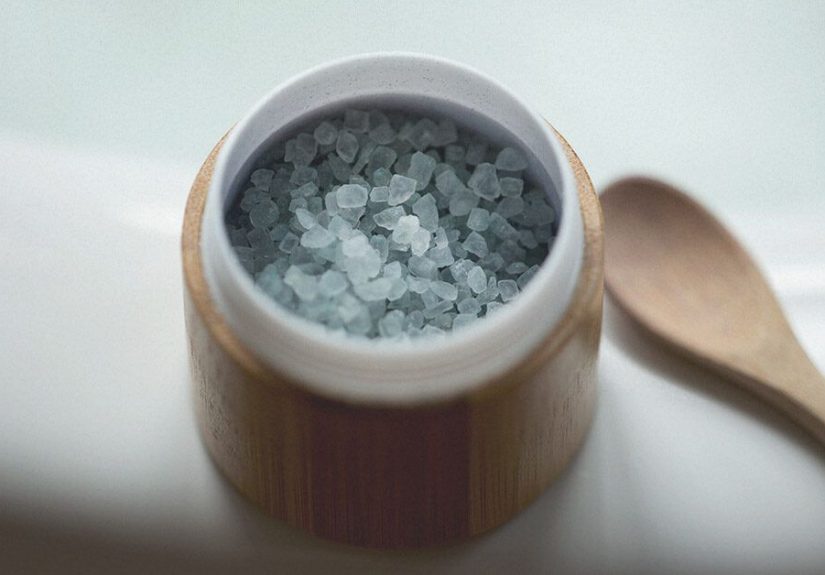
Bath salts are usually made from mineral salts such as magnesium sulfate, sea salt, or blends that include fragrance or essential oils. Their biggest strength is practical, not magical. They can make a warm soak feel relaxing, help loosen flaky skin, and work as a mild physical exfoliant when used gently.
That said, bath salts are not miracle dust. A warm bath itself does a lot of the heavy lifting. If you love the ritual, the scent, and the silky “I have my life together” vibe, great. Just do not expect cosmetic bath salts to replace moisturizer, prescription skin care, or actual medical treatment.
A smart rule of thumb is this: think of bath salts as a supporting player, not the lead actor. Your real stars are lukewarm water, short bathing time, gentle cleansing, and moisturizing right after you dry off.
How to Use Bath Salts in the Tub
This is the classic move, and for good reason. A bath is the easiest way to use bath salts because the crystals dissolve evenly and coat the skin more gently than a straight-up scrub.
Basic Bath Salt Method
- Fill the tub with warm or lukewarm water, not hot water.
- Add the bath salts while the water is running so they dissolve more evenly.
- Use the amount listed on the package. If there is no guidance, start modestly rather than pouring in half the bag like you are seasoning pasta water.
- Soak for about 10 to 15 minutes if you have dry or sensitive skin. If your skin tolerates baths well, you may go a bit longer, but there is no prize for shriveling.
- Rinse off lightly if the product is heavily fragranced or leaves residue.
- Pat your skin dry and apply moisturizer right away while your skin is still slightly damp.
If your tub has jets, check the manufacturer’s instructions before adding salts. Some tubs handle them fine, others absolutely do not, and nobody wants a spa night followed by a plumbing support call.
How Often Should You Soak?
For most people, a bath salt soak once or twice a week is plenty. If you use salts every day and start noticing tightness, itching, or flaky skin, your body is basically sending you a polite but firm memo to cut back.
How to Use Bath Salts in the Shower
No bathtub? No tragedy. You can still use bath salts in the shower in a way that feels practical and skin-friendly.
Option 1: Turn Them Into a Quick Body Scrub
This is the easiest shower method. Mix a small amount of bath salt with a gentle, fragrance-free body wash or with a plain body oil right in your hand. You want the mixture damp and spreadable, not dry and scratchy.
At the end of your shower, apply the mixture to rough areas like elbows, heels, knees, and the backs of your arms. Use light, circular motions for about 20 to 30 seconds per area. Then rinse well and moisturize as soon as you get out.
This method works best for the body, not the face. Facial skin is usually more delicate, and salt crystals are not exactly known for their diplomatic touch.
Option 2: Use Them as a Shower Foot Treatment
If your feet feel tired, sweaty, or rough, use bath salts as a focused foot scrub during your shower. Let warm water soften your feet first. Then gently rub a small salt-and-cleanser mixture over your heels and the sides of your feet. Rinse thoroughly and dry well, especially between your toes.
This method is especially handy if you want the benefits of a soak but do not have time to sit around like a Roman emperor in a marble bath.
Option 3: Pair the Shower With Post-Shower Care
Bath salts in the shower work best when the routine does not stop at the drain. If you scrub and then skip moisturizer, you are basically taking one step forward and one flaky step back. Use a fragrance-free cream or ointment after toweling off, especially if your skin tends to be dry, itchy, or reactive.
How to Use Bath Salts for Common Conditions
Let us be precise here: bath salts can be comforting for some situations, but they are not a cure. Think “temporary support,” not “medical plot twist.”
For Dry Skin
If your skin is dry, the safest way to use bath salts is lightly and infrequently. Choose a fragrance-free product if possible, use lukewarm water, keep the soak short, and moisturize immediately after. If the salts leave your skin feeling tighter instead of softer, they are not your friend. Switch to plain lukewarm bathing or colloidal oatmeal products instead.
For Sensitive Skin or Eczema-Prone Skin
Proceed with caution. Sensitive or eczema-prone skin often reacts poorly to fragrance, dyes, and aggressive scrubbing. If you want to test bath salts, choose a simple, fragrance-free formula and use a small amount in a short lukewarm soak. Skip the scrub method entirely during flares.
If your skin stings, burns, or gets redder, stop using the salts. In many cases, eczema does better with gentle cleansing, short bathing, and a thick moisturizer applied right after bathing than with fancy add-ins.
For Psoriasis-Prone or Flaky Skin
Some people with flaky, scaly skin find that a warm bath with bath salts helps soften buildup so it is easier to wash gently afterward. The key word is gently. Do not scrub plaques like you are trying to remove old paint. That usually backfires and leaves skin angrier than before.
For Sore Muscles and Tired Feet
This is one of the most common reasons people reach for Epsom salt. Many people say it helps them feel more relaxed after workouts or long days on their feet. The experience can be pleasant and soothing, even though the research behind broad Epsom-salt claims is limited. Use warm water, keep the soak reasonable, and enjoy it for comfort rather than expecting it to perform orthopedic wizardry.
For Rough Elbows, Knees, and Heels
This is where bath salts shine brightest. These thicker areas usually tolerate gentle exfoliation better than delicate skin does. A mild shower scrub once or twice weekly can help smooth texture, especially when you follow up with a rich moisturizer or foot cream.
How to Exfoliate With Bath Salts Without Overdoing It
Exfoliation is useful. Over-exfoliation is a personality trait your skin does not want you to develop.
The Right Way
- Exfoliate on damp skin, not dry skin.
- Use gentle pressure and small circular motions.
- Limit scrubbing to about 30 seconds per area.
- Focus on rougher body areas, not irritated patches.
- Rinse well with lukewarm water.
- Apply moisturizer immediately after.
How Often?
Start with once a week. If your skin handles that well, you can try twice a week on rough body areas. More aggressive exfoliation should happen less often, not more. If your skin starts looking shiny, red, stingy, or mysteriously offended by everything, that is over-exfoliation waving a red flag.
When to Skip It
Do not exfoliate with bath salts if you have open cuts, sunburn, raw skin, an active rash, skin infection, severe irritation, or freshly shaved skin. Also skip it on body areas that already feel tender. Salt plus damaged skin is rarely a touching love story.
Big Mistakes to Avoid
1. Using Hot Water
Hot water feels luxurious for about four minutes and then often leaves dry or sensitive skin feeling worse. Warm or lukewarm water is the better long-term choice.
2. Choosing Heavy Fragrance When Your Skin Is Reactive
Fragranced bath products can smell amazing and still be a terrible idea for sensitive skin. If your skin tends to itch, burn, or break out, go fragrance-free first.
3. Scrubbing Like You Are Polishing Furniture
Gentle exfoliation removes dead skin. Aggressive exfoliation removes peace from your life. Light pressure is enough.
4. Forgetting to Moisturize
This is the step that separates “soft skin” from “why do my shins look dusty by dinner?” Moisturizer seals in hydration and helps your skin barrier recover after bathing or scrubbing.
5. Using Bath Salts on Broken Skin
If your skin is cracked, bleeding, infected, or badly inflamed, skip the salts until the area heals and speak with a clinician if needed.
6. Assuming More Salt Means Better Results
More is not always more. It can simply mean more residue, more dryness, and more regret. Follow the package directions or start small.
Who Should Be Extra Careful?
Use extra caution with bath salts if you have diabetes, poor circulation, very sensitive skin, severe eczema, open wounds, burns, skin infections, or significant skin inflammation. In those cases, even a “simple soak” may not be all that simple. When in doubt, ask your healthcare professional before making bath salts part of your routine.
A Simple Bath Salt Routine You Can Actually Stick To
If you want the easiest low-drama version of this routine, here it is:
- Use bath salts once a week.
- Choose lukewarm water.
- Keep the soak or shower scrub short.
- Go easy on fragrance if your skin is reactive.
- Moisturize right after.
That is it. No twelve-step ritual. No need to own a bamboo bath tray. No need to become the sort of person who says “my evening soak” with theatrical seriousness.
Real-Life Experiences With Bath Salts: What People Often Notice
One reason bath salts have stuck around for so long is that the experience matters almost as much as the ingredient list. In real life, most people do not use them because they expect a miracle. They use them because the routine feels good, the skin feels smoother afterward, and a warm soak or shower creates a clear mental line between “I was functioning all day” and “I am off duty now.”
A common first experience is simple relaxation. Someone comes home after a workout, a long shift, or a day that felt like three days stacked in a trench coat. They add bath salts to warm water, sit for 10 or 15 minutes, and come out feeling looser, calmer, and less like they might argue with the microwave. That does not mean the salts cured everything. It means the combination of warmth, rest, and a small ritual helped the body downshift.
Another very common experience is softer rough patches. People who use bath salts as a shower scrub often notice that elbows, knees, and heels feel smoother after just one or two careful uses. The important word there is careful. When people get overexcited and scrub too hard, the experience changes fast. Instead of smooth skin, they end up with stinging, redness, or that tight post-shower feeling that makes you reach for lotion like it is emergency equipment.
People with dry or sensitive skin tend to have more mixed results. Some do fine with a plain, fragrance-free mineral salt soak once in a while, especially if they moisturize immediately afterward. Others discover that bath salts make their skin feel drier, itchier, or just generally annoyed. That is not failure. That is useful information. Skin is fussy, personal, and not particularly interested in trends.
Those who try bath salts for flaky skin conditions often describe the benefit as “softening” rather than “treating.” A short soak may help loosen dry scale so it is easier to wash gently and moisturize after. But when people scrub aggressively, use hot water, or choose strong fragrance, the story usually goes downhill. The lesson is consistent: gentle wins.
Then there are the shower-only people, the ones with no tub or no patience. Their experience is usually best when bath salts are used as a minor supporting act instead of the entire show. A quick salt-and-cleanser scrub on heels and elbows, followed by a thick moisturizer, can feel surprisingly effective. It is efficient, practical, and does not require candles or emotional preparation.
Over time, people who enjoy bath salts usually settle into one of two camps. Camp one uses them as a relaxation ritual once a week. Camp two uses them as a targeted exfoliating product for rough body areas. The happiest users are usually the ones who stop expecting heroics and start appreciating consistency. In other words, bath salts tend to work best when treated like a useful bathroom tool, not a mythical mineral event.
Conclusion
Bath salts are best used with a light touch and realistic expectations. In the bath, they can turn a plain soak into a more soothing ritual. In the shower, they can work as a gentle body scrub for rough areas. For dry, flaky, or condition-prone skin, the smart approach is short exposure, lukewarm water, fragrance-free formulas, and fast follow-up with moisturizer.
If there is one takeaway worth taping to your bathroom mirror, it is this: gentle beats aggressive every time. Your skin does not need to be conquered. It needs to be supported. Use bath salts like a thoughtful accessory, not a pressure washer, and you will get much closer to soft, comfortable skin with a lot less drama.