Table of Contents >> Show >> Hide
- What Is a Puncture Wound, Exactly?
- Step 1: Stay Safe and Check the Situation
- Step 2: Wash Your Hands and Gather Supplies
- Step 3: Stop the Bleeding
- Step 4: Decide Whether to Remove the Object
- Step 5: Clean the Puncture Wound
- Step 6: Protect the Wound and Help It Heal
- Step 7: Think About Tetanus
- When You Should See a Doctor or Urgent Care
- Special Situations: Foot, Bite, and High-Risk Wounds
- Do’s and Don’ts for Treating Puncture Wounds
- “With Pictures”: How You Might Illustrate Each Step
- Extra Experiences and Practical Tips from Real-Life Situations
- Final Thoughts
Quick note before we dive in: A puncture wound might look tiny on the outside, but it can be a drama queen underneath the skin. This guide gives you practical, first-aid style education, but it’s not a substitute for seeing a doctor or going to urgent care or the ER when you need it.
What Is a Puncture Wound, Exactly?
A puncture wound happens when a sharp, pointed object goes through the skin and into the tissues underneath. Think nails, needles, tacks, thorns, animal teeth, or jagged pieces of glass. The hole may be small and neat, but the object can push dirt and bacteria deep inside, where they’re harder to clean out and easier to cause infection.
Because you can’t always see how deep the object wentor what it dragged in with itpuncture wounds carry a higher risk of infection and, in some cases, tetanus. That’s why how you treat a puncture wound in the first few minutes and hours matters a lot.
Common Causes of Puncture Wounds
- Stepping on a nail or screw (classic “through the shoe” injury).
- Accidentally stabbing yourself with a kitchen knife, skewer, or fork.
- Walking barefoot and stepping on a thorn, tack, or shard of glass.
- Animal or human bites that break the skin with teeth.
- Tools, construction debris, or yard equipment that slip and jab.
Even if the object comes out quickly, the wound is still considered a puncture, and you should treat it as such.
Step 1: Stay Safe and Check the Situation
Before you spring into emergency-nurse mode, make sure the scene is safe. If this happened on a worksite full of nails and tools, or in the middle of traffic or a messy workshop, move yourself (or the injured person) to a clean, safe area first.
If the person is bleeding heavily, dizzy, confused, or having trouble breathingor if the object is very large and still stuck in placeskip the DIY and call emergency services right away.
When to Call 911 or Emergency Services Immediately
- Bleeding is heavy and you can’t control it with firm pressure.
- The object is big (like a knife, metal rod, or large piece of glass) and still embedded.
- The wound is in the chest, abdomen, neck, or eye.
- The person shows signs of shock: pale, clammy skin, rapid breathing, confusion, or fainting.
In those cases, don’t remove the object. Stabilize it (more on that below) and wait for professional medical help.
Step 2: Wash Your Hands and Gather Supplies
Before you go anywhere near the wound, clean your own hands. Use soap and water, or an alcohol-based hand sanitizer if that’s all you have. You’re trying to avoid adding extra germs to a situation that already has plenty.
Useful First-Aid Supplies
- Clean running water (tap water is fine).
- Mild soap.
- Cotton pads or clean washcloth.
- Sterile gauze or clean cloth for pressure.
- Adhesive bandages or sterile dressings.
- Medical tape or self-adhesive wrap.
- Over-the-counter antibiotic ointment (if you’re not allergic).
- Non-latex gloves (optional but ideal).
No fancy equipment requiredjust clean basics and good technique.
Step 3: Stop the Bleeding
Most small puncture wounds ooze more than they gush. However, even a small hole can bleed more than you expect if you’re on a blood thinner or the wound hits a blood vessel.
How to Control Bleeding
- Apply gentle, steady pressure. Use clean gauze or a cloth and press directly over the wound.
- Elevate the injured area above the level of the heart if possible (for example, raise your foot on a pillow).
- Maintain pressure for several minutes without peeking every 3 seconds. Checking too often can restart bleeding.
A little slow oozing can be normal at first. If bright red blood is spurting or soaking through layers of cloth quickly, this is an emergency.
Step 4: Decide Whether to Remove the Object
This is where a lot of people get overconfident. Rule of thumb: if the object is small, superficial, and has already come out cleanly (like a splinter or small thorn), you can usually manage it at home. If the object is large, deep, or still stuck, leave removal to professionals.
Do Not Remove the Object If:
- It’s big (knife, large glass shard, metal rod).
- It’s in or near the eye, neck, chest, abdomen, or a major joint.
- Removing it could cause more bleeding or damage.
In those cases, stabilize the object with clean padding (gauze or cloth) around it and lightly bandage to keep it from moving. Then get emergency care.
Removing a Small Foreign Object
If the object is tiny (like a small splinter or thorn) and visible at the surface:
- Wash your hands and clean tweezers with soap and water or alcohol.
- Gently grasp the visible end of the object.
- Pull it out in the same direction it enteredno twisting or digging.
Don’t go mining deep into the wound. If the object is not clearly visible or comes out in pieces, stop and see a doctor.
Step 5: Clean the Puncture Wound
Cleaning is the most important part of preventing infection. This isn’t the time for heroic chemicals; it’s about good rinsing and gentle soap.
How to Clean a Puncture Wound
- Rinse with clean water. Hold the area under running tap water for 5–10 minutes to flush out dirt and bacteria.
- Use mild soap around the wound. Lather and clean the skin around the opening, but try not to scrub directly inside the hole.
- Pat dry with a clean cloth or sterile gauze. Don’t rub harshly.
Things to Avoid
- No hydrogen peroxide or iodine directly in the woundthey can irritate tissue and slow healing.
- No alcohol poured into the puncturemore burning, not more benefits.
- No aggressive scrubbing or “digging” with cotton swabs.
If you can’t get debris out or you suspect something is still inside the wound, stop home care and go to urgent care or your doctor.
Step 6: Protect the Wound and Help It Heal
Once the wound is clean and bleeding is controlled, your job is to protect it from more germs and friction.
Covering the Wound
- Apply a thin layer of antibiotic ointment if you’re not allergic. This helps keep the area moist and may lower infection risk.
- Cover with a sterile bandage or non-stick dressing. Secure with tape or wrap.
- Change the bandage daily, or sooner if it gets wet or dirty.
Keep the area clean and dry, and avoid soaking the wound in baths, pools, or hot tubs until it’s clearly healing.
Watch for Signs of Infection
Even with perfect wound care, puncture wounds can still get infected. Call your doctor or urgent care if you notice:
- Increasing redness, warmth, or swelling around the wound.
- Thick yellow or green drainage, or foul odor.
- Red streaks traveling away from the wound.
- Fever, chills, or feeling generally unwell.
- Pain that is worsening instead of improving after 24–48 hours.
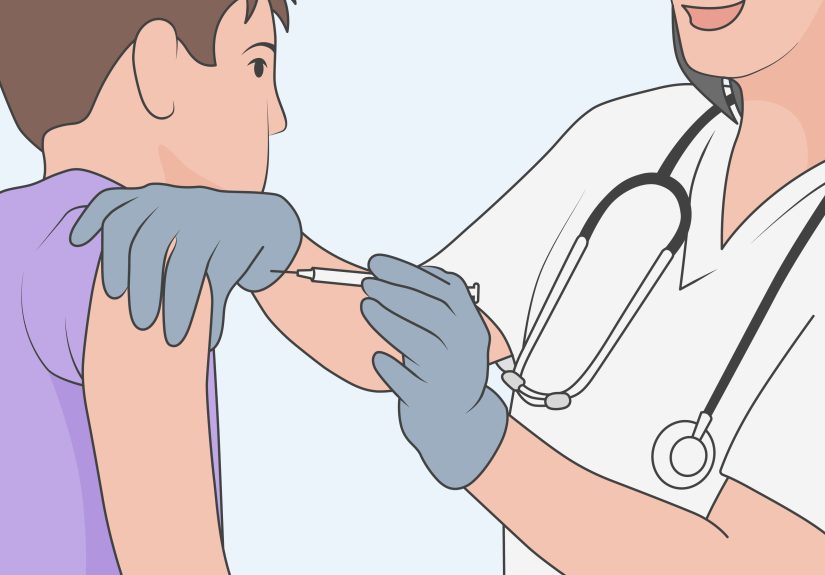
Step 7: Think About Tetanus
Puncture wounds are famous for the phrase “Did you get your tetanus shot?” for a reason. Tetanus bacteria live in soil, dust, and animal waste and can enter the body through open wounds, especially deep or dirty punctures.
When a Tetanus Booster May Be Needed
You or your child may need a tetanus booster if:
- You haven’t had a tetanus shot in the last 10 years.
- The wound is deep or dirty, and your last tetanus booster was more than 5 years ago.
- You’re not sure of your vaccination history.
For high-risk wounds and uncertain vaccination status, doctors may recommend both a booster shot and tetanus immune globulin. You can’t handle tetanus protection at homethis part needs a healthcare professional.
When You Should See a Doctor or Urgent Care
Not every puncture wound needs stitches, but many do need a professional’s eyes. Err on the side of getting checked when in doubt. Seek medical care if:
- The wound is deeper than about 1/4 inch (6 mm) or you can’t tell how deep it is.
- You stepped on a nail through a shoe, especially rubber-soled shoes.
- The puncture is on the foot, hand, face, genitals, or over a joint.
- The wound was caused by an animal or human bite.
- The object was dirty, rusty, or contaminated (barns, soil, garbage, standing water).
- You have diabetes, poor circulation, or a condition that weakens your immune system.
- The wound is still very painful, swollen, or not improving after a day or two.
Medical professionals can fully clean the wound, remove any hidden debris, assess for tendon or bone involvement, and prescribe antibiotics if needed.
Special Situations: Foot, Bite, and High-Risk Wounds
Foot Puncture Wounds
Stepping on a nail is almost a cliché, but it’s also one of the riskiest puncture injuries. Wounds on the bottom of the foot are more likely to trap bacteria and are harder to keep clean. When this happens through a shoe, there’s extra concern about infection from bacteria living in the shoe material.
- Clean and cover the wound as described above.
- Avoid walking on the injured foot as much as possible.
- Get checked promptly by a doctor or urgent care, especially if the nail went deep or through a shoe.
Bites That Puncture the Skin
Animal and human bites are their own category of drama. Even a small tooth mark can inject saliva and bacteria deep below the skin. These wounds almost always need professional medical evaluation and often need prescription antibiotics.
People with Higher Risk of Complications
See a healthcare professional early if you:
- Have diabetes or peripheral artery disease.
- Have poor wound healing history.
- Are on chemotherapy, steroids, or other immune-suppressing medicines.
- Have conditions that affect sensation, like diabetic neuropathy.
For these groups, even a “small” puncture wound can turn into a big problem surprisingly fast.
Do’s and Don’ts for Treating Puncture Wounds
Do:
- Wash your hands before touching the wound.
- Stop the bleeding with gentle, steady pressure.
- Rinse with clean running water for several minutes.
- Use a thin layer of antibiotic ointment if appropriate.
- Cover with a clean bandage and change it daily.
- Watch closely for any signs of infection.
- Make sure your tetanus vaccination is up to date.
Don’t:
- Don’t pour hydrogen peroxide, alcohol, or iodine deep into the puncture.
- Don’t remove large or deeply embedded objects yourself.
- Don’t ignore worsening pain, swelling, or redness.
- Don’t assume a tiny hole means a tiny risk.
“With Pictures”: How You Might Illustrate Each Step
On a site like wikiHow, this topic usually appears with simple step-by-step illustrations. You might see images such as:
- A drawing of someone washing their hands before wound care.
- A hand pressing clean gauze gently over a bleeding puncture.
- A faucet with water rinsing a foot or hand where the puncture occurred.
- A bandaged foot propped up on pillows to show elevation.
- A calendar or clock next to a tetanus shot icon to represent booster timing.
- Close-up drawings of healthy vs. infected wound signs.
These visuals help readers understand the sequence: stop bleeding → clean → protect → monitor → get medical help when needed.
Extra Experiences and Practical Tips from Real-Life Situations
Reading directions is one thing. Actually dealing with a puncture wound when you’re tired, panicked, and maybe standing on one leg in the driveway is another. Here are some experience-based insights that people often learn the hard way.
1. Don’t Underestimate the “Tiny Hole” Injury
Many people shrug off puncture wounds because they don’t look dramatic. A parent might say, “It’s just a little poke from that rusty nailwalk it off.” The problem is that the wound closes over quickly while bacteria are still inside. Several days later, the foot is swollen, hot, and too painful to step on.
The takeaway: if a sharp, possibly dirty object pierced the skinespecially on the foottreat it like it matters, even if it looks small.
2. Footwear Matters More Than You Think
Stepping on a nail barefoot and stepping on one through a sneaker aren’t identical. Shoes, especially thick rubber soles, can trap moisture and bacteria and push material deeper into the wound. Doctors often take shoe-through punctures more seriously because they’re more likely to get infected.
If your injury happened through a shoe, be extra aggressive about cleaning and extra quick about getting checked by a professional.
3. Don’t “Soak It Better” Instead of Seeing a Doctor
Warm soaks can feel soothing, but they’re not a magic cure for an obviously worsening puncture wound. People sometimes soak an infected puncture for days hoping it will clear up, while redness spreads and pain increases. By the time they seek care, it’s a bigger, more complicated problem.
If the wound looks worse after 24–48 hoursmore painful, red, swollen, or draining thick fluidit’s time for medical evaluation, not more home experiments.
4. Keep an Eye on Kids and Older Adults
Children may hide injuries because they’re scared of getting in trouble. Older adults, especially those with diabetes or reduced sensation in their feet, may not feel a puncture strongly or may forget to mention it. In both groups, small, unnoticed wounds can become serious infections.
If you’re a caregiver, check feet and hands when someone has been walking barefoot, working in the yard, or around cluttered areas with sharp objects.
5. Take Tetanus Seriously (Even If You Feel Fine)
Tetanus doesn’t show up immediately, and you won’t feel anything from the bacteria at the time of the injury. People sometimes skip boosters because “I feel okay” or “The wound doesn’t look that bad.” Unfortunately, tetanus is a serious, sometimes fatal illnessand completely preventable with up-to-date vaccination.
If a doctor, nurse, or urgent care provider recommends a booster after a puncture wound, think of it as cheap insurance for your nervous system.
6. Plan Ahead with a Simple First-Aid Kit
Many puncture wounds happen outsidein garages, yards, construction areas, or drivewaysfar from a nicely stocked bathroom cabinet. Having a basic first-aid kit with gauze, bandages, small scissors, and antibiotic ointment in your car or toolbox can make those first few minutes of care much easier.
Also, write down your last tetanus shot date somewhere you’ll actually find it later (in your phone notes or health app). When you’re in urgent care with a sore foot, the last thing you want is a guessing game.
Final Thoughts
Puncture wounds are sneaky: small on the outside, potentially messy on the inside. The good news is that with quick, calm first aidstop the bleeding, clean thoroughly, protect the wound, and monitor closelyyou can dramatically lower the risk of infection and other complications.
Still, there are clear situations where home care isn’t enough. When in doubtdeep wound, dirty object, lots of pain, or a health condition that affects healingget checked. Your future self (and your future ability to walk without limping) will thank you.
Medical disclaimer: This article is for general education only and is not a substitute for personal medical advice, diagnosis, or treatment. Always talk with a licensed healthcare professional about your specific situation.