Table of Contents >> Show >> Hide
- Why Does Medicine Taste So Bitter?
- How to Swallow Bitter Medicine: 8 Steps
- Step 1: Read the Label Before You Try Any Trick
- Step 2: Chill Liquid Medicine If the Label Allows It
- Step 3: Numb or Coat Your Taste Buds First
- Step 4: Use the “Small Amount” Mixing Method Safely
- Step 5: Position Pills Correctly Before Swallowing
- Step 6: Take One Pill at a Time
- Step 7: Ask About Flavoring or Alternative Forms
- Step 8: Build a Calm, Repeatable Routine
- What Not to Do When Medicine Tastes Bitter
- Helpful Examples for Bitter Medicine Problems
- How to Help Children Swallow Bitter Medicine
- When to Call a Doctor or Pharmacist
- Extra Experience-Based Tips for Swallowing Bitter Medicine
- Conclusion
Few everyday moments test human dignity quite like trying to swallow bitter medicine. One second you are a responsible person following your treatment plan; the next, your face is doing gymnastics, your tongue is filing a complaint, and your brain is asking why “cherry flavor” tastes suspiciously like cherry-scented regret.
The good news: bitter medicine does not have to become a daily wrestling match. Whether you are taking a liquid antibiotic, a chalky tablet, a capsule with an unpleasant aftertaste, or a medicine that seems determined to haunt your taste buds, there are safe, practical ways to make the process easier. The key is to reduce contact with your taste buds, swallow efficiently, avoid unsafe shortcuts, and always follow the label or your healthcare provider’s instructions.
This guide explains how to swallow bitter medicine in eight simple steps, with realistic examples, safety reminders, and taste-masking tricks that do not turn your medicine routine into a science experiment gone rogue.
Why Does Medicine Taste So Bitter?
Many medicines taste bitter because the active ingredients themselves have a naturally sharp, unpleasant flavor. Bitter taste is also one of the body’s built-in warning signals. In nature, bitterness can be associated with potentially harmful substances, so your mouth reacts dramatically to bitter flavors even when the medicine is safe and prescribed correctly.
Liquid medicines are often the worst offenders because they spread across the tongue quickly. Crushed tablets can be even more intense because breaking the outer coating exposes the bitter inner ingredients. Some pills are designed to be swallowed whole for a reason: the coating may protect the stomach, control how fast the medicine is released, or simply keep your taste buds from meeting the medicine too personally.
That is why the best strategy is not “be tougher.” It is “be smarter.” Your taste buds are dramatic little employees, but with the right plan, you can manage them.
How to Swallow Bitter Medicine: 8 Steps
Step 1: Read the Label Before You Try Any Trick
Before you mix, chill, crush, split, chase, or disguise bitter medicine, read the label carefully. Look for directions such as “take with food,” “take on an empty stomach,” “swallow whole,” “do not crush,” or “shake well before use.” These instructions are not decorative. They help the medicine work properly and reduce the risk of side effects.
This matters because some medicines should not be taken with dairy, juice, coffee, supplements, or certain foods. Grapefruit juice, for example, can interact with several medications. Some antibiotics and thyroid medicines may also have specific timing rules around food, minerals, or other medicines.
If the label says to swallow the pill whole, do not crush it just because bitterness has entered the chat. Ask a pharmacist first. A two-minute question at the pharmacy can save you from ruining the dose, irritating your stomach, or turning one bitter pill into a bitter powdered disaster.
Step 2: Chill Liquid Medicine If the Label Allows It
Cold temperatures can dull taste slightly, which is why warm soda tastes flatter and melted ice cream tastes sweeter. If your medicine is a liquid and the label or pharmacist says refrigeration is allowed, chilling it before use may make the flavor less aggressive.
Do not freeze medicine unless the instructions specifically say it is okay. Freezing can change the texture or consistency, and some medicines may not work as intended if stored incorrectly. Also, not every liquid medicine belongs in the refrigerator. Some must be stored at room temperature. When in doubt, ask the pharmacist, “Can this medicine be chilled to improve the taste?”
For best results, measure the dose after shaking the bottle if the label says “shake well.” Use the dosing syringe, cup, or spoon that comes with the medicine. A kitchen spoon is not accurate, even if it looks innocent.
Step 3: Numb or Coat Your Taste Buds First
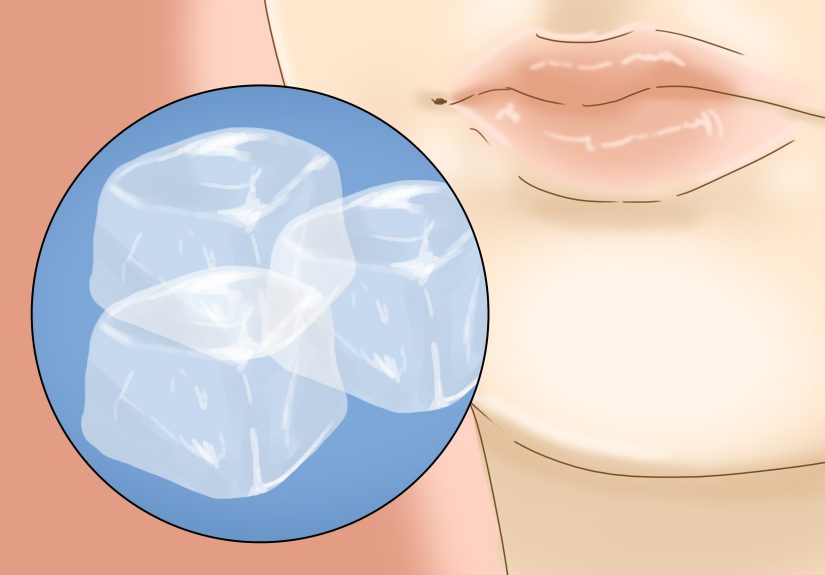
One of the simplest ways to swallow bitter medicine is to prepare your mouth before the medicine arrives. You can take a sip of cold water, suck briefly on an ice chip, or eat a small spoonful of applesauce, pudding, yogurt, honey, or syrup if that food is safe with your medicine.
The goal is not to host a dessert party. The goal is to coat the tongue so the bitter flavor has less direct contact with the taste buds. For liquid medicine, a small amount of something sweet or smooth before the dose may reduce the first bitter shock. For pills, a soft food like applesauce may help the pill slide down more easily.
However, never hide medicine in a full bowl of food unless you are sure the entire amount will be eaten. If only half the bowl gets finished, only half the dose may be taken. That is not a cute snack problem; that is a dosing problem.
Step 4: Use the “Small Amount” Mixing Method Safely
If a pharmacist says your medicine can be mixed with food or drink, use a very small amount. Think one spoonful of applesauce, pudding, jam, chocolate syrup, or another compatible soft foodnot a giant smoothie, not a full glass of juice, and definitely not a mystery kitchen potion called “whatever was in the fridge.”
Mixing medicine into a small amount helps make sure the full dose is swallowed. After taking it, follow with water unless your instructions say otherwise. Water is usually the safest drink for swallowing medicine because it has fewer interaction concerns than juice, soda, milk, tea, or coffee.
Some bitter medicines are better followed by a “chaser” instead of mixed in. A chaser is a quick sip or bite taken right after the medicine to clear the flavor. For example, after swallowing a bitter liquid, you might drink water or take a small bite of applesauce if allowed. The medicine goes down first; the taste-bud rescue team follows immediately.
Step 5: Position Pills Correctly Before Swallowing
For tablets and capsules, technique matters. Many people make pill swallowing harder by tossing the pill toward the back of the throat, tipping the head far back, or trying to swallow with barely any water. That can make the pill feel stuck and increase panic.
Start with a sip of water to moisten your mouth and throat. Place the pill on your tongue. Take another generous sip of water and swallow smoothly. For most tablets, keeping your head in a neutral position or slightly forward may feel easier than leaning far back.
Capsules can sometimes float in water, so some people find the “lean-forward” method helpful: place the capsule on your tongue, take a sip of water, tilt your chin slightly toward your chest, and swallow. The capsule floats toward the back of the throat, making it easier to send it down. The move is smallmore polite nod than dramatic bow.
Step 6: Take One Pill at a Time
If you have several pills to take, do not stack them like you are building a tiny pharmacy sandwich. Take one pill at a time, especially if any are large, rough, chalky, or bitter. This reduces choking risk and makes it easier to notice if one pill feels stuck.
Begin with the easiest pill first if your schedule allows it. Swallowing a small, smooth pill can build confidence before tackling the larger or more bitter one. Keep water nearby and stay upright while taking medicine. Lying down immediately after swallowing pills can increase the chance of throat or esophagus irritation, especially with certain medications.
If a pill repeatedly gets stuck, feels painful, or causes coughing, do not keep forcing it the same way. Ask your pharmacist whether the medicine comes in a smaller tablet, liquid, chewable, dissolvable, capsule, or different formulation.
Step 7: Ask About Flavoring or Alternative Forms
Pharmacists are the unsung heroes of bitter medicine survival. Many pharmacies can add flavoring to certain liquid medicines, especially pediatric prescriptions. Common flavor options may include grape, cherry, bubblegum, watermelon, or other stronger flavors that help mask bitterness.
Flavoring does not work for every medication, and some medicines should not be mixed with flavor additives. Still, it is worth asking. A pharmacist may also suggest a different version of the same medicine, such as a capsule instead of a liquid, a liquid instead of a tablet, or a smaller pill size.
If you struggle with swallowing pills in general, say so clearly. Do not quietly suffer and then skip doses. Healthcare providers can often adjust the plan. The best medicine is the one you can take correctly and consistently.
Step 8: Build a Calm, Repeatable Routine
Bitterness feels worse when you are tense. If you approach every dose like a boss battle, your mouth, throat, and stomach may all join the rebellion. A calm routine makes the process more predictable.
Set up everything first: medicine, measuring device, water, approved chaser, tissue, and a timer if needed. Take a slow breath. Count down if it helps: “Three, two, one, swallow.” Then immediately follow your planned chaser or water sip.
For children or anyone who feels anxious, control helps. Let the person choose the approved chaser flavor, the cup, or the countdown style. Tiny choices can reduce resistance. For adults, the same principle applies. A consistent routine turns “I hate this” into “I know exactly how to get this over with.”
What Not to Do When Medicine Tastes Bitter
Do Not Crush Pills Without Permission
Some pills are extended-release, delayed-release, enteric-coated, or specially designed to dissolve slowly. Crushing them can release too much medicine too quickly, reduce effectiveness, or irritate the mouth, throat, or stomach. If the pill tastes bitter after being crushed, that may also be a clue that it was never meant to be crushed in the first place.
Do Not Mix Medicine With a Large Meal
Mixing bitter medicine into a full bowl of oatmeal, soup, ice cream, or yogurt can backfire. If the person does not finish every bite, the dose is incomplete. Use the smallest amount possible only when mixing is approved.
Do Not Use Random Drinks
Water is usually the safest option. Juice, milk, soda, coffee, tea, energy drinks, and alcohol can interact with certain medicines or change how they are absorbed. If you want to use a flavored drink as a chaser, ask your pharmacist first.
Do Not Dry-Swallow Pills
Dry-swallowing may seem faster, but it can make pills stick in the throat or esophagus. This can cause irritation, pain, or injury. Use enough water and stay upright after taking pills unless your doctor gives different instructions.
Helpful Examples for Bitter Medicine Problems
Example 1: Bitter Liquid Antibiotic
Shake the bottle if instructed. Measure the dose with the provided syringe. If allowed, chill the medicine. Take a spoonful of applesauce first, swallow the medicine quickly, then follow with water or an approved sweet chaser. Clean the syringe afterward so tomorrow’s dose does not come with yesterday’s sticky evidence.
Example 2: Large Bitter Tablet
Ask whether the tablet can be split. If yes, use a proper pill splitter, not a kitchen knife and optimism. Take one piece at a time with plenty of water or a small spoonful of applesauce if approved. If the tablet cannot be split or crushed, ask about another form.
Example 3: Capsule With an Aftertaste
Take a sip of water first. Place the capsule on your tongue. Take another sip, lean your head slightly forward, and swallow. Follow with more water. If the aftertaste lingers, use an approved chaser or brush your teeth after the medicine is safely swallowed.
How to Help Children Swallow Bitter Medicine
Children often have a stronger reaction to bitter flavors than adults, and the battle can become emotional fast. The best approach is calm, honest, and simple. Avoid saying, “This tastes like candy,” if it absolutely does not. Children remember betrayal, especially grape-flavored betrayal.
Instead, say something like, “This medicine tastes strong, but it helps your body. We will take it quickly, then you can have your water.” Give limited choices: “Do you want applesauce or water after?” “Do you want to count down or should I?” Choices make children feel involved without turning the dose into a negotiation summit.
For babies or young children, a dosing syringe can help place liquid medicine inside the cheek rather than directly on the tongue. Go slowly enough to prevent coughing or gagging. Never force medicine into the mouth of a resisting child in a way that could cause choking. If every dose becomes impossible, call the pediatrician or pharmacist for alternatives.
When to Call a Doctor or Pharmacist
Call a healthcare professional if medicine causes vomiting, choking, rash, swelling, breathing trouble, severe stomach pain, chest pain, painful swallowing, or a feeling that a pill is stuck. Also ask for help if bitterness is causing missed doses. Skipping medicine can make infections harder to treat, symptoms harder to control, or treatment less effective.
You should also ask before changing how you take medicine if you are pregnant, caring for a child, taking multiple prescriptions, using supplements, or managing a chronic condition. Medication safety is not about being nervous; it is about being accurate.
Extra Experience-Based Tips for Swallowing Bitter Medicine
After dealing with bitter medicine a few times, most people discover that the flavor is only half the problem. The other half is anticipation. The moment you see the bottle or tablet, your brain replays yesterday’s awful taste like a tiny horror movie. That expectation can make the medicine seem even worse before it touches your tongue.
One practical experience-based trick is to separate preparation from swallowing. Do not stand there staring at the medicine for five minutes like it owes you money. Set up the dose, place your water and chaser nearby, take one breath, and do it. The longer you negotiate with yourself, the more dramatic the whole event becomes.
Another helpful habit is creating a “medicine station.” Keep a clean dosing syringe, water bottle, approved chaser, napkin, and small checklist together. This is especially useful for short treatment courses like antibiotics, where missing doses can happen when life gets busy. A visible checklist also gives a satisfying little victory moment after each dose. Bitter medicine may win the taste contest, but you win the checkbox contest.
For liquid medicine, the fastest route is usually best. Letting it sit in your mouth is like giving bitterness a microphone. Measure accurately, place the medicine toward the inside of the cheek if appropriate, swallow, and follow quickly with water or an approved chaser. Some people find that plugging the nose briefly helps reduce flavor perception because smell plays a major role in taste. Just remember to swallow safely and breathe normally afterward.
For pills, confidence grows with practice. Some people practice swallowing tiny candies or small pieces of soft food with water, but this should be done carefully and never with young children without guidance. The idea is to teach the throat that swallowing a small solid object with water is normal. Once the fear decreases, the pill often feels less intimidating.
Texture also matters. A pill in a spoonful of pudding or applesauce may feel less sharp and less noticeable than a pill floating around in the mouth. The smooth texture gives the tongue something familiar to focus on while the pill slides down. Still, this should only be done when the medicine can safely be taken with food.
If bitterness lingers, rinse your mouth with water after the dose. Brushing your teeth may help, but avoid brushing immediately after acidic drinks because enamel can be temporarily softened. A simple water rinse is usually enough to clear the worst aftertaste. Sugar-free gum or a mint may help later if allowed and age-appropriate.
The biggest lesson from real-world experience is this: do not suffer silently. People often assume bitter medicine is just something they must endure, but pharmacists solve this problem every day. They can check whether the medicine can be flavored, chilled, mixed, split, crushed, changed, or taken with a specific food. Sometimes the solution is surprisingly simple.
Finally, give yourself credit. Taking medicine you dislike is still responsible behavior. It is not silly to hate the taste, and it is not weak to need a strategy. Bitter medicine is annoying, but with a routine, a safe chaser, enough water, and a little planning, it becomes much less powerful. Your taste buds may still complain, but they do not get voting rights.
Conclusion
Learning how to swallow bitter medicine is mostly about preparation, safety, and speed. Read the label first, ask before crushing or mixing, use water generously, try approved taste-masking methods, and build a calm routine. Bitter medicine may never become your favorite part of the day, but it can become a quick, manageable task instead of a full dramatic production.
When in doubt, ask a pharmacist or healthcare provider. They can help you find the safest way to take your medicine without reducing its effectiveness. Your goal is simple: get the right dose into your body, keep your taste buds from overreacting, and move on with your life like the medicine-swallowing champion you are.
Note: This article is for general educational purposes only. Always follow your prescription label, over-the-counter Drug Facts label, or healthcare provider’s instructions before changing how you take any medicine.