Table of Contents >> Show >> Hide
- Why Baby Potatoes Are Perfect for Roasting
- Ingredients You Need
- How to Roast Baby Potatoes: 13 Steps
- Step 1: Choose firm, evenly sized baby potatoes
- Step 2: Wash and scrub the potatoes
- Step 3: Dry them very well
- Step 4: Cut the potatoes in half
- Step 5: Preheat the oven to 425°F
- Step 6: Use a large enough baking sheet
- Step 7: Toss with oil
- Step 8: Season generously
- Step 9: Arrange cut-side down
- Step 10: Roast without disturbing at first
- Step 11: Flip and continue roasting
- Step 12: Finish with fresh flavor
- Step 13: Serve hot
- Optional Step: Should You Parboil Baby Potatoes First?
- Best Seasoning Ideas for Roasted Baby Potatoes
- Common Mistakes to Avoid
- How to Store and Reheat Roasted Baby Potatoes
- What to Serve with Roasted Baby Potatoes
- Experience Notes: What I’ve Learned from Roasting Baby Potatoes
- Conclusion
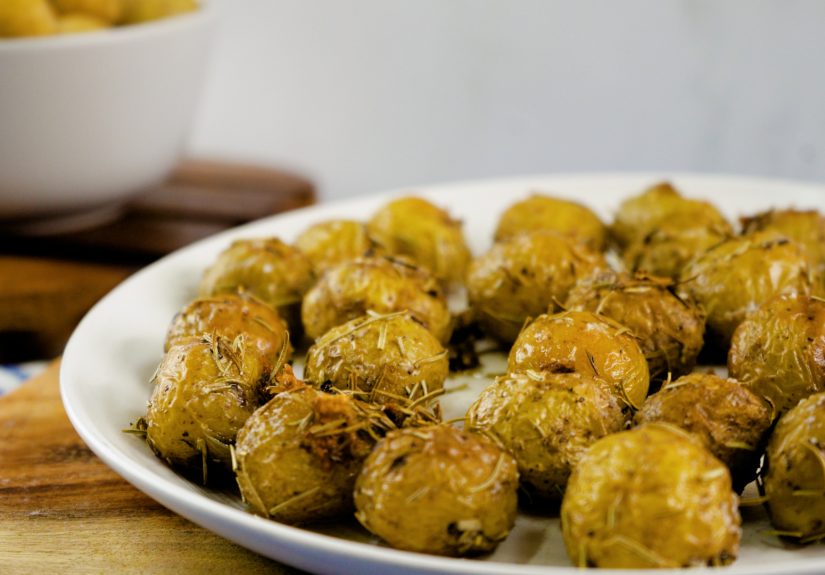
Roasted baby potatoes are proof that the best side dishes do not need a dramatic backstory, a culinary degree, or a shopping list longer than a CVS receipt. Give these little potatoes olive oil, salt, heat, and enough space on a sheet pan, and they transform into golden, crispy, creamy-centered bites that make dinner feel suspiciously well organized.
If you have ever wondered how to roast baby potatoes so they turn out crisp instead of soggy, flavorful instead of bland, and tender without becoming sad potato pebbles, you are in the right kitchen. This guide breaks the process into 13 simple steps, with practical tips for seasoning, oven temperature, cutting, roasting time, storage, and serving. Whether you are making weeknight chicken, grilled steak, baked salmon, scrambled eggs, or a “standing at the counter eating potatoes with a fork” kind of dinner, this recipe has your back.
Why Baby Potatoes Are Perfect for Roasting
Baby potatoes, also called mini potatoes, new potatoes, or creamer potatoes, are small, thin-skinned potatoes harvested before they grow large and starchy. Their biggest advantage is texture. The skin crisps beautifully in the oven, while the inside stays creamy and tender. Because they are small, they cook faster than larger russet or baking potatoes, and they do not require peeling. That means less prep, less waste, and fewer moments of staring at a cutting board wondering why dinner takes so long.
Another reason roasted baby potatoes are so popular is their flexibility. Red, yellow, gold, and mixed-color baby potatoes all roast well. Yellow baby potatoes tend to be buttery and smooth, red baby potatoes hold their shape nicely, and purple potatoes add color and a slightly earthy flavor. A mixed bag gives you a pan that looks fancy even if your biggest effort was remembering to preheat the oven.
Ingredients You Need
To make classic oven-roasted baby potatoes, you only need a few ingredients:
- 1 1/2 pounds baby potatoes
- 2 to 3 tablespoons olive oil
- 1 teaspoon kosher salt, plus more to taste
- 1/2 teaspoon black pepper
- 1 teaspoon garlic powder or 3 minced garlic cloves
- 1 teaspoon dried rosemary, thyme, Italian seasoning, or chopped fresh herbs
- Optional: grated Parmesan, smoked paprika, lemon zest, parsley, chives, or red pepper flakes
You will also need a rimmed baking sheet, a large mixing bowl, a sharp knife, paper towels or a clean kitchen towel, and a spatula. A rimmed baking sheet is important because it gives potatoes room to brown while keeping oil from sliding into the oven and creating the kind of smoky kitchen drama nobody ordered.
How to Roast Baby Potatoes: 13 Steps
Step 1: Choose firm, evenly sized baby potatoes
Start with potatoes that feel firm and have smooth, unwrinkled skins. Avoid potatoes with soft spots, deep bruises, mold, or a strong musty smell. If some potatoes are much larger than others, cut the larger ones into smaller pieces so everything cooks at roughly the same speed. Even sizing is one of the quiet secrets behind crispy roasted potatoes.
Step 2: Wash and scrub the potatoes
Because baby potatoes have thin skins, you do not need to peel them. In fact, please do not. The skins add flavor, texture, color, and crisp edges. Rinse the potatoes under cool running water and gently scrub away any dirt. Potatoes grow underground, which is charming in a farm-to-table way and less charming when grit ends up in your dinner.
Step 3: Dry them very well
After washing, dry the potatoes thoroughly with a clean towel. This step matters more than people think. Water creates steam, and steam is the enemy of crispiness. If the potatoes go into the oven wet, they are more likely to soften before they brown. Dry potatoes roast; damp potatoes sulk.
Step 4: Cut the potatoes in half
For the best texture, cut most baby potatoes in half. If they are tiny, you can leave them whole. If they are larger, quarter them. Cutting creates flat surfaces, and those flat sides can sit directly on the hot pan, developing deep golden browning. That browned surface is where the flavor lives.
Step 5: Preheat the oven to 425°F
A hot oven is essential for roasted baby potatoes. A temperature of 425°F gives you a good balance: hot enough to crisp the outside, but not so aggressive that the potatoes burn before the centers become tender. If your oven runs cool, 450°F may work better. If you use convection, check early because circulating air can brown food faster.
Step 6: Use a large enough baking sheet
Choose a baking sheet large enough to hold the potatoes in a single layer with a little breathing room. Crowding is one of the most common reasons roasted potatoes turn out soft. When potatoes are packed tightly, moisture gets trapped, and the pan behaves more like a sauna than a roasting surface. Delicious potatoes do not want a spa day; they want direct heat.
Step 7: Toss with oil
Place the potatoes in a bowl and add olive oil. Use enough oil to lightly coat every piece, but not so much that the potatoes swim. For 1 1/2 pounds of baby potatoes, 2 to 3 tablespoons is usually plenty. Oil helps transfer heat, encourages browning, and gives seasonings something to cling to.
Step 8: Season generously
Add kosher salt, black pepper, garlic powder, and herbs. Rosemary and thyme are classic choices because they pair beautifully with potatoes and become fragrant in the oven. Garlic powder is useful because it coats evenly and is less likely to burn than fresh garlic. If you prefer fresh garlic, add it during the last 10 to 15 minutes of roasting or toss it with enough oil to protect it from scorching.
Step 9: Arrange cut-side down
Spread the potatoes on the baking sheet in a single layer. For maximum browning, place the cut sides down against the pan. This small move makes a big difference. The cut surface gets direct contact with the hot metal, creating a crisp, golden crust. It is the potato version of a perfect handshake.
Step 10: Roast without disturbing at first
Place the baking sheet in the oven and roast for about 20 minutes before flipping. Leaving the potatoes alone at the beginning helps the cut sides brown properly. If you move them too early, they may stick or tear before the crust forms. Patience is not always fun, but here it pays in crispy dividends.
Step 11: Flip and continue roasting
After 20 minutes, use a spatula to turn the potatoes. Continue roasting for another 10 to 20 minutes, depending on size. Most halved baby potatoes take 30 to 40 minutes total. They are done when the edges are browned, the skins look slightly wrinkled, and a fork slides easily into the center.
Step 12: Finish with fresh flavor
Once the potatoes come out of the oven, taste and adjust the seasoning. A sprinkle of flaky salt, fresh parsley, chives, lemon zest, or grated Parmesan can make them taste brighter and more complete. Add delicate ingredients after roasting so they stay fresh instead of turning bitter or burnt.
Step 13: Serve hot
Roasted baby potatoes are best served hot from the oven, when the outside is crisp and the inside is steamy and creamy. Transfer them to a serving bowl or pile them directly onto plates. If someone steals one before dinner, consider it quality control.
Optional Step: Should You Parboil Baby Potatoes First?
You do not have to parboil baby potatoes before roasting, but it can make them extra crispy. Parboiling means simmering the potatoes briefly until the outside begins to soften, then draining and drying them before roasting. When you toss parboiled potatoes, the edges rough up slightly, creating more surface area for browning.
This technique is especially useful if you want ultra-crispy roasted potatoes with fluffy centers. However, for a fast weeknight side dish, roasting raw halved baby potatoes works beautifully. Choose the method based on your mood. If you want easy, roast them directly. If you want restaurant-style crispiness and have a little extra time, parboil first.
Best Seasoning Ideas for Roasted Baby Potatoes
Classic garlic and herb potatoes never fail, but baby potatoes are happy to wear many flavor outfits. Try these combinations:
- Garlic Parmesan: Garlic powder, black pepper, Parmesan, and parsley.
- Lemon Herb: Olive oil, rosemary, thyme, lemon zest, and fresh parsley.
- Smoky Paprika: Smoked paprika, garlic powder, onion powder, and a pinch of cayenne.
- Ranch Style: Dill, parsley, garlic powder, onion powder, salt, and pepper.
- Spicy Chili: Chili powder, cumin, paprika, and red pepper flakes.
- Breakfast Potatoes: Paprika, onion powder, garlic powder, pepper, and chopped green onions.
The key is balance. Potatoes need salt, fat, and heat. Herbs and spices are supporting actors. Let them add personality without burying the naturally buttery flavor of the potatoes.
Common Mistakes to Avoid
Using too little oil
Without enough oil, the potatoes can dry out before they crisp. They do not need to be greasy, but every piece should have a light coating.
Crowding the pan
This is the big one. If the potatoes overlap, they steam. Use two pans if needed. Your potatoes deserve personal space, just like everyone at a family reunion.
Skipping the drying step
Moisture slows browning. Drying the potatoes after washing gives them a better chance to crisp.
Adding fresh garlic too early
Fresh garlic can burn in a hot oven. Use garlic powder at the beginning or add minced garlic near the end.
Not tasting before serving
Potatoes absorb seasoning. A final pinch of salt or squeeze of lemon can turn good potatoes into “Who made these?” potatoes.
How to Store and Reheat Roasted Baby Potatoes
Let leftovers cool slightly, then refrigerate them in an airtight container within two hours. Properly stored roasted potatoes usually keep well for 3 to 4 days. For the best texture, reheat them in a 400°F oven or air fryer until hot and crisp again. The microwave works if you are in a hurry, but it softens the crispy edges.
If you roasted potatoes with foil, do not store them tightly wrapped in foil after cooking. Transfer leftovers to a container and refrigerate them promptly. Safe storage is not glamorous, but neither is regretting lunch.
What to Serve with Roasted Baby Potatoes
Roasted baby potatoes are one of those side dishes that get along with almost everyone. Serve them with roast chicken, grilled steak, pork chops, baked salmon, turkey meatballs, veggie burgers, or fried eggs. They also work well in grain bowls, breakfast hash, sheet-pan dinners, and warm salads.
For a simple dinner, pair them with a protein and something green. Think lemon chicken, roasted baby potatoes, and green beans. Or salmon, potatoes, and a cucumber salad. Or a big omelet with leftover potatoes folded inside. There are no wrong answers here, unless the answer is “skip the potatoes,” in which case we need to talk.
Experience Notes: What I’ve Learned from Roasting Baby Potatoes
The first thing experience teaches you about roasted baby potatoes is that the recipe is simple, but the details are bossy. You can use the same potatoes, the same oven, and the same ingredients, yet get different results depending on how crowded the pan is or whether the potatoes were dry before roasting. It is a humble dish, but it has standards.
One of the biggest lessons is that the baking sheet matters. A dark, sturdy sheet pan browns potatoes faster than a thin, pale pan. If your potatoes always seem pale after 35 minutes, the issue may not be you. It may be the pan, the oven, or the fact that the potatoes are sitting too close together like commuters on a Monday morning train. Giving them space is the easiest upgrade. I would rather use two pans than force one crowded pan and hope for the best.
Another practical lesson is that cut-side down is worth the tiny effort. When the flat side of a halved baby potato touches the pan, it develops a crisp, browned face that tastes almost buttery even before you add anything fancy. If you toss the potatoes onto the pan randomly, they will still cook, but the texture will be less impressive. Arranging them takes one extra minute and makes the final dish look and taste more intentional.
Seasoning is another place where experience helps. Potatoes need more salt than many beginners expect. That does not mean dumping salt on them like sidewalk ice melt, but it does mean seasoning confidently. If they taste flat after roasting, they probably need salt, acid, or both. A squeeze of lemon juice or a little lemon zest at the end wakes everything up. Fresh herbs also work best after roasting, especially parsley, chives, and dill. Dried herbs can go in before roasting, but tender fresh herbs are better as a finishing touch.
I have also learned not to underestimate leftovers. Cold roasted baby potatoes may not have the same crispness, but they are fantastic when repurposed. Slice them into a breakfast hash with onions and peppers, tuck them into a tortilla with eggs, toss them into a salad with vinaigrette, or reheat them in an air fryer until the edges come back to life. Leftover potatoes are not a problem. They are a head start.
Finally, roasted baby potatoes are forgiving enough for beginners and satisfying enough for experienced cooks. They can be rustic or elegant, plain or heavily seasoned, served with ketchup or aioli, sprinkled with Parmesan or left beautifully simple. Once you understand the core formuladry potatoes, enough oil, good seasoning, high heat, and space on the panyou can make them confidently without measuring every time. That is the best kind of recipe: reliable, flexible, and always welcome at the table.
Conclusion
Learning how to roast baby potatoes is less about complicated technique and more about respecting a few simple rules. Wash them, dry them well, cut them evenly, season them generously, spread them out, and roast them hot until golden and tender. That is the whole delicious story.
The beauty of roasted baby potatoes is that they fit almost any meal. They are easy enough for Tuesday dinner, impressive enough for guests, and versatile enough to handle garlic, herbs, Parmesan, lemon, paprika, or whatever seasoning blend is currently taking up emotional space in your pantry. With these 13 steps, you can make crispy roasted baby potatoes that are golden on the outside, creamy in the middle, and dangerously snackable straight from the pan.