Table of Contents >> Show >> Hide
- Why Blood Stains Are Tricky on Silk (and Why Heat Is the Villain)
- Before You Start: A 60-Second Silk Reality Check
- The 9 Steps: How to Remove Blood Stains from Silk Fabric
- Step 1: Blot Immediately (No Rubbing, No Drama)
- Step 2: Rinse from the Back with Cold Water
- Step 3: Soak (Only If the Label Allows Washing)
- Step 4: Use a Silk-Safe Detergent Solution
- Step 5: Try a Gentle Paste for Stubborn Spots (Baking Soda or Salt)
- Step 6: Escalate Carefully with a Silk-Appropriate Stain Remover
- Step 7: Use Hydrogen Peroxide Only with Extreme Caution (Best for White/Very Colorfast Silk)
- Step 8: Know When to Call a Pro (Especially for “Dry Clean Only” Silk)
- Step 9: Dry Correctly (Because the Dryer Is Not Your Friend)
- What NOT to Do (A Quick “Please Don’t” List)
- Silk-Specific Troubleshooting: Common Scenarios
- FAQ
- Conclusion: Clean the Stain, Save the Silk
- Real-World Experiences: What Typically Happens (and What Actually Works)
Silk is gorgeous. Silk is luxurious. Silk also has the emotional resilience of a soap-opera leadone tiny mishap and it’s ready to faint onto the nearest chaise lounge.
If that mishap happens to be a blood stain, don’t panic. Blood looks dramatic (because it is), but it’s also a very “explainable” stain once you know the rules:
keep it cold, be gentle, and don’t rush silk into doing anything it didn’t agree to on the care label.
This guide walks you through a silk-safe, realistic, and effective methodplus what to avoid so you don’t turn one stain into a permanent “modern art” installation.
We’ll focus on washable silk and also cover what to do when the label says “dry clean only.”
Why Blood Stains Are Tricky on Silk (and Why Heat Is the Villain)
Blood is a protein-based stain. When protein meets heat, it can coagulate and bind more tightly to fibersbasically “setting” the stain.
Silk is also protein-based (hello, natural fibers), so harsh chemicals and aggressive scrubbing can weaken or dull it.
That’s why the best approach is a calm, cool, gentle routine with smart spot-treatmentnot brute force.
Before You Start: A 60-Second Silk Reality Check
- Read the care label. If it says “Dry Clean Only,” treat at home only with very gentle blotting and cold-water rinsingthen consider a professional cleaner for the full removal.
- Test first. Whatever you apply (detergent, stain remover, peroxide, oxygen bleach), test on an inside seam or hem.
- Don’t rub. Blot and press. Rubbing can fuzz the fibers and dull silk’s shine.
- Keep it cold. Hot water and high heat drying are stain-setters, especially for fresh blood.
The 9 Steps: How to Remove Blood Stains from Silk Fabric
-
Step 1: Blot Immediately (No Rubbing, No Drama)
If the stain is fresh, blot gently with a clean white cloth or paper towel to absorb excess blood.
Press straight downdon’t scrub in circles like you’re polishing a bowling ball.
If there’s dried residue, gently lift it with a dull edge (like a spoon) without pulling the fabric.Pro tip: Work from the outside of the stain toward the center to avoid spreading.
-
Step 2: Rinse from the Back with Cold Water
Turn the silk so the stained area faces down and run cold water through the back of the stain.
This pushes blood out of the fibers instead of driving it deeper.
Keep the water pressure low to avoid stretching delicate silk.If it’s a structured item (like a lined blouse) and rinsing is tricky, dab cold water onto the back with a clean sponge and blot from the front.
-
Step 3: Soak (Only If the Label Allows Washing)
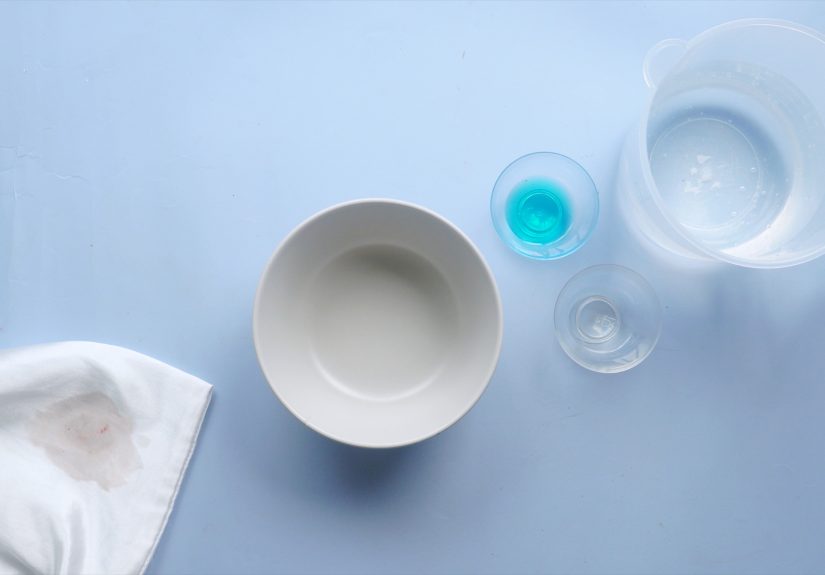
If the label indicates the silk is washable, soak the stained area in a bowl of cool water for 10–20 minutes.
This helps loosen the stain without friction. Gently swirl the water or lightly squeeze the fabricno twisting.If the stain is older or partially dried, a longer soak (up to 30 minutes) can help, but keep checking the fabric to avoid color bleed.
-
Step 4: Use a Silk-Safe Detergent Solution
Add a small amount of gentle detergent made for delicates to cool water (think “a few drops,” not “bubble bath level”).
Dip a clean white cloth or cotton swab into the solution and dab the stain.
Let it sit for 5–10 minutes so the detergent can lift proteins and oils.Then rinse with cool water to remove detergentresidue can leave rings or stiffness on silk.
-
Step 5: Try a Gentle Paste for Stubborn Spots (Baking Soda or Salt)
If you still see pink or brown shadowing, make a mild paste:
- Baking soda paste: 1 part baking soda + 2 parts cold water
- Salt paste: salt + just enough cold water to make a spreadable paste
Apply a thin layer on the stain, let it sit 15–30 minutes, then rinse thoroughly with cool water.
This can help draw out remaining discoloration without harsh chemistry.Important: If the silk is dyed or very delicate, keep the paste time shorter and test first to avoid dulling the finish.
-
Step 6: Escalate Carefully with a Silk-Appropriate Stain Remover
For lingering stains, choose a stain remover labeled safe for delicates/silk or one recommended for protein stains.
Apply sparingly, follow the product directions, and keep the contact time short.
Rinse thoroughly. Silk hates being “marinated.”Note on enzyme cleaners: They’re often effective on blood, but silk is also protein-based.
Some enzyme formulas can be too aggressive for delicate protein fibers, so use only if the product explicitly indicates it’s safe for silkand test first. -
Step 7: Use Hydrogen Peroxide Only with Extreme Caution (Best for White/Very Colorfast Silk)
Hydrogen peroxide can help lift blood discoloration, but it can also lighten dyes.
If you’re dealing with white silk or you’ve confirmed the fabric is colorfast:- Spot test in a hidden area first.
- Use a very small amount of 3% hydrogen peroxide on a cotton swab.
- Dab gently on the stain for 1–3 minutes, then rinse immediately with cool water.
If you see dye lifting, stop immediately and rinse thoroughly.
When in doubt, skip peroxide and go to Step 8 (professional help). -
Step 8: Know When to Call a Pro (Especially for “Dry Clean Only” Silk)
If the label says “Dry Clean Only,” if the stain is large, or if the item is expensive/heirloom-quality, professional cleaning is often the safest route.
You can still do the gentle first aid (blot + cold rinse), but leave stronger chemistry and full cleaning to a reputable dry cleaner.When you bring it in, mention:
what the stain is (blood), how long it’s been there, and what you already tried.
That helps the cleaner choose the best treatment. -
Step 9: Dry Correctly (Because the Dryer Is Not Your Friend)
After rinsing, press the silk between clean towels to remove waterdon’t wring.
Lay flat or hang to air dry away from direct heat and sunlight.
Check the stain before ironing or steaming. Heat can lock in any remaining discoloration.If you must iron, use the lowest setting appropriate for silk and a pressing cloth.
What NOT to Do (A Quick “Please Don’t” List)
- Don’t use hot water on fresh blood. It can set the stain.
- Don’t use chlorine bleach on silk. It can weaken fibers and cause discoloration.
- Don’t scrub or brush aggressively. Silk can lose its sheen and develop fuzzy patches.
- Don’t toss it in the dryer until the stain is fully gone.
- Don’t mix random cleaners (especially bleach + ammonia). That’s not stain removalthat’s chemistry roulette.
Silk-Specific Troubleshooting: Common Scenarios
Fresh Nosebleed on a Silk Blouse
Blot immediately, cold-rinse from the back, then dab with a tiny amount of silk-safe detergent solution.
Rinse, air dry, and re-check before any heat touches it.
Dried Blood on a Silk Pillowcase You Found “Later”
Start with a longer cool soak, then gentle detergent treatment. If a shadow remains, try a short baking soda paste session.
Reserve peroxide for white/colorfast silk only after spot testing.
Blood on Colored Silk (Scarves, Dresses, Linings)
Avoid peroxide unless you’ve tested thoroughly. Focus on cold rinsing, gentle detergent, and a delicate-fabric stain remover.
If color begins to shift, stop and consider professional cleaning.
FAQ
Does cold water really matter that much?
Yesespecially for fresh blood. Cold water helps prevent protein from bonding more tightly to fibers. It’s one of the simplest, highest-impact choices you can make.
Can I use oxygen bleach on silk?
Sometimes, for white silk and only if the product label and the garment care label allow it. Always spot test. If you’re unsure, skip it and use gentle detergent + professional help for whitening.
What if the stain is “mostly gone” but still faint?
Don’t apply heat. Repeat gentle steps: cold rinse, mild detergent dab, rinse again. If it’s still there after two or three gentle rounds, a professional cleaner is the safest escalation.
Conclusion: Clean the Stain, Save the Silk
Removing blood from silk isn’t about stronger productsit’s about smarter technique.
Go cold, go gentle, rinse thoroughly, and don’t heat-dry your way into regret.
With the 9 steps above, you can handle most blood stains safely at homeand know exactly when it’s time to bring in a pro.
Real-World Experiences: What Typically Happens (and What Actually Works)
People rarely discover a blood stain in a calm, well-lit room with unlimited time and a fully stocked laundry shelf.
It’s usually more like: “I’m late,” “this is my favorite silk thing,” and “why is life like this?”
Here are some common real-world situationsand the solutions that tend to work best without punishing your silk.
1) The “I Used Warm Water Without Thinking” Moment
One of the most common experiences is rinsing with warm water out of habit. It feels logicalwarm water cleans better, right?
But with fresh blood, that warmth can make the stain cling harder.
If that happened, the best recovery move is to stop adding heat, switch to cold rinsing, and do a longer cool soak.
Then use a gentle detergent dab and rinse thoroughly. The key is patience: multiple gentle passes are better than one aggressive attempt that roughs up the fabric.
2) The “It Looked Gone… Until It Dried” Surprise
Another classic: the stain looks lighter when wet, so you think you’ve won, then it reappears as the silk dries.
That’s normal. Water can temporarily mask remaining discoloration.
The fix is simple: air dry partially, re-check in good light, then repeat a mild detergent treatment or a short baking soda paste step.
People who succeed here usually do two short rounds instead of one long, risky round.
3) The “Colored Silk Panic” Scenario
With dyed silk (especially jewel tones), fear of color loss is realand valid.
The safest approach people report working is the “cold rinse + gentle detergent” combo, repeated carefully.
When escalation is needed, a delicates-safe stain remover used sparingly is typically safer than home-brewing stronger chemicals.
Hydrogen peroxide is the step most likely to cause regret on colored silk unless you’ve spot tested and confirmed colorfastness.
4) The “Hotel Silk Pillowcase” or “Travel Emergency” Problem
Travel situations are messy: no proper supplies, questionable lighting, and the temptation to rub because you’re stressed.
What tends to work best in emergencies is basic first aid:
blot, cold water rinse (even bottled water helps if it’s the only option), and a tiny amount of mild soap if available.
Then: stop. Let it air dry and do the full treatment at home.
People who keep going with whatever products are under the sink (hello, harsh bathroom cleaners) often make the stain worseor damage the finish.
5) The “I Inherited This Silk” High-Stakes Situation
With vintage, heirloom, or sentimental silk, the experience is usually less “quick DIY” and more “I cannot mess this up.”
In those cases, the smartest pattern is: gentle blot, cold rinse if safe, minimal handling, and professional cleaning sooner rather than later.
If you’ve ever seen silk develop shiny abrasion marks from over-rubbing, you know why.
The wins here come from restraint and good communication with a cleaner (tell them it’s blood, how old, and what you tried).
Bottom line: most successful silk stain stories have the same themecold water, gentle technique, and a willingness to repeat mild steps instead of escalating fast.
Silk may be dramatic, but it also responds beautifully when you treat it like the luxury fiber it is.