Table of Contents >> Show >> Hide
- What Is an ECG, and Why Does Preparation Matter?
- How to Prepare for an ECG: 8 Steps
- 1. Confirm what kind of ECG you’re having
- 2. Tell your healthcare team about your medications, supplements, and devices
- 3. Skip lotions, oils, and creams on the day of the test
- 4. Wear clothing that is easy to remove and easy to relax in
- 5. Remove jewelry and be ready for a little skin prep
- 6. Avoid rushing, heavy exercise, and last-minute chaos right before a resting ECG
- 7. Bring a quick summary of your symptoms and heart history
- 8. Know what happens during the test so you don’t overthink it
- Common Mistakes to Avoid Before an ECG
- What to Expect After a Resting ECG
- Experiences People Commonly Have When Preparing for an ECG
- Conclusion
If you have an ECG on the calendar, take a deep breath. No, really. This is one of those rare medical appointments that is usually quick, painless, and far less dramatic than your brain may have suggested at 2 a.m. An electrocardiogram, also called an ECG or EKG, records the electrical activity of your heart. It helps clinicians check rhythm, rate, and signs that may point to heart strain or other issues. In plain English: tiny stickers, a few wires, a short recording, and hopefully zero surprises.
Still, even simple tests go more smoothly when you know what to do beforehand. The good news is that preparing for a standard resting ECG is usually easy. The slightly more complicated news is that people often mix up a resting ECG with a stress ECG, Holter monitor, or other heart tests that do have extra rules. That confusion can turn a basic appointment into a last-minute scramble featuring panic-Googling, an over-caffeinated commute, and a shirt that suddenly feels medically inappropriate.
This guide walks you through exactly how to prepare for an ECG in eight practical steps, plus what to expect during the test, mistakes to avoid, and real-life experiences people commonly have before and after the appointment.
What Is an ECG, and Why Does Preparation Matter?
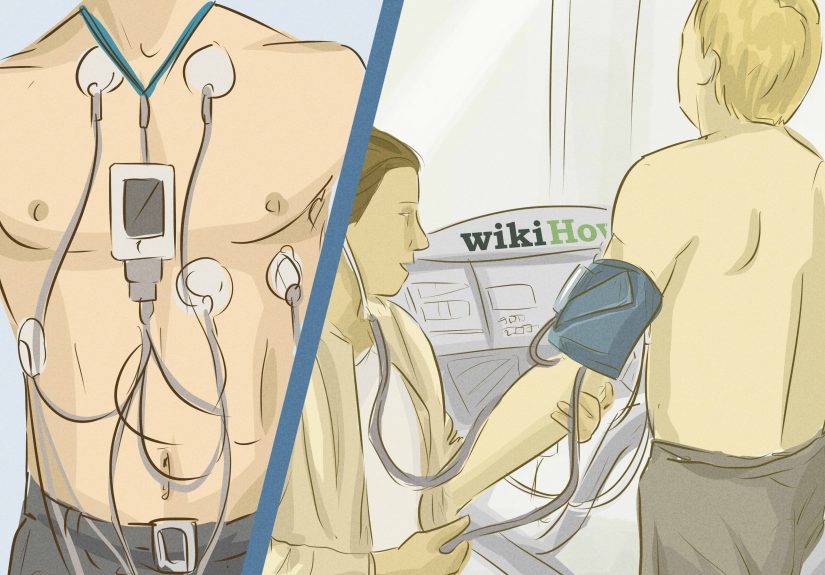
An ECG is a fast test that records your heart’s electrical signals through electrodes placed on your chest and usually your arms and legs. It does not send electricity into your body. It simply records what your heart is already doing. Most resting ECGs take only a few minutes, and the actual recording can be over in seconds.
So why prepare at all? Because the small details matter. Oily lotion can keep electrodes from sticking well. Heavy exercise right before the test can affect your heart rate. Missing medication information can make a tracing harder to interpret. And if you arrive dressed like you are heading to a winter wedding rather than a heart test, you may spend more time untangling layers than actually doing the ECG.
Preparation is less about “studying” for the test and more about removing avoidable hiccups so the results are clear and the appointment stays stress-free.
How to Prepare for an ECG: 8 Steps
1. Confirm what kind of ECG you’re having
This is the most important first step because not every “heart test with stickers” follows the same rules. A standard resting ECG usually requires little or no special preparation. You can often eat and drink normally unless your clinician tells you otherwise.
But if your appointment is for an exercise stress ECG, a Holter monitor, or an event monitor, your prep may change. Stress testing may involve instructions about caffeine, smoking, meals, exercise clothes, and whether to take certain medications before the test. Portable monitors may come with instructions about showering, symptom diaries, and how to keep electrodes attached for longer.
So before your appointment, check the exact name of the test on your paperwork or patient portal. “ECG” and “stress test” are not twins. They are more like cousins who look similar in old family photos and cause chaos at reunions.
2. Tell your healthcare team about your medications, supplements, and devices
Even though a routine ECG is simple, your clinician still needs context. Make a list of your prescription drugs, over-the-counter medicines, vitamins, supplements, and anything you use regularly, including inhalers. Some medications can affect heart rhythm or the way the tracing looks, so this information matters.
You should also mention if you have a pacemaker or another implanted heart device, any known allergy or skin sensitivity to adhesives, and whether chest hair removal has caused skin irritation before. None of this means you cannot have the test. It just helps the team interpret results and make the experience more comfortable.
A smart move is to bring a written medication list instead of trusting your memory. The human brain is wonderful, but it tends to forget medication names the moment someone in scrubs says, “What do you take every day?”
3. Skip lotions, oils, and creams on the day of the test
If you remember only one practical prep tip, make it this one: don’t apply lotion, oil, or greasy skin products to your chest on the day of your ECG. These products can interfere with electrode adhesion and make it harder to get a clean recording.
That means body oils, chest creams, thick moisturizers, and the extra-glowy skin products that make you look fantastic in sunlight but less cooperative in cardiology. Clean, dry skin gives the stickers a better chance of staying put and doing their job.
If you accidentally used lotion, don’t panic. The clinic can often clean the area first. But skipping it from the start makes everything easier.
4. Wear clothing that is easy to remove and easy to relax in
For a resting ECG, you’ll usually need access to your chest, and sometimes your arms and lower legs. Choose clothes that are simple to remove or adjust. A two-piece outfit works better than a complicated one-piece situation. A shirt that comes off easily is ideal. Avoid anything that turns basic changing into a puzzle box.
Some centers also recommend avoiding full-length tights or anything that blocks easy access to your legs, because electrodes may be placed there too. You may be given a gown or drape for privacy, but practical clothing still makes the appointment faster and less awkward.
If your ECG is part of a stress test, comfortable walking shoes and exercise-friendly clothing may be recommended. Again, this is why Step 1 matters so much.
5. Remove jewelry and be ready for a little skin prep
Before the ECG starts, you may be asked to remove jewelry, a watch, or other objects that could interfere with the test. It’s easiest to leave nonessential accessories at home. The fewer things you have to stash in your pockets while half-wearing a gown, the better.
You should also know that the technician may clean your skin and clip or shave small areas of hair if needed so the electrodes stick properly. This is normal and not a sign that your chest has done anything wrong. It is simply a practical step to improve the recording.
If you have sensitive skin, let the team know. Mild irritation from the adhesive can happen, though the test itself is not painful.
6. Avoid rushing, heavy exercise, and last-minute chaos right before a resting ECG
For a standard resting ECG, try to arrive a little early and give yourself a minute to settle down. You will usually be asked to lie still and relax during the test, and that’s easier if you did not sprint from the parking lot carrying a giant iced coffee and an emotional support tote bag.
Some medical sources note that intense exercise immediately before a resting ECG can affect results. The goal is to capture your heart’s activity at rest, not after a cardio workout you didn’t mean to do. If possible, avoid heavy exertion just before the test unless your clinician says otherwise.
For a stress ECG, of course, exercise is the point. But for a routine resting ECG, calm is your friend.
7. Bring a quick summary of your symptoms and heart history
An ECG is only one piece of the bigger picture. Your clinician may also want to know why you’re having it. Before the appointment, jot down any symptoms you’ve been having, such as chest discomfort, palpitations, dizziness, shortness of breath, fainting, unusual fatigue, or episodes that seem to happen during exercise or at night.
Also note when symptoms started, how long they last, what seems to trigger them, and whether they come with anything else, like nausea or sweating. If heart disease runs in your family or you’ve had previous ECGs, it helps to mention that too.
This small prep step can make your appointment much more useful. A perfect tracing is helpful. A perfect tracing plus a clear symptom history is even better.
8. Know what happens during the test so you don’t overthink it
A lot of ECG anxiety comes from not knowing what the appointment will feel like. Here’s the usual routine: you’ll lie on an exam table, electrodes will be attached to your skin, wires will connect those electrodes to the machine, and you’ll be asked to stay still and avoid talking for a short time while the tracing is recorded.
The test is painless. You may feel the stickers on your skin and maybe a little chill from the room or cleansing prep, but the ECG itself does not shock you, zap you, or do anything dramatic. Afterward, the electrodes are removed, and you can usually go right back to normal activities unless your care team says otherwise.
Sometimes the hardest part is simply lying still while trying not to think too hard about your heartbeat, which is unfortunately the exact moment many people become suddenly aware that they have been alive this whole time.
Common Mistakes to Avoid Before an ECG
Most ECG prep mistakes are small but very fixable. The first is assuming all heart tests have identical instructions. They don’t. A resting ECG is not the same as a treadmill stress test. The second is using lotion or oil on the chest, which can keep electrodes from sticking well. The third is forgetting to mention medications or implanted devices. The fourth is wearing clothes that are difficult to change out of.
Another common mistake is arriving flustered and trying to push through the appointment while stressed, overheated, and out of breath. Give yourself a buffer. Your heart already has enough to do.
What to Expect After a Resting ECG
After a routine resting ECG, there is usually no recovery time. You can typically go back to work, drive home, eat lunch, answer emails, and continue your day as usual. The most you might notice is brief skin irritation where the stickers were removed.
Results may be reviewed right away or later by a clinician, depending on where you have the test done. An ECG can reveal useful clues, but it is not the final word on every heart symptom. A normal ECG does not automatically explain every episode of palpitations or chest discomfort, especially if symptoms come and go. In some cases, a clinician may recommend additional monitoring or other tests.
That is why good preparation matters: it helps make sure the tracing they get is worth reading.
Experiences People Commonly Have When Preparing for an ECG
One of the most relatable parts of getting an ECG is how ordinary the whole thing feels once you are actually there. Before the appointment, people often imagine a large machine, a complicated setup, or some kind of dramatic hospital moment. Then they arrive and discover the test is surprisingly low-key. A technician explains the process, asks a few questions, places the electrodes, and within minutes the whole thing is nearly over. Many people leave thinking, “That was it?” In the world of medical testing, that is practically a standing ovation.
A very common experience is worrying more about the reason for the ECG than the test itself. Someone might be getting checked after palpitations, chest discomfort, dizziness, or a pre-op exam, so the mind starts doing acrobatics. The appointment can feel loaded with meaning. But the test itself is usually calm, quiet, and straightforward. Knowing that ahead of time helps people separate the emotional stress from the actual procedure.
Another common experience is mild self-consciousness. People worry about removing clothing from the waist up, having stickers placed on the chest, or needing a small patch of hair clipped. That reaction is normal. The reassuring part is that technicians do this all day, every day. To them, your chest is not a plot twist. It is a work surface.
Many patients also notice that the hardest instruction is the simplest one: lie still and don’t talk. The second someone is told not to move, the urge to cough, shift position, ask a question, or make a joke can become almost heroic. But the stillness only lasts a short time, and the technician will guide you through it.
Some people are surprised by how “non-eventful” the physical feeling is. There is no electric sensation, no internal pressure, and no pain from the machine itself. The only discomfort is usually from pulling off adhesive pads, especially if you have sensitive skin. In other words, the stickers may be ruder than the ECG.
There is also a practical emotional experience that comes up often: relief. Relief that the appointment finally happened. Relief that the test was easier than expected. Relief that doing one small, concrete thing for your health feels better than vague worrying. Even if follow-up is needed, many people say they feel calmer after the ECG because they have started the process of getting answers.
And then there are the people who show up having done everything exactly right: no lotion, easy shirt, medication list in hand, questions ready, five minutes early. These people deserve a tiny internal parade. Preparation does not make you dramatic. It makes the appointment smoother, faster, and more useful. That is the kind of overachieving your heart can appreciate.
Conclusion
If you are wondering how to prepare for an ECG, the short version is this: for a standard resting ECG, preparation is usually simple. Confirm the type of test, bring your medication information, skip chest lotions, wear easy clothing, remove jewelry, arrive calm, and know that the test itself is quick and painless. If your appointment is actually for a stress ECG or another heart monitor, follow the more specific instructions your healthcare team gives you.
The best preparation is not complicated. It is just thoughtful. And when it comes to heart testing, thoughtful beats frantic every time.
Note: This article is for general educational purposes only and does not replace medical advice. Always follow the instructions from your own healthcare professional, especially if you are having a stress ECG, Holter monitor, event monitor, or ECG as part of another procedure.