Table of Contents >> Show >> Hide
- Getting to Know Pasque Flower
- Best Growing Conditions for Pasque Flower
- How to Plant Pasque Flower
- Ongoing Care and Maintenance
- Growing Pasque Flower in Containers
- Propagation: Making More Pasque Flowers
- Common Problems, Pests, and Safety Notes
- Design Ideas: Where Pasque Flower Shines
- Real-World Experiences: Practical Tips for Growing Pasque Flower
- Conclusion
If you love the moment when winter finally gives way to spring, the pasque flower might become your new garden obsession. These fuzzy, bell-shaped blooms pop up while most plants are still hitting the snooze button, bringing color, texture, and just a bit of drama to rock gardens, borders, and containers. The good news? Once they’re settled in, pasque flowers are surprisingly low-maintenance. The bad news? They can be a little particular about their soil and rootsthink of them as the divas of the early-spring perennials.
This guide walks you through exactly how to plant and grow pasque flower (genus Pulsatilla) from the ground up: choosing the right spot, starting from seed or transplants, everyday care, troubleshooting, and real-world tips that gardeners learn the hard way so you don’t have to.
Getting to Know Pasque Flower
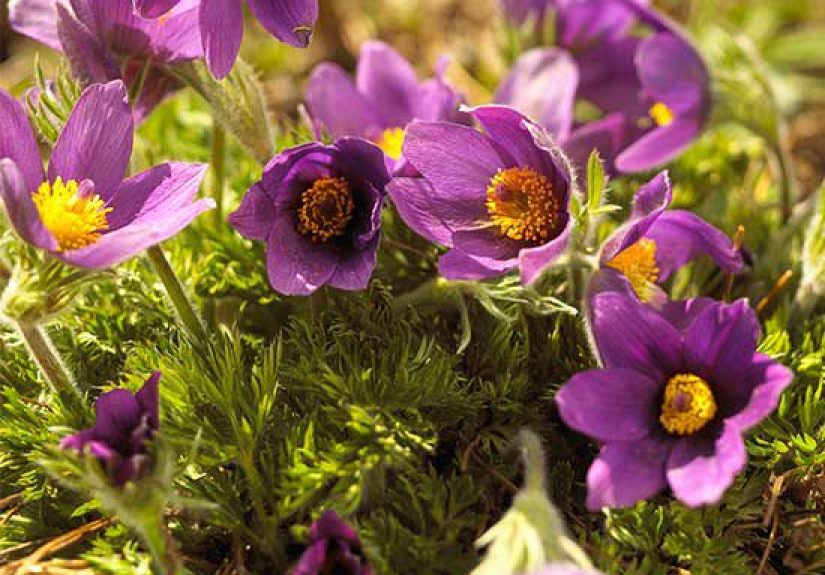
Pasque flower is a small, clump-forming perennial that typically grows around 8–12 inches tall and wide. It’s famous for its silky, hairy foliage and nodding, bell-like flowers in shades of purple, blue, pink, or white, followed by fluffy, decorative seed heads that look like miniature fireworks.
Most garden pasque flowers are varieties of Pulsatilla vulgaris, though other species like prairie pasqueflower (Pulsatilla nuttalliana) also show up in native and wildflower gardens. These plants are hardy in roughly USDA zones 4–8, depending on the species and your local climate, and they love cooler, drier conditions more than sweltering, humid summers.
In the wild, pasque flowers often grow on dry, sunny slopes, rocky outcrops, or grasslands. That gives you a big clue about how to keep them happy: bright light, good drainage, and no swampy soil. If you garden with that in mind, you’re already halfway to success.
Best Growing Conditions for Pasque Flower
Light
Pasque flowers thrive in full sun and can tolerate light or partial shade. Aim for at least six hours of direct sunlight per day, especially in cooler climates. In hotter regions with intense afternoon sun, giving them morning sun and a bit of afternoon shade can prevent stress and scorching.
Soil
Soil is where pasque flowers get picky. They need:
- Excellent drainage – sandy, gravelly, or loamy soil is ideal.
- Moderate fertility – they prefer reasonably fertile, humus-rich soil but don’t need heavy feeding.
- Neutral to slightly alkaline pH – many gardeners have success in soils with added lime or naturally calcareous conditions.
If your soil tends to stay wet or clay-heavy, amend the planting area with coarse sand, grit, or fine gravel plus compost. In very heavy clay, it’s often easier to build a raised bed or use a rock garden mound where you control the soil blend.
Water and Moisture
Pasque flowers like consistent moisture while they’re establishing and during active growth in spring, but they absolutely do not want to sit in soggy soil. Think “evenly moist but never waterlogged.” Once established, they’re moderately drought-tolerant, especially in cooler climates, but will appreciate occasional deep watering during extended dry spells.
Temperature and Hardiness
These plants are cold-hardy and actually need a period of winter chill to perform well. That’s why they shine in regions with real winters. They can struggle in climates with hot, humid summers and very mild winters, where they never quite get the dormancy they crave.
How to Plant Pasque Flower
Planting Nursery Plants or Divisions
The easiest way to get started is with a potted pasque flower from a nursery or a division from an established clump. They have one big rule: do not disturb the roots more than necessary. Pasque flowers resent being moved and often take a while to settle in after transplanting.
- Choose the location. Pick a sunny, well-drained spotrock gardens, slope edges, or the front of a border are perfect.
- Prepare the soil. Loosen the soil 8–10 inches deep. Mix in compost plus coarse sand or grit for drainage. Avoid adding heavy, rich manures.
- Dig the hole. Make a hole as deep as the pot and about twice as wide.
- Handle with care. Slide the plant out of its container, keeping the root ball as intact as possible. Don’t aggressively tease out roots unless badly root-bound.
- Set and backfill. Place the plant so the crown is at the same level it was in the pot, then backfill, firming gently to remove air pockets.
- Water in. Water thoroughly to settle the soil, then let the top inch or two of soil dry before watering again.
Transplanting is best done in early spring or early fall, when temperatures are mild and the plant can focus on root growth rather than flowering or dealing with heat stress.
Starting Pasque Flower from Seed
Growing pasque flower from seed takes patience, but it’s also rewarding and often the most reliable way to get multiple plants. Fresh seed has the highest germination rate, especially when sown soon after ripening.
Collecting and Sowing Seeds
- Timing: Seeds are typically ripe in late spring to early summer, when the feathery, dandelion-like seed heads begin to fluff out.
- Fresh is best: Collect seeds and sow them as soon as possible, or save them for fall sowing to take advantage of winter cold.
- Depth: Sow seeds on the soil surface and cover with about 1/8 inch of fine soil or sand. They need darkness, but not deep burial.
- Stratification: Many gardeners sow in late fall outdoors so seeds naturally experience cold stratification over winter and sprout in spring.
You can sow directly in a prepared outdoor seed bed or in pots/trays filled with a gritty seed-starting mix. Keep the medium consistently moist but never waterlogged. Germination can be slow and uneven, so don’t give up if nothing happens for several weeks (or longer).
Once seedlings have several true leaves, you can prick them out into individual pots. However, remember their dislike of root disturbance. Move them gently and early, and avoid excessive handling of the developing root system.
Ongoing Care and Maintenance
Watering Routine
During spring growth and bloom, water when the top inch of soil feels dry. In cooler climates, that might mean once or twice a week; in hotter or windy conditions, you may need to water more often. Focus on deep, less-frequent watering rather than quick, shallow sprinkles.
After flowering and once summer heat arrives, many pasque flowers naturally slow down or go semi-dormant. At that point, reduce watering; let the soil dry more between waterings to avoid root rot.
Fertilizing
Pasque flower is not a heavy feeder. In average garden soil enriched with compost, they often don’t need any additional fertilizer. If your soil is very poor or sandy, you can apply a light dose of a balanced, slow-release fertilizer in early spring as new growth appears.
Avoid overfeeding with high-nitrogen fertilizers, which encourages lush, floppy growth at the expense of flowers and can increase the risk of disease in poorly drained soils.
Mulching
A light mulch of fine gravel or small stones fits the rock-garden aesthetic and helps with soil moisture balance without holding too much dampness around the crown. Organic mulches (like wood chips) can work if they’re kept away from the base of the plant and the overall area still drains well.
Pruning and Deadheading
Pasque flower needs very little pruning. In early spring, remove any dead or damaged foliage to make way for fresh growth. After flowering, you have two options:
- Leave the seed heads: They’re beautiful and ornamental, plus they allow self-seeding to create small colonies over time.
- Deadhead spent blooms: If you don’t want seedlings everywhere, remove the seed heads before they ripen and float off on the breeze.
Extensive cutting back or hard pruning isn’t necessary and may stress the plant. Think minimal cleanup rather than a major haircut.
Growing Pasque Flower in Containers
Pasque flowers can be grown successfully in containers as long as you respect their drainage needs and cold requirements.
- Pot choice: Use a container with ample drainage holes. Clay or terracotta pots help excess moisture evaporate.
- Soil mix: Blend high-quality potting soil with coarse sand, perlite, or grit to mimic a gritty garden bed.
- Watering: Container plants dry out faster, so check moisture more oftenbut still avoid soggy conditions.
- Feeding: A light application of a balanced, water-soluble fertilizer once in early spring is usually enough.
- Winter care: Don’t bring the pot indoors to a warm room. Pasque flowers need a proper winter dormancy. In very cold climates, you can group pots together and protect them with mulch or place them in an unheated but sheltered area (like a cold frame or unheated garage) where they won’t freeze solid for weeks on end.
Propagation: Making More Pasque Flowers
From Seed
As mentioned, seed is the most common propagation method and often yields strong, deep-rooted plants. Keep in mind that hybrids may not come true from seed, but that can be part of the funseedlings may show different flower colors or slight variations in form.
By Division
Division is possible but should be done with great caution. Mature clumps can sometimes be divided in early spring or early fall while the plant is dormant or just waking up. Use a sharp, clean spade or knife and aim to keep each division with a good portion of root and crown intact.
After division, replant immediately in well-prepared soil and water thoroughly. Be prepared for a slow recovery period; some divisions sulk for a season before regaining vigor, and a few may not survive the disruption. Treat division as an advanced move, not routine maintenance.
Root Cuttings
Some experienced growers take root cuttings in late fall or winter, planting sections of thick root in a gritty medium and allowing them to form new crowns over time. This method is more technical but can be useful if you’re trying to propagate a specific cultivar.
Common Problems, Pests, and Safety Notes
Pests and Diseases
Pasque flowers are generally low-maintenance and relatively pest-free. Occasionally, you might see:
- Aphids clustering on new growth or flower stems. A firm spray of water or an application of insecticidal soap or neem oil usually handles them.
- Slugs and snails nibbling tender foliage in damp conditions. Hand-picking, traps, and barriers can keep damage under control.
The most serious issue is typically root rot in poorly drained or waterlogged soil. If plants suddenly wilt, yellow, or collapse despite adequate watering, check for soggy soil and black, mushy roots. Improving drainage is the real solutionfungicides rarely fix a drainage problem.
Toxicity and Handling
All parts of pasque flower are considered toxic if ingested, and the fresh sap can cause skin irritation in some people. It contains natural chemical compounds that may lead to redness, blistering, or digestive upset if mishandled or eaten.
- Wear gloves when dividing, transplanting, or heavily handling the plant.
- Keep children and pets from chewing on flowers, leaves, or seed heads.
- If you have sensitive skin, wash hands thoroughly after working around them.
Design Ideas: Where Pasque Flower Shines
Because of its compact size and love of drainage, pasque flower is a natural fit for:
- Rock gardens where it can tuck between stones and gravel.
- Sunny slopes or berms that shed excess water.
- Front-of-border plantings where early spring color is needed.
- Wildflower or prairie-style plantings when using native species like prairie pasqueflower.
Pasque flowers pair beautifully with other early spring performers like crocus, dwarf iris, hellebores, and early-flowering bulbs. Their fluffy seed heads add texture even after the flowers fade, extending their season of interest.
Real-World Experiences: Practical Tips for Growing Pasque Flower
Gardeners who fall in love with pasque flower usually have one thing in common: at some point, they killed one by being “too nice” to it. Overwatering, overfeeding, and over-fussing are the usual culprits. Here are some experience-based lessons that can save you time and heartache.
1. Treat It More Like a Rock-Garden Plant Than a Border Prima Donna
One common mistake is planting pasque flower in rich, heavy soil meant for roses or big border perennials. On paper, that sounds generous. In reality, the plant sulks. Experienced gardeners report the best success when they treat pasque flower almost like a small alpine plantgritty soil, raised or sloped areas, and no standing water.
If you’re not sure your soil drains well enough, try this simple test: dig a small hole, fill it with water, and see how long it takes to drain. If water is still sitting there after a few hours, you’ll want to amend heavily or choose another spot.
2. Be Patient with Seedlings
Pasque flower seedlings are slow. Gardeners often describe the first year as “a tuft of fuzz and not much else.” Resist the urge to move them repeatedly or pot them up too often. Each time you disturb the roots, you reset the plant’s clock a bit.
Many people find that seedlings grown in small, deep pots or cell trays with a gritty mix do best. They can then transplant them gently into their final spot after a season or two, when the root system is developed but not yet a tangled mass.
3. Don’t Panic When They Go Quiet in Summer
Another quirk: in hot summers, pasque flowers may look like they’re disappearing. The foliage can shrink back or look tired while the plant quietly rests below ground. New gardeners sometimes assume the plant is dying and either rip it out or drown it with extra water.
Instead, think of pasque flower as a spring specialist that takes a breather in the heat. As long as your soil isn’t bone-dry for weeks on end, a slightly sleepy summer plant is normal. Focus your care on spring and fall, when it’s most active.
4. Learn to Love Self-Seeders (or Take Control Early)
In the right conditions, mature pasque flowers self-seed generously. Some gardeners adore thisover a few seasons, a single plant can become a charming little colony scattered around a sunny slope. Others prefer a tidier look and get annoyed when seedlings pop up in pathways or among more formal plantings.
If you like surprises, leave the seed heads and let nature do the planting. If you prefer control, snip off seed heads once they’re past their peak fluffiness and before the seeds start drifting away. You can still collect some to sow where you actually want new plants.
5. Respect the Roots When Moving or Dividing
Experienced gardeners almost always mention the same rule: “Move it once, move it early, then leave it alone.” Transplanting an older pasque flower that’s been in the ground for years is risky. If you must move one, do it when the plant is small, or divide a younger clump, keeping as much soil around the roots as possible.
Think of pasque flower as a long-term tenant. Give it a good “apartment” at the beginningwell-drained soil, the right light, and space to spread a littleand it will happily pay rent in blooms for many years. Constantly relocating it is like asking a homebody to move apartments every few months; eventually, they just give up.
6. Enjoy the Full Life Cycle
Finally, the growers who enjoy pasque flower the most are the ones who appreciate every stage, not just the blooms. The hairy buds in late winter, the nodding flowers in early spring, the feathery seed heads in late spring and early summer, and even the soft foliage all contribute to the plant’s charm.
If you want a plant that screams color all season long, pasque flower isn’t it. But if you love subtle, seasonal changes and the thrill of those first brave flowers in spring, it can quickly become a favorite.
Conclusion
Pasque flower may look delicate, but it’s tougher than it appearsas long as you respect its simple rules: full sun (or close to it), sharp drainage, and minimal root disturbance. Give it a spot that mimics its natural, rocky grassland habitat and it will reward you with early-spring blooms, intriguing seed heads, and a surprisingly long lifespan. Whether you tuck it into a rock garden, edge a sunny border, or experiment with growing it from seed, pasque flower brings a quiet magic to the garden right when you need it mostafter a long winter and before the rest of the garden wakes up.