Table of Contents >> Show >> Hide
- Meet the Bamboo Palm (And Clear Up the Name Confusion)
- Quick Indoor Care Snapshot
- Step 1: Choose a Healthy Bamboo Palm
- Step 2: Pick the Right Pot (Drainage Is Non-Negotiable)
- Step 3: Use a Potting Mix That Drains Well (But Still Holds Some Moisture)
- Step 4: How to Plant (Pot Up) Your Bamboo Palm Indoors
- Light: Where to Put a Bamboo Palm Indoors
- Watering: The “Moist, Not Marshy” Rule
- Humidity and Temperature: Keep It Comfortable
- Fertilizing: Less “Feeding Frenzy,” More “Light Snack”
- Pruning and Grooming: What to Cut (and What to Leave Alone)
- Repotting: When (and How Often) to Move Up
- Propagation: Can You Make More Bamboo Palms?
- Troubleshooting: What Your Bamboo Palm Is Trying to Tell You
- Where Bamboo Palm Shines Indoors (Decor + Practical Placement)
- Wrapping It Up: Your Bamboo Palm Game Plan
- of Real-World “Bamboo Palm Indoors” Experiences (What People Commonly Learn)
Want a plant that looks like it should come with a tiny tiki bar and a playlist of ocean soundsyet won’t throw a tantrum if you miss a watering by a day?
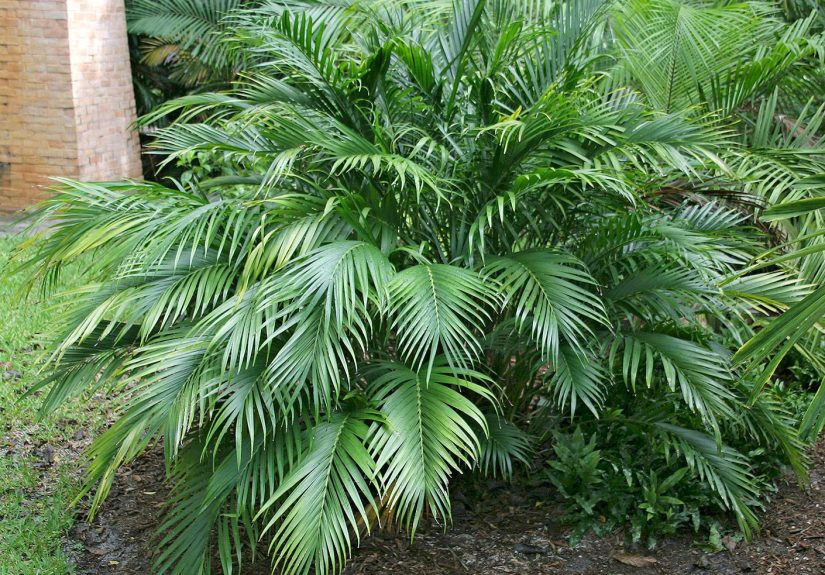
Say hello to the bamboo palm. It’s the indoor palm that’s basically the “chill friend” of houseplants: graceful, forgiving, and always dressed like it’s on vacation.
This guide walks you through how to plant and grow bamboo palm indoors, from potting it up the right way to getting the light and watering routine dialed in.
You’ll also get troubleshooting tips for brown tips, droopy fronds, and the occasional uninvited pest. (Yes, spider mites. They are tiny. They are rude.)
Meet the Bamboo Palm (And Clear Up the Name Confusion)
“Bamboo palm” is a common name that can get a little… chaotic. In the houseplant world, it often refers to
Chamaedorea seifrizii, a clumping palm with slender, cane-like stems that resemble bamboo.
Some sellers also use “bamboo palm” for close relatives in the Chamaedorea group, so check the nursery tag for the scientific name when you can.
Either way, most “bamboo palms” share the same indoor personality: they’re understory plants from tropical regions, meaning they’re happiest in
bright, indirect light and steady, gentle carenot blazing sun and extreme dryness.
Quick Indoor Care Snapshot
- Light: Medium to bright indirect light; tolerates lower light (growth slows).
- Water: Even moisture is the goalnever swampy, never bone-dry.
- Humidity: Average home humidity works; higher humidity helps prevent crispy tips.
- Temperature: Comfortable room temps; protect from cold drafts and heater blasts.
- Growth: Slow to moderate indoors; can get tall over time with good light.
Step 1: Choose a Healthy Bamboo Palm
The easiest way to “plant” a bamboo palm indoors is to start with a nursery plant (not seedseed is a long game and often impractical inside).
At the store, look for:
- Firm, upright canes (not wobbling like a shopping cart with one bad wheel).
- Green fronds with minimal yellowing. A few older, lower fronds fading is normal.
- No sticky residue on leaves (a sign pests might be partying on your plant).
- No webs between leaflets (spider mites leave delicate webbing).
- Moistbut not soggysoil. Constantly wet soil can hint at root stress.
Step 2: Pick the Right Pot (Drainage Is Non-Negotiable)
If you do nothing else, do this: use a pot with drainage holes. Bamboo palms like moisture, but they hate sitting in water.
That combination is how you end up in Root Rot Court explaining your choices.
What size pot should you use?
If you’re repotting, go just a bit biggertypically 1–2 inches wider than the current pot.
Oversizing seems generous, but it often holds extra wet soil for too long, which can suffocate roots.
Plastic, ceramic, or terracotta?
- Terracotta: Breathable and dries fastergreat if you tend to overwater.
- Plastic: Holds moisture longergreat if you forget watering exists until the plant stares at you sadly.
- Ceramic (glazed): Middle ground; looks nice; often heavier and more stable for taller plants.
Step 3: Use a Potting Mix That Drains Well (But Still Holds Some Moisture)
Bamboo palm roots want oxygen. That means your soil has to drain well, not pack down into a soggy brick.
A solid, easy DIY mix looks like this:
- 2 parts quality indoor potting mix
- 1 part perlite (or pumice) for drainage
- 1 part fine orchid bark or coco chips for airflow
If you prefer to keep it simple, a “palm” or “tropical” potting mix often worksjust make sure it isn’t heavy and muddy.
Step 4: How to Plant (Pot Up) Your Bamboo Palm Indoors
Here’s the no-drama potting method that sets your palm up for success:
- Water the plant lightly a few hours before repotting (moist roots handle stress better).
- Gently slide it out of the old pot. If it’s stuck, tap the sides or squeeze the pot (if plastic).
- Inspect the roots. Healthy roots are usually light-colored and firm. If you see dark, mushy roots, trim them with clean scissors.
- Add fresh mix to the bottom of the new pot so the plant sits at the same depth as before.
- Set the palm in place and fill around it with mix, gently firming (don’t pack it like you’re sealing a time capsule).
- Water thoroughly until excess drains out, then empty the saucer.
- Give it an easy week. Keep it out of harsh sun and don’t fertilize for about 4–6 weeks.
Light: Where to Put a Bamboo Palm Indoors
Think “bright jungle shade,” not “desert spotlight.” Bamboo palms do best in medium to bright indirect light.
They can tolerate lower light, but growth becomes slower and leggier.
Best window directions (typical U.S. homes)
- East-facing: Great. Gentle morning sun, less risk of scorch.
- North-facing: Often fine, especially if the room is bright.
- South-facing: Usually too strong unless filtered (sheer curtains help).
- West-facing: Can work if the plant is set back from the window or protected from hot afternoon sun.
Grow light option (for darker homes)
If your space is low light (or winter turns your home into a cave at 4:30 p.m.), a grow light can keep your palm happier.
Aim for 10–12 hours of consistent light daily, and adjust the distance based on the light’s instructions so leaves don’t bleach.
Watering: The “Moist, Not Marshy” Rule
Bamboo palms like consistent moisture, but not constant wetness. Your goal is soil that feels like a wrung-out sponge.
The most reliable method is the old-school finger test:
The finger test (simple, free, effective)
- Stick your finger about 1 inch into the soil.
- If it feels dry at that depth, water.
- If it still feels cool and damp, wait a few days and check again.
How often should you water?
There’s no universal schedule because light, temperature, pot size, and humidity all affect drying speed. As a starting point:
- Bright indirect light: Often every 7–10 days.
- Medium light: Often every 10–14 days.
- Low light: Sometimes every 2–3 weeks (go by soil feel, not the calendar).
Water quality: a small tweak that helps a lot
If your tap water is very hard (lots of minerals) or heavily chlorinated, you may see browning tips over time.
If that happens, try using filtered water or letting water sit out overnight before watering.
Humidity and Temperature: Keep It Comfortable
Bamboo palms appreciate humidity, but they don’t demand a rainforest. Most homes are fineespecially if you avoid two extremes:
super-dry heated air in winter and hot blasts from vents.
Easy humidity upgrades
- Group plants together to create a slightly more humid micro-zone.
- Use a humidifier nearby during winter dry spells.
- Pebble tray (a shallow tray with stones + water under the pot) can add a tiny boost.
Mist is fine for leaf cleaning, but it’s usually not a reliable humidity strategy on its own unless you’re misting constantlywhich, respectfully, you have a life.
Temperature sweet spot
If you’re comfortable in a T-shirt, your bamboo palm probably is too. Keep it away from:
- Cold drafts near exterior doors
- Windows that get icy in winter
- Heater vents (leaf crisping machine)
- AC vents (leaf dehydration machine)
Fertilizing: Less “Feeding Frenzy,” More “Light Snack”
Indoors, bamboo palms are usually slow growers. Too much fertilizer can cause salt buildup and burned tipsexactly the opposite of what you want.
A sensible fertilizing plan
- Feed during the growing season (typically spring and summer).
- Use a balanced, diluted liquid fertilizer (often half-strength) every 4–6 weeks, or a slow-release option labeled for palms/tropicals.
- Skip fertilizing in fall and winter unless your plant is actively pushing new growth under strong light.
Salt buildup warning signs
- White crust on the soil surface or pot rim
- Brown tips that appear quickly after feeding
If you suspect salt buildup, flush the pot by watering thoroughly until water runs out the bottom for a minute or two, then let it drain completely.
Pruning and Grooming: What to Cut (and What to Leave Alone)
Bamboo palms don’t need heavy pruning. In fact, cutting healthy green fronds reduces the plant’s ability to make energy.
Instead:
- Remove fully brown or dead fronds at the base with clean pruners.
- Trim brown tips cosmetically (optional) by following the natural leaflet shape.
- Dust the leaves occasionally with a damp clothclean leaves photosynthesize better.
Repotting: When (and How Often) to Move Up
Bamboo palms usually don’t need frequent repotting. A common rhythm is every 2–3 years, or when you notice:
- Roots circling the bottom or popping out of drainage holes
- Soil drying out unusually fast
- The plant becoming top-heavy and unstable
Best time to repot
Spring is ideal because the plant is naturally gearing up for growth. If you must repot in winter, keep conditions gentle and stable afterward.
Propagation: Can You Make More Bamboo Palms?
Bamboo palms are commonly propagated by divisionseparating a clump into smaller clumps during repotting.
This can work, but it’s not something you do every year. Dividing too aggressively can slow the plant down for months.
If you try division, choose a mature clump with multiple stems, separate gently, and pot each division into its own well-draining mix.
Then keep the light medium and the soil lightly moist until you see new growth.
Troubleshooting: What Your Bamboo Palm Is Trying to Tell You
Brown tips
- Most common causes: low humidity, inconsistent watering, fertilizer salt buildup, hard water.
- Fix: water more consistently, raise humidity a bit, flush soil occasionally, consider filtered water.
Yellowing fronds
- Most common causes: overwatering, low light, natural aging of older fronds.
- Fix: check soil moisture, improve drainage, move to brighter indirect light.
Drooping or limp leaves
- Could be: underwatering (soil very dry) or overwatering (roots struggling).
- Fix: feel the soil. If dry, water deeply. If wet, pause watering and increase airflow/light slightly.
Leaf scorch or pale, washed-out color
- Cause: too much direct sun.
- Fix: pull it back from the window or add a sheer curtain.
Pests (spider mites, mealybugs, scale)
Bamboo palms can attract common indoor pestsespecially when air is dry. If you spot webbing, sticky residue, or tiny “cottony” clusters:
- Isolate the plant (quarantine: plant edition).
- Rinse the leaves in the shower with lukewarm water.
- Wipe leaf undersides with a soft cloth and mild soapy water.
- Repeat weekly for a few weeks (pests love a comeback tour).
For persistent infestations, horticultural soap or neem-based products can helpfollow label directions and test on a small area first.
Where Bamboo Palm Shines Indoors (Decor + Practical Placement)
Bamboo palms look amazing as a floor plant in living rooms, bedrooms, and offices because their fronds soften hard corners and add height without looking bulky.
If you want the “lush hotel lobby” vibe, cluster the bamboo palm with a pothos or snake plant for layered greens.
If you share your home with pets, you’ll still want to keep nibbling to a minimum (because… digestion), but many bamboo palms are considered pet-friendly.
Just remember that common names get reused, so checking the tag (and a trusted plant safety database) is always smart.
Wrapping It Up: Your Bamboo Palm Game Plan
If you remember only four things, make them these:
drainage, bright indirect light, consistent watering, and stable conditions.
Do that, and your bamboo palm will reward you with calm, tropical vibes that make your space feel more aliveeven if the rest of your life is a chaotic pile of email tabs.
of Real-World “Bamboo Palm Indoors” Experiences (What People Commonly Learn)
Let’s talk about the part nobody puts on the plant tag: the “learning curve” moments that happen in real homes.
The bamboo palm has a reputation for being easy, and it really can beonce you stop treating it like a cactus or a water lily.
One of the most common experiences is the overwatering panic. People buy a bamboo palm, read “likes moisture,” and interpret that as “keep it wet forever.”
For a week or two, everything looks fine. Then fronds start yellowing and you get that dreaded droop that feels like judgment.
The fix usually isn’t a fancy productit’s simply letting the top layer of soil dry slightly and making sure the pot actually drains.
A bamboo palm that can breathe in the root zone tends to bounce back slowly but steadily.
Another classic moment is the light misread. A lot of indoor gardeners hear “low light tolerant” and place the palm in a dim corner behind a couch.
Yes, it survives. But “survive” is not the same as “thrive.” In low light, the plant often grows more slowly, fronds may look thinner, and the overall shape can become less full.
A surprisingly effective upgrade is moving it just a few feet closer to a window (still out of direct sun), or adding a basic grow light.
People are often shocked that the palm doesn’t need sunshine blasting onto its leavesjust consistent, gentle brightness.
Then there’s the brown-tip mystery. Many bamboo palm owners have this experience: the plant looks healthy, but the tips get crispy.
The usual suspects are low humidity, inconsistent watering, mineral-heavy water, or salt buildup from fertilizer.
The real “aha” moment is when someone starts watering more evenly, flushes the pot every once in a while, and stops fertilizing like they’re trying to train it for a bodybuilding competition.
Brown tips don’t always disappear (old damage stays), but new growth often comes in cleaner once conditions stabilize.
And yespests. If you’ve ever had a bamboo palm indoors long enough, you’ve probably heard a story about spider mites.
The most common experience is noticing faint webbing or stippling on leaves during winter when indoor air gets dry.
People usually win this battle with consistency: rinsing leaves, wiping undersides, and improving humidity a bit.
The bamboo palm’s big advantage is that it’s tough enough to handle gentle washing and repeated cleanups without falling apart.
The biggest real-world lesson? Bamboo palms love steady, boring routines. Not dramatic swings.
Once owners stop “rescuing” the plant with constant changesmoving it daily, watering on a strict schedule instead of checking soil, fertilizing too oftenthe palm settles in.
And when it settles in, it becomes the kind of plant that quietly makes your home feel calmer… even when everything else is not.