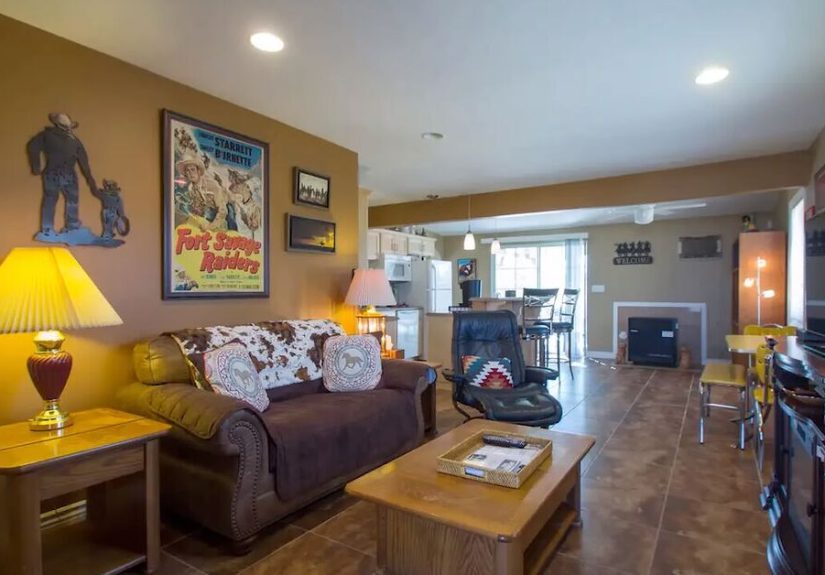
Table of Contents >> Show >> Hide
- What “Cowgirl Chic” + “Desert Boho” Really Means (So It Doesn’t Get Weird)
- Step 1: Pick a Desert-Ready Color Palette (Your Room’s “Vibe Insurance”)
- Step 2: Start With the “Anchor” Pieces (Because Accessories Can’t Save a Sad Sofa)
- Step 3: Layer Textures Like a Pro (This Is Where the Magic Happens)
- Step 4: Add Western Details (TastefullyLike a Necklace, Not a Halloween Costume)
- Step 5: Lean Into Desert Boho With Artisan Pieces and Earthy Decor
- Step 6: Fix the Lighting (Because “Desert Sunset” Is a Lighting Problem, Not a Pillow Problem)
- Step 7: Style Like a Designer (Without the “Museum, Do Not Touch” Energy)
- A Simple Weekend Makeover Plan (So You Don’t Live in Chaos for Three Weeks)
- Common Mistakes (And How to Avoid the “Theme Party Living Room”)
- of Real-World “Makeover Experiences” (What the Process Feels Like)
- Conclusion
If your living room currently feels like “generic beige showroom” (no judgmentbeige has bills to pay),
it might be craving a little personality. Enter cowgirl chic and desert boho:
the style duo that says, “I love soft textures and handmade pottery… but I also know the difference between
a rodeo and a line dance.”
This makeover isn’t about turning your home into a themed restaurant. It’s about building a warm, layered,
lived-in space using desert-inspired color, natural materials, and a few Western touches that feel intentional
not costume-y. Think: sunbaked terracotta, creamy neutrals, worn leather, woven textures, vintage finds, and art
that looks like it has stories (even if it came from a weekend flea market run and a very determined negotiation).
What “Cowgirl Chic” + “Desert Boho” Really Means (So It Doesn’t Get Weird)
Cowgirl chic is Western style with polish: leather, suede, brass, warm woods, subtle ranch-inspired
patterns, and character pieces that look better with age. Desert boho leans earthy and artisanal:
natural fibers, global-inspired textiles, ceramics, plants, and a relaxed “collected over time” vibe.
The sweet spot is balance: soft + rugged, handmade + practical, cozy + breathable. You’re aiming for
“sunset in Santa Fe” meets “cool aunt’s loft with excellent playlists.”
Step 1: Pick a Desert-Ready Color Palette (Your Room’s “Vibe Insurance”)
A tight color palette keeps your layers from turning into visual confetti. Start with a foundation, then add
accents like you’re seasoning food: enough to taste it, not enough to cry.
Base neutrals (choose 2–3)
- Creamy white (warm, not icy)
- Sand / oatmeal / greige
- Soft camel (hello, leather-friendly)
Desert accents (choose 1–2)
- Terracotta or clay
- Sage or muted olive
- Dusty rose (sparinglylike hot sauce)
- Turquoise or teal (small doses, big impact)
Grounding tones (choose 1)
- Chocolate brown
- Matte black
- Weathered bronze/brass
Specific example: If your sofa is a warm neutral (cream or camel), you can build the room with a
terracotta throw, a sage accent chair or pillows, and black metal details (frames, lamp base, curtain rod) to keep
it crisp. This palette looks curated even when your dog steals half the throw blanket.
Step 2: Start With the “Anchor” Pieces (Because Accessories Can’t Save a Sad Sofa)
Your anchor pieces do the heavy lifting: sofa, rug, coffee table, and one statement chair. If you get these right,
everything else becomes easier.
Sofa: keep it simple, let textures do the talking
- Best bets: linen-look upholstery, performance fabric, soft bouclé, or a camel leather sofa.
- Renters: use a slipcover in a warm neutral and put the drama into pillows + rug.
Coffee table: desert boho loves organic shapes
- Warm wood, reclaimed finishes, live-edge styles, or round/oval shapes.
- If your room is small, choose a lighter visual profile (open base or smaller footprint).
One “cowgirl chic” statement seat
- Leather sling chair, suede-look accent chair, or a chair with nailhead detail.
- Alternative: a woven lounge chair with a leather pillow for the Western nod.
Pro move: If you want the style without a big spend, invest in the rug and keep furniture classic.
Textiles and decor can do the theme workand they’re way easier to swap later.
Step 3: Layer Textures Like a Pro (This Is Where the Magic Happens)
Boho style looks “right” because it’s layered: rugs on rugs, pillows on pillows (but not in a way that makes
sitting feel like a timed obstacle course). Cowgirl chic adds structureleather, metal, and clean lines to keep the
room from becoming a fluffy craft store explosion.
Rugs: the fastest way to say “Western boho” without saying a word
- Base rug: jute/sisal or a warm neutral flatweave.
- Top rug: vintage-style Persian, kilim-inspired pattern, or Southwestern geometrics.
- Optional “Western wink”: a cowhide (real or quality faux) layered over a larger rug.
Rule of thumb: Keep the bottom rug about a foot larger on all sides so it looks intentional, not like
your rug is wearing a tiny rug hat.
Textiles: mix “soft desert” with “ranch durability”
- Throws: chunky knit, woven cotton, or a blanket with subtle stripes.
- Pillows: mix solids (sage, cream) with one bold pattern (geometrics or vintage motifs).
- Fabrics: linen, cotton, wool, leather accents, and a little fringe or embroidery.
Window treatments: warm, breathable, not fussy
- Light-filtering linen panels for softness.
- Woven shades for texture (great with desert palettes).
- Black or bronze hardware to add definition.
Step 4: Add Western Details (TastefullyLike a Necklace, Not a Halloween Costume)
Western decor works best when it looks collected, not purchased in one dramatic online cart session at 2 a.m.
Choose a few signature elements and repeat materials rather than repeating literal cowboy objects everywhere.
Western accents that look elevated
- Vintage-inspired art: rodeo prints, desert photography, old ranch maps
- Brass or bronze details: frames, lamp hardware, cabinet pulls
- Leather touches: a leather ottoman, leather-wrapped vase, or leather pillow
- Natural wood: side tables with a worn finish
Hat moment (yes, really)
A small wall display of straw hats can be charmingespecially if you already own them. Keep it neat: matching
hangers, clean spacing, and limit the “hat wall” to one zone so it reads as a design choice, not storage panic.
Step 5: Lean Into Desert Boho With Artisan Pieces and Earthy Decor
Desert boho is where you bring in handmade texture and that sun-warmed, slightly sandy calm.
Aim for natural materials, soft curves, and imperfect beauty.
Ceramics and vessels (aka “the grown-up version of trinkets”)
- Terracotta pots, matte cream vases, speckled stoneware bowls
- Group in odd numbers (3 or 5) with varying heights
- Keep surfaces breathableleave a little empty space
Plants, but make it desert
- Snake plant, aloe, jade plant, cactus varieties, or low-maintenance succulents
- Use textured planters: terracotta, woven baskets (with a liner), or ceramic
Not a plant person? Pampas grass looks great, but it shedsso place it where it won’t become your vacuum’s
new long-term relationship.
Wall texture: add one statement, not twelve “meh” items
- Oversized woven wall hanging
- Large mirror (bounces light and makes rooms feel bigger)
- One sculptural piece (wood, metal, or ceramic)
Step 6: Fix the Lighting (Because “Desert Sunset” Is a Lighting Problem, Not a Pillow Problem)
If your room feels flat, lighting is usually the culprit. Layered lighting gives you that golden, cozy glow:
overhead + table lamps + floor lamp + optional accent light.
Lighting checklist
- Use warm bulbs for a softer vibe (especially at night)
- Add at least two lamps if you rely on overhead lighting
- Choose shades in linen, woven grass, or warm neutral fabric
Specific example: Pair a ceramic lamp with a linen shade on one side of the sofa, and a black metal
floor lamp on the other. That mix (ceramic + metal) instantly reads as “boho meets Western.”
Step 7: Style Like a Designer (Without the “Museum, Do Not Touch” Energy)
Styling is just intentional placement. You’re building little “moments” around the room that feel human, not staged.
The easy styling formula
- One tall thing: lamp, vase, plant
- One medium thing: bowl, framed photo, candle
- One small thing: object with texture (wood, stone, woven)
Bookshelves and consoles
- Mix books with pottery and a small framed print
- Leave breathing room (negative space is not “wasted,” it’s “intentional”)
- Repeat materials: if you have terracotta on the coffee table, echo it on a shelf
A quick word on patterns and cultural motifs
Southwestern patterns can be beautiful, but some symbols and textiles have cultural significance.
If you’re buying pieces inspired by Indigenous designs, look for respectful sourcing, ask questions, and prioritize
artists/makers when you can. At minimum, avoid using sacred imagery as “just a cute print.”
A Simple Weekend Makeover Plan (So You Don’t Live in Chaos for Three Weeks)
- Friday night: Declutter surfaces, remove mismatched decor, and take “before” photos (trust me).
- Saturday morning: Lock in your palette and move furniture for a better conversation layout.
- Saturday afternoon: Rug upgrade or rug layering, then add curtains/shades if needed.
- Saturday evening: Lighting upgradelamps first, overhead second.
- Sunday morning: Add pillows/throws, then art + mirror placement.
- Sunday afternoon: Style surfaces and shelves, then edit (remove 10–20% so it breathes).
Common Mistakes (And How to Avoid the “Theme Party Living Room”)
- Too many literal Western objects: Choose 2–3 signature details and stop there.
- Everything is new: Mix in vintage/thrifted pieces so it feels collected.
- All texture, no structure: Add metal or clean-lined furniture to balance boho softness.
- Pattern overload: Keep patterns in the same color family to stay cohesive.
- Ignoring comfort: A beautiful room that’s uncomfortable is just an expensive waiting room.
of Real-World “Makeover Experiences” (What the Process Feels Like)
Most people expect a cowgirl chic + desert boho makeover to be all funlike casually tossing a cute throw over the
sofa while the sun beams through the windows and a perfect playlist starts automatically. In reality, the process
usually starts with something less glamorous: standing in the middle of the room, squinting at your walls, and
realizing your “neutral” paint is actually a slightly sad refrigerator gray.
The first noticeable experience is how quickly the room’s mood changes when you commit to warm tones.
Swapping one cold-white bulb for a warm one can make your space feel like it stopped arguing with itself.
Adding a terracotta pillow or a clay-toned throw does something similarsuddenly, the room looks sun-kissed instead
of fluorescent. People often describe it as the moment the living room starts feeling like a place you want to
hang out, not just a pass-through zone where you charge your phone.
Then comes the “texture awakening.” The day you layer a rugespecially if you add a patterned vintage-style rug over
a natural fiber baseyour room instantly gains depth. It’s one of those changes that looks dramatic but doesn’t
require demolition, permits, or explaining to your landlord why there’s dust in the air. If you add a cowhide on
top (or a quality faux version), that’s usually when friends start saying, “Okay, this looks expensive,” even if
you found it secondhand and celebrated with tacos afterward.
The most relatable part of the experience is the editing phasebecause once you start styling, it’s easy to go
overboard. You’ll place a vase, then another vase, then a third vase, and suddenly your coffee table looks like it’s
hosting a pottery convention. The best “real-life” lesson is learning when to stop: leaving empty space on a shelf
feels strange at first, but it’s what makes the pieces you keep look intentional. Many DIYers end up removing
10–20% of what they initially put out. The room looks calmer, and you’ll have fewer objects to dustso it’s both
aesthetic and practical (a rare win-win).
Thrifting and sourcing also becomes part of the story. People often find that the “perfect” cowgirl chic accent isn’t
a giant cowboy statue (thank goodness), but something smaller: a vintage brass frame, a worn leather stool, a
handmade-looking ceramic lamp, or a framed desert landscape print that feels like it belongs. You might not find it
on day one, but that’s kind of the pointthis style looks best when it’s collected over time. The room ends up
feeling personal, because it is. And when you finally sit down at night with warm lighting, layered textiles, and a
palette that actually makes sense, the biggest payoff is simple: your living room starts feeling like a home with a
point of viewrelaxed, welcoming, and just a little bit adventurous.
Conclusion
A cowgirl chic + desert boho living room makeover is less about buying a “look” and more about building a vibe:
warm color, natural texture, a few rugged details, and lighting that makes everything feel like golden hour.
Start with a cohesive palette, anchor the room with the right rug and seating, layer textiles thoughtfully, then
sprinkle in Western accents like punctuationnot paragraphs.