Table of Contents >> Show >> Hide
- Why Zinnias Slow Down in the First Place
- The Fastest Way to Trigger More Blooms
- The Care Moves That Keep Zinnias Reblooming
- How to Deal With Powdery Mildew Without Giving Up
- Pinching vs. Deadheading (They’re Cousins, Not Twins)
- Late-Summer Zinnia Rescue Plan (7 Days to Better Blooms)
- Common Mistakes That Quietly Reduce Zinnia Blooms
- Want Blooms Until Frost? Think Beyond This Week
- Conclusion
- Experience Notes: What Gardeners Commonly Notice When Trying to Make Zinnias Bloom Again (and Again) Before Summer Ends
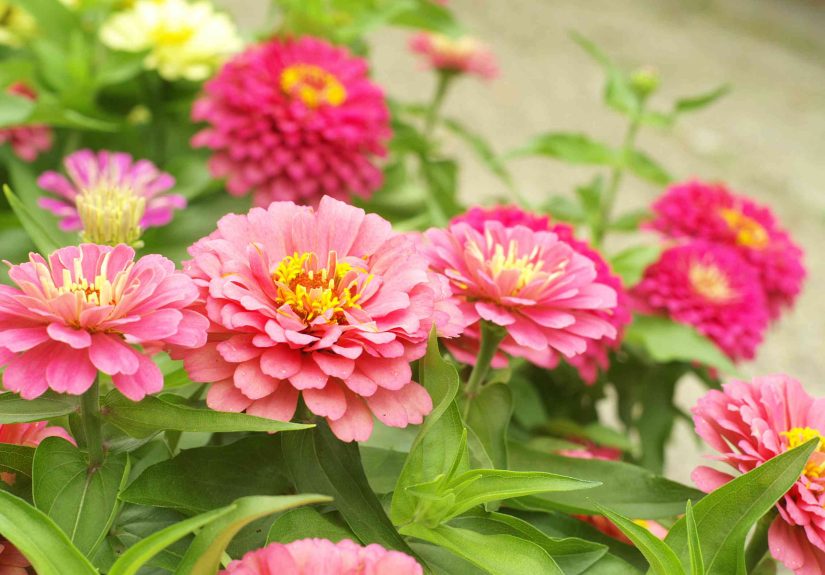
If your zinnias started summer looking like a confetti cannon went off in your flower bed and now they’re acting like they’ve entered a dramatic “creative break,” don’t panic. Zinnias are famous for blooming hard, taking a breath, and then blooming againif you give them the right nudge. The secret isn’t one magic trick. It’s a combination of deadheading, smart watering, sunlight, airflow, and a little midseason cleanup.
The good news? Zinnias are forgiving, fast-growing, and surprisingly resilient. Even if your patch looks tired in late summer, you can often get a fresh flush of blooms before the season winds down. Think of this as a reset button for your flower bedless “plant surgery,” more “light coaching and snacks.”
Why Zinnias Slow Down in the First Place
Zinnias are annuals, and their job is simple: grow, flower, make seeds, repeat until frost. Once a bloom is pollinated and starts forming seed, the plant naturally shifts energy away from making new flowers. That’s why your zinnia patch can look full one week and sleepy the next.
Other common reasons blooming slows down:
- Spent flowers left on the plant (the plant thinks its mission is accomplished).
- Too little sun (zinnias are sun-lovers, not shade philosophers).
- Overhead watering and humidity leading to powdery mildew and leaf issues.
- Poor airflow from crowding.
- Nutrient depletion in beds or containers after heavy summer growth.
- Heat stress + inconsistent watering, especially in pots.
Once you fix those conditions, zinnias usually respond quicklyespecially tall and cutting-garden types that naturally produce more stems after cutting.
The Fastest Way to Trigger More Blooms
1) Deadhead Like You Mean It
This is the big one. Remove faded flowers before they mature into seed heads. When you snip off spent blooms, the plant redirects energy into new growth and flowers instead of seed production.
How to deadhead zinnias correctly:
- Use clean, sharp snips or pruners.
- Follow the flower stem down below the faded bloom.
- Cut just above a healthy set of leaves or a side shoot.
- Don’t leave long bare sticks sticking up (they won’t win any beauty contests).
If your plants are tall, you can cut farther down the stem to shape the plant and control height. Zinnias usually bounce back well from trimming.
2) Cut Flowers for Bouquets (Yes, Seriously)
Cutting zinnias for arrangements works just like deadheadingand often works even better because you take a longer stem, which encourages branching and fresh bloom production. In other words, your kitchen table and your flower bed can both win.
If you’ve been “saving” flowers on the plant, start harvesting them. Zinnias are classic cut-and-come-again flowers.
3) Do a Midseason Reset Trim
If your zinnias look leggy, blotchy, or sparse at the bottom, don’t just pick off individual dead blooms forever. Give them a light reset:
- Remove spent flowers across the whole patch.
- Trim weak or floppy stems back to a leaf node.
- Remove yellowing or mildew-heavy lower leaves.
- Thin crowded stems for better airflow.
This cleanup improves light penetration and air circulation, which helps the plant produce healthier new growth and reduces disease pressure.
The Care Moves That Keep Zinnias Reblooming
4) Give Them Full Sun (The More, the Better)
Zinnias bloom best in full sunat least 6 hours daily, and often more is better for strong flowering and drier foliage. If they’re in partial shade, especially late-season shade, you’re more likely to see fewer flowers and more mildew.
What to do if sun is the problem:
- Trim back nearby plants that are shading your zinnias.
- Rotate containers into a brighter location.
- Plan next year’s bed so tall plants don’t block them by midsummer.
5) Water at the Base, Not Over the Leaves
Zinnias handle heat well, but they still need consistent moisture to keep pushing new buds. The trick is how you water. Wet leaves + humidity + crowding = fungal party (and zinnias are not enthusiastic hosts).
Better watering routine:
- Water at the base using a watering wand, soaker hose, or drip irrigation.
- Water in the morning so excess moisture dries during the day.
- Aim for steady moisture, not soggy soil.
- In containers, check more oftenthey dry out faster.
If your soil is staying wet for long stretches, you may see root stress and fewer blooms. Zinnias like moisture, but they do not want wet feet.
6) Feed Lightly for a Late-Summer Boost
Zinnias aren’t heavy feeders, but a midseason feeding can help them recover and bloom againespecially in poor soil or containers that have been watered heavily for weeks.
Good options include:
- A balanced all-purpose fertilizer (follow the label).
- A light side-dressing of compost.
- A gentle organic fertilizer during flowering.
Don’t overdo nitrogen. Too much nitrogen can encourage lots of leafy growth with fewer flowers. You want the plant to say, “Let’s bloom,” not “Let’s become a shrub.”
7) Space and Thin for Airflow
Crowded zinnias often bloom less over time because humidity gets trapped and disease spreads more easily. Even if you planted them correctly in spring, midsummer growth can turn the patch into a traffic jam.
Thin or trim so air can move through the plants. This one change can improve bloom quality and reduce powdery mildew problems fast, especially in humid regions.
Rule of thumb: dwarf types can be closer together, while taller/bushier types need more room. If leaves are constantly touching and staying damp, they’re too crowded.
How to Deal With Powdery Mildew Without Giving Up
Powdery mildew is one of the main reasons late-summer zinnias stop looking glorious. It often shows up as a white powdery coating, especially later in the season and in less-than-ideal airflow or light.
If you spot mildew:
- Remove badly affected leaves (especially lower ones).
- Improve airflow by thinning stems.
- Water at the soil line, not overhead.
- Keep plants in full sun as much as possible.
- Avoid overwatering and soggy conditions.
Some zinnia types and series are more disease-tolerant than others. If mildew wrecks your patch every year, choose more resistant varieties next season (such as many Profusion, Zahara, and some narrow-leaf zinnia types). That one decision can dramatically reduce late-summer frustration.
Pinching vs. Deadheading (They’re Cousins, Not Twins)
Gardeners often use these terms interchangeably, but they’re different:
- Pinching = removing the tip of a young plant to encourage branching and a bushier shape.
- Deadheading = removing spent blooms to trigger more flowers.
If your zinnias are already blooming, focus on deadheading. If they’re young and getting tall/leggy early in the season, pinching helps build a fuller plant with more flowering stems later.
Late-Summer Zinnia Rescue Plan (7 Days to Better Blooms)
Day 1: Cut + Clean
Deadhead every spent flower. Remove damaged leaves and thin crowded stems.
Day 2: Water Deeply
Water at the base so moisture reaches the roots. Skip overhead sprinkling.
Day 3: Feed Lightly
Apply a balanced fertilizer or compost boost according to product directions.
Day 4–5: Monitor
Check for aphids, spider mites, Japanese beetles, or worsening mildew. Handle pests early.
Day 6–7: Harvest More Blooms
Cut fresh flowers for a vase and keep removing fading blooms. This keeps the “rebloom cycle” going.
Repeat the deadheading/harvest routine every few days, especially once the next flush starts.
Common Mistakes That Quietly Reduce Zinnia Blooms
- Waiting too long to deadhead: once lots of seed heads form, reblooming slows.
- Watering the foliage late in the day: leaves stay wet longer and disease risk rises.
- Overcrowding: pretty at first, mildew factory later.
- Too much fertilizer: leafy jungle, fewer flowers.
- Ignoring containers: potted zinnias need more frequent watering and feeding checks.
- Giving up after the first lull: zinnias often bloom in waves.
Want Blooms Until Frost? Think Beyond This Week
If you really love zinnias, the pro move is succession plantingsowing a new batch every couple of weeks in late spring to early summer. That way, when the first planting looks tired, the younger plants are just hitting their stride. It’s the garden equivalent of having backup dancers ready to go.
Even this season, you can still improve what you have by keeping up with deadheading and harvesting. And toward the very end of the season, you can leave a few blooms to mature if you want seeds for next year (or to let birds snack on seed heads).
Conclusion
If your zinnias have slowed down before summer ends, you probably don’t need to replace themyou need to reset them. Deadhead spent blooms, cut flowers often, water at the base, improve airflow, and give a light nutrient boost if needed. Most zinnias respond quickly, and once they restart, they can produce wave after wave of cheerful color into fall.
In short: don’t baby zinnias, manage them. They’re tougher than they look, and they absolutely reward a gardener who keeps snipping.
Experience Notes: What Gardeners Commonly Notice When Trying to Make Zinnias Bloom Again (and Again) Before Summer Ends
One of the most common experiences gardeners share is this: zinnias look amazing early, then suddenly seem “done” by mid- to late summer. Many people assume the heat ruined them, but after a thorough deadheading session, the plants often rebound within a couple of weeks with fresh buds. That rebound can feel dramaticalmost like the bed was replaced overnight. In reality, the plants were just stuck in seed-making mode and needed the spent blooms removed.
Another frequent experience is learning that cutting flowers actually helps. New zinnia growers often hesitate to cut stems for bouquets because they worry they’ll reduce the display. Then they finally try it and realize the opposite happens: cutting encourages branching, more stems, and more blooms. Many cutting-garden gardeners describe zinnias as one of the most satisfying flowers for this reasonwhat you harvest, the plant tends to replace.
Gardeners in humid climates also report the same late-summer challenge: powdery mildew shows up fast after overhead watering, crowded spacing, or a stretch of muggy weather. A common turning point is switching from sprinkler watering to watering at the base and thinning the patch for airflow. The plants may not become “perfect” again, but they usually look healthier and bloom better after a cleanup. The key lesson from real gardens is that prevention matters more than trying to rescue severely infected foliage later.
Container growers often notice a different pattern: their zinnias bloom heavily, then stall because the potting mix dries out too quickly or nutrients are depleted. The fix is usually simplemore consistent watering and a light feeding. Potted zinnias can perform beautifully, but they’re less forgiving than in-ground beds when summer gets hot. If the pot is in full sun (as it should be), daily checks become part of the routine.
Many gardeners also report that variety choice changes the whole experience. Tall classic zinnias are fantastic for cutting and repeat blooming, but they may need more airflow and cleanup. Compact hybrid series (like disease-tolerant bedding types) often bloom continuously with less fuss and stay tidier. In other words, some “zinnia problems” are really “wrong zinnia for this spot” problems. Once gardeners match variety to their climate and garden style, repeat blooming becomes much easier.
And finally, one experience shows up again and again: people underestimate how much zinnias like attention in tiny doses. Not constant workjust quick check-ins. Five minutes every few days to deadhead, cut a bouquet, and inspect for pests can keep a patch blooming much longer than a once-a-month marathon cleanup. That’s why seasoned gardeners often describe zinnia care as relaxing rather than tedious. A little snip here, a little harvest there, and the plants keep performing like summer never got the memo to end.