Table of Contents >> Show >> Hide
- Why Wood Wick Campfire Candles Are So Popular
- What You Need to Make Woodsy-Scented Campfire Candles
- The Best Wax for a Campfire Candle
- How to Choose a Woodsy Campfire Fragrance Blend
- A Simple Recipe for One Small Batch
- How to Make Woodsy-Scented Campfire Candles With Real Wood Wicks
- How to Troubleshoot a Wood Wick Candle
- Candle Safety Rules You Should Not Skip
- How to Make Your Candle Smell Better, Not Just Stronger
- The Experience of Making and Burning Campfire Candles at Home
- Final Thoughts
If you have ever wished your living room smelled like a pine forest, a cozy cabin, and the memory of a perfect campfire without actually dragging in a bundle of logs, this project is for you. Woodsy-scented campfire candles with real wood wicks bring together three irresistible things: warm fragrance, soft crackling sound, and serious handmade charm. They look rustic, smell expensive, and somehow make even a messy coffee table feel like a lifestyle choice.
The good news is that these candles are absolutely doable at home. The even better news is that once you understand a few candle-making basics, you can customize the scent to lean more “evergreen forest,” more “smoky bonfire,” or more “luxury lodge in the mountains where everyone owns a wool blanket.” This guide will walk you through how to make wood wick candles step by step, how to choose a campfire-style fragrance blend, how to avoid common mistakes, and how to get a cleaner, better burn.
Why Wood Wick Campfire Candles Are So Popular
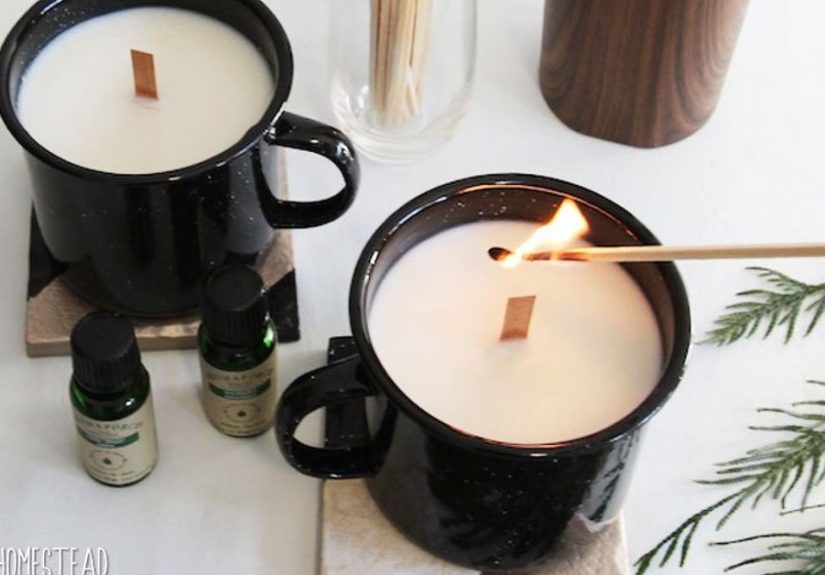
A real wood wick changes the whole mood of a candle. Instead of the classic cotton-wick look, you get a flat wooden wick that feels a little more modern, a little more rustic, and a lot more interesting. When it burns properly, it often produces a gentle crackle that gives the candle that fireside personality people love.
Wood wicks also create a lower, broader flame than many cotton wicks, which can make the candle feel extra cozy. Paired with the right scent blend, that flatter flame helps create the illusion of a miniature campfire in a jar. No mosquitoes. No damp socks. No one asking who forgot the marshmallows.
For this project, the goal is not to make your home smell like actual smoke damage. The goal is balance: wood notes, evergreen freshness, earthy warmth, and just enough smoky depth to suggest a campfire without overpowering the room.
What You Need to Make Woodsy-Scented Campfire Candles
Core Supplies
- Container wax, such as soy wax or a soy-coconut blend
- Heat-safe candle jars or tins
- Real wooden wicks with metal clips
- Candle-safe fragrance oil
- Digital scale
- Heat-safe pouring pitcher
- Thermometer
- Double boiler or wax melter
- Wick stickers or hot glue dots
- Wick centering tool or chopsticks
- Paper towels and rubbing alcohol for cleanup
Optional Extras
- A small amount of brown, black, or amber candle dye
- Lids for curing and storing finished candles
- Warning labels if you plan to gift or sell them
If you are new to candle making, start with a simple container wax and a straight-sided jar. Fancy vessels are cute, but cute does not always burn well. The candle does not care that the jar looks amazing on Instagram.
The Best Wax for a Campfire Candle
A natural container wax, especially soy or a soy-coconut blend, is a great fit for this kind of project. These waxes are widely used for jar candles, they pair well with many fragrance oils, and they help create the soft, cozy look people want in a handmade candle. They also suit wooden wicks nicely when the wick size is matched correctly to the container and formula.
If you want a smoother-looking top and strong scent throw, a soy-coconut blend is often easier to work with than straight soy. If you already have soy wax, though, do not panic-buy a new life. Soy works well too. You may simply need a little more testing with wick size and cure time.
How to Choose a Woodsy Campfire Fragrance Blend
The best woodsy candle fragrance usually combines fresh notes, dry wood notes, and a smoky or resinous base. Instead of using one flat fragrance that screams “generic pine cleaner,” build a layered scent profile.
A Balanced Campfire Scent Formula
- 50% cedar, sandalwood, or cypress for the woody backbone
- 30% fir needle, pine, spruce, or balsam for forest freshness
- 20% smoke, embers, oud, patchouli, or amber for warmth and depth
For a softer, more upscale version, swap some of the smoke note for vanilla, tonka, or amber. For a more rugged outdoor vibe, lean harder into fir, cedar, and smoky notes. The key is to use candle-safe fragrance oils designed for wax, not random home perfume oils or mystery extracts from the back of a cabinet.
A good starting fragrance load for many container candles is around 6% to 8%, though some waxes can handle more. Always check the wax manufacturer’s maximum fragrance load and stay within it. More scent is not always better. Sometimes it is just a more expensive mistake.
A Simple Recipe for One Small Batch
This batch works well for two 8-ounce candles or one larger container candle, depending on your vessel size.
- 16 ounces wax
- 1.28 ounces fragrance oil for an 8% fragrance load
- 2 wooden wicks with clips sized for your jars
- 2 heat-safe containers
The formula is straightforward: wax weight multiplied by your fragrance percentage. If you want to use 7% instead, multiply 16 by 0.07. That gives you 1.12 ounces of fragrance oil.
How to Make Woodsy-Scented Campfire Candles With Real Wood Wicks
Step 1: Prep Your Containers
Make sure your jars are clean, dry, and truly heat-safe. Attach each wooden wick to its metal clip, then stick the clip firmly to the center bottom of the jar. Wooden wicks are easier to center than floppy cotton wicks, which is one of their nicest little personality traits.
If you want a smoother finish and fewer cosmetic lines in the wax, you can gently warm the containers before pouring. This is optional, but helpful, especially in cooler rooms.
Step 2: Melt the Wax
Melt the wax slowly using a double boiler or dedicated wax melter. Do not heat wax directly over a flame like you are auditioning for a craft-themed action movie. Slow, even heat is the goal.
Use a thermometer and follow the recommended melt range for your specific wax. Many makers add fragrance when the wax is around 185°F, but the ideal pour temperature will vary by wax type, so always check your wax supplier’s guidance.
Step 3: Add the Fragrance
Once the wax reaches the right temperature, add your fragrance oil by weight. Stir slowly but thoroughly for about two minutes so the fragrance binds well with the wax. This is not the moment for lazy stirring. Give it a real, consistent mix.
If you are using dye, add it before or with the fragrance according to the product instructions. For a campfire look, muted tones work best: warm amber, deep brown, charcoal gray, or an uncolored creamy wax that lets the scent be the star.
Step 4: Pour the Wax
Let the wax cool to the proper pouring temperature for your wax, then pour slowly into the prepared containers. Keep the wick centered as you pour. Leave a little room at the top of the jar so the candle looks polished and has space for a lid if you are using one.
Once poured, straighten the wooden wick if needed and let the candles cool undisturbed. Avoid moving them around while they set. Freshly poured candles hate being fussed over.
Step 5: Let the Candles Cure
This is the part impatient people like to ignore. Do not ignore it. A cure time helps improve scent throw and overall performance. Many natural wax candles perform best after several days, and soy-based candles often benefit from one to two full weeks of curing before the first serious burn test.
Yes, waiting is annoying. Yes, it matters.
Step 6: Trim and Test Burn
Before lighting, trim the wooden wick to about 1/8 to 3/16 inch. Wooden wicks should generally be kept shorter than cotton wicks. If the wick is too long, the flame can struggle, flicker, or get weirdly dramatic.
On the first burn, let the candle stay lit long enough for the melt pool to reach close to the edges of the container. This helps prevent tunneling later. For most candles, a first burn of roughly 2 to 4 hours is typical, but do not exceed four hours at a time.
How to Troubleshoot a Wood Wick Candle
The Wick Keeps Going Out
This usually means the wick is too small, too long, drowned in excess wax, or paired with a formula that is too heavy in fragrance or additives. Trim off the charred tip, relight, and test again. If the problem continues, try a larger wood wick.
The Candle Tunnels
Tunneling often points to an undersized wick or too-short burn sessions. Wooden wick candles need the right wick width for the jar and enough burn time to form a healthy melt pool.
The Flame Is Too High or Smoky
That can mean the wick is too large, the wick needs trimming, or the fragrance load is too high. A steady, controlled flame is what you want, not a tiny bonfire audition.
The Tops Look Rough or Frosty
This is common with natural waxes, especially soy. It is mostly cosmetic. Slightly warming the jars before pouring, controlling room temperature, and testing your pour temperature can help. But remember: a perfect top is nice, while a safe, great-burning candle is the real victory.
Candle Safety Rules You Should Not Skip
- Always burn the candle on a heat-safe surface
- Keep it away from drafts, curtains, pets, and anything flammable
- Trim the wooden wick before every burn
- Do not burn longer than 4 hours at a time
- Stop using the candle when about 1/4 to 1/2 inch of wax remains
- Never leave a burning candle unattended
If you are gifting or selling your candle, include a proper caution label. Handmade does not mean exempt from common sense.
How to Make Your Candle Smell Better, Not Just Stronger
If your goal is a strong hot throw, resist the urge to simply dump in more fragrance oil. Better scent performance usually comes from the right pairing of wax, wick, fragrance percentage, cure time, and vessel size. In other words, candle performance is chemistry, not wishful thinking.
Keep notes on every test batch. Write down the wax, wick size, container diameter, fragrance percentage, pour temperature, cure time, and burn results. This sounds extremely responsible because it is. It also saves you from making the same mistake twice, which is one of adulthood’s few underrated luxuries.
The Experience of Making and Burning Campfire Candles at Home
There is something unusually satisfying about making a candle that smells like the outdoors while standing in your kitchen in socks. The whole process feels part craft project, part tiny science experiment, and part mood-setting ritual. At first, it seems like you are just measuring wax and fragrance. Then the scent starts rising from the warm pitcher, and suddenly the room smells like cedar chests, pine needles, and the memory of cold night air. That is usually the moment people realize they are no longer “trying a hobby.” They are emotionally invested.
The best part is how personal the experience becomes. One person’s perfect campfire candle leans heavily smoky, almost like the last glowing logs after everyone has gone inside. Another person wants a cleaner forest scent, with fir and cypress doing most of the work. Some want that rich cabin vibe with amber and sandalwood. Others want a sharper evergreen profile that feels like a holiday market wandered into the woods and forgot to leave. You can make all of them. That is the magic.
Then there is the wooden wick itself. When you light a well-made wood wick candle for the first time, the little crackle changes the entire atmosphere. It is subtle, but it matters. Cotton wicks give you light. Wooden wicks give you personality. The sound is soft enough not to dominate the room, but noticeable enough to make you look up from your phone and think, “Okay, this is nice.” That is not nothing in this age of constant digital chaos.
There is also a very real learning curve, and honestly, that is part of the experience too. Sometimes your first candle burns beautifully and tricks you into thinking you are a natural-born chandler. Sometimes your wick drowns itself after twenty minutes and leaves you staring into the jar like it personally betrayed you. Both outcomes are normal. Candle making teaches patience in a surprisingly effective way because wax does not care whether you are in a hurry. It will bloom, tunnel, sweat, or misbehave according to chemistry, not your feelings.
Still, when you get it right, the reward is bigger than the project itself. A good campfire candle turns an ordinary evening into something more intentional. You light it on a rainy night, and suddenly the room feels warmer. You set it on the table while reading, and the scent creates a sense of place even if you are nowhere near a forest. You burn it during a dinner party, and people inevitably ask where you bought it. That is one of the sneakiest joys of handmade candles: saying, “Actually, I made it,” in a tone that sounds humble while your soul does a victory lap.
These candles also make memorable gifts because they feel thoughtful without being fussy. A woodsy candle with a real wood wick has texture, scent, sound, and visual charm all working together. It feels seasonal in fall and winter, but it also works year-round for anyone who loves warm, earthy fragrances. And unlike many store candles, yours can be tuned to exactly the vibe you want: more pine, less smoke; more amber, less spice; more wilderness, less department store.
In the end, making woodsy-scented campfire candles is about more than wax and fragrance. It is about creating atmosphere on purpose. It is a small, handmade way to make a home feel calmer, cozier, and a little more alive. Also, it smells a lot better than actual camping gear.
Final Thoughts
If you want a candle project that feels elevated but still approachable, woodsy-scented campfire candles with real wood wicks are hard to beat. They bring together beautiful scent layering, a crackling wooden wick, and a handmade look that feels both rustic and modern. Start with a reliable container wax, use candle-safe fragrance oils, keep your wick properly trimmed, and test your formula like a person who enjoys success.
Once you nail your first batch, you can keep refining the scent until it becomes your signature version of the perfect campfire candle. Maybe yours smells like cedar and smoke after a mountain hike. Maybe it smells like fir trees and warm amber by the fireplace. Either way, you end up with something cozy, useful, giftable, and wildly more charming than a basic candle that just smells vaguely “woodsy-ish.”