Table of Contents >> Show >> Hide
- Why Microwave Scrambled Eggs Actually Work
- What You Need Before You Start
- How to Make Scrambled Eggs in a Microwave in 5 Easy Steps
- The Best Texture Trick Nobody Mentions Enough
- Common Mistakes to Avoid
- Easy Flavor Variations
- Microwave Scrambled Eggs FAQ
- Final Thoughts
- Real-Life Experiences With Microwave Scrambled Eggs
Note: HTML body only, ready to copy and publish
Some mornings are built for a slow breakfast with jazz playing in the background and sunlight dramatically hitting a frying pan. Other mornings are chaos in sweatpants. That is where microwave scrambled eggs come in. They are fast, surprisingly fluffy, easy to customize, and ideal when you want a hot breakfast without creating a sink full of dishes that silently judges you all day.
If you have ever wondered how to make scrambled eggs in a microwave without ending up with rubbery yellow sadness, the good news is this: the trick is not magic. It is timing, stirring, and using a container that gives your eggs room to puff up like they have big plans. Once you understand the rhythm, you can make a quick breakfast in just a few minutes and still feel like a functional adult.
This guide breaks the process into five easy steps, along with timing tips, texture fixes, flavor ideas, and the common mistakes that turn a promising microwave egg recipe into an edible sponge. Whether you are cooking in a dorm, office kitchenette, tiny apartment, hotel room, or simply avoiding the stovetop before coffee, this method gets the job done.
Why Microwave Scrambled Eggs Actually Work
Microwave scrambled eggs get a bad reputation because people often overcook them in one long blast, then act surprised when the texture resembles packing foam. The microwave is not the villain here. The real issue is impatience. Eggs cook quickly, and microwaves heat unevenly, so the best results come from short bursts with stirring in between.
When done correctly, eggs cooked in a microwave-safe mug or bowl can be soft, fluffy, and perfectly good for toast, breakfast sandwiches, wraps, or a quick protein-packed meal. In fact, a microwave can be one of the fastest ways to make eggs when you only need one or two servings. It is also easier to clean than a pan, which is an excellent feature if you are the kind of person who considers “less cleanup” a personality trait.
What You Need Before You Start
- 2 large eggs
- 1 to 2 tablespoons milk or water, optional
- Pinch of salt
- Black pepper, to taste
- 1 teaspoon butter or a light coat of cooking spray
- 1 microwave-safe mug or bowl, ideally 12 ounces or larger
- 1 fork or small whisk
You can keep the ingredient list basic, or add shredded cheese, chopped herbs, cooked spinach, diced ham, or a spoonful of salsa after the eggs start setting. For the best texture, avoid dumping in lots of watery vegetables at the beginning. Eggs like company, but not a swimming pool.
How to Make Scrambled Eggs in a Microwave in 5 Easy Steps
Step 1: Choose the Right Mug or Bowl
Start with a microwave-safe mug or bowl that is bigger than you think you need. Eggs expand as they cook, so a cramped container invites overflow, and overflow invites regret. A 12-ounce mug works well for two eggs, while a small bowl is better if you want more room for stirring.
Lightly grease the inside with butter or cooking spray. This helps prevent sticking and makes cleanup much easier. It also adds a bit of richness, which is always welcome in scrambled eggs.
Step 2: Crack, Season, and Whisk Well
Crack the eggs into the mug or bowl. Add a tablespoon or two of milk or water if you want a lighter texture. Season with a pinch of salt and a few grinds of black pepper. Then whisk thoroughly with a fork until the yolks and whites are fully combined.
This step matters more than people think. If the eggs are not well mixed, you will get streaky patches of white and yolk that cook at different speeds. A good whisking introduces a little air and helps create fluffier scrambled eggs in the microwave. No need to turn the bowl into a cardio workout, but do whisk until the mixture looks smooth and uniform.
Step 3: Microwave for the First Short Burst
Place the mug or bowl in the microwave and cook on high for 30 seconds. That first burst starts setting the outer edges while the center remains loose. If you are using a powerful microwave, 20 to 25 seconds may be enough. If your microwave is on the weaker side, you may need closer to 30 seconds.
You can loosely cover the bowl with a microwave-safe paper towel if splatter worries you. That keeps the interior of your microwave from looking like an egg crime scene.
Step 4: Stir and Continue in Intervals
Remove the bowl carefully and stir the eggs with a fork, scraping the cooked edges into the center. Then microwave again in 15- to 30-second intervals, stirring after each round. Usually, two eggs take about 60 to 90 seconds total in many home microwaves, but the exact timing depends on wattage, bowl shape, and how soft or firm you like your eggs.
This is the heart of the method. Do not just set the timer for two minutes and walk away like a breakfast gambler. Short bursts are what keep microwave scrambled eggs tender instead of tough. Stirring redistributes the heat and helps the uncooked egg reach the hot areas, so the scramble cooks more evenly.
Step 5: Stop Slightly Early and Let the Eggs Rest
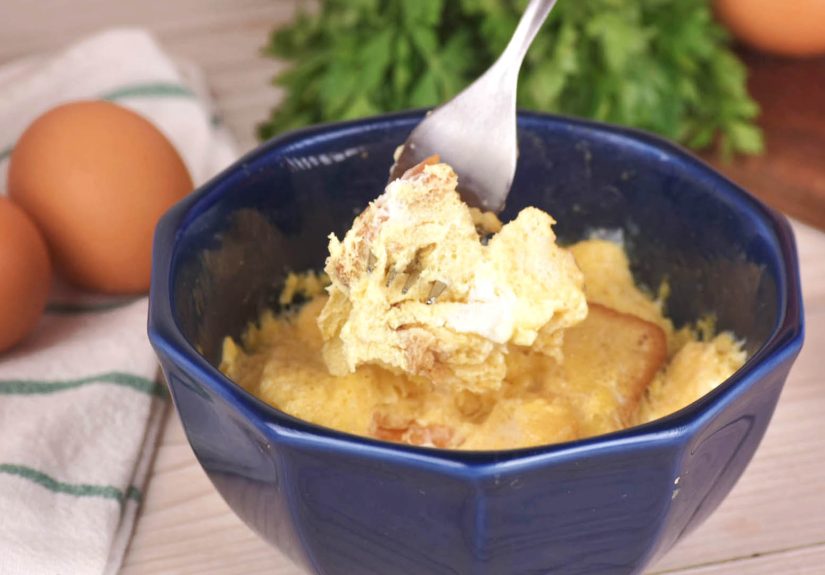
When the eggs look mostly set but still slightly glossy, stop microwaving. Let them rest for 15 to 30 seconds. Carryover heat will finish the job. This tiny pause is the difference between soft, creamy eggs and eggs that taste like they were punished for something.
Fluff with a fork, taste, and adjust seasoning. Add cheese, chives, hot sauce, or a little butter if you want extra flavor. Serve immediately while the eggs are warm and tender.
The Best Texture Trick Nobody Mentions Enough
The real secret to fluffy microwave scrambled eggs is not a fancy ingredient. It is pulling them out before they look fully done. Eggs keep cooking after you stop the microwave, and that final bit of residual heat can take them from just right to overdone fast. Think of it like taking cookies out when the centers still look a little soft. Timing is everything.
Another helpful trick is to keep your add-ins small and sensible. Finely chopped herbs, a tablespoon of shredded cheese, or a spoonful of cooked vegetables blend in nicely. Huge chunks of cold ingredients can slow cooking and create uneven hot and cold spots. In other words, do not ask two humble eggs to carry an entire farmers market on their backs.
Common Mistakes to Avoid
Overcooking the Eggs
This is the biggest mistake by far. Eggs go from silky to dry very quickly in the microwave. Always cook in short intervals and stop when they are almost done.
Using a Container That Is Too Small
Eggs puff up as they cook. A tiny mug may overflow, especially if you add milk or cheese. Give them space.
Not Stirring Between Intervals
Microwaves do not heat perfectly evenly. Stirring helps prevent tough edges and undercooked centers.
Adding Too Many Watery Ingredients
Fresh tomatoes, mushrooms, and spinach can release moisture and make the eggs watery if you use too much. Keep add-ins modest, or pre-cook them if possible.
Expecting Stovetop Eggs Exactly
Microwave scrambled eggs are delicious, but they are a little different from the low-and-slow skillet version. Think of them as a fast, practical cousin rather than an identical twin.
Easy Flavor Variations
- Cheddar and chives: Stir in shredded cheddar at the end and top with fresh chives.
- Spinach and feta: Add a small handful of chopped spinach and a sprinkle of feta.
- Ham and cheese: Mix in diced cooked ham and Monterey Jack for a breakfast sandwich filling.
- Salsa eggs: Spoon over a little salsa and serve with tortillas.
- Herb butter eggs: Finish with a dab of butter and chopped parsley or dill.
These variations keep the basic method interesting, which is useful if microwave eggs become part of your weekday breakfast survival plan.
Microwave Scrambled Eggs FAQ
Can you make scrambled eggs in a mug?
Yes, absolutely. A mug is one of the easiest ways to do it, as long as it is microwave-safe and large enough for the eggs to expand.
Do I need milk?
No. Milk or water is optional. Some people like the slightly lighter texture it creates, while others prefer the stronger egg flavor without it. Butter can add richness if that is your goal.
How long do scrambled eggs take in the microwave?
For two eggs, expect roughly 60 to 90 seconds total in many microwaves, cooked in short intervals with stirring between each round. Always go by appearance and texture more than the exact clock time.
Are microwave scrambled eggs healthy?
They can be. Eggs are a filling, protein-rich breakfast option, and the microwave method uses minimal equipment and very little added fat unless you choose to add cheese or butter. Pair them with toast, fruit, or vegetables for a more complete meal.
Can I meal prep them?
Fresh is best, but you can whisk eggs and seasonings ahead of time, then cook them when needed. Fully cooked scrambled eggs are fine in a pinch, though reheated eggs are usually a little firmer than freshly made ones.
Final Thoughts
If you want a fast breakfast that is warm, satisfying, and made with almost no cleanup, learning how to make scrambled eggs in a microwave is worth your time. The method is simple: whisk well, cook in short bursts, stir often, and stop a little early. That is it. No skillet, no spatula, no dramatic breakfast soundtrack required.
Once you get the feel for your microwave, this can become one of the most useful quick breakfast techniques in your routine. It is cheap, flexible, beginner-friendly, and ideal for busy mornings when you need food fast but still want something real. Microwave scrambled eggs may not win a culinary beauty pageant, but they absolutely win the “I need breakfast in five minutes and I would also like to remain sane” category.
Real-Life Experiences With Microwave Scrambled Eggs
The most interesting thing about microwave scrambled eggs is not just how fast they cook. It is how often they quietly save the day. Ask college students, remote workers, new parents, travelers in hotel rooms, or anyone trying to make breakfast before their brain has fully loaded for the day, and you will hear the same theme: this method is not glamorous, but it is weirdly reliable.
For beginners, the first experience is usually skeptical. People assume eggs need a pan, some butter sizzling on the stove, and a little culinary confidence. Then they try the microwave method once and realize breakfast can happen with a mug, a fork, and one minute of attention. That moment feels a bit like discovering your printer also scans. It was there the whole time, but nobody told you in a way that made it sound useful.
One common experience is learning that every microwave has its own personality. Some cook two eggs beautifully in 70 seconds. Others act like they are auditioning for a special effects movie and puff the eggs skyward after one aggressive minute. That is why people who get good results usually stop following exact times too literally and start watching the eggs instead. Once you understand your microwave, the process becomes much more consistent.
Another real-world lesson is that microwave eggs are a great confidence builder for people who do not cook often. The steps are simple, the ingredients are affordable, and the cleanup is low-stress. If the eggs come out slightly too soft, you can give them another 10 seconds. If they come out a little firm, you still have a decent breakfast and a useful lesson for tomorrow. It is forgiving enough to teach technique without being intimidating.
There is also the convenience factor. In offices, dorms, and small apartments, microwave scrambled eggs can feel like a tiny act of domestic victory. You are making actual food, not just opening a wrapper and calling it a meal. Add toast, avocado, fruit, or salsa, and suddenly breakfast feels intentional instead of accidental.
People also discover that microwave eggs are surprisingly versatile. Some use them as a filling for breakfast sandwiches. Others spoon them over rice, fold them into tortillas, or pair them with leftover roasted vegetables. The eggs themselves are simple, but that simplicity is what makes them adaptable. They fit into whatever your morning looks like, from rushed commute to lazy weekend recharge.
Of course, experience also teaches humility. Nearly everyone who uses this method more than once has overcooked a batch at some point. It happens fast. You get distracted by a text, add one extra 30-second round, and suddenly your fluffy breakfast has the texture of a kitchen sponge with ambition. But that is part of the learning curve. Microwave scrambled eggs reward attention more than talent, and once you accept that, they become much easier to master.
In the end, the experience of making scrambled eggs in a microwave is less about culinary perfection and more about practical success. It is the kind of kitchen skill that earns its place through repetition. It is fast, useful, and dependable. And on busy mornings, dependable food has a kind of magic all its own.