Table of Contents >> Show >> Hide
- What Are Concrete Bricks?
- Why Make Bricks from Concrete Instead of Buying Them?
- Tools and Materials You’ll Need
- Choose the Right Mold Before You Mix
- How to Make Bricks from Concrete: Step-by-Step
- Best Concrete Mix for DIY Bricks
- Common Mistakes to Avoid
- How Long Do Homemade Concrete Bricks Last?
- Are DIY Concrete Bricks Worth It?
- Real-World Experiences and Lessons from Making Concrete Bricks
- Conclusion
- SEO Tags
If you have ever looked at a garden path, patio border, or stepping-stone walkway and thought, “I could probably make that,” good news: you probably can. Learning how to make bricks from concrete is one of those DIY skills that sounds intimidating right up until you mix your first batch and realize it is mostly about patience, prep, and not turning the mixture into gray soup. Once you understand the basics, you can create sturdy concrete bricks or pavers for paths, edging, planters, decorative borders, and other backyard upgrades without paying premium prices for every single piece.
Concrete bricks are popular because they are durable, customizable, and surprisingly beginner-friendly when you use premixed concrete and simple molds. You can make them square, rectangular, faux-brick, or even more decorative if you want your walkway to look like it belongs in a magazine instead of next to a suspiciously wobbly hose reel. Better still, you control the color, texture, thickness, and finish.
Note: This guide focuses on DIY cast concrete bricks and pavers for landscaping, paths, patios, edging, and decorative use. If you need structural masonry units for a wall, chimney, or load-bearing project, buy code-approved materials and follow local building requirements.
What Are Concrete Bricks?
For DIY purposes, concrete bricks are small molded pieces made from concrete mix that cure into solid units. They can mimic the look of traditional brick, but they are not the same as fired clay bricks. In practice, that is fine for most home projects. If your goal is to build a walkway, garden border, stepping-stone path, or decorative patio feature, homemade concrete bricks can do the job beautifully.
The main appeal is flexibility. You can use a reusable brick-pattern mold, individual rectangular forms, wood frames, baking pans, or custom-built molds. You can keep the finish smooth for a clean modern look, rough it up for a rustic effect, or add color so it looks less like “freshly poured sidewalk” and more like a thoughtful landscaping upgrade.
Why Make Bricks from Concrete Instead of Buying Them?
Store-bought pavers are convenient, but making your own concrete bricks gives you control. You can match an odd size, create a custom pattern, make only the number you need, and experiment with colors and textures. For small or medium DIY jobs, that can be a big advantage.
Homemade concrete bricks also make sense when you want a budget-friendly upgrade. A premixed concrete bag, a mold, a few hand tools, and a weekend can turn a muddy shortcut through your yard into a proper path. That is a satisfying transformation, especially if you are the sort of person who enjoys saying, “Thanks, I made it,” while trying to sound casual.
Tools and Materials You’ll Need
Basic materials
- Premixed concrete or crack-resistant concrete mix
- Clean water
- Brick or paver molds
- Plastic sheeting or a flat protected work surface
- Gravel or compacted base material if installing outdoors
- Polymeric sand or jointing sand for gaps between installed pieces
- Concrete colorant, if desired
- Concrete sealer, optional but useful
Basic tools
- Wheelbarrow, mixing tub, or bucket
- Shovel or hoe for mixing
- Trowel or margin trowel
- Level
- Tamper
- Measuring container for water
- Brush or broom for texture
Safety gear
- Gloves
- Safety goggles
- Dust mask or respirator rated for fine dust
- Work boots
Do not skip the safety gear. Dry concrete materials can create fine dust, and wet cement is tough on skin. This is not the moment to be brave in a T-shirt and optimism.
Choose the Right Mold Before You Mix
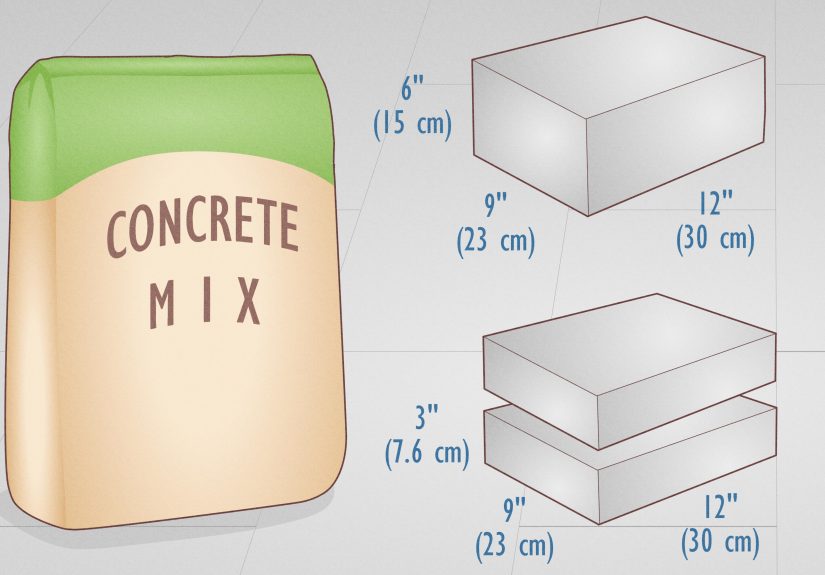
Your mold shapes the entire project, literally. If you want classic brick-like pieces, use rectangular molds or a running-bond brick-pattern form. If you want larger pavers, choose square or stone-pattern molds. For decorative stepping stones, you can even use round pans or handmade wood forms.
For beginners, simple molds are best. Straight-edged rectangular forms are easier to fill, level, and remove cleanly. Fancy shapes look great, but they also reveal every mistake. Start with a shape you can handle well, then get adventurous once your first batch does not resemble abstract modern art.
How to Make Bricks from Concrete: Step-by-Step
Step 1: Prepare your work area
Set up on a flat, stable surface. If you are making individual bricks to cure before installation, use a protected workspace like a garage floor, plywood sheet, or patio covered with plastic. If you are making a path directly in place with a reusable form, level the site first and remove loose sod, roots, and soft soil.
If the finished bricks will be installed outdoors, prepare the base before you get too far ahead of yourself. A compacted gravel base helps reduce wobbling, uneven settling, and cracking. For many path and paver projects, a shallow excavation plus compacted gravel creates a more durable result than placing pieces directly on grass or bare soil.
Step 2: Prep the molds
Clean the mold so old residue does not transfer into the new batch. Lightly dampening the mold can help, and many DIYers use a light release aid, such as a small amount of cooking spray on certain non-specialty molds. Do not overdo it. You want easier release, not oily concrete.
If you are using a reusable pathway form, set it in position and make sure it sits level. If the form rocks, your concrete brick sections will look uneven no matter how carefully you mix.
Step 3: Mix the concrete
Use the water amount listed on the bag as your starting point, then add small adjustments only as needed. The goal is a firm, workable, moldable consistency, not a watery slurry. A good beginner rule is this: if the mix slumps like pancake batter, you have gone too far. If it holds shape when you scoop and press it, you are much closer.
Mix thoroughly until there are no dry pockets. Scrape the bottom and sides of the tub so everything combines evenly. If you want colored bricks, add the colorant according to product directions and mix until the color is uniform throughout.
For a quick test, smooth a small patch of mix and draw a groove through it with your tool. If the sides hold shape, your mix is in a good range. If it collapses immediately, it is too wet. If it fights back like wet gravel with an attitude, add a little more water.
Step 4: Fill the molds
Shovel or scoop the concrete into the mold and work it into every corner. This matters more than beginners expect. Air pockets and half-filled corners are the fastest way to end up with ugly, fragile edges.
Once the mold is full, tap the sides, shake the form gently, or pat the surface with your trowel to help trapped air rise. Then strike off the excess so the top is level with the mold. Smooth the surface with a trowel if you want a cleaner look, or leave it lightly textured for a more natural finish.
Step 5: Add texture or detail
This is the fun part. For a slip-resistant finish, drag a broom or stiff brush lightly over the surface. For a decorative look, you can press in small stones, create a faux-weathered edge, or use a brick-pattern mold that makes the surface look more detailed without much extra effort.
Just remember that subtle usually looks better than overworked. A gentle broom finish says “intentional.” A dozen random swirls say “the trowel won the argument.”
Step 6: Let the concrete set, then remove the mold
The timing depends on the product, temperature, and mold type. Some reusable path forms are designed to be lifted promptly after filling and smoothing. Individual molds for separate bricks usually stay in place longer until the concrete firms up enough to hold shape.
Do not rush demolding. If you remove the form too early, corners can slump, chip, or deform. If you wait until the piece can hold itself cleanly, the result is much more satisfying. This is one of those moments where patience feels annoyingly responsible, but it pays off.
Step 7: Cure the bricks properly
Concrete does not get strong because it “dries” fast. It gains strength as it cures. That means your newly made concrete bricks need moisture retention and time. Cover them with plastic sheeting, keep them damp as appropriate for the product, and protect them from blazing sun, heavy wind, and unnecessary traffic.
Many pieces can be handled after a day or two, but they are still gaining strength. A week brings a much tougher result, and full cure takes longer. If you want bricks that last, curing is not the skippable bonus round. It is the main event wearing a boring hat.
Step 8: Install the bricks
Once your concrete bricks have cured enough to handle safely, install them over a prepared base. For paths and patios, that usually means compacted gravel topped with a leveling layer appropriate for the project. Set the bricks in place, check for level, and adjust as needed.
Leave consistent joints if you want a cleaner finished look. After the bricks are set and dry, sweep jointing sand or polymeric sand into the gaps if the project type and joint size are appropriate. Remove surface dust carefully before activating any polymeric product with water. Otherwise, you may stain the surface and learn new vocabulary.
Best Concrete Mix for DIY Bricks
For most homeowners, premixed concrete is the easiest and most reliable choice. It already contains the cement and aggregates in a workable blend, which means you are less likely to get the proportions wrong. That matters because inconsistent batches lead to inconsistent bricks, and inconsistent bricks make paths look sloppy and age badly.
If you are making decorative pavers, stepping stones, or garden bricks, standard concrete mix is usually fine. If you expect more wear, a crack-resistant or higher-strength mix may be worth considering. Always match the product to the project instead of assuming one bag does everything equally well.
Common Mistakes to Avoid
- Adding too much water: This is the classic beginner mistake. Wet mix is easier to pour, but weaker concrete is the price.
- Skipping base prep: Even beautifully made bricks can wobble, sink, or crack on a bad base.
- Demolding too early: Soft corners chip fast.
- Ignoring curing: Strong concrete is made over time, not in a hurry.
- Using polymeric sand on a damp surface: This can leave residue and staining.
- Making structural assumptions: DIY concrete bricks are great for hardscaping, not for every wall under the sun.
How Long Do Homemade Concrete Bricks Last?
If you mix them correctly, cure them well, and install them on a stable base, homemade concrete bricks can last for years in decorative and hardscape applications. Their lifespan depends on climate, foot traffic, freeze-thaw cycles, drainage, and maintenance. Pieces used in a lightly trafficked garden path will generally live an easier life than pavers placed where water pools or heavy loads roll over them.
A sealer can help protect the surface from stains and weathering once the concrete is fully cured. It is not magic, but it can make maintenance easier and help preserve color and appearance.
Are DIY Concrete Bricks Worth It?
Yes, if you want custom looks, enjoy hands-on projects, and are working on non-structural landscaping or patio improvements. No, if you want a giant project finished immediately with zero trial and error. DIY concrete bricks reward care and repetition. The first few teach you the process. The next batch usually looks much better. By the end, you will wonder why you were intimidated in the first place.
In other words, this is a very winnable DIY project. It just asks you to respect the material. Concrete is forgiving in some ways, but it absolutely notices when you rush, eyeball too much water, or decide curing is for weaker people.
Real-World Experiences and Lessons from Making Concrete Bricks
The most common first-time experience with making concrete bricks is realizing that the project is more physical than technical. On paper, it sounds simple: mix, pour, smooth, cure, done. In real life, there is a lot of lifting, kneeling, tamping, checking level, cleaning edges, and resisting the urge to declare something “close enough” after the third batch. Most DIYers discover quickly that the process is not difficult, but it definitely rewards organization. If your tools are scattered, your molds are dirty, and your base is not ready, the project starts to feel messy fast.
Another common lesson is that consistency matters more than speed. People often rush the first batch because they are worried the concrete will set too quickly. That usually leads to overwatering the mix, underfilling corners, or pulling molds too soon. Once you slow down and repeat the same method each time, the bricks start looking noticeably better. The corners get cleaner, the surface becomes more even, and the pattern feels intentional instead of improvised. Many DIYers say the second half of the project looks more professional than the first simply because they stopped fighting the process.
Texture is another area where experience changes your approach. At first, there is a temptation to overfinish the surface, smoothing every inch until it looks perfect while wet. But concrete has a funny way of highlighting every extra fussing motion after it cures. A lighter touch often produces a better-looking brick. A simple broom finish or a neatly troweled surface usually beats a dramatic swirl pattern that seemed brilliant five minutes earlier.
Curing also changes people’s minds. Beginners often think the job is basically finished once the brick is hard enough to lift. Then they make one batch that dries too quickly in the sun or gets moved around too early, and suddenly the value of proper curing becomes obvious. The bricks that are protected, kept from drying out too fast, and given real time to gain strength tend to look denser, feel stronger, and chip less at the edges. It is not the flashy part of the project, but it is the difference between “DIY experiment” and “solid result.”
There is also the surprisingly satisfying moment of installation. Once several cured bricks go into a prepared path or border, the project starts to look finished in a way that loose pieces on a garage floor never do. The pattern emerges, the spacing makes sense, and all those buckets of gray mix suddenly become a real landscape feature. That is usually when people start planning a second project: maybe a patio extension, maybe stepping stones for the side yard, maybe decorative borders around raised beds. Concrete has a sneaky way of turning one successful project into three more.
The biggest takeaway from real DIY experience is simple: homemade concrete bricks do not have to be perfect to look great. They need to be solid, consistent, and suited to the space. A tiny edge variation or bit of surface texture often adds charm instead of ruining the result. So if your first batch is not showroom-perfect, welcome to the club. That is not failure. That is the normal, slightly dusty path to getting really good at it.
Conclusion
Making bricks from concrete is one of the most practical DIY hardscaping projects you can tackle. It gives you the look of custom pavers without the custom-paver price tag, and it turns a basic bagged material into something useful, attractive, and long-lasting. The key is simple: choose the right mold, mix carefully, avoid too much water, cure patiently, and install over a solid base. Do that, and you can create concrete bricks that look sharp and hold up well in everyday outdoor use.
If you are ready to upgrade a garden path, define a border, or build a more polished patio area, this is a smart project to start with. It is approachable, affordable, and surprisingly rewarding. Plus, every time someone compliments your new path, you get to nod modestly while fully enjoying the credit.