Table of Contents >> Show >> Hide
- What Country Style Really Means Today
- The Core Ingredients of a Beautiful Country Home
- Country Decorating Ideas for Every Room
- How to Mix Country Style With Modern Life
- Common Mistakes to Avoid
- Budget-Friendly Country Decorating Ideas
- Why Country Decorating Still Feels So Good
- Real-Life Experiences With Country Decorating and Design Ideas
- Conclusion
Country decorating has a special talent for making a house feel like it has better manners, warmer cookies, and a blanket within arm’s reach. It is cozy without being sleepy, practical without being boring, and stylish without acting like it needs its own lighting crew. The best country interiors feel collected over time, not ordered in a panic at 2 a.m. after watching one too many renovation videos.
That is also why country style keeps evolving. Today, it is bigger than one look. It can lean farmhouse, English country, cottage, rustic, or French country. What ties it all together is the mood: comfort, character, and a sense that real life is welcome here. Muddy boots? Fine. A dog napping under the table? Even better. A chipped pitcher full of grocery-store flowers pretending it came from a meadow? Absolutely acceptable.
If you want a home that feels inviting, lived-in, and full of charm, these country decorating and design ideas can help you build it room by room without turning your place into a gift shop that sells decorative roosters and emotional signs about coffee.
What Country Style Really Means Today
Modern country decorating is less about copying an old farmhouse and more about capturing the spirit of one. The goal is a home that feels grounded and useful, with natural materials, soft colors, vintage character, and rooms designed for actual human behavior. In other words, country style should look good when the table is set for guests, but it should still make sense when someone drops their keys, mail, and half a sweater on the chair.
The biggest shift in country design is authenticity. Instead of buying everything brand-new and distressed on purpose, homeowners are mixing old and new pieces in a more relaxed way. A fresh linen sofa can live happily next to a weathered pine side table. A polished kitchen can still feel country if it uses warm wood, open shelves, vintage-inspired lighting, and materials that age gracefully. Think patina, not perfection.
The Core Ingredients of a Beautiful Country Home
1. Start With a Warm, Easygoing Color Palette
Country interiors usually begin with colors that feel soft and grounded. Cream, warm white, oatmeal, flax, sage, dusty blue, muted terracotta, butter yellow, and weathered green all work beautifully. These shades create a calm backdrop while letting wood tones, antiques, and fabrics do the heavy lifting.
That does not mean your home has to look beige enough to disappear. Country rooms come alive when you add color with restraint and confidence. A painted hutch in moss green, a striped rug in faded blue, or floral drapes in soft rust can give a room personality without making it feel fussy. The secret is choosing colors that look like they belong to nature, not a neon sports drink.
2. Bring In Natural Materials
Wood is the backbone of country decorating. Use it in floors, dining tables, stools, open shelves, ceiling beams, picture frames, and old trunks. Mix finishes instead of trying to match everything exactly. A country home should feel layered, not like the furniture all arrived in the same truck.
Beyond wood, look for stone, iron, wicker, rattan, linen, cotton, wool, leather, and pottery. These materials add texture and warmth, which is what gives country style its welcoming, touchable quality. If a room looks nice but feels like no one is allowed to sit down, it missed the assignment.
3. Choose Furniture With Character
Country furniture should feel sturdy, comfortable, and a little storied. Farm tables, spindle chairs, slipcovered sofas, painted cabinets, benches, hutches, iron beds, and vintage dressers all fit the mood. Curves can soften the look, especially in French or English country interiors, while simpler silhouettes help the space stay relaxed and fresh.
Do not be afraid of wear. A scratch on a table, a faded rug, or a slightly imperfect finish can make a room feel more believable. Country style is at its best when it looks like life has happened there in a good way.
4. Layer Patterns the Smart Way
One of the easiest ways to make country style feel rich is through layered patterns. Gingham, ticking stripes, florals, plaid, toile, checks, and tiny botanical prints all belong here. The trick is mixing them with a calm hand. A striped chair, floral pillows, and a checked tablecloth can absolutely get along if the colors are related and the scale varies.
Think of pattern like seasoning. Enough gives the room flavor. Too much, and suddenly your breakfast nook looks like it is auditioning for a period drama.
Country Decorating Ideas for Every Room
Living Room: Make It Cozy, Not Cluttered
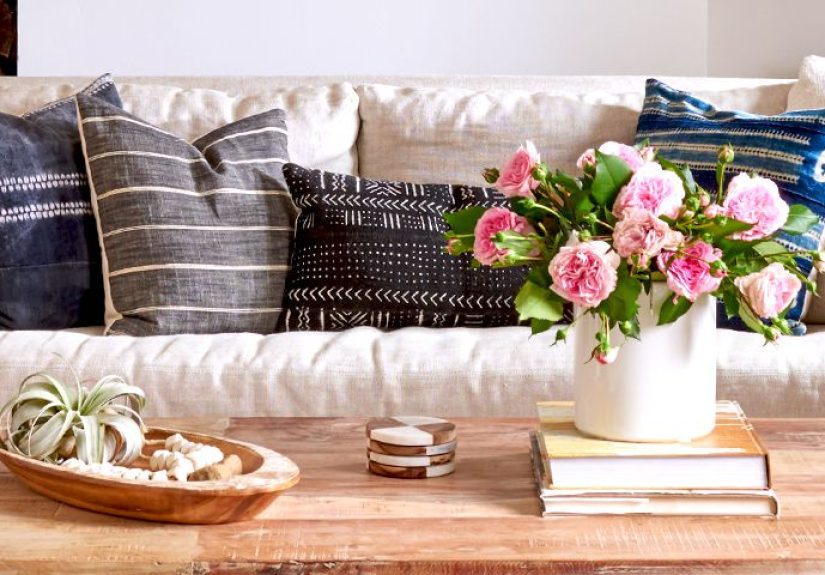
A country living room should invite people to sit, stay, and ask for another cup of coffee. Start with comfortable seating in natural-looking fabrics such as cotton, linen, or a soft performance blend. Add a wood coffee table, a woven basket for throws, and lighting that feels warm rather than harsh.
For character, hang landscape art, vintage mirrors, botanical prints, or family photos in mismatched frames. If you have a fireplace, make it the star with a simple mantel styled with candlesticks, pottery, and greenery. If you do not have a fireplace, no problem. A large hutch, bookcase, or antique cabinet can create the same focal-point effect.
Rugs matter here. Look for faded Persian-style rugs, braided rugs, jute layers, or wool patterns that soften the room and make it feel grounded. Country style loves texture underfoot because bare floors, while practical, can sometimes feel like the room forgot to finish getting dressed.
Kitchen: The Heart of Country Style
The kitchen is where country decorating really shines. This style was born from hardworking rooms, so a country kitchen should be both functional and friendly. Shaker-style cabinets, warm wood accents, beadboard, open shelving, plate racks, and farmhouse sinks are all classic choices. But you do not need all of them. One or two thoughtful elements can do the job.
For example, you could paint lower cabinets sage green, add antique brass hardware, install simple white tile, and bring in a butcher-block island. Or keep a modern kitchen layout and soften it with café curtains, a vintage runner, pottery on open shelves, and a weathered dining table. Country style is more flexible than people think.
Small decorative touches go a long way in kitchens. Try ironstone pitchers, wood cutting boards, crocks for utensils, woven trays, and linen towels with stripes or checks. Use items that are pretty but still useful. A country kitchen should not feel staged. It should feel like someone might actually bake a pie there, even if that person is just reheating takeout and calling it a lifestyle.
Bedroom: Soft, Restful, and Slightly Nostalgic
Country bedrooms work best when they feel restful and lightly layered. Start with breathable bedding in whites, creams, or muted florals. Then add warmth with a quilt, coverlet, or folded wool blanket at the foot of the bed. Iron beds, wood headboards, painted nightstands, and vintage lamps all help create a relaxed look.
Window treatments should feel soft and simple. Linen panels, café curtains, or subtle patterned drapes work beautifully. Finish the room with a bench, a braided rug, a stack of books, and maybe a ceramic lamp that looks like it has been in the family for decades, even if it arrived last Thursday.
Dining Room: Make It Feel Gathered and Generous
Country dining rooms should feel welcoming enough for holidays but easy enough for Tuesday night spaghetti. A wood table is the obvious anchor, but the magic often comes from what surrounds it. Mix dining chairs if you want a more collected look. Add a vintage sideboard or painted cabinet for storage. Use a chandelier or pendant with age and texture, such as iron, brass, or distressed wood.
To decorate the table, keep it simple: a linen runner, a bowl of fruit, a crock of branches, or a cluster of candlesticks. Country style likes beauty, but it loves usefulness. If every centerpiece is so dramatic that no one can pass the mashed potatoes, the room has gone off-road.
Entryway, Mudroom, and Porch: Set the Tone Early
The most charming country homes feel welcoming before you even reach the sofa. In an entryway or mudroom, use hooks, benches, baskets, washable runners, and a cabinet or shelf for daily clutter. These spaces should work hard, and country design understands that deeply. Pretty is nice. Pretty and practical is better.
On a porch, lean into relaxed seating, rocking chairs, planters, lanterns, and outdoor textiles in stripes or checks. Even a tiny front stoop can feel country with a simple bench, a potted herb, and a door color that says, “Yes, someone nice probably lives here.”
How to Mix Country Style With Modern Life
One reason country decorating still works is that it plays well with other styles. You can pair country warmth with modern simplicity, rustic materials with tailored upholstery, or cottage florals with clean-lined lighting. In fact, this balance often keeps a room from tipping into cliché.
Try mixing a sleek sofa with a reclaimed wood table. Put contemporary art above a vintage sideboard. Use modern appliances in a kitchen filled with handmade pottery and aged brass. Country style does not require you to live like it is 1894. Indoor plumbing, hidden charging cords, and comfortable sectional sofas are all welcome developments.
Common Mistakes to Avoid
The fastest way to make country decorating feel forced is to over-theme it. If every surface has a chicken, a barn star, a wagon wheel, or a sign announcing that the kitchen is where memories are made, the room starts shouting instead of speaking warmly.
Another mistake is going too cold. All-white rooms with a few wood accents may nod toward farmhouse style, but true country design usually needs more texture, softness, and visual age. Add curtains, rugs, older wood tones, books, baskets, or vintage accessories to bring life back in.
Finally, avoid buying everything at once. Country style looks best when it feels assembled over time. Leave room for flea-market finds, inherited pieces, and happy accidents. Those are often the details that make a home memorable.
Budget-Friendly Country Decorating Ideas
You do not need a full renovation to get the look. Paint is one of the easiest country design tools. A muted cabinet color, a soft wall shade, or a painted piece of furniture can instantly shift the mood. Hardware swaps also help. Antique brass, black iron, or aged nickel can add character to kitchens, bathrooms, and dressers in an afternoon.
Thrift stores, estate sales, flea markets, and online vintage shops are gold mines for country style. Look for baskets, mirrors, wooden stools, framed art, pitchers, crocks, lamps, and solid wood furniture. Do not worry if an item is not perfect. Country decorating likes a little history on the surface.
Textiles are another affordable win. Add striped dish towels, floral pillow covers, a washable runner, or a quilted throw. Change the fabric, and the whole room starts telling a different story.
Why Country Decorating Still Feels So Good
At its heart, country style is not just about how a room looks. It is about how a home feels. It values comfort, memory, hospitality, and materials that get better with age. It welcomes imperfections because real life is imperfect. And frankly, that is part of its charm. Country decorating does not ask your home to perform. It asks your home to live well.
So if you are craving rooms that feel softer, warmer, and more human, country decorating and design ideas are worth exploring. Start with one corner, one chair, one lamp, or one old wooden table. Build slowly. Add layers. Keep what feels genuine. Before long, your home may look like it has always been this charming, which is the dream, really.
Real-Life Experiences With Country Decorating and Design Ideas
One of the most interesting things about country decorating is how quickly it changes the behavior inside a home. A room that once felt stiff or purely functional often starts to feel more social after just a few thoughtful updates. Add a large wood table, softer lighting, a washable rug, and a few collected pieces with age, and suddenly people do not just pass through the space. They linger. They sit longer after dinner. They put their mugs down and keep talking. The room begins to work emotionally, not just visually.
That experience shows up in small daily moments. In a country-style kitchen, open shelves filled with everyday dishes can make morning routines easier and more pleasant. A bench in the entry gives people a place to kick off shoes instead of creating a small mountain of footwear by the door. A basket of blankets in the living room quietly invites everyone to get comfortable. These are not dramatic design gestures, but they improve the rhythm of life in a way that feels surprisingly powerful.
Another common experience is that country interiors tend to age well. In many highly polished spaces, every scuff feels like bad news. In a country room, a little wear often adds to the story. A dining table with marks from holiday meals, homework, and coffee cups becomes more lovable over time, not less. That makes the home feel less stressful to maintain. People can breathe. Kids, pets, guests, and everyday chaos fit more naturally into the space. It is design with better blood pressure.
There is also something deeply personal about decorating this way. Country style often encourages people to use what they already have or what they inherited. A grandmother’s lamp, an old crock from a flea market, a stack of vintage books, or curtains sewn from simple striped fabric can carry more emotional weight than expensive décor ever could. Homes decorated in this style often feel richer because they tell real stories. Even when the pieces are humble, the overall atmosphere feels meaningful.
People also tend to discover that country decorating makes entertaining easier. Guests usually respond well to spaces that feel warm and unpretentious. A slightly mismatched set of dining chairs, a table centerpiece made from clipped branches, or a porch with rocking chairs and lanterns creates a welcome that feels genuine rather than overly formal. Nobody worries about sitting in the wrong place or touching the wrong thing. That relaxed energy is a huge part of the style’s lasting appeal.
Perhaps the best experience of all is that country decorating rarely feels finished in a rigid way. It leaves room for change. You can swap in darker plaid for fall, lighter florals in spring, or move furniture around as your needs evolve. The style grows with the household. Over time, that flexibility helps a home feel more honest and more lived in. And in a world full of spaces designed mainly to be photographed, that may be the most refreshing design idea of all.
Conclusion
Country decorating and design ideas work because they create homes that feel welcoming, useful, and full of personality. Whether you love farmhouse simplicity, English cottage charm, rustic warmth, or French country elegance, the most successful country interiors share the same qualities: natural materials, soft color palettes, comfortable furniture, vintage character, and a layout that supports everyday life. Focus on warmth over perfection, texture over trend-chasing, and collected pieces over one-note themes. Do that, and your home will not just look better. It will feel better too.