Table of Contents >> Show >> Hide
- Why a Tomato Cage Works So Well for a Snowman
- What You Need
- Step-by-Step: How to Make a Snowman Out of a Tomato Cage
- Best Material Choices for Different Looks
- Common Mistakes to Avoid
- Easy Ways to Customize Your Tomato Cage Snowman
- How to Store It After the Holidays
- Experience and Practical Lessons From Making a Tomato Cage Snowman
- Final Thoughts
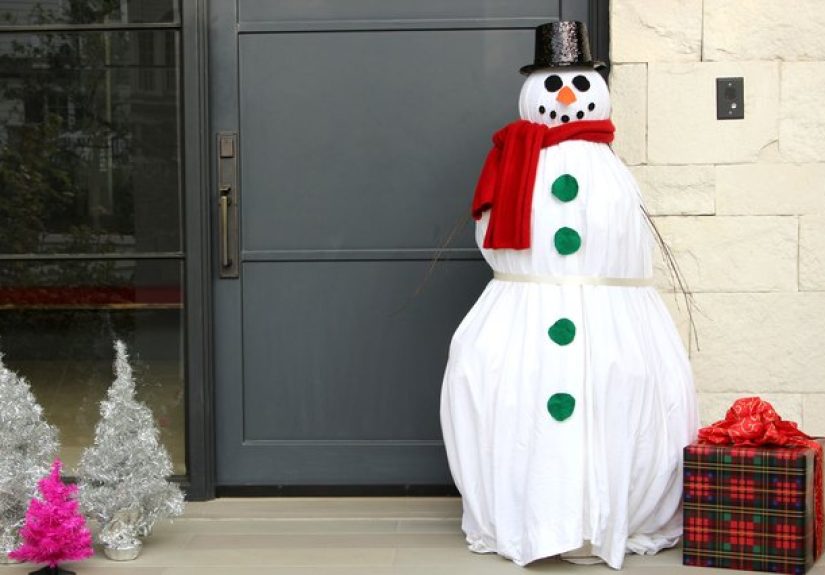
If your winter decorating style falls somewhere between “classic holiday charm” and “I refuse to spend a fortune on lawn decor,” a tomato cage snowman is about to become your new favorite project. It is cheerful, inexpensive, surprisingly sturdy, and delightfully weird in the best possible way. After all, there is something deeply satisfying about turning a humble garden supply into a grinning front-porch snowman that looks like he has been promoted from summer vegetables to Christmas celebrity.
The beauty of this DIY is that it is flexible. You can make a simple snowman with a white sheet and a scarf, or build a more polished version with lights, mesh, buttons, a carrot nose, and a top hat that gives him undeniable main-character energy. You can keep it rustic, make it whimsical, or go full “my porch now looks like a holiday movie set.”
In this guide, you will learn exactly how to make a snowman out of a tomato cage, which materials work best, how to make it look fuller and cleaner, and how to keep it standing tall even when winter weather decides to be dramatic. Whether you are decorating a front porch, entryway, mantel, or yard, this easy holiday craft brings big seasonal charm without a big-budget meltdown.
Why a Tomato Cage Works So Well for a Snowman
A tomato cage is basically the overachiever of the garden shed. Its cone shape creates an instant body form, its wire frame is lightweight but strong, and it is easy to wrap, stuff, cover, or light. Flip it upside down, and you already have the foundation for a snowman body. Add a round head, define the middle, and suddenly you are no longer looking at gardening hardware. You are looking at Frosty’s thrifty cousin.
Another reason this project is so popular is that it scales beautifully. Use one cage for a medium-size porch snowman, several sizes for a snowman family, or a smaller cage for tabletop decor. It is also a great upcycling idea. If you already have old tomato cages in the garage, this project gives them a second life that is much cuter than supporting sad August tomato vines.
What You Need
- 1 tomato cage, preferably 42 to 54 inches tall
- 1 round head form, such as a paper lantern, foam ball, or lightweight plastic ball
- White covering material, such as a flat sheet, batting, white fabric, tulle, or deco mesh
- Stuffing or filler, such as tissue paper, newspaper, polyfill, or batting
- Zip ties, floral wire, or strong twist ties
- White ribbon or twine to define the neck and waist
- Black felt or foam for eyes, mouth, and buttons
- Orange felt, foam, or cardstock for the carrot nose
- Two small branches for arms
- A scarf and top hat, or materials to make them
- Optional: outdoor-rated LED lights for a glowing display
- Optional: hot glue, low-temp glue, or outdoor-safe adhesive
- Optional: garden staples, stakes, or weights for stability
If the snowman will live outdoors, choose weather-friendlier materials. Synthetic scarves, felt alternatives, plastic ornaments, outdoor ribbon, and LED lights usually hold up better than delicate fabric, paper-heavy accents, or anything that reacts badly to moisture and wind.
Step-by-Step: How to Make a Snowman Out of a Tomato Cage
1. Flip and Prep the Tomato Cage
Start by turning the tomato cage upside down so the wide circular part becomes the base. The pointed stakes should now be at the top. This instantly gives you a rounded lower body with a narrower area near the neck. If the cage is bent or wobbly, take a minute to reshape it. A slightly crooked cage can still work, but your snowman may end up looking like he had a rough candy-cane-related incident.
If you want a sturdier base, gently flatten the bottom ring so it sits more evenly on the ground or porch floor. For outdoor displays, test the balance before you add any decorations.
2. Attach the Head
A round paper lantern is one of the easiest head options because it is lightweight, inexpensive, and already hollow enough to slide onto the top wires. A foam ball also works well if you want a more solid structure. Secure the head to the top of the cage with zip ties or wire so it does not wobble. You are aiming for “jolly snowman” and not “floating moon of concern.”
At this stage, step back and check the proportions. If the head looks too small, go up a size. If it looks enormous, your snowman may start giving “holiday bobblehead” instead of classic winter charm.
3. Build Out the Body Shape
This is the step that turns a wire cone into an actual snowman. Add filler around the cage to create a fuller belly and torso. Tissue paper, newspaper, batting, polyfill, and even scrap fabric can all work. Secure the filler with tape, floral wire, or tucked fabric so it stays in place.
Create two rounded sections: a larger lower body and a slightly smaller upper torso. Do not worry about perfection. Snowmen in real life are famously lumpy, and that is part of the charm. You just want enough shaping that the final silhouette reads as “snowman” rather than “mysterious holiday lampshade.”
4. Cover Everything in White
Now cover the entire frame with your white material. A flat sheet is a classic choice because it gives a clean, soft look. Deco mesh or tulle creates a more sparkly, textured effect. Batting gives a fluffy snow-like finish, while fleece or felt creates a smooth, more polished appearance.
Pull the fabric snug enough to look neat but not so tight that it crushes the body shape you just built. Gather the fabric where the head meets the body to create a neck, and again around the middle to separate the torso from the base. Tie those sections off with ribbon, twine, or white fabric strips.
This one detail makes a huge difference. Without those two cinched areas, your creation can end up resembling a giant marshmallow in a scarf. Delicious, perhaps. Recognizable, less so.
5. Add Lights for That Magical Glow
If you want your snowman to light up, wrap outdoor-rated LED string lights around the frame before the final outer layer, or tuck them inside the body so the whole shape glows. Warm white lights create a classic cozy look, while cool white feels a bit more snowy and crisp.
Spread the lights evenly so there are no oddly dark areas. If the head is hollow, add a few lights there too. The glow helps the face stand out at night and makes the snowman look extra festive from the street.
For indoor versions, battery-operated fairy lights can be a tidy solution. For outdoor versions, use extension cords rated for exterior use and protect the plug connection from moisture.
6. Make the Face
This is where your snowman gets a personality. Cut circles from black felt or foam for the eyes. Add a curved smile with smaller circles, buttons, or foam dots. Then make a carrot nose from orange felt, craft foam, or rolled cardstock. A three-dimensional nose adds the most character, but a flat cutout works too.
Keep the face slightly oversized if the snowman will be outside. Features that look perfect up close can disappear from the curb. This is not the moment for subtlety. Snowmen are happiest when they can be seen from at least one driveway away.
7. Add Arms, Buttons, and Clothes
Slide or tie two small branches beneath the scarf area to create twig arms. Branches with little offshoots look especially natural. Add large felt circles or black ornaments to the body for buttons. Then wrap a scarf around the neck to hide your fasteners and instantly make the snowman look finished.
Top it off with a hat. A lightweight plastic top hat, mini bucket, felt hat, or homemade cardstock topper can all work. If you want extra flair, add faux holly, plaid ribbon, earmuffs, or even a little sign that says “Let it snow,” which is easy for a snowman to say because he is not the one shoveling.
8. Anchor and Display It Properly
If your tomato cage snowman is going outdoors, secure it. Use stakes, zip ties, garden staples, sandbags hidden in the base, or a weighted planter. Wind can turn a charming front-porch decoration into a neighborhood event, and nobody wants to chase Frosty down the sidewalk in slippers.
Place the snowman near your entry, next to a pair of lanterns, beside a bench, or grouped with mini trees. If it lights up, position it where the glow can be seen from the street. This is one of those decorations that looks even better at night.
Best Material Choices for Different Looks
For a Soft Classic Snowman
Use a white sheet or fleece, black felt features, a plaid scarf, and simple warm lights. This style feels timeless and cozy.
For a Sparkly Porch Snowman
Use white deco mesh, glitter foam buttons, metallic ribbon, and cool white LEDs. This version catches light beautifully and feels more decorative.
For a Rustic Farmhouse Snowman
Use muslin or textured white fabric, rope or twine details, burlap ribbon, twig arms, and a neutral scarf. Add a black felt hat and keep the color palette muted.
For a Kid-Friendly Whimsical Snowman
Use bright scarves, oversized buttons, a goofy smile, and maybe earmuffs. This version works especially well for family porches and classroom holiday corners.
Common Mistakes to Avoid
Using flimsy filler: If the body is not full enough, the snowman looks collapsed. Add more stuffing than you think you need, especially around the belly.
Choosing a head that is too heavy: A dense head form can make the whole structure top-heavy. Lightweight is better.
Skipping the neck and waist ties: This one small step defines the shape and makes the project read clearly from a distance.
Using indoor-only lights outside: If the display is outdoors, use outdoor-rated lights, cords, and plug protection.
Ignoring wind: An unsecured snowman may tip, twist, or move. Anchor first, admire second.
Easy Ways to Customize Your Tomato Cage Snowman
Once you know the basic structure, this project becomes dangerously fun. You can make a whole family of snowmen in different heights. You can add a broom, mittens, a red truck ornament, or a little sign. You can give one a buffalo-plaid scarf and another a peppermint-striped bow tie. You can even create themed versions for different decorating styles, from farmhouse to glam to candy-cane chaos.
Another smart idea is to coordinate your snowman with the rest of your porch decor. If your wreath uses pinecones and cedar, echo those textures on the hat. If your entry has black lanterns and red bows, repeat those colors in the scarf and buttons. This keeps the project from looking random and helps it feel like a real design choice instead of something that wandered in from the gardening aisle.
How to Store It After the Holidays
If your snowman is lightweight and not overly bulky, store it assembled in a dry garage or attic corner under a large plastic bag or old sheet. If storage space is tight, remove the scarf, hat, branches, and lights, then collapse or disassemble as much as possible. Keep the face pieces in a labeled bag so you do not spend next December wondering why you have a suspicious number of orange triangles.
Wrap lights neatly before storing them. The future version of you will be incredibly grateful. Holiday crafting is magical. Untangling five miles of mini lights is not.
Experience and Practical Lessons From Making a Tomato Cage Snowman
The first thing most people notice when making a tomato cage snowman is how quickly the project goes from “This should be easy” to “Why is this wire vegetable tower suddenly judging me?” That is completely normal. The frame looks awkward at first. The head seems too small, then too big, then somehow perfect after the scarf goes on. If your snowman looks a little odd halfway through, keep going. This is one of those projects where the personality arrives late.
A lot of the real learning happens in the little decisions. For example, the type of white material you choose matters more than you think. A sheet is simple and forgiving, but it can look a bit flat if you do not stuff the body well. Batting creates a fluffy, snowy finish, but it can shift around. Deco mesh looks festive and catches the light beautifully, though it tends to have a mind of its own and may require extra patience. In other words, your snowman might teach you two things at once: seasonal creativity and the limits of your tolerance for mesh ribbon.
Another practical lesson is that proportion is everything. A snowman with a beautifully shaped body and a tiny head can end up looking unintentionally philosophical, like he has seen too much. A giant head on a narrow body makes him look cartoonish. The sweet spot is usually a head that feels obvious but not oversized. This becomes easier once you stop trying to make it mathematically perfect and start looking at the overall silhouette from across the room or yard.
People also discover that texture makes the decoration feel more expensive. Even when all the supplies are budget-friendly, adding layers gives the snowman more charm. A scarf with fringe, a slightly raised carrot nose, real twig arms, or a hat band with ribbon can take the project from cute to genuinely eye-catching. That is especially true outdoors, where flat details disappear. The more dimension you add, the better the snowman photographs and the more it stands out at night.
Lighting is another game changer. During the day, your tomato cage snowman can be sweet and simple. At night, once the lights come on, it suddenly looks intentional and magical. That soft internal glow hides tiny imperfections, smooths out the shape, and makes the whole thing feel more polished. It is the craft equivalent of very flattering holiday lighting, which, frankly, we all deserve.
There is also something unexpectedly fun about how personal this project becomes. Two people can start with the exact same tomato cage and end up with completely different snowmen. One turns out rustic and cozy. Another looks sparkly and theatrical. Someone adds a buffalo-plaid scarf; someone else gives theirs earmuffs and a peppermint bow. The project invites improvisation, and that is part of the reason it sticks in your memory. It does not feel mass-produced. It feels made.
Maybe the best part, though, is the reaction. Kids notice it. Neighbors comment on it. Guests smile before they even ring the bell. A tomato cage snowman has that rare DIY quality of being both inexpensive and charming without looking like you tried too hard. It is playful, useful, and just homemade enough to feel warm. And in a season full of rushed shopping, tangled lights, and cookie crumbs in mysterious places, that kind of simple holiday joy is hard to beat.
Final Thoughts
If you want a holiday project that is affordable, creative, and genuinely adorable, learning how to make a snowman out of a tomato cage is time well spent. The frame is simple, the supplies are easy to find, and the final result looks far more impressive than the materials suggest. That is the sweet spot of great DIY decor: low stress, high charm, and just enough whimsy to make your front porch feel festive.
Make one for your entryway, build a whole snowman family, or gift one to a friend who loves handmade holiday decor. However you style it, this cheerful little upcycled project proves that sometimes the best Christmas decorations begin in the garden aisle.