Table of Contents >> Show >> Hide
- What belly fat actually is
- Why losing belly fat can feel different for women
- Can you target belly fat specifically?
- The habits that actually help women lose belly fat
- 1. Create a sustainable calorie deficit, not a dramatic one
- 2. Build meals around protein and fiber
- 3. Stop fearing all carbs and start choosing better ones
- 4. Strength train two to four times a week
- 5. Pair strength training with cardio and more daily movement
- 6. Sleep like it is part of the program, because it is
- 7. Manage stress before it manages your snack drawer
- 8. Reduce liquid calories and mindless extras
- What not to do
- A realistic day of eating and movement
- When to talk with a doctor or dietitian
- Experiences women commonly share when trying to lose belly fat
- Final thoughts
Note: This article is for education, not diagnosis. If you are pregnant, postpartum, breastfeeding, under 18, have a history of disordered eating, have missed periods, or think you may have PCOS, thyroid issues, or menopause-related symptoms, talk with a licensed healthcare professional before trying to lose weight.
Belly fat gets an absurd amount of attention online. One reel says “just cut carbs.” Another says “walk 10,000 steps.” A third promises that two weeks of lemon water, planks, and heroic suffering will somehow turn your midsection into a movie trailer. Your waistline, meanwhile, would like a word.
Here is the truth: women can lose belly fat, but not through magic tricks, punishment workouts, or starving on lettuce while fantasizing about fries. The real strategy is less glamorous and far more effective. You lower overall body fat, protect muscle, improve insulin sensitivity, sleep better, manage stress better, and stick with habits long enough for your body to cooperate.
Also important: the goal should not be to chase an “ideal” body shape. The more useful goal is reducing excess abdominal fat that can raise the risk of heart disease, type 2 diabetes, fatty liver disease, sleep problems, and metabolic issues. In other words, this is about health, energy, strength, and feeling good in your own body, not auditioning for the role of “woman who has never eaten bread.”
What belly fat actually is
When people say “belly fat,” they usually mean two different things.
Subcutaneous fat
This is the softer fat under the skin. You can pinch it. It is common, normal, and not automatically dangerous.
Visceral fat
This is the deeper fat stored around the abdominal organs. It is the type more strongly tied to cardiometabolic risk. That is why waist circumference matters, even when the scale or BMI does not tell the whole story.
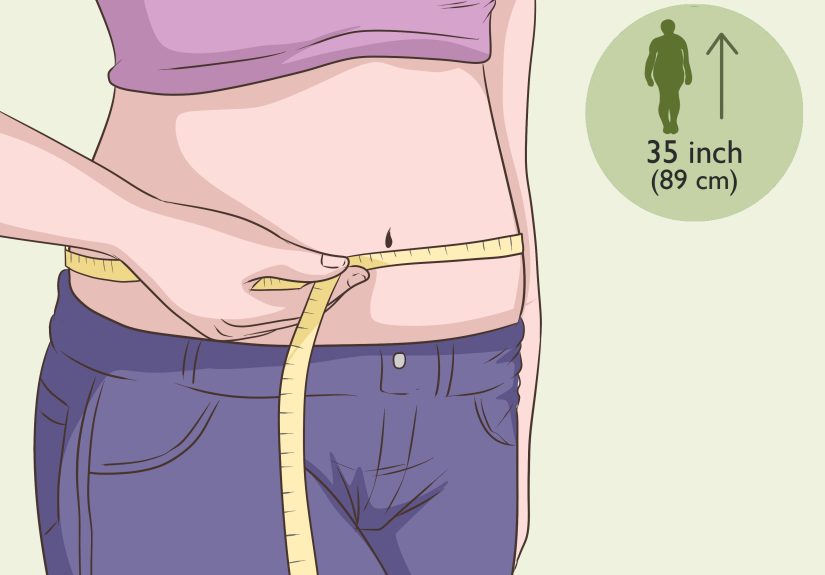
For women, a waist measurement above 35 inches is commonly used as a higher-risk threshold in U.S. guidance. That number is not a personality test, and it does not define your worth. It is simply a practical screening clue that abdominal fat may be affecting health.
Why losing belly fat can feel different for women
Women are not small men with better skincare. Hormones, life stage, sleep, stress, muscle mass, pregnancy history, menopause, and conditions like PCOS can all affect where fat is stored and how easy it is to lose.
Hormones matter, but they are not a life sentence
Across adulthood, estrogen influences fat distribution. During perimenopause and menopause, many women notice that weight shifts toward the waist, even if they are eating about the same as before. At the same time, muscle mass may gradually decline, which makes it easier to burn fewer calories without realizing it. That combo can make the belly area feel like it suddenly became very committed to the job.
Stress hits women hard
Chronic stress can push eating habits in an unhelpful direction and may encourage fat storage around the middle. Add poor sleep, convenience food, and long hours sitting, and your body starts acting like it joined a loyalty program for abdominal fat.
Muscle is a quiet hero
Women often focus on the scale and ignore strength. Big mistake. Preserving or building muscle helps support metabolism, improves body composition, and makes long-term fat loss more realistic. This is one reason “skinny but exhausted” is not the gold standard we should be chasing.
Can you target belly fat specifically?
Not directly. Spot reduction is one of fitness culture’s longest-running scams. Doing 500 crunches a day may strengthen your abs, improve posture, and make you question your life choices, but it will not selectively burn fat from your stomach.
Your body decides where it loses fat first. For some women, the face changes first. For others, the hips. For many, the belly is just the last guest to leave the party. Annoying? Absolutely. Normal? Also yes.
The winning strategy is to lose fat overall while maintaining muscle and improving habits that reduce visceral fat over time.
The habits that actually help women lose belly fat
1. Create a sustainable calorie deficit, not a dramatic one
Fat loss requires taking in less energy than your body uses over time. That does not mean skipping meals all day, white-knuckling through cravings, and then raiding the pantry at 10:47 p.m. like a raccoon with a credit card.
A better approach is modest, consistent change: slightly smaller portions, fewer ultra-processed extras, fewer sugary drinks, and meals that leave you satisfied instead of hunting for cookies 30 minutes later. The best eating plan is the one you can repeat next month, not just next Monday.
2. Build meals around protein and fiber
If there is a practical formula for fat loss, this is close. Protein helps with fullness and supports muscle retention. Fiber slows digestion, supports blood sugar control, and helps meals feel more substantial.
Think of your meals like this: start with lean protein, add vegetables or fruit, include a smart carbohydrate, and finish with a healthy fat. Examples include:
Greek yogurt with berries and nuts. Eggs with sautéed vegetables and whole-grain toast. Chicken or tofu with quinoa and roasted vegetables. Salmon with brown rice and a giant salad. Chili with beans and extra vegetables. No detox tea required.
3. Stop fearing all carbs and start choosing better ones
Carbs are not villains wearing tiny capes. The issue is usually quantity, quality, and context. Whole grains, beans, fruit, and starchy vegetables can fit beautifully into a fat-loss plan. The trouble usually comes from refined carbs paired with lots of added sugar, fat, or both in extremely easy-to-overeat forms.
In plain English: oatmeal is not the same as a giant pastry. A baked potato is not the same as a bag of chips. Choose more foods that look like food and fewer foods that sound like a dare.
4. Strength train two to four times a week
If you want to lose belly fat as a woman, strength training is not optional side content. It is part of the main plot. Lifting weights, using machines, training with resistance bands, or doing challenging bodyweight exercises helps preserve lean mass while you lose fat.
Focus on major movement patterns: squats, hinges, pushes, pulls, and carries. A beginner does not need a six-day “glute and abs shred protocol.” She needs a realistic program she can follow without hating her entire calendar.
Good choices include goblet squats, deadlift variations, rows, presses, split squats, step-ups, and planks. Short, consistent sessions beat random bursts of motivation every time.
5. Pair strength training with cardio and more daily movement
Federal guidance for adults recommends at least 150 to 300 minutes of moderate activity per week, plus muscle-strengthening work on two or more days. That sounds official because it is. It is also very doable when broken up.
Walking is wildly underrated. Brisk walks after meals, longer weekend walks, cycling, swimming, dance workouts, incline treadmill sessions, and interval training can all help increase energy expenditure and improve heart health. You do not need to become a marathoner unless that genuinely sparks joy, and for many people, it sparks mostly shin splints.
Daily movement matters too. Stand up more. Walk during calls. Take stairs when reasonable. Park farther away. Pace while thinking. Small movement adds up, especially for people who sit most of the day.
6. Sleep like it is part of the program, because it is
Poor sleep makes fat loss harder. It can increase hunger, reduce impulse control, worsen stress, and make workouts feel heavier than your emotional baggage. Adults generally need at least seven hours of sleep, and many women do better with seven to nine.
If your sleep is a mess, start boring and basic: consistent bedtime, dimmer evenings, less scrolling, less caffeine late in the day, and a cooler, darker room. It is not flashy, but neither is brushing your teeth, and we still do that because it works.
7. Manage stress before it manages your snack drawer
Stress eating is not weakness. It is a very human attempt to feel better quickly. The problem is that “quickly” and “effectively” are not always friends.
Helpful stress tools include walking, journaling, breathing exercises, therapy, prayer or meditation, calling a friend, doing a short workout, or just going to bed on time instead of revenge-scrolling. The point is not becoming a stress-free goddess floating above reality. The point is having a few better options than “accidentally” eating half a family-size bag of something crunchy.
8. Reduce liquid calories and mindless extras
Soda, sweet coffee drinks, juice-heavy beverages, alcohol, and constant nibbling can quietly wreck a calorie deficit. They often do not fill you up much, but they count fast.
That does not mean every fun drink is banned forever. It means you should notice what is happening. Sometimes the difference between “I cannot lose belly fat” and “oh, there it is” is three daily extras: a sugary latte, an evening cocktail, and random bites while cooking dinner.
What not to do
Do not chase fast fixes. Most of them fail for the same reason: they are too extreme to maintain and too undernourishing to support normal life.
- Do not rely on waist trainers, “fat-burning” gummies, detox teas, or social-media miracle hacks.
- Do not slash your calories so hard that your mood, sleep, workouts, and period all start waving red flags.
- Do not skip strength training and then wonder why the scale moved but your body composition did not.
- Do not compare your body to a stranger’s filtered highlight reel.
- Do not ignore medical issues like PCOS, thyroid disease, sleep apnea, medication side effects, or menopause symptoms.
And one more thing: if weight-loss efforts become obsessive, if you are terrified of food, or if your menstrual cycle changes significantly, get help. “Healthy” habits stop being healthy when they start running your life.
A realistic day of eating and movement
Perfection is not required. Consistency is. Here is what a practical day might look like:
Breakfast: Greek yogurt, berries, chia seeds, and a small handful of walnuts.
Lunch: Big salad with grilled chicken or beans, mixed vegetables, olive-oil vinaigrette, and a side of whole grains.
Snack: Apple with peanut butter, or cottage cheese with fruit.
Dinner: Salmon, roasted sweet potato, and broccoli. Or tofu stir-fry with brown rice and lots of vegetables.
Movement: A 30-minute brisk walk, a strength workout, and short movement breaks during the day.
No angels sing when you eat like this. It is not cinematic. But it works better than alternating between “I am being good” and “well, today is ruined, pass the takeout menu.”
When to talk with a doctor or dietitian
Sometimes belly fat is not just about habits. A clinician can help if you have:
- rapid weight gain or unexplained abdominal changes
- missed or irregular periods
- possible PCOS symptoms such as acne, excess facial hair, or cycle changes
- menopause symptoms with stubborn midsection weight gain
- thyroid concerns, fatigue, or unusual swelling
- snoring, poor sleep, or suspected sleep apnea
- a history of yo-yo dieting or disordered eating
A registered dietitian can also make the process much less frustrating. Sometimes you do not need more willpower; you need a better plan.
Experiences women commonly share when trying to lose belly fat
One of the most interesting parts of this topic is how similar women’s stories can be, even when their lives look very different on paper. A woman in her 20s may say, “I work out, but my stomach is still the last place to change.” A mother in her 30s may say, “I am not eating terribly, but I am exhausted, stressed, and grabbing food whenever I get a chance.” A woman in her 40s or 50s may say, “I swear I am doing what used to work, and now my waist has its own independent agenda.”
These experiences make sense. Many women discover that belly fat is less about one “bad” food and more about the stack of everyday realities: poor sleep, long sitting hours, stress, irregular meals, low protein intake, too little strength training, menopause, or simply eating more than they thought through drinks, bites, and convenience foods.
Another very common experience is starting with intense motivation and then burning out. The pattern goes something like this: cut everything fun, do too much cardio, avoid social meals, feel miserable, lose a little weight, then rebound. Women often report that the breakthrough comes when they stop trying to “be perfect” and start building a routine that survives normal life. That usually means planning easy breakfasts, keeping protein on hand, walking more, lifting weights consistently, and letting one off-plan meal be exactly that: one meal, not a dramatic plot twist.
Many women also notice that body recomposition can happen even when the scale moves slowly. Clothes fit better. The waist feels less tight. Energy improves. Sleep improves. Workouts feel stronger. This is one reason the scale can be a helpful tool but a terrible boss. If strength is going up and waist measurements are gradually going down, you are not failing just because your body refuses to drop three pounds overnight.
There is also the emotional side. Belly fat can carry a lot of frustration because it is so visible, and women often feel judged for it in a way men are not. That pressure can push people toward harsh methods that backfire. Women who do best long term often describe a mindset shift: they stop treating their body like an enemy and start treating it like a teammate that needs sleep, nourishment, movement, and patience.
In real life, progress often looks unglamorous. It looks like packing lunch more often. Going for a walk when stressed instead of heading straight for snacks. Lifting weights even when the workout is short. Drinking more water. Ordering the burger and skipping the sugary drink, or enjoying dessert sometimes without turning it into a weekend of chaos. It looks like repeating decent choices until they become normal.
That is the encouraging part: women do not need a secret. They need a strategy they can live with. The women who lose belly fat most successfully are usually not the ones doing the most extreme plan. They are the ones doing the most repeatable one.
Final thoughts
If you want to lose belly fat as a woman, think less about “flattening” your stomach and more about improving the conditions that let your body change. Eat enough protein and fiber. Reduce liquid calories and mindless extras. Lift weights. Walk a lot. Do cardio consistently. Sleep more. Stress less. Stay patient.
Your body is not broken. It is responsive. Give it a plan that is sensible, strong, and sustainable, and it will usually meet you there.