Table of Contents >> Show >> Hide
- Step 1: Identify Your Turtle Species First
- Step 2: Understand Whether Your Turtle Is Aquatic, Semi-Aquatic, or Land-Based
- Step 3: Match the Diet to Your Turtle’s Age
- Step 4: Build the Diet Around Variety
- Step 5: Use Quality Turtle Pellets Wisely
- Step 6: Learn Which Foods to Limit or Avoid
- Step 7: Add Calcium, UVB, and Proper Lighting to the Feeding Plan
- Step 8: Control Portions and Remove Leftovers
- Step 9: Watch Your Turtle’s Response and Adjust With Expert Help
- Sample Feeding Ideas for Common Pet Turtles
- Common Feeding Mistakes to Avoid
- Practical Experience: What Feeding a Turtle Teaches You Over Time
- Conclusion
Feeding a turtle sounds simple until you realize turtles did not come with tiny laminated menu cards. One turtle wants leafy greens, another wants insects, and a third looks at you like you personally insulted its ancestors because you offered kale instead of romaine. The truth is that knowing what to feed a turtle depends on species, age, habitat, health, and whether your shelled roommate is aquatic, semi-aquatic, or a land-loving box turtle with strong opinions.
A healthy turtle diet is not just about filling a bowl. It supports shell growth, bone strength, organ function, energy, digestion, and long-term health. Poor nutrition is one of the most common reasons captive turtles develop problems such as soft shell, vitamin deficiencies, obesity, poor growth, and low appetite. The good news? Once you learn the basic feeding rules, choosing turtle food becomes much less mysterious. Think of it as building a tiny reptile salad barwith some protein on the side and absolutely no pizza crust.
This guide breaks down how to know what to feed a turtle in 9 practical steps, using real-world examples for common pet turtles such as red-eared sliders, painted turtles, map turtles, musk turtles, and box turtles.
Step 1: Identify Your Turtle Species First
The first rule of turtle feeding is simple: know who is sitting in the tank. Different turtle species eat different diets. A red-eared slider, for example, is an omnivorous aquatic turtle that eats both animal protein and plant matter. A box turtle is also omnivorous, but it spends more time on land and usually needs a different feeding setup. Some species lean more carnivorous, while others become more plant-focused as adults.
If you do not know your turtle’s species, do not guess based only on shell color. Many young turtles look similar, especially to new owners. Look at shell shape, markings, size, feet, claws, and whether the turtle is aquatic or terrestrial. A reptile veterinarian, experienced rescue, or reputable care guide can help confirm the species.
Why species matters
Species determines the balance of vegetables, pellets, insects, fish, fruit, and supplements. Feeding every turtle the same food is like serving the same school lunch to a football player, a toddler, and your grandpa. Someone is leaving disappointed.
Step 2: Understand Whether Your Turtle Is Aquatic, Semi-Aquatic, or Land-Based
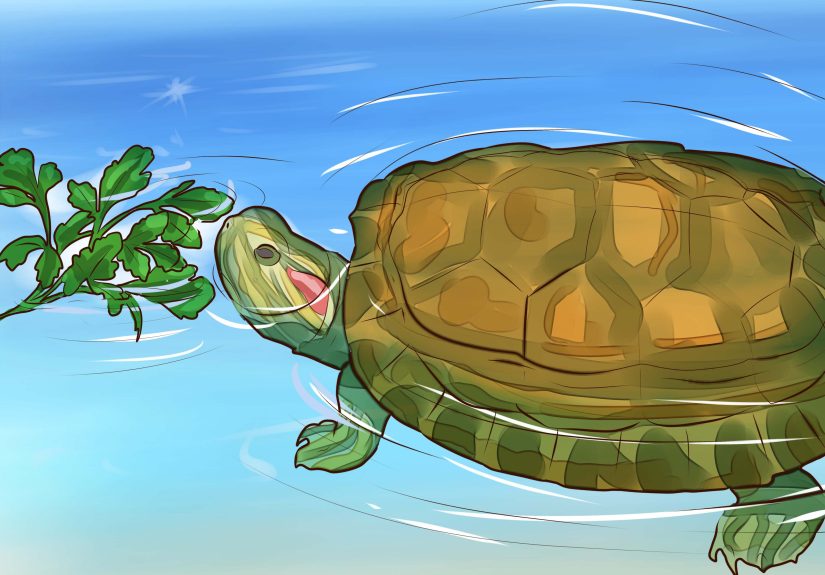
Aquatic turtles, such as red-eared sliders and painted turtles, eat and swallow in water. That means their food should be placed in the water, not on dry land. Many owners use a separate feeding tub with warm water to keep the main tank cleaner. Turtles are charming, but their table manners are somewhere between “confetti cannon” and “food blender without a lid.”
Box turtles, on the other hand, usually eat from a shallow dish on land. Their meals can include chopped vegetables, leafy greens, fruit in small amounts, earthworms, insects, and other appropriate protein sources. Semi-aquatic turtles may need both water access and land feeding opportunities depending on the species.
Knowing your turtle’s habitat style helps you choose not only the right food but also the right feeding method. A perfect diet served in the wrong place may be ignored completely.
Step 3: Match the Diet to Your Turtle’s Age
Baby and juvenile turtles usually need more protein than adults because they are growing. Young aquatic turtles often eat more animal-based foods such as insects, worms, small aquatic invertebrates, and quality turtle pellets. As many turtles mature, their diet should shift toward more plant matter.
For example, a young red-eared slider may be more interested in protein-rich foods, while an adult red-eared slider should eat more leafy greens and aquatic plants. This change is normal. It does not mean your turtle has become a wellness influencer. It means its nutritional needs have changed.
General feeding frequency
Juvenile turtles are often fed daily, while healthy adults may be fed every other day or every two to three days, depending on species, body condition, and veterinarian guidance. Overfeeding can lead to obesity, dirty water, shell problems, and picky eating habits. A turtle that gets buffet service every hour may start rejecting healthy foods like a tiny, shell-wearing food critic.
Step 4: Build the Diet Around Variety
The best turtle diet is varied. A single food, even a good commercial turtle pellet, should not be the entire menu forever. Variety helps provide a wider range of nutrients and keeps turtles interested in eating.
For many omnivorous aquatic turtles, a balanced adult diet may include high-quality turtle pellets, dark leafy greens, aquatic plants, vegetables, and occasional protein foods. For box turtles, meals may include vegetables, greens, insects, earthworms, and limited fruit. The exact ratio depends on the species, but the principle remains the same: rotate safe foods instead of relying on one item.
Healthy plant options
Good plant foods for many turtles include collard greens, mustard greens, turnip greens, dandelion greens, romaine lettuce, endive, escarole, watercress, squash, carrots, green beans, bell peppers, and aquatic plants such as duckweed or water lettuce when appropriate. Always wash produce thoroughly before feeding.
Healthy protein options
Suitable animal-based foods may include earthworms, crickets, mealworms, roaches from safe feeder sources, snails, silkworms, bloodworms, and occasional feeder fish from reliable sources. Protein should be selected carefully because wild-caught insects, fish, or amphibians may carry parasites, pesticides, or bacteria.
Step 5: Use Quality Turtle Pellets Wisely
Commercial turtle pellets can be useful because they are formulated to provide protein, vitamins, and minerals. They are especially convenient for aquatic turtles because supplements sprinkled onto wet food often wash away. However, pellets should usually be part of the diet, not the whole personality of the diet.
Choose pellets made specifically for turtles, not dog food, cat food, fish flakes, or mystery nuggets from the back of a cabinet. Pellets should match your turtle’s size. Tiny juveniles may struggle with large floating pellets, while large adults may ignore food that sinks too fast.
Read the label. Look for a reputable brand, appropriate protein content, and instructions for the type of turtle you keep. Store pellets in a cool, dry place and replace old food. If the pellets smell rancid, clump together, or look suspiciously like ancient cereal, retire them with dignity.
Step 6: Learn Which Foods to Limit or Avoid
Some foods are poor choices for turtles even if the turtle seems willing to eat them. Remember, willingness is not proof of wisdom. A turtle may try to bite a thermometer, a finger, or a floating piece of tank decor. That does not make any of those dinner.
Avoid processed human foods such as bread, crackers, chips, lunch meat, hot dogs, sugary snacks, fried foods, and seasoned leftovers. These foods are not balanced for turtles and can contribute to digestive problems, obesity, and poor nutrition.
Raw chicken, raw beef, and grocery-store meats are also poor staple foods because they do not provide a proper calcium-to-phosphorus balance and may carry bacteria. Dog and cat food should not be used as a main diet. It is designed for mammals, not reptiles.
Iceberg lettuce and celery are not toxic in small amounts, but they are mostly water and fiber with little nutritional value. They can fill the stomach without feeding the body. Spinach, beet greens, and Swiss chard can be offered sparingly for some turtles, but they contain oxalates that may interfere with calcium absorption if overused.
Fruit should be a treat
Many turtles love fruit. Unfortunately, fruit is also sugary. For box turtles and some omnivorous turtles, small amounts of berries, melon, apple, mango, banana, or fig may be offered occasionally. Fruit should not become the main meal. If your turtle starts expecting mango brunch every day, you have accidentally created a tiny diva.
Step 7: Add Calcium, UVB, and Proper Lighting to the Feeding Plan
Feeding a turtle is not only about food. Calcium, vitamin D3, and UVB lighting are part of the nutrition picture. Turtles need calcium for strong bones and a healthy shell. They also need proper UVB exposure to help their bodies use calcium effectively.
Without the right lighting and nutrients, turtles may develop metabolic bone disease, shell deformities, weakness, or poor growth. A calcium source such as cuttlebone, calcium blocks, or reptile calcium supplement may be recommended depending on the species and setup. Aquatic turtles may nibble floating cuttlebone, while box turtles may receive calcium powder on food.
UVB bulbs should be designed for reptiles and replaced according to manufacturer instructions because bulbs can stop producing useful UVB before they visually burn out. In other words, the bulb may still shine but no longer do the job your turtle needs. Sneaky? Yes. Important? Very.
Step 8: Control Portions and Remove Leftovers
Turtles are messy eaters, especially aquatic turtles. Uneaten food quickly fouls the water, encourages bacteria, and makes the tank smell like a swamp had a bad day. Feed reasonable portions and remove leftovers after feeding.
A common practical method is to offer only what your turtle can eat within a short feeding period, often around 10 to 15 minutes, then clean up the rest. Some owners also estimate a portion roughly the size of the turtle’s head, though this is only a rough guide and should be adjusted for species, age, activity, and body condition.
Watch your turtle’s shape and behavior. A healthy turtle should feel solid, not swollen with fat around the legs, and not thin with sunken areas. Rapid growth in young turtles is not always a good thing. Growing too fast from excessive feeding may contribute to shell problems. Slow, steady, healthy growth is the goal.
Step 9: Watch Your Turtle’s Response and Adjust With Expert Help
Your turtle’s appetite, energy, shell, eyes, skin, droppings, and weight all tell a story. A turtle refusing food may be stressed, too cold, sick, newly moved, intimidated, or simply uninterested in that specific food. Temperature is especially important. Reptiles depend on their environment to regulate body function, including digestion. If the habitat is too cold, your turtle may not eat well.
Signs that your feeding plan may need adjustment include soft shell, swollen eyes, flaky skin that seems abnormal, weight loss, obesity, constant begging, diarrhea, poor growth, lethargy, or repeated refusal of food. When in doubt, consult a reptile veterinarian. Online advice can be useful, but it cannot examine your turtle, test for illness, or identify species-specific problems.
A good feeding plan is flexible. It should change as your turtle grows, seasons shift, health changes, and you learn what safe foods your turtle accepts. The goal is not perfection on day one. The goal is steady improvement and a turtle that thrives instead of merely survives.
Sample Feeding Ideas for Common Pet Turtles
Red-eared slider
A juvenile red-eared slider may eat turtle pellets, small worms, insects, and some greens. An adult should receive more vegetables and aquatic plants, with pellets and protein offered in controlled amounts. Good greens include romaine, dandelion greens, collard greens, and mustard greens.
Painted turtle
Painted turtles are omnivorous aquatic turtles. They may eat quality pellets, leafy greens, aquatic plants, insects, worms, and occasional small fish. Adults generally need more plant matter than juveniles.
Box turtle
Box turtles usually need a balanced mix of animal protein and plant foods. A meal might include chopped collard greens, squash, bell pepper, earthworms, and a small piece of fruit as a treat. Serve food in a shallow dish and chop mixed vegetables so the turtle cannot pick only its favorite items.
Common Feeding Mistakes to Avoid
One common mistake is feeding too much protein to adult turtles. This can contribute to fast growth, weight gain, and nutritional imbalance. Another mistake is offering only pellets and never introducing fresh greens. Turtles can become picky if they are not exposed to variety early.
Another big mistake is feeding wild insects from the yard. They may contain pesticides or parasites. Even if your backyard looks clean, your turtle’s digestive system does not need surprise chemicals with dinner.
Finally, many owners forget hygiene. Turtles can carry Salmonella even when they look clean and healthy. Wash your hands after feeding, handling, or cleaning the habitat. Do not feed turtles in the kitchen sink, do not let them roam on food-preparation surfaces, and do not kiss them. Yes, they are cute. No, they do not need forehead kisses.
Practical Experience: What Feeding a Turtle Teaches You Over Time
After caring for turtles for a while, you start to learn that feeding is part science, part routine, and part negotiation with a creature that looks prehistoric but somehow acts like a picky toddler. The first experience many turtle owners have is confusion. You buy pellets, drop them in the water, and your turtle either attacks them like a tiny submarine or ignores them as if you served a plate of cardboard. That is normal. Turtles often need time to adjust to new foods, new homes, and new schedules.
One useful lesson is to introduce healthy foods early and repeatedly. A turtle may reject collard greens the first five times, then suddenly decide they are acceptable on the sixth try. Floating greens in the tank can help aquatic turtles investigate at their own pace. Clipping leafy greens to the side of the tank may also encourage nibbling. For box turtles, finely chopping and mixing vegetables with a favorite food can reduce selective eating. Basically, you are not tricking the turtle; you are simply improving the presentation. Very fancy restaurant energy.
Another experience is realizing how much temperature affects appetite. A turtle kept in water that is too cold may become sluggish and uninterested in food. Many new owners blame the food when the real issue is the habitat. Proper basking temperature, water temperature, UVB lighting, and clean water make feeding easier because the turtle’s body can digest and behave normally.
Owners also learn that overfeeding happens quietly. Turtles are excellent beggars. Some swim frantically when they see you, not because they are starving, but because they have learned that humans are snack machines with shoes. Feeding on a schedule helps prevent obesity and keeps water cleaner. When leftovers pile up, the tank becomes cloudy and smelly, and the filter starts questioning its career choices.
The best long-term feeding experience comes from observation. Keep a simple record of what your turtle eats, what it refuses, when it sheds, and how its shell looks. Notice whether it is active, basking normally, and maintaining a healthy shape. Small details make a big difference. A turtle that eats a varied diet, receives calcium and UVB, and lives in a clean habitat is much more likely to stay strong and active.
Feeding a turtle well is not about creating a gourmet reptile buffet every day. It is about consistency, balance, and learning the needs of the specific animal in front of you. Once you understand that, mealtime becomes less stressful and more enjoyable. Your turtle gets better nutrition, you get fewer tank disasters, and everyone winsexcept maybe the worms.
Conclusion
Knowing what to feed a turtle starts with identifying the species, understanding its age, and matching the diet to its natural feeding style. Aquatic turtles often need pellets, greens, aquatic plants, and controlled protein. Box turtles need a balanced mix of plant foods and animal-based foods. Young turtles usually need more frequent feeding and more protein, while adults often need more plant matter and better portion control.
The healthiest turtle diet is varied, clean, species-appropriate, and supported by calcium, UVB lighting, and good habitat conditions. Avoid processed human foods, unsafe wild prey, too much fruit, and one-food-only routines. Watch your turtle’s body condition and behavior, and ask a reptile veterinarian for guidance when something seems off.
Feed your turtle thoughtfully and you are not just dropping dinner into a tank. You are supporting a long, active life for one of the most fascinating pets arounda small, shelled reminder that slow and steady still deserves a very good salad.
Note: This article provides general educational feeding guidance for common pet turtles. Turtle diets vary by species, age, health, and habitat, so readers should consult an experienced reptile veterinarian for individualized care.