Table of Contents >> Show >> Hide
- First, Meet Your Enemy (and Its Favorite Hangouts)
- Quick Reality Check: You’re Building a Tick-Safe Zone, Not a Tick-Free Planet
- Step 1: Make Your Yard Unfriendly to Ticks (Landscape Fixes That Work)
- Step 2: Cut Off Tick Uber Drivers (Deer, Mice, and Other Hosts)
- Step 3: Targeted Treatments (When You Need to Bring Out the Big Tools)
- Step 4: Protect the Humans and Pets Living There
- How to Know If It’s Working (Without Becoming a Full-Time Tick Scientist)
- Common Myths That Keep Ticks Winning
- When to Call a Pro
- Real-World Yard Experiences (500+ Words of What People Learn the Hard Way)
- Conclusion
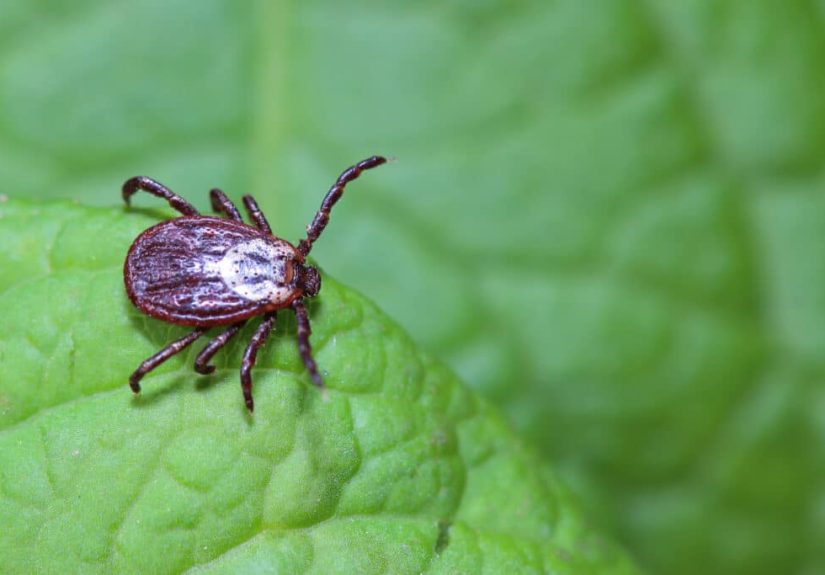
Ticks are the kind of houseguest nobody invitedyet somehow they keep showing up, lurking in shady corners like tiny, eight-legged vampires with a talent for ruining barbecue season. The good news: you can dramatically reduce tick numbers in your yard. The better news: you don’t need to turn your lawn into a chemical slip-n-slide to do it.
The most reliable approach is integrated tick management: adjust the habitat, reduce the animals that carry ticks into your space, and use targeted treatments only where they’ll actually make a difference. Think “smart home security system,” not “flamethrower.”
First, Meet Your Enemy (and Its Favorite Hangouts)
Where ticks actually live
Ticks don’t generally party in the middle of a hot, sunny lawn. They’re most likely to hang out where shade + moisture + cover team up: wooded edges, brush lines, leaf litter, tall grass, groundcover, stone walls, and the border zones where your landscaping transitions into “nature.”
Why your yard edge is the “tick lobby”
Many of the ticks you’re worried about arrive via wildlifeespecially deer and rodents. Deer can drop adult ticks; mice and chipmunks can support immature ticks. Translation: if your yard is a convenient highway for deer and a cozy neighborhood for rodents, ticks will keep getting deliveries.
Quick Reality Check: You’re Building a Tick-Safe Zone, Not a Tick-Free Planet
Even professionals won’t promise “zero ticks forever,” because ticks can be reintroduced by wildlife and pets. The goal is a tick-safe zone: fewer tick hotspots, fewer tick encounters, and a yard layout that makes it harder for ticks to survive and reach you.
Step 1: Make Your Yard Unfriendly to Ticks (Landscape Fixes That Work)
If you do nothing else, do this section. Habitat changes are the foundationand they keep paying off all season.
1) Mow, rake, and de-clutter (ticks hate a tidy yard)
- Mow frequently, especially along fences, edges, and paths.
- Remove leaf litter (the tick equivalent of a five-star hotel blanket).
- Clear brush and tall weeds around sheds, play areas, fire pits, and the yard perimeter.
- Keep groundcover and low shrubs trimmed so air and sunlight can dry the soil surface.
2) Create a 3-foot “no-tick buffer” between lawn and woods
One of the most consistently recommended landscaping tactics is a 3-foot-wide barrier of wood chips or gravel between your lawn/recreation areas and the wooded or brushy edge. The goal is to reduce tick migration and make the border zone hotter and drier.
Pro tip: the barrier works best when it’s paired with edge cleanup (leaf removal and brush trimming). A barrier next to a jungle still means… you’re living next to a jungle.
3) Put people zones in the sun
Ticks prefer humid, shaded places. So help your yard stop being a spa retreat for them:
- Move patio seating, playsets, and trampolines away from wooded edges and underbrush.
- Relocate kid and pet “hangout zones” to open, sunny areas.
- Prune tree limbs and thin dense shrubs to increase airflow and sunlight.
4) Stack wood like you’re trying to annoy rodents
Neat, dry wood stacks are less attractive to rodents than messy, damp piles. Keep firewood off the ground, organized, and away from the house and play areas. Rodents love clutter. Ticks love rodents. You can see where this romance novel is going.
5) Fix the “edge clutter” that secretly attracts ticks
Check these common yard features and adjust:
- Stone walls: keep vegetation trimmed back; consider maintaining a clear strip nearby.
- Compost: use a secure bin and keep it tidy to avoid inviting rodents.
- Overgrown ornamentals: thin and prune; remove dead leaves underneath.
- Invasive shrubs that form dense, humid thickets: consider replacing with airier natives.
Step 2: Cut Off Tick Uber Drivers (Deer, Mice, and Other Hosts)
Deer: the big movers
Deer don’t need to live in your yard to cause troublejust passing through can drop ticks. If deer traffic is heavy:
- Install effective deer fencing (height and design matter; check local guidance).
- Remove or reduce deer-attracting plants, and avoid “deer salad bar” landscaping near the yard edge.
- Use secure trash storage and avoid feeding wildlife.
Rodents: the tick nursery you didn’t order
Mice and chipmunks can host immature ticks. Reducing rodent-friendly conditions helps a lot:
- Eliminate brush piles, messy leaf heaps, and junk zones near your home.
- Seal gaps in sheds and outbuildings where rodents nest.
- Store birdseed and pet food in rodent-proof containers; clean up spills.
Tick tubes: a targeted tool (use with care and label directions)
“Tick tubes” (commercial or DIY versions described by some extension programs) typically use permethrin-treated nesting material that mice carry into nests, reducing ticks on those animals. This can help in some yardsespecially when rodent activity is a key driver of tick pressure.
If you consider this approach, follow product instructions carefully and keep safety top of mind, especially around children, pets, and pollinator habitat. Like any pesticide-based tool, it’s not a substitute for habitat management.
Step 3: Targeted Treatments (When You Need to Bring Out the Big Tools)
Perimeter-first: treat the places ticks actually are
Many tick-control programs focus treatments on yard perimeters, shaded beds, and edge habitats not the sunny center of the lawn. In many typical yards, that’s where you’ll get the biggest impact per ounce of effort.
What’s typically used for yard tick sprays
Common professional and consumer tick yard treatments often involve synthetic pyrethroids (a class of insecticides). You’ll see active ingredients such as bifenthrin and permethrin on many tick-labeled products. These can reduce ticks in treated areas when applied correctly.
Important: Always read and follow the label. Labels are the law. Keep people and pets out of treated areas until the product allows re-entry (often after sprays have dried). If you’re unsure about timing, local rules, or what’s most effective in your region, consult local health or agricultural officialsor a licensed pest management professional.
Biopesticide options (fungal controls)
If you’re trying to reduce reliance on broad-spectrum chemicals, some fungal biopesticides (often based on Metarhizium species) have been studied and are used in certain tick management efforts. These products typically require careful application conditions and realistic expectations, but they can be part of an integrated plan.
Botanical “natural” sprays: helpful, but usually not one-and-done
Plant-oil-based yard sprays may repel or reduce ticks, but they often have shorter residual effects than many synthetic optionsmeaning you may need more frequent reapplication, especially after rain or heavy irrigation. “Natural” also doesn’t automatically mean “risk-free,” so follow directions and avoid overuse.
Timing: when to treat for best results
Tick activity varies by region, but many parts of the U.S. see higher tick activity in warmer months (often spring through early fall). If you use yard treatments, timing them to local tick activityand focusing on the perimeter and shaded zones generally makes more sense than random “whenever I remember” spraying.
Step 4: Protect the Humans and Pets Living There
Personal protection still matters (even with a great yard plan)
- Wear long socks and closed-toe shoes when working along edges and beds.
- Consider EPA-registered repellents on skin when you’ll be in tick habitat.
- Treat clothing/gear as directed with products labeled for that purpose (often 0.5% permethrin for clothing).
- Do a tick check after yard workespecially behind knees, around waistlines, and along hairlines.
Pets: the world’s cutest tick taxis
Dogs and outdoor cats can bring ticks inside. Talk to your veterinarian about appropriate tick prevention. After time outside, check petsespecially around ears, collar lines, between toes, and under the tail.
Tick removal: do it promptly and correctly
Use fine-tipped tweezers to grasp the tick close to the skin and pull upward with steady pressure. Avoid folk methods (burning, “painting” it with substances, etc.). Then clean the bite area. If you develop symptoms after a bite or have concerns about tick-borne illness, contact a healthcare professional.
How to Know If It’s Working (Without Becoming a Full-Time Tick Scientist)
Do a simple “tick drag” to find hotspots
Researchers often use a white cloth “drag” to collect questing ticks, and some extension programs describe DIY versions for monitoring. In simple terms: drag a white flannel cloth over likely habitat (edges, tall grass, brushy borders) and check it frequently.
Two key caveats:
- Tick dragging doesn’t catch every tick; not finding ticks doesn’t guarantee your yard is tick-free.
- Use personal protection while doing this (you’re literally auditioning as a host).
Track the “yard edge report”
Keep a quick note on your phone for two weeks:
- Where you found ticks (edge bed, stone wall, back fence line, etc.)
- Weather patterns (humid weeks often feel “worse”)
- Deer sightings and rodent evidence
This turns guesswork into a plan. The goal is to concentrate your effort where the ticks actually are.
Common Myths That Keep Ticks Winning
Myth 1: “If I mow the lawn, I’m done.”
Mowing helps, but it’s not enough by itself if your edges are brushy, leaf-littered, and full of host traffic. Edge management and habitat cleanup matter just as much.
Myth 2: “Chickens/guinea fowl/opossums will solve it.”
Backyard animals may eat some ticks, but relying on them as your primary control strategy is usually unrealistic. Tick management is about reducing habitat + reducing hosts + targeted interventions, not outsourcing your public health plan to poultry.
Myth 3: “One big spray will fix it forever.”
Ticks can be reintroduced by wildlife, and many products have limited residual activity. Even where sprays reduce ticks, results are better when combined with landscaping and host management. Spraying alone is rarely a long-term win.
Myth 4: “Natural means safe, chemical means dangerous.”
Risk depends on the product, dose, exposure, and how you apply it. Some botanicals can irritate skin or harm beneficial insects if misused. Some synthetics can be applied responsibly with label compliance. Choose tools thoughtfullyand don’t freestyle.
When to Call a Pro
Consider professional help if:
- You have heavy tick pressure despite cleanup and host reduction.
- Your property borders dense woods, unmanaged fields, or deer corridors.
- You want a perimeter-focused plan with correct application timing and equipment.
- Someone in the household is at higher risk (young children, immunocompromised individuals, frequent outdoor workers).
A reputable pro should talk about perimeter targeting, habitat changes, and realistic expectationsnot just “we’ll spray everything that doesn’t move.”
Real-World Yard Experiences (500+ Words of What People Learn the Hard Way)
Homeowners who successfully reduce ticks usually discover one slightly annoying truth: it’s rarely one magic product it’s a handful of boring, repeatable habits. The first “aha” moment often comes when someone stops treating the entire lawn like the enemy and starts treating the yard edge like the problem child. One family might swear they had “ticks everywhere,” but when they actually mapped sightings, it was basically a 15-foot strip behind the shed where leaf litter collected and deer cut through at dusk. They cleaned that edge, added a wood-chip buffer, and suddenly the yard went from “nope” to “nice.”
Another common experience: people underestimate how much clutter matters. A woodpile tucked in the shade, a brush pile “temporarily” stored for three months, or a compost heap that spills seed like a snack barthose are rodent invitations. And rodents are, in many yards, the behind-the-scenes producers of the tick show. Folks who move the woodpile to a sunnier spot, stack it neatly, and tidy the perimeter often report that they’re not finding ticks on pets as often even before they ever spray anything.
Then there’s the “I did one spray and nothing changed” story. When you dig into it, the spray was usually applied at the wrong time, in the wrong places, or right before a week of rain and irrigation. Successful experiences tend to share a pattern: treatments (if used) are targetedperimeter, shaded beds, trail edgesand paired with habitat cleanup so the yard stops constantly re-humidifying itself. People who focus on dry, sunny recreation zones and keep those zones away from the brush line also feel a bigger difference. A patio moved five yards toward the sun can be more impactful than an extra gallon of anything.
Pet owners often become accidental tick-control experts because pets provide immediate feedback. If a dog comes in with ticks after rolling through the same corner every day, the answer isn’t “spray harder,” it’s “change that corner.” Families will block off the brushy corner, mow a wider strip, and start doing quick post-play tick checks. The result is usually fewer surprise ticks on the couchan outcome that ranks just below “winning the lottery” on the household happiness scale.
Finally, many people learn that the biggest win is consistency. The yards that stay lower-risk are the ones where someone does a ten-minute edge tidy once a week, keeps leaf litter from piling up, and treats tick prevention like brushing teeth: not glamorous, but wildly effective over time. The humor of it all is that the “secret” to killing ticks is not a secret at all. It’s mostly sunlight, dryness, fewer rodent condos, and a yard layout that doesn’t funnel you through tick habitat every time you step outside to grab the grill tongs.
Conclusion
If you want fewer ticks in your yard, start where ticks actually live: shady, humid edges and the places wildlife travels. Clean up leaf litter, mow and trim borders, build a 3-foot wood chip or gravel buffer, and reduce rodent- and deer-friendly conditions. Add targeted perimeter treatments only if neededand always follow label directions. Combine that with pet prevention and quick tick checks, and you’ll turn your yard into a place where ticks struggle to thrive… and where your outdoor time stops feeling like a nature documentary titled “Surprise Parasites!”