Table of Contents >> Show >> Hide
- Quick Table of Contents
- What Are Rose Hips?
- When to Harvest Rose Hips (and Whether Frost Really Matters)
- How to Harvest Rose Hips
- Cleaning and Prepping Rose Hips (Itchy Hair Edition)
- How to Dry and Store Rose Hips
- How to Use Rose Hips (Tea, Syrup, Jelly, and More)
- 1) Rose Hip Tea (the classic)
- 2) Rose Hip Syrup (pancakes, yogurt, cocktails… yes)
- 3) Rose Hip Jelly and Jam (the “wow, you made that?” category)
- 4) Rose Hip “Juice” base (for sauces, glazes, and blends)
- 5) Rose Hip Powder (small spoon, big personality)
- 6) Vinegar or honey infusion (lazy-gourmet edition)
- Rose Hips in the Garden (Bonus Uses)
- Safety Notes (Read This Before You Make a Rose Hip Empire)
- Troubleshooting: Common Rose Hip Problems
- Conclusion: Your Rose Hip Game Plan
- Extra: of Rose Hip “Experience” (Collected Wisdom, Not a Fairy Tale)
Rose hips are the bright little fruits (technically seed pods) that show up after a rose flower fades. Think of them as the rose’s “closing credits” the blooms are over, but the plant still has one more trick: a tart, fruity, often vitamin-C-rich ingredient you can turn into tea, syrup, jelly, or a pantry jar of winter smugness.
This guide covers when to harvest rose hips, how to prep them without swallowing the infamous “itchy fuzz,” and plenty of delicious, practical ways to use them. We’ll keep it real, keep it safe, and keep it fun because nothing says “I am thriving” like sipping rose hip tea while your neighbors stare at their sad store-bought herbal bag dust.
Quick Table of Contents
- What rose hips are (and which roses make the best ones)
- When to harvest (the frost debate, explained)
- How to harvest rose hips (tools, technique, and common sense)
- Cleaning and prepping (aka: evicting the itchy hairs)
- How to dry and store rose hips
- How to use rose hips (tea, syrup, jelly, and more)
- Safety notes (pesticides, allergies, and supplement cautions)
- Troubleshooting: why your tea tastes like regret
- Extra: 500-ish words of real-world rose-hip “experience” tips
What Are Rose Hips?
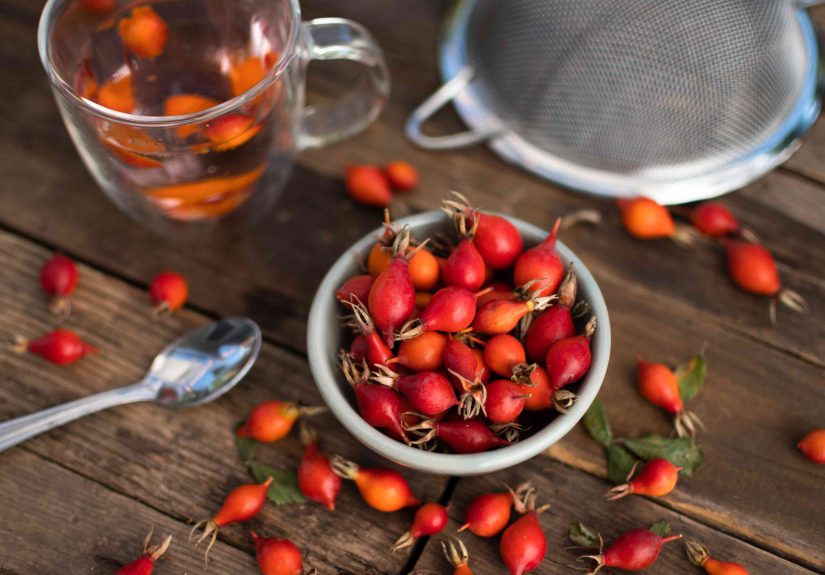
Rose hips are the fruit that forms after a rose is pollinated and the petals drop. Inside are seeds surrounded by a little pulp. Many hips ripen to red or orange in fall and can hang on the plant into winter, which is great news if you are the kind of person who forgets to harvest things until your first “oh wow it’s cold now” moment.
Do all roses make rose hips?
Nope. Some modern roses are bred for nonstop blooms and may be sterile or produce small, disappointing hips (the botanical equivalent of a no-show). If you want hips, you typically need to stop deadheading late in the season so the last flowers can mature into fruit.
Best roses for harvesting rose hips
In general, roses with larger, fleshier hips make kitchen life easier. Many gardeners and foragers love Rosa rugosa (often big, tomato-like hips) and dog-rose types (often used for tea). Wild roses can be excellent too the main rule is: know what you’re picking and where it’s been.
When to Harvest Rose Hips (and Whether Frost Really Matters)
Rose hips are often ready from late summer through fall, and in many places you can harvest well into winter as long as the hips aren’t shriveled, moldy, or turning into bird snacks.
The color test
Pick hips that are at least orange and ideally fully red (depending on the species/variety). They should look plump and healthy. A little softness is fine; “mushy” is not.
“After the first frost” myth, magic, or marketing?
You’ll hear this advice everywhere: harvest after the first frost for sweeter flavor. Here’s the practical take:
- Frost can soften hips and may make them taste less sharp and more fruity.
- You don’t have to wait if wildlife is beating you to it, or if you’d rather harvest firm hips that are easier to trim and de-seed.
- Best compromise: harvest when hips are ripe and colorful; if you want extra sweetness, wait for a light frost not a deep freeze that turns them into wrinkled little lanterns.
How to Harvest Rose Hips
Step 1: Choose a safe harvesting spot
This is not the moment for “free-range mystery produce.” Only harvest from plants you know have not been treated with pesticides or systemic chemicals not labeled for edible use. Avoid roses from roadsides (exhaust, dust, runoff), public medians (unknown spraying), or anywhere pets frequent.
Step 2: Bring the right tools
- Gloves: roses are generous with thorns and stingy with mercy.
- Pruners or scissors: snip hips cleanly to avoid tearing canes.
- A basket or paper bag: breathable is better than plastic, especially if you’re harvesting a lot.
Step 3: Harvest the good ones
Look for hips that are:
- Bright red/orange (depending on variety)
- Plump and intact
- Free of rot, black spots, or fuzzy mold
Leave behind shriveled or mushy hips unless you’re trying to brew “Rose Hip Kombucha of Consequences,” which I do not recommend.
Step 4: Harvest respectfully
Wild rose hips feed birds and wildlife in winter. Take what you’ll use, and leave plenty behind. Your future self will also thank you for not harvesting 12 pounds “just because,” then realizing you have to de-seed them one by one like a Victorian jam-maker with a deadline.
Cleaning and Prepping Rose Hips (Itchy Hair Edition)
Inside a rose hip are seeds and fine hairs. Those hairs are famously irritating (yes, they’re associated with novelty itching powder nature has jokes). The goal: remove or strain them so they don’t end up in your throat.
Basic prep workflow
- Rinse hips in cool water. Pat dry.
- Trim both ends: snip off the stem end and the dried blossom end.
- Decide your path: “whole” (for small hips you’ll strain well later) or “halved and cleaned” (best for larger hips).
Option A: Halve and clean (best for big hips)
- Slice hips in half lengthwise.
- Scoop out seeds and fuzzy hairs with a small spoon, knife tip, or the rounded end of a butter knife.
- Rinse again in a colander to wash away lingering hairs.
Option B: Keep whole (best for small hips)
If the hips are tiny and cleaning them feels like a prank your kitchen is playing on you, leave them whole. Just commit to excellent straining later (fine-mesh strainer + cheesecloth or a coffee filter) so hairs don’t make it into your drink or jelly base.
How to Dry and Store Rose Hips
Drying rose hips lets you make tea and recipes long after the garden is done showing off.
Drying methods
1) Dehydrator (easy mode)
Spread cleaned hips (halved is faster) in a single layer and dry until they’re crisp and brittle. Use the dehydrator’s fruit setting or a low temperature. You want “bone dry,” not “kind of chewy.” Chewy becomes moldy.
2) Low oven (still doable)
Dry rose hips at a very low temperature until crisp. Keep airflow in mind (a slightly cracked oven door can help moisture escape). If your oven runs hot, it can cook the outside while leaving moisture trapped inside not ideal for storage.
3) Air-drying (slow but workable)
In a dry climate, you can air-dry cleaned hips on screens in a well-ventilated room. It’s slower, and you’ll need patience plus a hawk-like eye for any sign of spoilage.
How to store dried rose hips
- Cool completely before storing (warm + jar = condensation).
- Store in an airtight container in a cool, dark place.
- Label with the date. “Mystery jar 2023?” is not a vibe.
Fresh storage
Fresh hips can be refrigerated short-term. For longer storage, freeze cleaned hips (or puree/juice prepared for recipes). Freezing is your friend when you don’t feel like doing everything the same day you harvested.
How to Use Rose Hips (Tea, Syrup, Jelly, and More)
| Form | Best Uses | Flavor Notes |
|---|---|---|
| Fresh hips | Syrup, simmered “juice” base, jelly/jam | Bright, tangy, a little floral |
| Dried hips | Tea, powder, infusions | Tart-fruity; great with honey |
| Powder | Smoothies, oatmeal, yogurt, baking boosts | Fruity-tart; a little earthy |
1) Rose Hip Tea (the classic)
Basic method: Crush or chop dried hips (more surface area = more flavor). Add about 1 teaspoon of dried pieces or powder per cup (or per small teapot), pour boiling water, and steep 5–10 minutes. Then strain well.
Pro tips:
- Use a fine strainer or coffee filter to catch hairs.
- Want it less tart? Add honey, maple syrup, or a cinnamon stick.
- Blend with hibiscus, ginger, orange peel, or mint for a “fancy café” effect at “I own a mug” pricing.
2) Rose Hip Syrup (pancakes, yogurt, cocktails… yes)
Rose hip syrup is basically a fruit syrup with a floral-tart edge. A simple approach:
- Simmer cleaned hips in water until softened (often ~15–20 minutes).
- Mash lightly and strain through cheesecloth to get a smooth liquid.
- Sweeten to taste with sugar or honey, then gently simmer to thicken.
Use it on: pancakes, oatmeal, Greek yogurt, ice cream, or in sparkling water. Also: a spoonful in a winter cocktail is dangerously charming.
Storage note: Keep syrup refrigerated and use within a reasonable time, or freeze for longer storage.
3) Rose Hip Jelly and Jam (the “wow, you made that?” category)
Most rose hip jelly starts with a “juice” base: you simmer hips in water, then strain thoroughly. That liquid gets cooked with sugar and pectin and processed using safe, tested canning directions.
Important: if you’re canning, use a tested recipe from trusted home-preservation sources (extension services and national home food preservation guidance). This is not the time for “I eyeballed it.” Jelly is forgiving; food safety isn’t.
4) Rose Hip “Juice” base (for sauces, glazes, and blends)
Think of this as a tart fruit stock. Simmer hips in water, mash, strain, repeat if needed. Use the liquid to:
- blend into apple or cranberry sauces
- make a glaze for roasted meats (especially pork)
- add a bright note to vinaigrettes
5) Rose Hip Powder (small spoon, big personality)
Once hips are fully dried, you can grind them into a powder. Sift if needed for a smoother texture. Stir into:
- smoothies
- oatmeal or chia pudding
- yogurt
- quick breads and muffins (tart-fruity twist)
Tip: If your powder feels “scratchy,” sift finer and/or make sure hairs were removed or filtered out during processing.
6) Vinegar or honey infusion (lazy-gourmet edition)
Add dried rose hips to apple cider vinegar for a tart, rosy infusion, or steep them in honey for a floral fruit sweetener. Strain well and store appropriately (cool/dark for vinegar; for honey, keep dry utensils to avoid introducing moisture).
Rose Hips in the Garden (Bonus Uses)
Leave some for wildlife
Rose hips are winter food for birds and other wildlife. A rose loaded with hips is basically a seasonal buffet with thorns as the bouncer.
Decorating with rose hips
They’re gorgeous in wreaths and winter arrangements. If you like “cozy,” rose hips are basically edible décor though you’ll want to keep decorative stems away from any plant that’s been sprayed.
Saving seeds (if you like slow hobbies)
You can grow roses from seed, but it’s unpredictable and often slow. Seeds generally need a cold stratification period before they’ll germinate, and results vary widely. If you’re into botanical surprises, it can be fun. If you want guaranteed results, buy a named variety and call it a day.
Safety Notes (Read This Before You Make a Rose Hip Empire)
1) Avoid pesticides and unknown sprays
Do not harvest rose hips from roses that may have been treated with pesticides not intended for edible use. This includes many florist roses and many landscape roses in public spaces.
2) The itchy hairs are real
Rose hip hairs can irritate skin and especially your mouth/throat. Remove them when possible, and strain tea and liquids thoroughly.
3) Food vs. supplement: different risk profiles
Rose hips as food (tea, jelly, syrup) are generally used in modest amounts. Rose hip supplements can be concentrated. If you have a history of kidney stones, iron overload concerns, are pregnant, take blood thinners, or manage chronic conditions, talk to a clinician before using concentrated products regularly. Also: “natural” can still upset your stomach rose hip products may cause digestive side effects in some people.
Troubleshooting: Common Rose Hip Problems
“My tea tastes weak.”
- Crush the hips before steeping.
- Steep longer (rose hips aren’t like black tea; they don’t typically turn bitter the same way).
- Use more hips per cup.
“My tea/jelly tastes scratchy.”
- Strain through a finer filter (coffee filter, layered cheesecloth).
- Clean hips more thoroughly next time (remove hairs and seeds).
“My dried hips molded in storage.”
- They weren’t dry enough. They must be crisp and brittle.
- Let them cool fully before jarring.
- Store airtight, cool, and dark.
“My hips are tiny and annoying.”
Welcome to foraging. Consider using them whole and straining well, or focus on varieties that produce larger hips (like rugosa types) next season.
Conclusion: Your Rose Hip Game Plan
Harvest rose hips when they’re ripe and colorful, ideally after a light frost if you want extra sweetness but don’t wait so long that they turn shriveled. Use gloves, avoid sprayed plants, and treat the “itchy hair” issue like the serious tiny menace it is: remove it when you can, strain it when you can’t.
From there, you’ve got options: dry rose hips for tea, simmer them into syrup, turn the strained juice into jelly, or grind dried hips into powder for everyday use. The best part? Rose hips take something already beautiful (roses) and make it useful which is basically the dream.
Extra: of Rose Hip “Experience” (Collected Wisdom, Not a Fairy Tale)
Here’s what people who actually harvest and use rose hips tend to learn usually after at least one “why did I do this to myself?” evening at the kitchen counter.
1) The harvest is easy. The prep is the boss fight. The first-time rose-hip picker often comes home feeling like a woodland genius. Then they meet the reality of de-seeding. The common workaround is to plan your uses around your patience level: if you want tea, many folks leave smaller hips whole and simply commit to straining well later. If you want jelly or a silky syrup, you’ll be happier doing the halved-and-scooped method (especially with big hips like rugosa).
2) “After frost” is less about rules and more about convenience. A light frost tends to make hips softer and sometimes sweeter, but the bigger advantage is that the plant has basically waved a flag saying, “Yep, the season’s wrapping up.” In practice, experienced foragers often pick part of the crop before frost (firm hips, easier slicing), then grab a second round after frost (softer, often fruitier) and use each batch differently. Firm hips are great for drying. Softer ones are nice for simmering into a juice base.
3) The fastest way to ruin the vibe is mystery chemicals. Gardeners who grow roses for hips get very intentional about what they spray if anything. And when they forage, they avoid the “pretty roses by the parking lot” temptation. Many people learn this lesson the boring way (reading labels) rather than the exciting way (regretting a batch). Be boring here. Your stomach will thank you.
4) Straining is not optional; it’s a lifestyle. Even if you remove seeds and hairs, rose hip liquids can carry tiny fibers. The common “pro” setup is a fine-mesh strainer plus cheesecloth. If someone makes rose hip tea and says it tastes “prickly,” the fix is almost always: strain finer next time. If you’re making jelly, people often strain twice: once to remove solids, and again for clarity and smoothness.
5) Rose hips love friends. On their own, rose hips are tart and floral. That’s lovely but they also play extremely well with apples (for body), citrus (for brightness), ginger (for warmth), and hibiscus (for color and tang). A common experience is making a first batch of plain rose hip tea, then immediately becoming the kind of person who keeps “blend components” in jars like a tiny beverage wizard.
6) The best rose-hip habit is the simplest one. Lots of people start with a grand plan (jelly! syrup! pastries!). The plan that tends to stick is: dry a jar for tea, freeze some cleaned hips, and do one “project” recipe on a weekend. That balance keeps rose hips fun instead of becoming a seasonal second job.
If you take one practical lesson from all this: harvest in batches, match your processing method to your patience, and strain like you mean it. Rose hips don’t ask for perfection they just ask that you respect the fuzz.