Table of Contents >> Show >> Hide
- What Is Philodendron Florida Beauty (and Why Is Everyone Obsessed)?
- Light: The Secret Sauce for Bigger Leaves and Better Variegation
- Soil and Potting: Give Roots Air, Not a Swamp
- Watering: The “Soak and Dry” Rhythm That Prevents Root Rot
- Humidity and Temperature: Warm, Stable, and Slightly Spa-Like
- Fertilizer: Feed Gently, Not Like You’re Powerlifting
- Pruning and Training: Keep It Gorgeous (and Not a Tangled Mystery)
- Propagation: Turning One Florida Beauty Into Two (With Patience)
- Repotting: When and How to Upgrade Without Stress
- Common Problems (and How to Fix Them Without Panicking)
- Pests: The Uninvited Guests Who Love Expensive Plants
- Safety Note: Toxicity for Pets and Kids
- How to Choose a Healthy Philodendron Florida Beauty
- Conclusion
- Grower Experiences: What People Learn After Living With Florida Beauty (An Extra )
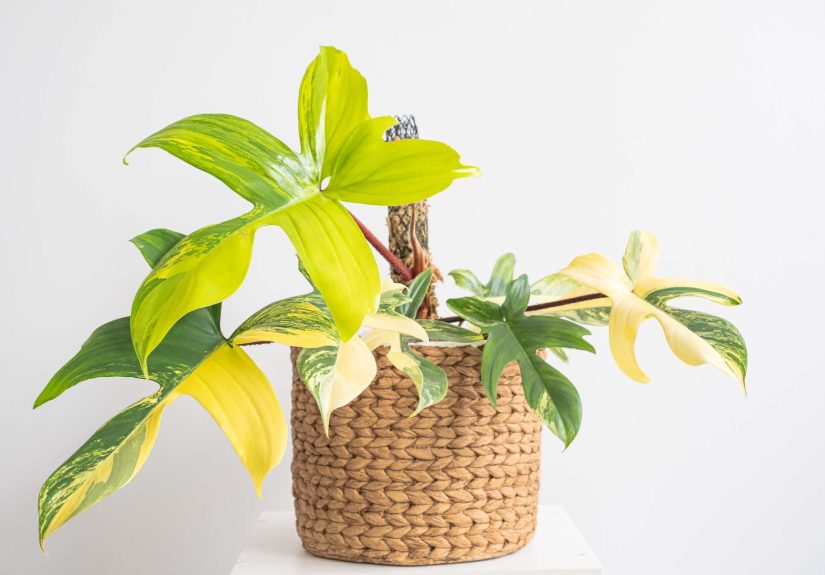
Philodendron Florida Beauty is the kind of houseplant that makes you do a double-takethen a third takethen you
suddenly “need” a new shelf, a grow light, and an emotional support moss pole. This rare-looking philodendron has
dramatic, lobed leaves splashed with creamy yellow variegation that can show up as freckles, marbling, half-moon
panels, or full-on “I painted this with sunshine” blocks.
The good news: Florida Beauty isn’t difficult once you understand what it wants. The slightly trickier news: it will
absolutely tell you when you’re guessing. This guide breaks down light, watering, soil, humidity, feeding, and
troubleshootingplus a longer “real-life grower experiences” section at the end so you can learn from the stuff people
usually discover the hard way.
What Is Philodendron Florida Beauty (and Why Is Everyone Obsessed)?
Florida Beauty is a variegated form of Philodendron “Florida,” a hybrid philodendron known for its star-shaped,
deeply lobed leaves and climbing habit. The “Beauty” part is the variegation: those lighter patches have less
chlorophyll, which is why the plant looks incredible… and also why it needs slightly different care than an all-green
philodendron.
Quick care snapshot
- Light: Bright, indirect light (more than most green philodendrons)
- Water: When the top 1–2 inches of mix are dry
- Soil: Chunky, airy aroid mix with excellent drainage
- Humidity: 50–70% is ideal (but it can adapt)
- Temperature: Warm and steadyavoid cold drafts
- Growth style: Climber; benefits from a pole or support
Light: The Secret Sauce for Bigger Leaves and Better Variegation
If Florida Beauty had a résumé, “bright, indirect light” would be listed under core competencies. Variegated
plants have less chlorophyll in the pale sections, so they’re basically trying to run a full-time photosynthesis
business with part-time staff. More light (without burning) helps maintain strong growth and reduces the odds of the
plant reverting to greener leaves.
Where to place it
- Best windows: East-facing is often ideal; bright north can work; south/west can work with sheer curtains.
- Avoid: Harsh direct sun on the leavesespecially midday sunwhich can scorch variegated tissue faster.
- Rotate: A quarter-turn every week or two helps the plant grow evenly instead of leaning like it’s auditioning for a limbo contest.
Grow lights (if your home is basically a cozy cave)
A small LED grow light can be a game changer in winter or in low-light rooms. Aim for a steady schedule (many people
use 10–12 hours) and keep the light high enough that leaves don’t heat up. If new growth looks smaller, spacing
stretches (leggy), or variegation fades, increase light gradually rather than moving it from “dim” to “solar
surface” overnight.
Soil and Potting: Give Roots Air, Not a Swamp
The fastest way to make Florida Beauty grumpy is to trap its roots in dense, soggy soil. Philodendrons like moisture,
but they also need oxygen at the root zone. That’s why a chunky aroid mix works so well: it holds enough moisture to
hydrate, while still leaving air pockets so roots can breathe.
A simple, effective aroid mix
- Orchid bark (chunky structure)
- Perlite or pumice (aeration)
- Coco coir or peat-based potting mix (moisture retention)
- Optional: a little charcoal or worm castings for freshness and nutrients
Use a pot with drainage holes. “No drainage” is not an aesthetic choice; it’s a root-rot subscription plan. If you
love decorative cachepots, keep the plant in a draining nursery pot and drop it into the pretty outer containerthen
empty any collected water after watering.
Support matters: moss poles and trellises
Florida Beauty is a climber. When it has something to climbmoss pole, coir pole, plank, or trellisits leaves often
size up and mature more dramatically. If you want that “botanical garden exhibit” look, support is your friend.
Watering: The “Soak and Dry” Rhythm That Prevents Root Rot
Watering is where most Florida Beauty heartbreak happens. Not because it’s impossiblebecause it’s easy to be
confident and wrong. The goal is evenly moist, never soggy. A good rule: water when the top 1–2 inches of the mix are
dry, then water thoroughly until excess drains out.
How to check before watering (pick your favorite method)
- Finger test: If the top inch feels dry, you’re likely safe to water.
- Pot weight: Learn the “light” vs. “just watered” feel.
- Wooden skewer: Insert, wait a minute, pull it outif it’s damp with mix stuck to it, hold off.
What variegation changes about watering
Because variegated leaves have less chlorophyll, Florida Beauty can be a slightly slower drinker than an all-green
plant under the same conditions. That doesn’t mean “never water,” it means: don’t water on autopilot. Adjust based on
season, light, pot size, and how airy your mix is.
Common watering symptoms
- Overwatering signs: Yellowing leaves, mushy stems, sour smell, fungus gnats, drooping with wet soil.
- Underwatering signs: Drooping with dry soil, crispy edges, slower growth.
Humidity and Temperature: Warm, Stable, and Slightly Spa-Like
Florida Beauty is tropical, so it prefers warm temperatures and moderate-to-high humidity. Many homes are fine, but
you’ll see the best growth when conditions are consistent.
- Temperature sweet spot: Generally warm indoor temps work well; avoid cold drafts and sudden chills.
- Humidity target: 50–70% is ideal; it can adapt to average home humidity, but may get crispier edges in very dry air.
Easy humidity upgrades (without turning your living room into a rainforest documentary)
- Run a small humidifier nearby during winter heating months.
- Group plants together to create a microclimate.
- Use a pebble tray (helpful, though modest in effect).
- Prioritize airflow toostagnant, humid air can invite leaf issues.
Fertilizer: Feed Gently, Not Like You’re Powerlifting
Florida Beauty grows best with regular, light feeding during active growth. Think “steady snacks,” not “thanksgiving
buffet every week.” A balanced liquid houseplant fertilizer diluted to half strength is a common approach.
Feeding schedule that works for most homes
- Spring and summer: About once a month (or every 2–4 weeks if growth is strong and light is high)
- Fall and winter: Reduce or pause if growth slows
Every couple of months, flush the pot with water (let it drain fully) to reduce fertilizer salt buildupespecially if
you notice crusty soil or leaf tip browning that doesn’t match your watering habits.
Pruning and Training: Keep It Gorgeous (and Not a Tangled Mystery)
Pruning helps shape the plant, remove damaged leaves, and encourage healthier growth. Use clean, sharp scissors or
prunerswipe blades with alcohol before and after to reduce disease spread.
When to prune
- Remove yellowing, damaged, or pest-infested leaves.
- Trim leggy growth if the plant is stretching for light.
- Train stems onto a pole to encourage larger, more mature leaves.
Variegation tip: watch for reversion
Sometimes a variegated plant produces a mostly green stem or leaf set. Green growth can photosynthesize more
efficiently, so it may outcompete the variegated sections over time. If you want to preserve the “Beauty” look,
selectively pruning a strongly reverted stem can help redirect energy to more variegated growth.
Propagation: Turning One Florida Beauty Into Two (With Patience)
Propagation is usually done with stem cuttings that include at least one node (the little bump where roots and new
growth can emerge). A cutting without a node is just a leaf with big dreams.
How to propagate in water
- Cut below a node with a clean blade.
- Remove any leaf that would sit under water.
- Place the node in water; keep leaves above the surface.
- Change water regularly and keep in bright, indirect light.
- Pot up once roots are a few inches long and branching.
How to propagate in sphagnum or mix
- Place the node in damp (not dripping) sphagnum moss or a light propagation mix.
- Keep humidity higher (a clear bag or propagation box helps) with airflow to prevent mold.
- Once roots establish, transition to a chunky aroid mix.
With variegated plants, the variegation pattern of future leaves can vary. Choose a cutting from a section showing
healthy variegation and strong growth.
Repotting: When and How to Upgrade Without Stress
Florida Beauty doesn’t need frequent repotting, but it does appreciate fresh mix and a bit more room when roots
dominate the pot. Many growers repot every 1–3 years, depending on growth rate and conditions.
Signs it’s time
- Roots circling the bottom or coming out of drainage holes
- Soil drying out extremely fast
- Growth slowing despite good light and feeding
Repotting steps
- Pick a pot only 1–2 inches wider than the current one (too big = slow drying = higher rot risk).
- Use fresh chunky mix; pre-moisten it slightly.
- Gently loosen roots and remove old, compacted soil if it’s breaking down.
- Set the plant at the same depth; don’t bury stems deeper than before.
- Water lightly if roots were disturbed a lot; then return to normal watering once it settles.
Common Problems (and How to Fix Them Without Panicking)
Yellow leaves
Yellowing can be normal aging if it’s an older leaf and new growth looks healthy. But widespread yellowing often
points to watering issues (too wet or too dry), poor drainage, or nutrient imbalance. Check soil moisture, drainage,
and root health first.
Brown, crispy edges
Often linked to low humidity, inconsistent watering, or mineral/salt buildup. Increase humidity modestly, keep a more
consistent watering rhythm, and flush the soil occasionally.
Small leaves or long gaps between leaves (leggy growth)
Usually a light problem. Move the plant to brighter indirect light or add a grow light. Training it up a pole can
also improve leaf size over time.
Root rot
If the mix stays wet, roots can suffocate and rot. If you suspect rot (mushy stems, bad smell, limp leaves with wet
soil), act quickly: remove the plant, trim mushy roots, refresh the mix, and repot into a smaller or better-draining
setup. Then water less often while it recovers.
Pests: The Uninvited Guests Who Love Expensive Plants
Florida Beauty can attract common houseplant pests like spider mites, mealybugs, and scaleespecially if conditions
are dry or the plant is stressed. Inspect leaf undersides, petioles, and nodes regularly.
Best first response
- Isolate the plant to prevent spreading.
- Wipe leaves with a damp cloth to physically remove pests.
- Treat with insecticidal soap or a houseplant-safe spray, repeating as needed (pests rarely leave after one stern talk).
- Improve conditions (light, airflow, watering) so the plant can rebound.
Safety Note: Toxicity for Pets and Kids
Like many aroids, philodendrons contain compounds that can irritate if chewed or ingested. If you have pets that snack
on greenery or small children who explore the world with their mouths, place Florida Beauty out of reach.
How to Choose a Healthy Philodendron Florida Beauty
- Look for: Firm stems, clean leaves, no webbing or cottony clusters, and healthy new growth.
- Check variegation balance: Some cream/yellow is great; leaves that are mostly pale may be weaker long-term.
- Inspect the soil: It shouldn’t smell sour or look like a constantly wet sponge.
- New plant quarantine: Keep it separate for 1–2 weeks to catch pests early.
Conclusion
Philodendron Florida Beauty thrives when you treat it like a tropical climber with a flair for the dramatic: bright
indirect light, an airy mix, a sensible watering routine, warmth, and a little humidity. Give it support to climb,
feed lightly during growth, and stay alert for pests and overwatering. Do that, and it will reward you with bold,
sculptural leaves that look custom-paintedbecause in a way, they are.
Grower Experiences: What People Learn After Living With Florida Beauty (An Extra )
A lot of Florida Beauty “experience” is really just learning to stop treating it like a generic green houseplant with
fancy leaves. Many growers start out watering it on the same schedule as their other aroidsthen notice something
confusing: the pot is still damp, but the plant looks a little tired. That’s often the moment they realize variegation
changes the pace. Less chlorophyll can mean slower energy production, which can translate to slower water use. The
upgrade here isn’t a complicated techniqueit’s a habit: check the soil every time, and water when it actually needs
it, not when your calendar app says you’re a “responsible plant parent.”
Another common chapter is the “light negotiation.” Growers often report that Florida Beauty looks best when it’s close
to a bright window, but not close enough to get toasted. Some people move it farther away to avoid scorching, then
wonder why new growth is smaller or greener. The fix is usually incremental: move it a little closer, add a sheer
curtain, or supplement with a grow light rather than yo-yoing between extremes. Over time, many people learn to read
the plant’s body language: compact growth and stronger variegation usually mean it’s happy with light; stretching and
shrinking leaves mean it’s asking for more.
Support is another “I didn’t think it mattered” moment. Plenty of collectors keep Florida Beauty trailing for a
while, then finally add a moss pole and watch it shift into a new gear. Leaves may slowly size up, lobes become more
pronounced, and the plant looks less like a tangle of stems and more like a deliberate sculpture. The practical
lesson: if you want mature-looking foliage, give it something to climb and secure stems gently as it grows. It’s not
instantmore like a gradual upgradebut it’s one of the most reliable ways to level up the plant’s appearance.
Then there’s the “root rot rescue story,” whichstatistically speakingsomeone in your plant group chat is currently
living through. The typical pattern is heavy soil, a pot that stays wet, and a plant that suddenly droops even though
it was watered recently. People who successfully save a Florida Beauty often do three things: they downsize to a pot
that matches the root ball, switch to a chunkier mix, and reduce watering while it regrows healthy roots. Many also
start using clear nursery pots (inside a decorative cachepot) so they can monitor root health without turning every
watering day into a full excavation.
Finally, there’s the “variegation drama.” Some growers notice a run of greener leaves and panic that the plant is
“losing its magic.” Usually, it’s a cue to evaluate light first. If light is adequate, the next lesson is patience:
variegation can fluctuate naturally, and each leaf is its own surprise. If a stem becomes strongly reverted and starts
growing faster than the variegated sections, experienced growers may prune that stem back to encourage more balanced,
variegated growth. It sounds intense, but it’s basically editing: you’re helping the plant invest in the look you
brought it home for. And when the next leaf unfurls with a perfect splash of color, it feels like the plant is saying,
“Fine. You win. I’ll be fabulous.”