Table of Contents >> Show >> Hide
- What Makes Black Krim Tomato So Special?
- How to Start Black Krim Tomato the Right Way
- Where to Plant Black Krim Tomato
- Planting Tips for Stronger Black Krim Tomatoes
- Watering Black Krim Tomato Without Creating Drama
- How to Fertilize Black Krim Tomato
- Pruning and Supporting Black Krim for Better Harvests
- Common Black Krim Tomato Problems and How to Fix Them
- When and How to Harvest Black Krim Tomato
- Growing Black Krim Tomato in Containers
- Why Gardeners Keep Coming Back to Black Krim
- Experience-Based Tips from Gardeners Who Learn by Doing
- Conclusion
- SEO Tags
If ordinary red tomatoes are the dependable jeans of the summer garden, Black Krim is the dramatic leather jacket. It shows up looking moody, tastes rich and smoky, and somehow makes every sandwich feel a little more important. Gardeners love it for its deep color, savory flavor, and old-school heirloom charm. They also love it because when Black Krim is happy, it does not merely produce tomatoes. It produces conversation starters.
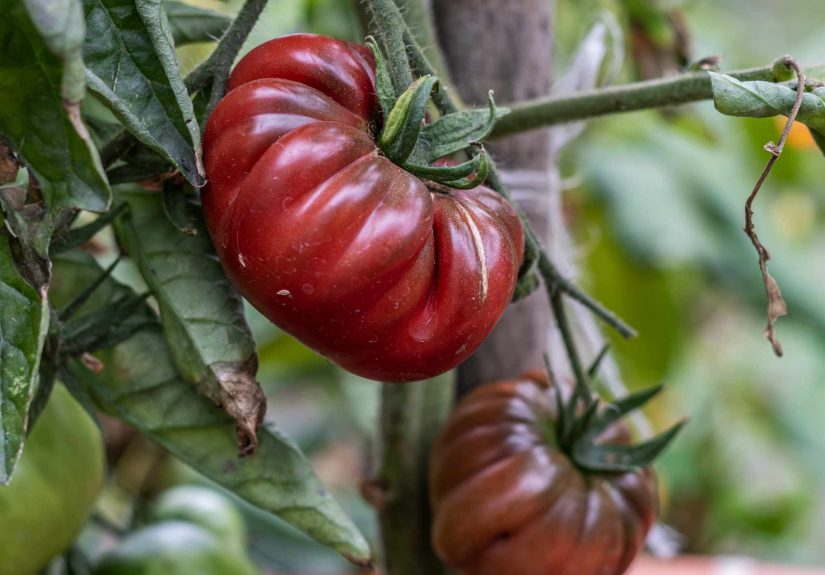
This variety is known for dusky fruit with greenish shoulders, juicy flesh, and a flavor that leans sweet, salty, and slightly smoky. In other words, it is not trying to be a bland supermarket tomato, and honestly, good for it. But Black Krim does have opinions. It prefers warmth, steady moisture, support for its vigorous vines, and gardeners who understand that heirlooms are sometimes a little more temperamental than hybrids.
If you want a harvest of bold, beautiful slicers instead of split fruit and garden heartbreak, this guide will walk you through everything you need to know about growing and caring for Black Krim tomato plants, from seedling stage to first glorious bite.
What Makes Black Krim Tomato So Special?
Black Krim is an indeterminate heirloom tomato, which means it keeps growing, flowering, and fruiting over a long season instead of producing everything in one neat burst. The fruit is usually medium to large, often beefsteak-like, and famous for dark mahogany skin with green shoulders near the stem. In hot weather, the shoulders can become even darker, giving the fruit its unmistakable dramatic look.
Flavor is the main event. Black Krim tomatoes are prized for a complex taste that balances sweetness, acidity, and a savory depth many gardeners describe as smoky or earthy. These are not just tomatoes for tossing into a pot without a second thought. They are tomatoes for slicing thick, sprinkling with salt, and admiring for an unnecessary but fully justified amount of time.
Because Black Krim is open-pollinated, gardeners can also save seeds from healthy, true-to-type fruit for future seasons. That makes it a favorite among heirloom fans who enjoy growing varieties with history and character.
How to Start Black Krim Tomato the Right Way
Start seeds indoors early
Black Krim tomato plants need a long, warm growing season, so many gardeners start seeds indoors about six to eight weeks before the last expected spring frost. Use a sterile seed-starting mix, keep the medium evenly moist, and provide strong light as soon as seedlings emerge. Weak light creates leggy seedlings, and leggy seedlings are basically tomato teenagers with no supervision.
Warmth matters too. Tomato seeds germinate best in warm conditions, so a heat mat can speed things along if your seed-starting area runs cool. Once seedlings develop their first true leaves, pot them up if needed so they have room to build strong roots before transplanting.
Harden off before planting outside
Do not move pampered indoor seedlings directly into full sun and spring wind unless you want them to react like someone tossed them out of an air-conditioned mall into the desert. Harden them off gradually over seven to fourteen days. Start with a few hours in a sheltered, shady spot, then increase outdoor time, sunlight, and exposure bit by bit.
This transition helps plants adjust to temperature swings, wind, and stronger light. Skipping hardening off can lead to shock, slowed growth, or scorched foliage right when you want your tomatoes to hit the ground running.
Where to Plant Black Krim Tomato
Sunlight is non-negotiable
Black Krim needs full sun for strong growth and good fruit production. Give it at least six to eight hours of direct sunlight a day, and more is often better in areas without brutal midsummer heat. Less sun usually means fewer tomatoes, weaker flavor, and plants that look like they are trying to negotiate a better contract.
Choose fertile, well-drained soil
Tomatoes perform best in rich, well-drained soil with plenty of organic matter. Work compost into the bed before planting to improve both fertility and structure. A slightly acidic soil pH around 6.2 to 6.8 is a sweet spot for tomatoes, though they can still perform reasonably well in a broader range if drainage and nutrition are good.
Wait for warm soil
Black Krim is a warm-season plant. Set it outside only after frost danger has passed and the soil has warmed. Cold soil can stunt growth, delay flowering, and leave plants sulking for weeks. If spring weather is still unpredictable, hold your horses and your tomato transplants.
Planting Tips for Stronger Black Krim Tomatoes
Plant deeply
One of the best tomato tricks is also one of the easiest: plant deeply. Remove the lower leaves and bury part of the stem when transplanting. Tomato stems can form roots along buried sections, giving the plant a stronger root system and better access to water and nutrients.
Give each plant enough space
Black Krim is not a tiny, polite patio tomato. It is a vigorous indeterminate grower that needs breathing room. Space plants far enough apart to allow airflow and easy maintenance. Crowded tomatoes hold moisture on leaves longer, which can invite disease and make harvesting feel like navigating a jungle with a salad at stake.
Install support at planting time
Use a sturdy cage, stake, or trellis from the start. Black Krim produces hefty fruit on long vines, and waiting until the plant turns into a leafy octopus is not an efficient support strategy. Strong support keeps fruit off the ground, improves airflow, and makes pruning and harvesting much easier.
Watering Black Krim Tomato Without Creating Drama
If Black Krim had a main rule, it would be this: keep moisture consistent. Irregular watering can lead to fruit cracking and can contribute to blossom-end rot by interfering with calcium movement in the plant. That means you do not want bone-dry soil followed by a flood that makes the plant think it has entered the monsoon season.
Aim for deep, thorough watering rather than frequent shallow sprinkles. In many gardens, tomatoes need about 1 to 2 inches of water per week, though exact needs depend on heat, wind, soil type, and whether plants are in containers or in-ground beds. Water at the base of the plant instead of wetting the foliage. Wet leaves plus poor airflow is a classic recipe for trouble.
Mulch is your best friend here. Apply a layer of straw, shredded leaves, or other clean organic mulch after the soil has warmed. Mulch helps moderate soil moisture, reduce weeds, and limit soil splash that can move disease organisms onto leaves. It is like a manager, a bodyguard, and a moisture-retention specialist all at once.
How to Fertilize Black Krim Tomato
Tomatoes are hungry plants, but they should not be force-fed nitrogen like they are trying to bulk up for a bodybuilding competition. Too much nitrogen can give you enormous leafy plants with disappointing fruit set. Start with compost-rich soil or a balanced planting fertilizer, then side-dress later as the plants begin setting fruit.
A tomato-specific fertilizer or compost side-dressing during the season often works well. Watch the plant. If it is deep green, sturdy, and flowering well, you are probably in the right zone. If it is all foliage and no fruit, ease off the nitrogen. If growth looks pale or sluggish, a measured feeding may help.
And no, random internet gardening myths do not suddenly become science because somebody typed them in all caps. Add supplements only when there is a real need. Consistent moisture, healthy soil, and sensible feeding usually solve more tomato problems than miracle fixes ever will.
Pruning and Supporting Black Krim for Better Harvests
Prune for airflow, not perfection
Pruning Black Krim can help manage growth, improve airflow, and make plants easier to handle. Remove lower leaves that touch the soil or sit close to it. This reduces splash-up from watering or rain and can lower disease pressure. Many gardeners also remove some suckers, especially if they are training the plant to one or two main stems.
That said, do not get carried away and turn your tomato into a stick with trust issues. The goal is a balanced plant with enough foliage to protect fruit from sunscald, but not so much dense growth that humidity lingers inside the plant canopy.
Use heavy-duty support
Because Black Krim is indeterminate and often produces sizeable fruit, flimsy cages are a gamble. A solid stake, reinforced cage, or trellis system is worth the trouble. Tie stems loosely with soft garden ties as they grow. Proper support keeps stems from snapping, fruit cleaner, and your harvest easier to spot before it passes from perfect to overripe.
Common Black Krim Tomato Problems and How to Fix Them
Cracking
Black Krim fruit can crack, especially when dry conditions are followed by heavy watering or rain. The fix is boring but effective: keep soil moisture steady, mulch well, and harvest promptly when fruit ripens. Heirlooms are often more prone to cracking than many commercial hybrids, so this is more “manage it well” than “eliminate it forever.”
Blossom-end rot
If the bottom of the fruit develops a dark, leathery patch, that is usually blossom-end rot. It is commonly linked to inconsistent soil moisture and poor calcium uptake rather than a mysterious curse. Keep watering consistent, avoid extreme dry-wet cycles, and do not overdo fertilizer.
Fungal disease pressure
Tomatoes can run into early blight and other foliar diseases, especially in warm, humid weather. Good spacing, staking, mulching, and watering at the soil line all help. Remove diseased lower leaves quickly and do not compost badly infected material unless you know your compost system gets hot enough to handle it.
Poor fruit set in extreme heat
Like many large-fruited tomatoes, Black Krim can slow down when nights stay too warm or daytime temperatures get intense. Usually the plant rebounds when conditions moderate. This is another reason to keep plants healthy early, so they can ride out weather swings without collapsing into garden melodrama.
When and How to Harvest Black Krim Tomato
Black Krim is usually ready in roughly the late-midseason window, often around 70 to 90 days from transplant depending on climate and conditions. Harvest when the fruit has developed its deep dusky color and gives slightly under gentle pressure. The shoulders may stay greenish or brownish even when ripe, so do not wait for the entire tomato to turn a simple uniform red. Black Krim refuses to be simple.
Pick fruit before it becomes overly soft or begins splitting. For the best flavor, let tomatoes ripen on the vine as much as practical, then bring them indoors once they are at peak ripeness. Store ripe tomatoes at room temperature, not in the refrigerator, unless you absolutely must slow them down for a short time.
Growing Black Krim Tomato in Containers
Yes, you can grow Black Krim in a container, but think big. Choose a large pot with excellent drainage and use a high-quality potting mix rather than garden soil. Because containers dry out faster than in-ground beds, watering must be more consistent, especially in hot weather. You will also need a strong cage or trellis anchored securely in the pot.
Container-grown Black Krim can be incredibly rewarding if you stay on top of watering and feeding. Neglect it for a weekend in July, though, and the plant may file a silent but persuasive complaint through curled leaves and split fruit.
Why Gardeners Keep Coming Back to Black Krim
Black Krim is not popular because it is the easiest tomato in the world. It is popular because it tastes extraordinary and looks memorable. In a garden full of reliable red slicers, it brings personality. In a summer sandwich, it brings depth. In a bowl with basil, olive oil, and flaky salt, it brings the kind of flavor that makes gardeners feel a little smug in the best possible way.
Grow it with warmth, sun, steady watering, rich soil, and sturdy support, and Black Krim will reward you with fruit that tastes like summer got serious about flavor.
Experience-Based Tips from Gardeners Who Learn by Doing
Once you grow Black Krim for a season, you begin to understand that success is not just about memorizing tomato care rules. It is also about noticing patterns. The gardeners who do best with this variety are usually the ones who pay attention to small changes before they become big problems. They notice when the soil dries faster than usual during a windy week. They notice when lower leaves start looking crowded or when a fruit is nearly ripe and should be picked before the next thunderstorm turns it into a cracked science experiment.
One common experience with Black Krim is surprise at how different the fruit can look from one week to the next. Early on, first-time growers sometimes assume the green shoulders mean the tomato is not ready. Then they wait too long and end up with fruit that is a little too soft. Over time, gardeners learn to judge ripeness by both color and feel. The fruit deepens into that brownish-red, dusky tone, and the skin develops a slight give. Once you have harvested a few at the perfect stage, your hands almost remember it.
Another thing experienced growers mention is how much flavor depends on patience. Black Krim can look odd compared with classic red tomatoes, so there is a temptation to treat it like a novelty and pick it early. But this variety really shines when allowed to ripen properly. Gardeners often describe that first truly ripe Black Krim slice as the moment they finally understand why heirloom lovers keep talking about flavor with the intensity of film critics discussing cinema.
Support is another lesson people tend to learn the practical way. A lightweight cage may seem fine in June. By late July, that same cage can be leaning at a suspicious angle while the plant spills over the top like it is trying to escape. Many gardeners who grow Black Krim more than once upgrade to taller cages, stronger stakes, or a trellis system after their first season. The plant is productive, but it expects your infrastructure to keep up.
Watering habits also make a huge difference in real gardens. Many growers discover that Black Krim is forgiving in some ways and very dramatic in others. Miss a feeding once, and it may be fine. Let the soil swing wildly from dry to soaked, and it answers with splitting. Gardeners who mulch well and water deeply on a regular schedule often report smoother fruit, fewer issues, and less stress overall. It is one of those simple practices that feels almost too basic, yet it solves a remarkable number of problems.
There is also the weather factor, which every gardener learns to respect. In cooler summers, Black Krim may ripen more slowly and develop slightly different color. In very hot weather, fruit can darken beautifully, but the plant may also need extra attention to moisture. Gardeners in humid regions often become strict about pruning lower leaves and keeping foliage dry, while growers in drier climates may focus more on preserving moisture and preventing heat stress. Same tomato, different local strategy.
Perhaps the most relatable experience is this: nearly everyone who grows Black Krim has at least one fruit that never makes it to the kitchen. It gets eaten outdoors, maybe standing in the garden, maybe with a little salt, maybe not even sliced properly. That is because Black Krim has the rare ability to turn a routine harvest into a small summer event. And honestly, any tomato that can do that deserves a permanent place in the garden.
Conclusion
Growing Black Krim tomato is equal parts technique and timing. Give it full sun, rich well-drained soil, sturdy support, and steady moisture, and it will repay you with unforgettable fruit. It is not the bland overachiever of the tomato world. It is the flavorful heirloom with a little swagger. Treat it well, stay ahead of watering and airflow, and your reward is a tomato harvest that looks dramatic and tastes even better.