Table of Contents >> Show >> Hide
- What Is a Ball Cactus?
- Best Growing Conditions for Ball Cactus
- How to Water a Ball Cactus
- Fertilizing a Ball Cactus
- How and When to Repot
- How to Propagate Ball Cactus
- Common Problems and How to Fix Them
- Can You Grow Ball Cactus Outdoors?
- Quick Care Summary
- What Growing Ball Cactus Is Really Like: Practical Experiences and Lessons from Real Homes
- Final Thoughts
If you love houseplants but do not love drama, the ball cactus may be your perfect prickly roommate. Compact, sculptural, and surprisingly charming, this round little cactus brings strong “I woke up like this” energy to a windowsill. It does not ask for daily pep talks, frequent watering, or an emotional support humidifier. What it does want is bright light, quick-draining soil, and a human who knows that kindness does not mean drowning it.
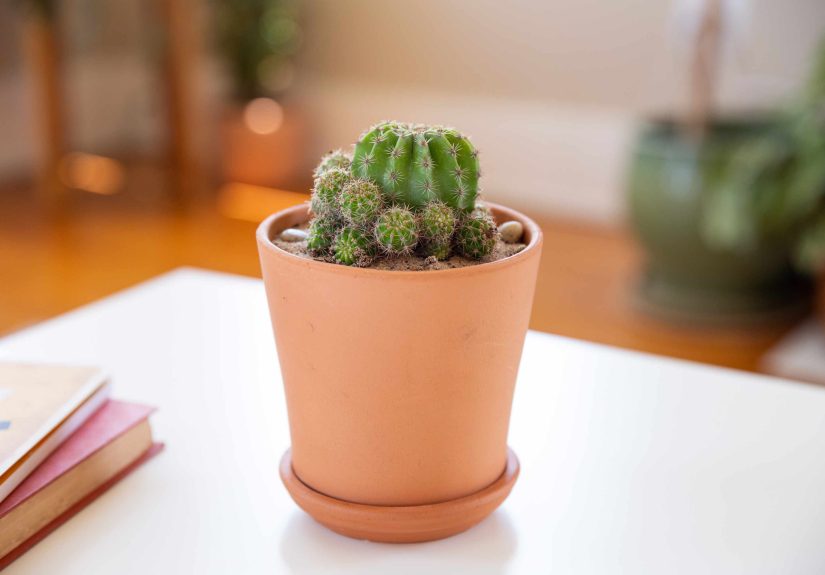
The name ball cactus is often used for round, globe-shaped cacti commonly grown as houseplants, especially Parodia types such as Parodia magnifica, which is also sold as balloon cactus. These plants are loved for their tidy shape, ribbed stems, neat spines, and cheerful yellow flowers when conditions are right. The good news is that ball cactus care is not complicated. The better news is that once you understand how these plants grow, it becomes much easier to avoid the classic beginner mistake: loving your cactus a little too wetly.
What Is a Ball Cactus?
A ball cactus is typically a slow-growing, globular cactus with a rounded body, visible ribs, and clusters of spines. Some stay solitary for years, while others eventually form clumps. Depending on the species or age, the plant may remain almost perfectly round or stretch into a short column over time. Many varieties bloom from the top of the plant, producing bright flowers that look like the cactus is wearing a tiny crown and feeling fabulous about it.
Ball cacti are native to parts of South America and are adapted to strong light, periods of dryness, and airy, fast-draining conditions. That natural background explains almost every care rule that matters indoors. If you recreate those basics, your plant will usually stay healthy, firm, and attractive for years.
Best Growing Conditions for Ball Cactus
Light: Give It Sun, Not a Dungeon
Ball cactus needs bright light to keep its shape. Indoors, the best location is usually a south-facing window, though a bright west-facing window can also work. If your home is not exactly blessed with sunshine, a grow light can help prevent weak, stretched growth.
A healthy ball cactus looks compact and sturdy. A light-starved one begins to lean, fade, or stretch upward in a sad attempt to find the sun. That stretched look, called etiolation, is your cactus sending a clear message: “Respectfully, this corner is too dark.”
That said, do not move it from a dim store shelf straight into blazing afternoon sun and expect applause. Acclimate it gradually over a week or two so the skin does not scorch. Think of it like beach season for plants. Nobody wants a first-day sunburn.
Temperature: Warm Days, Cooler Winters
Ball cactus enjoys average indoor temperatures during the growing season. Warm rooms are fine in spring and summer as long as the plant gets enough light and the soil dries properly. During winter, many cacti appreciate a cooler, brighter rest period. If you can give your ball cactus a cool room or a bright windowsill that stays a bit chillier in winter, you may encourage stronger growth and better flowering later on.
Extreme cold is a different story. Protect the plant from freezing temperatures, icy drafts, and contact with cold glass. A cool rest is helpful. A frozen cactus is a lesson nobody asked for.
Humidity and Airflow
Average indoor humidity is usually fine. In fact, ball cactus is much happier with dry air than with steamy, stagnant conditions. Good airflow helps reduce rot problems, especially if you accidentally overwater. Skip the terrarium idea. A ball cactus in a closed glass jar is not living its best life.
Soil: Drainage Is Everything
The right potting mix can make ball cactus care dramatically easier. Use a commercial cactus or succulent mix, or make your own blend with potting soil plus mineral ingredients such as pumice, perlite, coarse sand, or grit. The goal is a mix that drains quickly and lets air reach the roots.
Heavy, moisture-retentive soil is where trouble begins. If the roots stay wet for too long, rot follows. That is why ball cactus does much better in a lean, gritty mix than in standard all-purpose houseplant soil straight from the bag.
Pot Choice: Small, Shallow, and With Drainage Holes
Always choose a container with a drainage hole. Not “preferably.” Not “sometimes.” Always. A pot without drainage turns watering into a guessing game, and cacti are terrible gamblers.
Ball cactus generally prefers a snug pot rather than a huge one. Because many cacti have relatively shallow root systems, a shallow pot can work well. Terra-cotta is a popular choice because it dries faster than plastic and gives cautious over-waterers a helpful margin for error.
How to Water a Ball Cactus
If there is one rule to remember, it is this: water deeply, then let the soil dry out well before watering again. Do not sprinkle the top every few days. Do not keep the mix evenly moist. And do not water on autopilot just because it is Sunday.
Instead, check the soil. Stick a finger into the mix, use a wooden skewer, or simply lift the pot. If the mix still feels moist or the pot feels heavy, wait. When it is dry most of the way down, water thoroughly until water runs out the bottom. Then let excess water drain away completely.
During spring and summer, your ball cactus may need water more often because it is actively growing and receiving more light. During fall and winter, water much less. A cactus resting in lower winter light uses moisture slowly, so frequent watering during that time is one of the fastest ways to cause root rot.
Also avoid letting water sit in the saucer. Empty it after watering. Your cactus wants a drink, not a swamp vacation.
Fertilizing a Ball Cactus
Ball cactus is not a heavy feeder. During the active growing season, a light dose of cactus fertilizer or a balanced houseplant fertilizer diluted more than usual is enough. Feeding once a month in spring and summer is typically plenty. Some growers go even lighter, especially with slow-growing plants.
Do not fertilize in winter when the plant is resting. And if you have just repotted it into fresh mix, wait a while before feeding. New soil already gives the roots a fresh start, and piling fertilizer on immediately is like handing a gym membership to someone still unpacking boxes.
How and When to Repot
Ball cactus does not need frequent repotting. In fact, it often grows better when slightly pot-bound. Repot only when the roots crowd the pot, the soil has broken down, or the plant has clearly outgrown its container. Spring is the best time to do it.
When repotting, move up only one pot size. A much larger pot holds too much unused soil, which stays wet longer than the plant can handle. Use gloves, folded newspaper, or tongs padded with cloth to protect both your hands and the cactus. It is a gardening task with a tiny bit of suspense.
After repotting, wait a few days before watering. This allows any small root injuries to dry and reduces the risk of rot.
How to Propagate Ball Cactus
Propagation depends on the type of ball cactus you have. Some can be grown from seed, while clumping forms may eventually produce offsets that can be separated. If you remove an offset, let the cut side dry and callus before placing it into dry or barely moist cactus mix.
Do not rush the watering after propagation. Fresh cuts and soggy soil are a terrible combination. Patience matters here more than enthusiasm.
Common Problems and How to Fix Them
1. Soft, Mushy Base
This usually points to overwatering or rot. Remove the plant from the pot and inspect the roots. If the base is blackened or mushy, recovery may be difficult. Prevention is much easier: fast-draining soil, a pot with drainage, and watering only when the mix is dry.
2. Stretching or Leaning
Your cactus needs more light. Move it to a brighter window or add a grow light. Damaged, stretched growth usually does not shrink back, but new growth can come in more compact once light improves.
3. Brown or Bleached Patches
This may be sun scorch, especially if the plant was moved abruptly into stronger sun. Shift it slightly back from the glass and reintroduce brighter light gradually.
4. Tiny Cottony Pests
Those are often mealybugs. Scale insects and spider mites can also appear. Isolate the plant, wipe visible pests away carefully, and inspect nearby plants. Many early infestations are manageable if you catch them before the bugs decide to throw a family reunion.
5. No Flowers
A healthy ball cactus may still refuse to bloom if it is too young, too shaded, or kept too warm and wet through winter. More light and a cooler, drier winter rest often improve the odds, though some patience is still required. Flowering is the cactus version of a bonus scene, not a guaranteed daily service.
Can You Grow Ball Cactus Outdoors?
Yes, but only if your climate is warm enough or if you move it outdoors seasonally. Many indoor growers put their cactus outside in late spring or summer after frost danger passes. This can improve growth and color, but the transition should be gradual. Start in bright shade or filtered light, then increase exposure slowly.
Before bringing the plant back indoors in fall, inspect it for insects and make sure the soil is not staying too wet from rain. Outdoor air is lovely. Outdoor rain every afternoon is less charming for a cactus in a decorative pot.
Quick Care Summary
- Light: Bright light, with several hours of sun if possible.
- Water: Soak thoroughly, then let the soil dry well.
- Soil: Fast-draining cactus mix with added grit if needed.
- Pot: Small pot with drainage holes.
- Fertilizer: Light feeding in spring and summer only.
- Winter care: Less water, bright light, cooler conditions if possible.
What Growing Ball Cactus Is Really Like: Practical Experiences and Lessons from Real Homes
One of the most common experiences people have with ball cactus is buying one because it looks nearly indestructible, then discovering that “low maintenance” is not the same thing as “no instructions required.” It often starts innocently. The cactus looks adorable on a desk, coffee table, or kitchen shelf. Then a few weeks later it starts leaning, turning pale, or softening at the base, and the grower begins a full detective investigation worthy of a prestige crime show. The usual culprit is either not enough light or too much water.
Many beginners are surprised by how much ball cactus changes with the seasons. In summer, it may seem active and sturdy, drying out faster and even putting on noticeable growth. In winter, it can sit almost motionless for weeks, which is completely normal. This is where experience really helps. New growers often keep watering at the same pace year-round, assuming consistency equals good care. With cactus, the smarter move is seasonal inconsistency. More water when it is actively growing, less when it is resting. Once people notice that pattern, their success rate goes way up.
Another common lesson is that location matters more than people expect. A room may look bright to human eyes and still be too dim for a cactus. Growers often report that their ball cactus did almost nothing for months in a cute but gloomy corner, then perked up dramatically once moved closer to a sunny window. Stronger light can improve color, shape, and even flowering. It is one of those “same plant, different apartment, different personality” situations.
Repotting also teaches people patience. Many houseplant owners assume bigger pots equal happier plants, but ball cactus tends to prefer the opposite. A slightly snug pot helps the soil dry more predictably. Gardeners who switch from oversized decorative pots to smaller containers with drainage often notice that the plant becomes easier to manage almost immediately. Suddenly the roots are not sitting in damp soil for ages, and the owner is not hovering over the pot wondering whether they have committed horticultural betrayal.
Growers also learn that ball cactus has a quiet kind of personality. It does not wilt dramatically like a peace lily. It does not drop theatrical yellow leaves to make a point. Instead, it gives subtle signs. A slight lean. A softer feel. A faded tone. A patch of discoloration. Experienced cactus owners get good at noticing those small changes early, and that is usually the difference between a quick adjustment and a full plant rescue mission.
Perhaps the most rewarding experience is seeing a healthy ball cactus stay beautiful with relatively little fuss. Once people understand the rhythm, the plant becomes delightfully simple: bright light, a gritty mix, deep but infrequent watering, and a calm winter. Over time, some plants flower, some form offsets, and some simply become that one reliable windowsill plant that makes the whole room look better. It is not flashy every day, but it has excellent long-term manners. And in the world of houseplants, that counts for a lot.
Final Thoughts
Ball cactus is an excellent choice for gardeners who want a compact, eye-catching plant without signing up for constant maintenance. The trick is to care for it like a cactus, not like a tropical houseplant. Give it strong light, let the soil dry properly, use a gritty mix, and resist the urge to overhelp. In return, you get a plant that stays tidy, grows slowly, and may even reward you with bright blooms perched on top like a tiny golden crown.
In other words, the ball cactus is not difficult. It is just very committed to boundaries.