Table of Contents >> Show >> Hide
- What Is Arizona Cypress?
- Best Growing Conditions for Arizona Cypress
- How to Plant Arizona Cypress the Right Way
- Watering: The First Year Matters Most
- Fertilizer and Pruning: Less Drama, Better Results
- Common Problems and How to Avoid Them
- Best Landscape Uses for Arizona Cypress
- Popular Arizona Cypress Cultivars
- Real-World Experiences Growing Arizona Cypress
- Conclusion
- SEO Tags
Some trees are high-maintenance divas. Arizona cypress is not one of them. This evergreen is more like that reliable friend who shows up on time, looks good in every season, and only asks for three things: sunshine, drainage, and a little common sense. If you want a conifer with smoky blue-green foliage, handsome peeling bark, and a real talent for handling heat and drought, Arizona cypress deserves a serious look.
Known botanically as Hesperocyparis arizonica and still often sold as Cupressus arizonica, Arizona cypress is native to the American Southwest and northern Mexico. It is widely planted as a specimen tree, privacy screen, windbreak, and low-water landscape evergreen. In the right setting, it gives you year-round structure without acting like your irrigation bill is a personal challenge.
What Is Arizona Cypress?
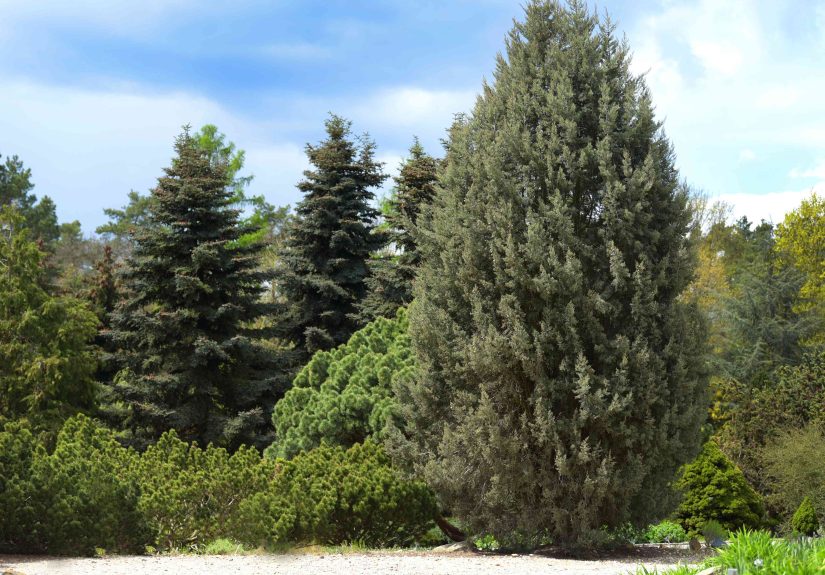
Arizona cypress is an evergreen conifer with soft, scale-like foliage rather than long needles. Depending on the species form, cultivar, and growing conditions, mature plants may reach roughly 30 to 60 feet tall and 15 to 30 feet wide. Some selections stay narrower and are especially popular for screening, while others grow into broader pyramidal trees with a classic conifer silhouette.
Its color is a big part of the appeal. Some trees lean gray-green, while popular cultivars such as ‘Carolina Sapphire’ and ‘Blue Ice’ bring stronger blue or silvery tones to the landscape. The bark is another bonus. Younger trees often show peeling reddish or orange-brown bark, and older specimens develop textured trunks that look like they have seen a few things and written a memoir about it.
If your climate is hot, sunny, and on the dry side, Arizona cypress can be a star. If your climate is sticky, muggy, and determined to grow mildew on patio furniture, the tree may be less enthusiastic.
Best Growing Conditions for Arizona Cypress
Give It Full Sun
Arizona cypress wants full sun. Not “bright indirect light.” Not “a little morning sun and a motivational speech.” Full sun. At least six hours of direct light daily is the sweet spot, and more is often better. In shade, the foliage tends to thin out, and the tree loses the dense, handsome look that makes it so useful in the landscape.
Prioritize Drainage Over Fancy Soil
The big rule with Arizona cypress is simple: the soil must drain well. Sandy, loamy, rocky, and even some clay soils can work if water does not sit around the roots for long periods. This tree is not picky about pH and can tolerate acidic, neutral, or alkaline soil, but it hates wet feet. Poor drainage is one of the fastest ways to turn a tough desert-style evergreen into a sad brown cautionary tale.
If your site stays soggy after rain, do not assume mulch and optimism will fix it. Improve drainage, plant on a berm, choose a raised area, or pick a different plant entirely. Arizona cypress likes leaner soils more than rich, moisture-holding ones.
Hot, Dry Climates Are Its Comfort Zone
This tree performs best in USDA Zones 7 through 9 and thrives in hot, dry, or semi-arid regions. It handles summer heat well and becomes quite drought tolerant once established. That said, “drought tolerant” does not mean “immortal.” Newly planted trees still need regular watering while they build roots, and even mature trees benefit from deep irrigation during prolonged drought.
Humidity is the catch. Arizona cypress is much more likely to struggle with fungal diseases, blights, and cankers in humid regions. In dry western climates, it is often easygoing. In humid areas, it can become the plant equivalent of someone who moved to Florida and never stopped complaining.
How to Plant Arizona Cypress the Right Way
The best time to plant Arizona cypress is usually fall or early spring, when temperatures are milder and roots can settle in before extreme summer heat arrives. Start with a site that gives the tree room to grow. This is especially important if you are planting near foundations, walkways, septic areas, or other trees. A young cypress in a nursery pot can look compact and innocent, but give it time. It has plans.
Dig a hole that is no deeper than the root ball and wider than the root mass so roots can move outward into loosened soil. Set the tree so the top of the root ball sits at or slightly above grade, then backfill with the native soil unless the site is truly awful. The goal is not to create a luxury condo for roots. The goal is to help them move into the surrounding soil without drowning.
Water thoroughly after planting, then add a layer of mulch around the root zone to help conserve moisture and moderate soil temperature. Keep mulch pulled back from the trunk. Piling mulch against the bark is one of those gardening habits that feels helpful and is actually not.
If you are planting Arizona cypress for screening or as a windbreak, spacing depends on the mature width of the cultivar and how quickly you want privacy. Crowding trees too tightly may create long-term airflow problems and push you into a lifetime of pruning arguments with yourself.
Watering: The First Year Matters Most
Freshly planted Arizona cypress needs regular water while establishing. Deep watering is far more useful than shallow daily sprinkles. Deep irrigation encourages roots to move downward and outward, which helps the tree handle heat, wind, and dry spells later on.
During the first growing season, check the soil regularly and water when the root zone begins to dry. In very hot or sandy sites, that may mean watering more often. In cooler periods or heavier soils, it may mean less. The goal is evenly moist but not soggy soil.
Once established, Arizona cypress becomes much more self-sufficient. Mature trees generally prefer deep, infrequent watering rather than frequent shallow irrigation. In arid climates, an occasional deep soak can be enough outside periods of severe drought. This matters for health as well as growth. Trees that are stressed by drought are more vulnerable to pests such as bark beetles.
Fertilizer and Pruning: Less Drama, Better Results
Fertilizer
Arizona cypress usually does not need routine fertilizer. In fact, overfeeding can create more problems than benefits, especially if high nitrogen pushes soft growth or stresses the plant. If growth is weak and color is poor, start with a soil test before reaching for fertilizer. Many healthy trees in suitable soils do perfectly well without any extra feeding.
Pruning
This tree naturally grows in a handsome pyramidal shape, so pruning is usually light. The best routine pruning is simple: remove dead, damaged, or diseased branches in late winter or early spring before new growth begins. If you are growing a hedge or screen, light shaping is fine, but avoid cutting hard into old, leafless wood because bare areas may not fill back in nicely.
Translation: do not let one Saturday afternoon with hedge shears turn into a landscaping crime scene.
Common Problems and How to Avoid Them
The most common Arizona cypress problems are usually related to site stress. Too much humidity, poor drainage, crowding, or drought stress can open the door to trouble. In wetter or more humid regions, the tree is more susceptible to blights and cankers, including juniper blight and Seiridium-type problems on related cypress plantings. Good airflow, proper spacing, and avoiding unnecessary irrigation on foliage all help.
Bark beetles are another concern, especially where trees are stressed by drought. A healthy, vigorous tree is much more likely to tolerate pressure. Deep, infrequent irrigation during extended drought can help maintain vigor. If you notice dieback, browning branch tips, resin, or signs of boring insects, act early and remove badly affected material if necessary.
Bagworms may also show up and chew foliage. On small plants, hand removal can be helpful if caught early. On larger trees, the best long-term defense is keeping the plant healthy and monitoring regularly instead of waiting until half the tree looks like it lost an argument with a weed eater.
Best Landscape Uses for Arizona Cypress
Arizona cypress is versatile in the right climate. It works beautifully as a specimen tree where its blue-green color and peeling bark can stand out. It also makes an effective privacy screen or windbreak, especially in large, sunny landscapes. On slopes or erosion-prone sites, it can provide year-round structure and good root presence once established.
Because the foliage color often runs cool and silvery, Arizona cypress pairs nicely with drought-tolerant plants such as lavender, rosemary, yucca, agave, salvia, and ornamental grasses. The effect can be clean, modern, rustic, Southwestern, or somewhere between “botanical garden” and “I finally stopped planting thirsty shrubs in the desert.”
Popular Arizona Cypress Cultivars
If you shop around, you will see several named selections. ‘Carolina Sapphire’ is famous for fast growth and striking silvery-blue foliage. ‘Blue Ice’ is another favorite for its cool color and clean pyramidal form. ‘Blue Pyramid’ is often chosen when a tighter, more screen-like shape is wanted, and ‘Silver Smoke’ is prized for bright, smoky foliage. Always check the mature size of the exact cultivar before planting, because nursery labels tend to be optimistic in the most cheerful way possible.
Real-World Experiences Growing Arizona Cypress
One of the most common experiences gardeners report with Arizona cypress is surprise at how quickly it changes character after planting. In the nursery, it often looks neat, young, and almost formal. In the ground, once it settles in, it starts acting like it has discovered ambition. A tree that seemed modest at planting can become a major design feature in just a few seasons, especially if the cultivar is one of the faster-growing blue selections. That is wonderful when the tree was given room to grow, and a little less wonderful when it was planted six feet from a fence because it “looked small at the time.”
Another frequent lesson is that establishment period watering really does matter. Gardeners in dry climates often assume a drought-tolerant tree should be able to fend for itself right away. Arizona cypress disagrees. During the first year or two, regular deep watering makes the difference between a tree that roots in well and one that sits there sulking, turning patchy, or dropping interior foliage. Once established, the tree usually becomes much easier to manage, but early neglect can leave lasting scars. The good news is that the solution is not complicated. Water deeply, watch the soil, and avoid turning the root zone into either a swamp or a dust bowl.
People also notice that Arizona cypress has a very strong opinion about climate. In dry inland settings, it can look polished and tough with surprisingly little effort. In humid climates, the experience is more mixed. Trees may still grow, but they often require better site selection, more airflow, and closer monitoring for cankers or blights. This is one reason the species has such a loyal following in the West and a more cautious reputation in sticky summer regions. It is not a flaw in the tree. It is a reminder that “right plant, right place” is not just a slogan gardeners put on mugs.
Many homeowners plant Arizona cypress for privacy and then discover another truth: dense screening depends on patience, spacing, and restraint. If trees are planted too far apart, the screen takes longer to knit visually. If they are planted too close, they compete, lose lower foliage, and create maintenance headaches later. The best real-world results usually come from respecting mature width and accepting that a living screen is not a concrete wall with roots. It changes over time. That is part of the charm.
There is also the color factor. Gardeners who choose Arizona cypress often do so for the blue foliage, and that color can be stunning when paired with warm stone, gravel, terracotta, or plants with softer silver tones. In practical landscapes, the tree often ends up doing more visual work than expected. It becomes the backdrop that makes everything else look intentional. Flowers pop more. Dark green shrubs look richer. Rust-colored mulch and pottery suddenly seem smarter. In that sense, Arizona cypress is not just a tree you grow. It is a design decision wearing scales instead of leaves.
Finally, experienced growers tend to agree on the big lesson: Arizona cypress rewards restraint. Do not overwater it, overfeed it, or overprune it. Give it sun, drainage, space, and a sensible establishment period, then back away slowly. A lot of gardening success comes from knowing when to do more. With Arizona cypress, a surprising amount of success comes from knowing when to stop trying so hard.
Conclusion
If you live in a sunny, dry region and want an evergreen with color, structure, and relatively low maintenance needs, Arizona cypress is one of the best choices around. Plant it in full sun, make sure the soil drains well, water it deeply while it establishes, and go easy on fertilizer and pruning. Do those things well, and this tree will repay you with year-round beauty, strong landscape presence, and the satisfying feeling that at least one thing in your yard has its life together.