Table of Contents >> Show >> Hide
- Why a Combination Approach Works
- Step 1: Treat Every Pet in the Household
- Step 2: Attack the Fleas in Your Home
- Step 3: Clean Up the Yard if Fleas Are Coming from Outside
- Step 4: Know When Home Insecticides Help
- Step 5: Be Patient With the Timeline
- Common Mistakes That Keep Fleas Around
- When to Call the Vet or a Professional
- What Successful Flea Control Usually Looks Like
- Real-World Experiences: What People Learn During a Flea Battle
- Conclusion
Note: Body-only HTML, ready for web publishing, with clean copy and no source-link placeholders.
Fleas are tiny, rude, and weirdly confident for bugs that can be defeated by a vacuum, a washing machine, and a solid plan. The bad news is that getting rid of them usually takes more than one heroic Saturday afternoon. The good news is that a combination approach really does work. If you treat the pet but ignore the couch, the fleas throw a comeback tour. If you deep-clean the house but skip pet prevention, the infestation keeps reloading like a bad sequel. To break the cycle, you have to hit fleas where they live, where they breed, and where they hitchhike.
This guide explains how to get rid of fleas using an integrated, realistic strategy for your pets, home, and yard. It is designed for pet owners who want a practical plan, not a magical one-step promise that disappears faster than the fleas do. We will walk through what works, what wastes time, what to avoid, and how long it usually takes before you stop feeling like every speck of lint is plotting against you.
Why a Combination Approach Works
The biggest mistake people make with flea control is assuming the fleas they can see are the whole problem. They are not. Adult fleas on your dog or cat are only part of the infestation. Eggs, larvae, and pupae are often hiding in carpets, rugs, pet bedding, upholstery, floor cracks, and other cozy corners of your home. Some may also be outdoors in shaded places where pets rest.
That is why effective flea control means treating all stages of the flea life cycle. You need to remove adult fleas from every pet, clean the environment where immature fleas are developing, and keep using prevention long enough to catch newly emerging fleas before they reproduce. In plain English: do not stop after the first round just because things look better. Fleas love false confidence.
Step 1: Treat Every Pet in the Household
Do not treat just the itchy one
If one pet has fleas, assume all pets in the home need attention. Dogs, cats, and sometimes other furry companions can keep the infestation alive by sharing space, bedding, and favorite nap zones. Even pets that are not scratching much can still be part of the flea problem.
Use a veterinarian-recommended flea product
The most important move is choosing a safe, effective flea treatment for each pet. Depending on the animal, your veterinarian may recommend an oral medication, a topical product, a collar, or another preventive. The best choice depends on species, age, weight, health status, and lifestyle. A product that is perfect for one dog may be wrong for another, and something labeled for dogs may be dangerous for cats.
That last point deserves bold text and probably a tiny trumpet fanfare: never use dog flea products on cats unless the label specifically says it is safe for cats. Cats are more sensitive to some ingredients, and product mix-ups can cause serious harm. Always read and follow the label exactly, and ask your veterinarian before combining multiple flea or tick products.
Use quick cleanup tools too
If your pet is actively infested, a bath with soap and water and a flea comb can help remove adult fleas right away. Focus especially on the neck, face, and the area in front of the tail, since fleas often gather there. That said, baths and combs are a support act, not the headliner. They can reduce the visible flea load, but they do not replace a reliable preventive product.
Keep prevention going year-round
Many people think flea season ends when the weather cools off. Fleas disagree. In homes with pets and protected indoor spaces, fleas can survive year-round. Consistent prevention is often what separates a one-time cleanup from a repeat infestation three months later.
Step 2: Attack the Fleas in Your Home
Once fleas are in the house, your home becomes part of the treatment plan whether it volunteered or not. This is where many infestations either end or linger.
Vacuum like you mean it
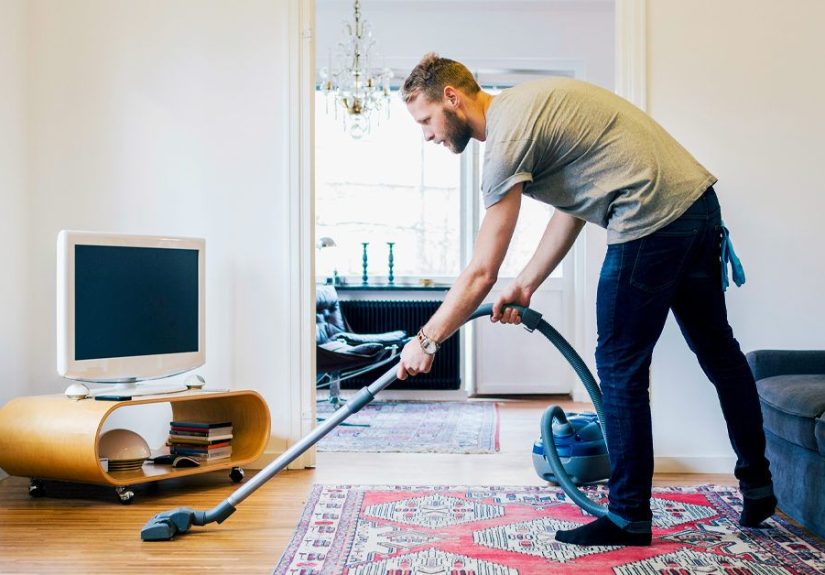
Vacuuming is one of the most effective first steps for indoor flea control. It helps remove adult fleas, eggs, larvae, and some of the organic debris flea larvae feed on. Start with the rooms your pets use most, then expand to carpets, rugs, upholstered furniture, baseboards, cracks in flooring, and beneath furniture. If your pet has a favorite napping spot, congratulations, you have identified a flea hotspot.
During the early phase of an infestation, vacuum daily or close to it. Pay extra attention to edges of rooms, under cushions, around pet beds, and anywhere dark and undisturbed. After vacuuming, empty the canister outdoors or seal the debris in a bag and discard it promptly. You do not want your vacuum turning into a flea shuttle service.
Wash bedding and soft fabrics
Wash pet bedding, blankets, throw covers, and any removable fabrics your pets sleep on. Use hot water when the material allows, then dry thoroughly on heat. If something cannot be washed easily but your pet uses it often, consider steam cleaning or replacing it in severe infestations. Yes, this may be the moment you finally part ways with the mystery blanket in the corner.
Consider steam cleaning carpets and upholstery
Steam cleaning can be useful for carpets and upholstered surfaces, especially in areas with heavy flea activity. Heat and soap can help kill fleas in multiple life stages. It is not always necessary in mild cases, but it can be a strong add-on when you are dealing with a stubborn infestation or a home with lots of soft surfaces.
Focus on rest areas, not just open floors
Fleas do not organize their family reunion in the middle of your kitchen tile. They collect where pets spend time. That means sofas, pet beds, carpets near sunny windows, under furniture, basement edges, and tucked-away resting zones matter far more than the random square foot in the hallway that nobody uses.
Step 3: Clean Up the Yard if Fleas Are Coming from Outside
Not every flea problem starts outdoors, but many do. If your pet spends time outside, especially in a yard with shade, brush piles, wildlife visitors, or places where stray animals roam, outdoor management can help prevent reinfestation.
Target shady, protected spots
Fleas tend to survive best in shaded, humid areas rather than hot, sunny open lawns. Focus on under decks, around porches, near dog houses, along fence lines, under shrubs, and anywhere pets rest. Keep grass trimmed, remove leaf litter and brush piles, and reduce clutter that gives fleas and wild animals a place to hang out.
Discourage wildlife and stray animals
Rodents, opossums, stray cats, and other wild visitors can bring fleas into your yard. Store trash securely, avoid leaving pet food outside, and block access to crawl spaces or sheltered nesting areas when possible. Outdoor flea control works better when the neighborhood buffet is closed.
Use outdoor treatments carefully
If the infestation clearly involves the yard, speak with a pest management professional or veterinarian about whether treatment is necessary. In many cases, environmental cleanup plus strong pet prevention reduces the need for broad outdoor pesticide use. When products are used, targeted application in flea-prone areas is generally smarter than treating every blade of grass like it committed a personal offense.
Step 4: Know When Home Insecticides Help
Some flea infestations can be handled with pet treatment plus intensive cleaning. Others need additional indoor insect control, especially if the infestation is heavy or keeps bouncing back. Products that include an insect growth regulator, or IGR, can help by disrupting the development of immature fleas.
Targeted treatment is usually better than drama
When insecticides are used indoors, targeted sprays for carpets, cracks, baseboards, under furniture, and pet resting areas are usually more useful than theatrical “set it off and leave the house” approaches. Total-release foggers, often called bug bombs, may fail to reach the hidden places where flea larvae and pupae are tucked away. In other words, the fog looks busy, but fleas are very good at ignoring theatrics.
Safety comes first
Always use any pesticide exactly as directed on the label. Keep children and pets away as required during application and until surfaces are safe again. Do not mix products casually, and do not assume “natural” means harmless. Some ingredients marketed as gentle can still irritate skin, trigger breathing issues, or be toxic to pets, especially cats. When in doubt, ask your veterinarian and, if needed, a licensed pest control professional.
Step 5: Be Patient With the Timeline
This is the part nobody loves: even when you do everything right, you may still see fleas for a while. That does not automatically mean the plan is failing. Pupae are notoriously hard to eliminate because they are protected in cocoons. New adult fleas can emerge days or even weeks after treatment, especially when vibration, warmth, and carbon dioxide signal that a host is nearby.
What matters is the trend. If you are using effective pet prevention, vacuuming regularly, washing bedding, and managing the environment, newly emerged fleas should die before they can lay more eggs. Over time, the population collapses. Many households see significant improvement within a few weeks, but complete control can take longer depending on how severe the infestation was, how many pets are involved, and whether outdoor sources remain active.
Common Mistakes That Keep Fleas Around
Stopping too soon
If you quit after the first week because the scratching improved, fleas may simply be regrouping. Stay consistent long enough to break the life cycle.
Treating the house but not the pet
This is like mopping the floor while the pipe is still bursting. The pet must be part of the plan.
Treating one pet but not the others
Fleas are opportunists. If one host becomes unavailable, they will happily move to another.
Using the wrong product or dose
Expired products, incorrect weights, or species mix-ups can lead to poor control or safety issues.
Ignoring hidden hotspots
Pet beds, sofas, under cushions, cracks in flooring, and shaded outdoor rest areas matter more than pristine vacuum lines in the middle of the room.
Relying on one method only
Shampoo alone, sprays alone, collars alone, or cleaning alone often fall short. Flea control works best when the pet, the home, and the environment are treated together.
When to Call the Vet or a Professional
Get veterinary help if your pet has severe itching, skin sores, hair loss, flea allergy dermatitis, weakness, pale gums, or signs of illness. Kittens and puppies can be hit especially hard by heavy flea infestations because blood loss can be more serious for very small animals. Also talk to your veterinarian if your pet has a history of seizures or neurologic issues before using certain flea and tick medications, since some products may require extra caution.
Consider calling a licensed pest control professional if the infestation is severe, keeps returning despite a solid plan, or involves multiple units, barns, or large outdoor spaces. Sometimes expert help is the fastest route back to a normal life where you can sit on your couch without negotiating with insects.
What Successful Flea Control Usually Looks Like
A successful flea cleanup is not glamorous. It looks like choosing the right preventive, treating every pet, vacuuming more often than you ever wanted, washing bedding on repeat, checking the yard, and resisting the urge to declare victory after 48 hours. It is basic, repetitive, and highly effective.
That is the heart of the combination approach to flea control: no single miracle fix, just several proven steps working together. Once the life cycle is broken, the infestation fades. Then your job becomes much easier: maintain prevention, keep pet areas clean, and stay alert enough to catch a new problem before it becomes a flea opera.
Real-World Experiences: What People Learn During a Flea Battle
In real households, flea problems usually start with something small and dismissible. A dog scratches a little more than usual. A cat seems irritated but otherwise fine. Someone spots one flea and decides it is probably a random hitchhiker. Then, about a week later, the living room turns into a tiny jumping crime scene and everyone suddenly becomes an amateur entomologist.
One common experience is the discovery that fleas are less about dirt and more about life cycle management. Plenty of clean homes get fleas. People often assume an infestation means the house is unkempt, but that is not how this works. Fleas care much more about having a host, soft resting areas, hidden cracks, and enough time to reproduce. The family that vacuums every weekend can still end up with fleas if the pet brought them in and prevention lapsed for a month.
Another lesson people learn is that the pet may look better before the house is truly under control. A good flea preventive can make a dog or cat more comfortable pretty quickly, which is wonderful, but it can also trick people into relaxing too soon. Then a few new fleas emerge from pupae in the carpet, and the whole household experiences the emotional roller coaster known as “Wait, why am I still seeing these things?” That moment is frustrating, but it is also normal. Consistency matters more than panic.
People also learn how important it is to treat every pet in the home, even the one who seems untouched. In multi-pet homes, the quiet animal is sometimes the one keeping the infestation going. Fleas are not checking the household calendar and assigning themselves to one host. If several pets share rooms, beds, or furniture, the solution has to cover the whole furry team.
Many pet owners say the biggest surprise is how much progress comes from ordinary chores. Not glamorous chores, sadly. Vacuuming. Laundry. Bedding rotation. Cushion lifting. Under-furniture cleaning. Flea control can feel like an action movie, but the breakthrough often comes from boring persistence. One family may spend money on sprays first and only later realize the daily vacuuming and pet treatment did most of the heavy lifting. Another may discover that the shady patch under the deck, where the dog naps every afternoon, is the outdoor source that keeps restarting the problem.
Perhaps the most reassuring shared experience is this: flea infestations feel endless while you are in them, but they are usually beatable with the right plan. The process is annoying, yes. It can test your patience, your laundry capacity, and your ability to look at black pepper on the countertop without suspicion. But when people combine veterinary-approved pet treatment, consistent cleaning, smart environmental management, and enough time to break the cycle, they generally do get their home back. And once they do, they become extremely passionate about never skipping monthly prevention again.
Conclusion
If you want to know how to get rid of fleas effectively, the answer is not a single product, a single spray, or a single burst of motivation. The best results come from a combination approach: treat every pet safely, clean the home thoroughly, manage outdoor trouble spots, use additional environmental treatment only when needed, and stay consistent long enough to outlast the flea life cycle. It is not flashy, but it works. And unlike the fleas, you get to be in charge of the ending.