Table of Contents >> Show >> Hide
- First: Do the 60-Second Itch Reset
- Why Bug Bites Itch So Much (And Why Scratching Makes It Worse)
- The Best Ways to Stop Bug Bites from Itching
- 1) Cold therapy: The simplest “off switch”
- 2) Hydrocortisone 0.5–1%: Your MVP cream
- 3) Calamine or zinc-based lotions: Old-school for a reason
- 4) Anti-itch lotions with pramoxine, menthol, or camphor
- 5) Oral antihistamines: When the itch is widespread or keeping you up
- 6) Baking soda paste: Cheap, simple, surprisingly helpful
- 7) Colloidal oatmeal: The “bath that calms everything down”
- 8) Aloe vera: Cooling comfort (best for mild bites)
- 9) The “pressure trick” for instant relief
- What NOT to Do (Because the Internet Gets Weird)
- How to Stop the Scratch Cycle (Especially at Night)
- Different Bugs, Slightly Different Moves
- When a Bug Bite Needs Medical Attention
- Prevent Bites So You Don’t Have to “Treat” Them Later
- Experience-Based Itch Survival Guide (Real-Life Scenarios + What Works)
- Scenario 1: The “I took the trash out for 30 seconds and got destroyed” mosquito attack
- Scenario 2: The camping trip where bugs treat you like an all-you-can-eat buffet
- Scenario 3: The “my kid can’t stop scratching” bedtime crisis
- Scenario 4: The “why do my ankles itch in clusters?” flea-bite mystery
- Scenario 5: The “one sting, big swelling” panic moment
Bug bites have one job: to turn you into a scratching machine with the self-control of a raccoon in a snack aisle.
The good news? You can shut down the itch fastoften in minutesif you treat the bite like what it is:
a tiny allergic-style skin reaction that’s begging for calm, not chaos.
Below you’ll get practical, real-world steps that actually help (plus what to avoid), how to treat different kinds of bites,
when to call a doctor, and how to prevent the “I got bit again” sequel.
First: Do the 60-Second Itch Reset
If you want the itch to stop, your first move is simple: reduce inflammation and stop feeding the scratch cycle.
Here’s the quickest routine that works for most mosquito, gnat, flea, chigger, and mystery bites.
Step 1: Wash it (yes, really)
Gently wash the area with soap and water. This removes irritants, reduces infection risk, and gets you a clean surface
so anti-itch products actually stick around and work.
Step 2: Chill it hard
Apply a cold compress or an ice pack wrapped in a thin cloth for 10–15 minutes. Cold reduces swelling and
slows the “itch signals” traveling through your nerves. If you don’t have an ice pack, a cold soda can works in a pinch
(finally, a reason to like canned drinks).
Step 3: Add an anti-itch layer
Choose one of these:
- 1% hydrocortisone cream (best all-around itch and redness reducer)
- Calamine lotion (soothing, especially for widespread itchy spots)
- Pramoxine or menthol anti-itch lotion (good for “burny” itching)
Apply a thin layer. Then let it dry before you cover it with clothingotherwise you’ll just moisturize your sleeve.
Step 4: Protect it from your own hands
If you know you’ll scratch without thinking (most humans do), cover the bite with a small bandage after the cream dries.
It’s not dramatic. It’s strategy.
Why Bug Bites Itch So Much (And Why Scratching Makes It Worse)
Most itchy bites aren’t “poison.” They’re your immune system reacting to proteins in the bug’s saliva (or venom for some stings).
Your body releases chemicals like histamine, which causes swelling, redness, and that maddening itch.
Scratching feels amazing for about 0.7 seconds because it floods your brain with competing sensations. Then it backfires:
scratching inflames the skin more, can spread irritation, and may break the skinraising the risk of infection and making the itch linger.
In other words, scratching is like arguing with a vending machine. Satisfying in the moment, not helpful long-term.
The Best Ways to Stop Bug Bites from Itching
1) Cold therapy: The simplest “off switch”
Cold compresses reduce swelling and numb nerve endings. Use 10–15 minutes at a time, repeat as needed.
Great for fresh bites and for “I can’t focus on anything else” itch.
2) Hydrocortisone 0.5–1%: Your MVP cream
Over-the-counter hydrocortisone helps calm inflammation and itching. Use a thin layer up to a few times daily,
following the label. It’s especially useful for mosquito bites, chigger bites, and itchy welts.
Use it smart: Don’t apply it to broken skin. Don’t use it for long stretches unless a clinician tells you to.
If you’re treating a child, follow the product directions and check with a pediatrician if you’re unsure.
3) Calamine or zinc-based lotions: Old-school for a reason
Calamine is soothing and can help dry out oozing irritation (more common with certain rashes, but it can still feel great on bites).
It’s also handy when you have lots of bites and you want something gentle across a larger area.
4) Anti-itch lotions with pramoxine, menthol, or camphor
These ingredients reduce itch by changing how nerves perceive sensation (think: cooling or mild numbing).
They can be a lifesaver for bites that feel “hot” or “stingy.” If you have sensitive skin, patch-test first.
5) Oral antihistamines: When the itch is widespread or keeping you up
If you’re covered in bites or the itching is intense, an oral antihistamine can help reduce the overall reaction.
Non-drowsy options (like cetirizine or loratadine) are popular for daytime. Some antihistamines can cause drowsiness,
which might help at nightbut don’t take them before driving, sports, or anything requiring alertness. Always follow the label,
especially for kids.
6) Baking soda paste: Cheap, simple, surprisingly helpful
Mix baking soda with a little water to make a paste, dab it on the bite, let it sit for 10–15 minutes, then rinse.
This can take the edge off itching for some peopleespecially when you don’t have anything else handy.
7) Colloidal oatmeal: The “bath that calms everything down”
If you have multiple bitesespecially on legs or armsan oatmeal bath or oatmeal-based wash can help reduce itch and irritation.
It’s a good option when your skin feels generally angry, not just in one spot.
8) Aloe vera: Cooling comfort (best for mild bites)
Aloe can feel soothing, especially after sun exposure plus bites (the cruelest combo). It won’t replace hydrocortisone
for strong inflammation, but it can help as a gentle layer of relief.
9) The “pressure trick” for instant relief
Some people find that pressing firmly on the bite for several seconds can reduce itch briefly.
This doesn’t “neutralize venom” (sorry, internet myths), but pressure can temporarily override itch signals.
It’s a short-term tooluse it while your cold compress or cream does the real work.
What NOT to Do (Because the Internet Gets Weird)
- Don’t scratch (or at least: don’t scratch with nails). If you slip up, wash the area afterward.
- Don’t apply harsh chemicals like bleach, ammonia, gasoline, kerosene, or household cleaners.
- Don’t “burn the bite” with very hot spoons, lighters, or heat hacks. Burns are not an upgrade.
- Don’t stack multiple medicated creams at once (for example, hydrocortisone + numbing cream + topical antihistamine),
unless a clinician advised it. More ingredients can mean more irritation. - Don’t ignore an attached tick or a worsening bitesome situations need proper medical advice.
How to Stop the Scratch Cycle (Especially at Night)
Nighttime itching is the worst because your brain gets quiet and suddenly your ankle becomes the loudest thought in your life.
Use these tactics to keep your hands from undoing your progress:
- Trim nails short so accidental scratching does less damage.
- Cover bites with a bandage after applying a thin anti-itch layer.
- Keep skin cool (a fan helps; heat can intensify itching).
- Moisturize around the bite if your skin is drydryness can amplify itch.
- Distract the nerves with a cool gel pack or a quick shower (lukewarm, not hot).
Different Bugs, Slightly Different Moves
Mosquito bites
Usually respond well to cold, 1% hydrocortisone, calamine, and oral antihistamines if you have many bites.
If you get very large, swollen reactions (sometimes called a large local reaction), you may need stronger guidance from a clinician.
Chigger bites
Chigger bites often itch intensely and can last longer. Don’t panicfocus on inflammation control:
cold + hydrocortisone + oral antihistamine if needed. Avoid scratching because these bites love to linger when irritated.
Flea bites
Flea bites commonly show up in clusters, especially on ankles and lower legs. Treat the itch as usual,
but also address the source (pets, carpeting, bedding), or you’ll be treating “new bites” tomorrow.
Bed bug bites
Similar itch treatment helps, but if you suspect bed bugs, the bigger fix is environmental.
Wash bedding on hot settings when appropriate, vacuum thoroughly, and consider professional pest control if bites keep appearing.
Bee/wasp stings
If a stinger is present, remove it promptly by scraping with a flat edge (like a credit card) rather than squeezing.
Wash the area, apply cold, and use an anti-itch or anti-inflammatory cream as needed.
Tick bites
If a tick is attached, remove it carefully with fine-tip tweezers by grasping close to the skin and pulling steadily.
Clean the area afterward. If you develop concerning symptoms later or you’re unsure what to watch for, contact a healthcare professional.
When a Bug Bite Needs Medical Attention
Most bites are annoyingbut not dangerous. Still, get medical care right away if you notice signs of a serious allergic reaction,
such as trouble breathing, swelling of the face or throat, widespread hives, or feeling faint.
If you have a known severe allergy, follow your emergency plan and seek urgent help.
Also contact a clinician if:
- The bite area becomes increasingly red, warm, painful, or starts draining (possible infection).
- You develop fever, a spreading rash, or body aches after a bite.
- You suspect a medically significant spider bite, or symptoms are rapidly worsening.
- The itching is severe, widespread, or lasting longer than expected despite home care.
Prevent Bites So You Don’t Have to “Treat” Them Later
Prevention is the ultimate itch cure. The goal is to reduce bites without turning your life into a hazmat scene.
Use repellents correctly
Common effective repellent ingredients include DEET, picaridin, IR3535, oil of lemon eucalyptus (OLE)/PMD, and others.
Choose a product you’ll actually use, then follow the label. Apply only to exposed skin and/or clothing as directed,
avoid eyes and mouth, and wash treated skin after you come indoors.
Wear protective clothing
Long sleeves and pants help, especially at dusk and dawn when mosquitoes are often more active.
For heavy outdoor time, consider permethrin-treated clothing (permethrin is for clothing/gear, not skin).
Reduce the “bug welcome mat”
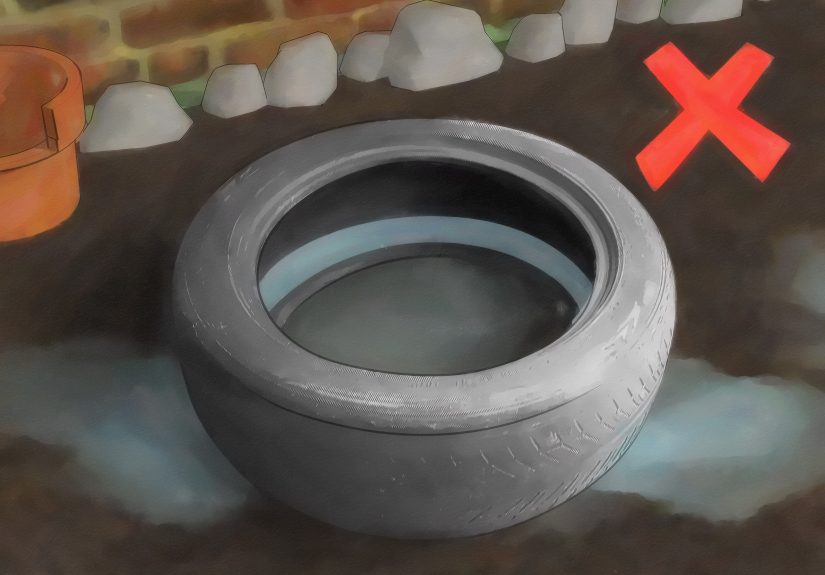
- Dump standing water outdoors (mosquito breeding central).
- Use screens and repair gaps.
- Run a fan on patiosflying insects aren’t great at battling wind.
- Avoid heavily scented lotions or perfumes if you notice they attract insects.
Experience-Based Itch Survival Guide (Real-Life Scenarios + What Works)
Facts are helpful, but itch is emotional. Here are common bite situations people run intoand the tactics that tend to work best
when you’re actually living through them (preferably without narrating your suffering to everyone around you).
Scenario 1: The “I took the trash out for 30 seconds and got destroyed” mosquito attack
This is classic: you step outside at dusk, feel one tiny poke, and by bedtime your ankles look like they’re auditioning for a
bubble-wrap commercial. In this case, speed matters. People who get relief fastest usually do three things right away:
wash, cool, and treat. A 10-minute cold compress calms the swelling, then a thin layer of 1% hydrocortisone keeps the reaction
from building momentum. The biggest difference-maker? Covering the bites afterward. Not foreverjust long enough to stop the
absentminded scratching while you scroll your phone.
Scenario 2: The camping trip where bugs treat you like an all-you-can-eat buffet
Camping bites are rarely “one and done.” You’ll often have multiple itchy spots plus mild skin irritation from heat, sweat,
and friction. People who feel better tend to choose “whole-body soothing” instead of trying to spot-treat 27 individual bites.
A lukewarm shower, followed by a colloidal oatmeal soak or wash, can make your skin feel less reactive overall. Then you can
apply hydrocortisone to the worst bites and a gentle anti-itch lotion (like calamine or pramoxine) more broadly. At night,
a fan in the room or tent area helps because warmth can intensify the itch feeling. Bonus: fewer bugs want to fly in your face
when the air is moving.
Scenario 3: The “my kid can’t stop scratching” bedtime crisis
For kids, the itch problem is often less about intensity and more about impulse control (which, to be fair, many adults also lack).
The best bedtime approach is barrier + comfort: cool compress first, then an appropriate anti-itch product used exactly as directed,
and then a bandage or clothing layer that makes scratching harder. Some parents swear the real magic is trimming nails and using
a simple distraction routinestory time, a favorite show, or a small fidgetduring the first 10 minutes after treatment,
because that’s when the itch is loudest. If you’re considering any oral medication, follow the label carefully and talk with a pediatrician
when you’re unsure about age, dosing, or safety.
Scenario 4: The “why do my ankles itch in clusters?” flea-bite mystery
Clustered bites on ankles and lower legs often lead people down a rabbit hole of doom-searching. In real life, flea bites are a common culprit,
especially if there are pets, carpets, or recent travel involved. The itch treatment is familiar: cold + hydrocortisone or calamine.
But the experience-based lesson is that the itching won’t truly stop if new bites keep appearing. People usually get lasting relief once they
treat the environment: washing pet bedding, vacuuming thoroughly, and addressing pet flea prevention with a veterinarian.
Otherwise, it’s like mopping the floor while the sink is still overflowing.
Scenario 5: The “one sting, big swelling” panic moment
A sting can look dramatic even when it’s not dangerous: swelling, warmth, and itch can spread around the area.
The calmest path is: remove a stinger if present (scrape, don’t squeeze), wash the skin, then cold compress.
Many people feel better when they elevate the limb (if the sting is on an arm or leg) and use an anti-inflammatory cream.
The key is knowing the difference between a large local reaction and a severe allergic reaction. If there’s trouble breathing,
swelling of the face or throat, widespread hives, or faintness, that’s urgent. But if it’s localized swelling that improves gradually,
consistent cooling and anti-itch care often do the job.
Bottom line: the best “experience-tested” strategy is boringbut it works. Cool the bite, calm the inflammation,
block the scratch reflex, and prevent new bites. Do those four things, and most itching fades faster than your interest in a group chat
that’s arguing about pineapple on pizza.