Table of Contents >> Show >> Hide
- What the ABS light actually means
- Can you drive with the ABS light on?
- Common reasons the ABS light comes on
- How to diagnose an ABS light without guessing
- Repair advice based on the likely cause
- Mistakes people make when trying to fix an ABS light
- What a good repair process looks like
- Real-world experiences with an ABS light
- Final takeaway
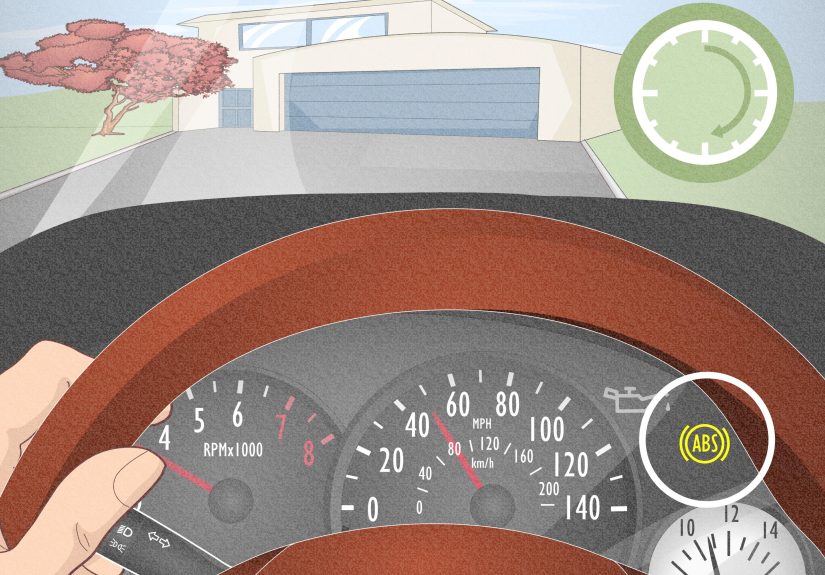
Your ABS light is not your car being dramatic. It is your car sending a very specific message: “Hey, the anti-lock braking system needs attention.” That does not always mean your brakes are about to vanish into thin air like a magician’s rabbit, but it does mean a key safety system may no longer work the way it should during a hard stop.
If you have ever seen the amber ABS light glow on the dash and immediately imagined a four-figure repair bill, take a breath. Sometimes the cause is simple, like a damaged wheel speed sensor or a weak electrical connection. Other times it points to a worn hub, contaminated brake fluid, or a failing ABS control module. The trick is not guessing. The trick is diagnosing the problem in the right order.
This guide walks through what an ABS light means, when you should stop driving, the most common causes, how to diagnose the issue without turning your driveway into a science experiment, and which repairs are realistic for a careful DIYer versus a job for a qualified brake technician.
What the ABS light actually means
ABS stands for anti-lock braking system. In plain English, it helps keep your wheels from locking during hard braking so you can maintain more steering control, especially on wet or slippery pavement. If the ABS warning light comes on, the system has detected a fault and has usually disabled the anti-lock function until the problem is repaired.
That matters because a car can still seem to brake “normally” in everyday driving while the ABS system is offline. You may not notice anything strange at a stop sign or in a parking lot. Then a child runs into the street, you hit the pedal hard, and suddenly the feature you were counting on is out to lunch.
So yes, the ABS light is an amber warning, not a suggestion. It is your cue to diagnose the problem soon and treat the brake system with a little more respect than usual.
Can you drive with the ABS light on?
Usually, but with caution
If the ABS light is on by itself and the brake pedal feels normal, many vehicles still have regular hydraulic braking. In that situation, the anti-lock feature may be disabled, but the basic brakes still work. That means the car is often drivable for a short trip to a repair shop or for diagnosis.
Sometimes, absolutely not
Do not keep driving if the ABS light appears along with any of the following:
- A red brake warning light
- A soft, sinking, or spongy pedal
- Grinding noises while braking
- Fluid leaking near a wheel or under the master cylinder area
- The vehicle pulling hard during braking
- A brake pedal that feels unusually hard or oddly unresponsive
That combination can point to a problem beyond the ABS system itself, such as low brake fluid or a hydraulic brake issue. In other words, this is the point where you stop being brave and start being smart.
Common reasons the ABS light comes on
1. A bad wheel speed sensor
This is the classic ABS-light troublemaker. Each wheel usually has a sensor that reports wheel speed to the ABS module. If one sensor fails, gets dirty, loses its wiring connection, or sends a signal that makes no sense, the ABS system sets a fault.
Real-world example: you hit a pothole, have tires replaced, or get brake work done, and a few days later the ABS light appears. That is often sensor territory.
2. Damaged sensor wiring
Wheel speed sensor wiring lives a rough life. It gets flexed, splashed, baked, frozen, and occasionally yanked by accident during suspension, brake, or tire service. A cut wire or corroded connector can trigger the same warning as a failed sensor.
3. A cracked tone ring or encoder ring
The sensor has to read something, and that something is often a tone ring or magnetic encoder. If the ring cracks, rusts, gets damaged, or develops debris buildup, the signal can become erratic. The ABS module sees nonsense and turns on the light because nonsense is not a valid wheel speed.
4. Worn wheel bearing or hub assembly
On many vehicles, the wheel bearing and ABS sensor relationship is closer than roommates in a studio apartment. If the bearing develops play, the sensor reading can become unstable. That can trigger the ABS light even though the root problem is the hub assembly.
5. Low or contaminated brake fluid
Brake fluid problems can contribute to ABS warnings and also overlap with the red brake light. Low fluid may result from pad wear, a leak, or poor maintenance. Dirty fluid can create corrosion and hydraulic trouble inside brake components, including ABS-related parts.
6. A blown fuse or electrical supply issue
Sometimes the ABS system loses power because of a fuse, relay, bad ground, or charging issue. On some vehicles, low battery voltage after a jump-start or weak battery event can temporarily trigger the ABS light.
7. ABS module or hydraulic control unit failure
This is the repair nobody invites to the party. If the control module or hydraulic unit fails, diagnosis usually requires an ABS-capable scan tool and often more advanced testing. It is fixable, but it is no longer a “let me wiggle a connector and hope for the best” situation.
How to diagnose an ABS light without guessing
Step 1: Pay attention to what other lights are on
An ABS light by itself is one thing. ABS plus red brake warning is another. ABS plus traction control or stability control lights can also happen because these systems often share wheel-speed data and brake electronics.
The more warning lights you have, the less you should assume this is a tiny problem.
Step 2: Notice when the light appears
Timing matters. Ask yourself:
- Did it appear right after tire replacement?
- Did it show up after brake or suspension work?
- Did it start after a dead battery or jump-start?
- Does it come and go in wet weather?
- Does it turn on only after you start moving?
These clues are surprisingly useful. An ABS light that appears after the car starts rolling often points toward a wheel speed signal problem. One that appears after recent service may point toward disturbed wiring or a damaged sensor.
Step 3: Check the brake fluid level
With the engine off and the vehicle on level ground, inspect the brake fluid reservoir and compare the fluid level to the marked range on the reservoir. If it is low, do not shrug and keep driving. Low brake fluid needs a reason. It may be related to worn pads, but it can also mean a leak.
If the fluid is dark and nasty-looking, that is also a clue that the brake system needs attention.
Step 4: Inspect the obvious stuff around the wheels
If you can do so safely, look behind each wheel for damaged sensor wiring, loose connectors, or signs that a sensor harness has rubbed through. After recent tire or brake work, this simple visual check can save a lot of time.
Do not crawl under an unsupported vehicle. The ABS light is annoying. A car falling on you is worse.
Step 5: Check the ABS fuse
Your owner’s manual or fuse box cover can help identify the ABS fuse or related fuse locations. A blown fuse does not happen for no reason, but it is an easy item to verify before you start blaming every sensor in the zip code.
Step 6: Scan for ABS codes
This is the big one. A generic code reader that only checks engine codes may not help. You need an ABS-capable scan tool or a shop that can read ABS fault codes and, ideally, live wheel-speed data.
That scan data helps answer the important questions:
- Which wheel is reporting bad data?
- Is the fault electrical, mechanical, or hydraulic?
- Is the module seeing a missing signal, an implausible signal, or an internal fault?
Without those answers, replacing parts becomes expensive guesswork with a side of regret.
Repair advice based on the likely cause
Bad wheel speed sensor
If the scan points to one wheel speed sensor and a visual inspection confirms damage, replacement is often straightforward. On many cars, the sensor is accessible without opening the hydraulic brake system. The key is buying the correct sensor, inspecting the connector carefully, and making sure the mounting area is clean.
Pro tip: replacing a sensor without checking the tone ring or bearing is how people accidentally fix nothing.
Damaged wiring or corroded connector
If the code indicates an open or intermittent circuit, look closely at the harness routing and connector condition. Repairs may involve replacing the pigtail, repairing damaged wiring, or cleaning corrosion. This is one of those jobs where patience beats horsepower.
Cracked tone ring or damaged encoder
If the sensor is good but the signal is erratic, the reluctor or magnetic encoder may be the real villain. Depending on the vehicle, that might mean replacing a CV axle, a hub assembly, or another related component.
Worn hub or wheel bearing
If the wheel has play, growls while driving, or the scan data shows a bad signal from that corner, a hub or bearing repair may solve both the mechanical issue and the ABS warning. This is a good example of why the ABS light should never be treated like an isolated electrical mystery.
Low brake fluid
Topping off the fluid without identifying the reason is the automotive equivalent of putting tape over a smoke alarm. If the pads are worn, the fluid level may drop as the caliper pistons extend farther. If there is a leak, the car needs immediate repair. If the fluid is contaminated, a brake fluid service may be necessary.
Blown fuse or voltage issue
If the battery is weak, the terminals are corroded, or the car was recently jump-started, correct the power issue first. Sometimes the ABS light clears after proper voltage returns and the system completes a normal self-check. Sometimes it does not. That is why you scan, verify, and avoid wishful thinking.
ABS module or hydraulic unit failure
This is typically the point where professional diagnosis makes the most sense. The module may need reprogramming, rebuilding, or replacement. Some vehicles also have open recalls or manufacturer service campaigns related to ABS components, so checking for recalls by VIN is a smart move before paying for major parts.
Mistakes people make when trying to fix an ABS light
- Replacing the first sensor that “sounds likely” without scanning codes
- Ignoring a red brake light because the car still stops
- Assuming the problem is electrical when the real issue is a bad hub or tone ring
- Clearing codes before documenting them
- Forgetting that recent tire, brake, or suspension work may have caused the issue
- Skipping a recall check before paying for a major repair
What a good repair process looks like
A smart ABS repair follows a clean sequence:
- Confirm whether the problem is ABS-only or a broader brake-system warning.
- Check fluid level, battery history, fuses, and recent repair history.
- Inspect wheel speed sensor wires and connectors.
- Read ABS-specific trouble codes.
- Use live data to compare wheel speeds if possible.
- Repair the actual cause, not the most convenient guess.
- Clear codes, verify the light stays off, and confirm normal operation.
That process is not flashy. It is also how you avoid replacing three perfectly good parts before discovering the actual issue was a crusty connector.
Real-world experiences with an ABS light
Drivers tend to discover ABS problems in a few repeating ways, and these patterns are worth knowing because they show how sneaky the warning can be.
One of the most common scenarios happens right after tire, brake, or suspension work. A car comes back from the shop, everything seems fine for a day or two, and then the ABS light clicks on. The owner immediately assumes the new brake pads are defective or the car has developed an expensive electronic problem overnight. In reality, the issue is often much simpler: a wheel speed sensor connector did not seat fully, a harness clip was left loose, or the sensor wire got tugged during service. The light is annoying, but the lesson is useful: always consider what was touched last.
Another very common story starts with weather. The driver notices the ABS light only on rainy days, after driving through slush, or after a cold morning. That can point to corrosion in a connector, moisture intrusion, or a tone ring that is beginning to crack or rust. The problem may disappear when conditions dry out, which fools people into putting it off. Then, weeks later, the light stays on for good. Intermittent ABS faults love to pretend they are not serious right up until they stop pretending.
There is also the classic post-pothole mystery. The driver hits a crater large enough to deserve its own zip code, and soon afterward the ABS light appears. In those cases, the jolt may have damaged a sensor, altered the air gap to the tone ring, or accelerated a failing wheel bearing that was already living on borrowed time. The ABS light is sometimes the first clue that a wheel-end component has moved from “a little worn” to “I would like your immediate attention.”
Battery-related stories are surprisingly common too. A vehicle gets jump-started on a freezing morning, or the battery is replaced after going flat, and then the ABS or stability light shows up. Sometimes the system clears itself after the battery voltage stabilizes and the car is driven a short distance. Sometimes the low-voltage event exposes an underlying fault that had been hiding quietly in the background. That is why “I just changed the battery” is not random small talk when diagnosing an ABS warning. It is evidence.
Then there are the drivers who chase the wrong part first. They replace a wheel speed sensor because it is the cheapest suspect, only to learn the real issue was a cracked encoder ring inside the hub or a wheel bearing with enough play to confuse the sensor reading. It is a frustrating experience, but it highlights the most important ABS lesson of all: the warning light does not mean “replace this one thing.” It means “the system has detected a fault; now prove what failed.”
And finally, some owners get lucky in the best possible way: they check their VIN, discover an open recall or manufacturer campaign related to the ABS system, and get the repair handled without paying for a major component out of pocket. That is why a recall search should always be part of the process when the fix starts looking expensive.
Final takeaway
If your ABS light comes on, do not panic and do not ignore it. Start by figuring out whether the problem is limited to the anti-lock system or whether you also have a broader brake warning. Check the simple things first: fluid level, fuse condition, recent repair history, battery issues, and visible sensor wiring. Then use an ABS-capable scan tool to stop guessing and start diagnosing. Most of the time, the winning repair strategy is not heroic. It is methodical.
The ABS light may be amber, but the message is crystal clear: your car wants attention before the next emergency stop, not during it.