Table of Contents >> Show >> Hide
- Microplastics 101: Why the Kitchen Is Ground Zero
- The Microplastic “Hotspots” Hiding in Plain Sight
- The 80/20 Plan: The Fastest Way to Cut Kitchen Microplastics
- Best Microplastic Alternatives: Your Plastic-Free Kitchen Swap List
- Glass (storage + reheating MVP)
- Stainless steel (durable, low-drama, forever-ish)
- Cast iron and carbon steel (nonstick without the plastic coating)
- Enamel-coated cast iron (easy-mode cast iron)
- Ceramic and porcelain (solid for baking and serving)
- Wood and bamboo (cutting boards and tools)
- Beeswax wraps, parchment, and paper (wrap without the plastic)
- How to Eliminate Microplastics from Your Kitchen Without Buying a New Kitchen
- Shopping Smarter: Labels That Help (and Labels That Are Basically Vibes)
- Quick FAQ
- Conclusion: A Cleaner Kitchen (and a Calmer Brain)
- Experience Section: Real-World Microplastic Makeovers (500+ Words)
- 1) The Leftover Container Reckoning
- 2) The Microwave “Nope” Rule
- 3) The Cutting Board Upgrade That Ends the Groove Monster
- 4) The Spatula Swap (or: Stop Seasoning Your Pasta with Mystery Plastic)
- 5) The Bottled Water Breakup
- 6) The “Hot + Oily + Plastic” Awareness Moment
- 7) The Gradual Pantry Glow-Up
Your kitchen is probably the most “plasticky” room in the house. It’s where plastic gets hot, gets scratched, gets
stirred, gets microwaved, gets slapped into a dishwasher, and then gets asked to do it all again tomorrow like it’s
training for the Olympics.
Meanwhile, microplastics (and their even tinier cousins, nanoplastics) have become the uninvited guests at the
dinner table. You don’t need to panic, throw away your entire pantry, or move into the woods and eat berries off a
leaf. But you can make smart swaps that meaningfully reduce plastic particles and plastic-chemical exposure in
everyday cooking.
This guide breaks down where kitchen microplastics come from, what actually matters (and what’s mostly marketing),
and the best microplastic alternativesso you can build a more plastic-free kitchen without turning meal prep into a
full-time job.
Microplastics 101: Why the Kitchen Is Ground Zero
Microplastics are small plastic fragments (commonly defined as under 5 millimeters) that come from the breakdown of
larger plasticsor from routine wear and tear when plastic gets heated, scratched, or stressed. Nanoplastics are
even smaller, and because of their size, they’re harder to measure and easier to miss.
The kitchen matters because it combines the “big three” that accelerate plastic shedding: heat,
friction, and contact with food and water. That doesn’t mean your kitchen is a doom
zone; it means the kitchen is where small changes can have a big payoff.
Also worth noting: scientific research is still evolving. Some agencies and researchers emphasize uncertainty about
exact health impacts at typical exposure levels, while also acknowledging that detection is improving and the topic
is a major research priority. Translation: don’t panicbut do upgrade the stuff that melts, flakes, or scratches.
The Microplastic “Hotspots” Hiding in Plain Sight
1) Heating food in plastic (aka: the microwave’s side quest)
When plastic containers meet heatespecially microwave heatmore particles can be released into what’s inside.
Moisture, acidity, and higher temperatures can increase that shedding. Even if a container is labeled “microwave-safe,”
that label generally focuses on melting and structural integrity, not “particle-free living.”
Kitchen move: Treat plastic like a “cold-food friend.” If it’s hot, steamy, oily, or acidic, give it
a better home (glass, ceramic, stainless steel).
2) Plastic cutting boards (friction makes confetti)
Cutting and chopping create repeated frictionexactly the kind of stress that can shave off tiny bits over time.
Research suggests both wood and plastic boards can generate microparticles during use, but plastic boards have the
extra issue of producing plastic particles specifically.
Kitchen move: If your plastic board looks like it fought a bear, retire it. Deep grooves increase
wear and trap gunk. Consider switching to wood, bamboo, or another non-plastic surface for most prep tasks.
3) Bottled water and plastic beverage habits
If you’re trying to reduce microplastics, bottled water can be a sneaky contributor because particles can come from
the bottle itself (and sometimes the cap and bottling process). Studies that can detect very small particles have
reported much higher counts than older testing methods.
Kitchen move: If your tap water is safe to drink, filtered tap + a reusable bottle is often the
lower-plastic option. Bonus: your wallet will stop crying.
4) Black plastic utensils and mystery plastics
Black plastic spatulas, ladles, and takeout containers often look sleek and “chef-y,” but they’ve gotten attention
because some black plastics may be made with recycled electronic waste streams, which can carry unwanted chemicals.
Not every black utensil is a villain, but it’s a category where “cheap and indestructible” is not always a love story.
Kitchen move: Replace high-heat plastic tools (especially black plastic) with stainless steel,
wood, or high-quality food-grade silicone.
5) Tea bags, coffee pods, and other “convenient” plastics
Some tea bags and single-serve coffee systems use plastic components that can shed particlesespecially when hot
water is involved. If your daily ritual is “boiling water meets plastic mesh,” you’ve found a high-leverage swap.
Kitchen move: Use loose-leaf tea with a stainless steel infuser, or choose plastic-free paper tea
bags. For coffee, consider a French press, pour-over, or stainless steel reusable pod system.
The 80/20 Plan: The Fastest Way to Cut Kitchen Microplastics
You don’t have to replace everything. Start with the items that combine heat + plastic + food contact.
That’s where the payoff is biggest.
Step 1: Stop heating food in plastic (today, not “someday”)
- Microwave leftovers in glass or ceramic.
- Transfer takeout into a non-plastic container before reheating.
- Don’t pour boiling soup into a plastic deli container “because it’s fine.” It is not fine. It is soup roulette.
Step 2: Swap your “hot tools” first
Spatulas, stirring spoons, and turners spend their lives hugging heat. Upgrading these is one of the easiest wins.
- Best: Stainless steel (durable, easy to clean).
- Great: Wood or bamboo (gentle on cookware; don’t soak forever).
- Good: Food-grade silicone (choose reputable brands; keep away from direct flame).
Step 3: Upgrade food storage (glass is the adult in the room)
Storage is where plastics quietly rack up contact hours. Especially with oily or acidic foods, plastic can be more
likely to transfer chemicals and odors (and sometimes stains that make your container look like it served time).
- Use glass containers for leftovers and meal prep.
- Use stainless steel for packed lunches and on-the-go.
- Use mason jars for grains, beans, nuts, and snacks.
Step 4: Rethink water (less bottle, more filter)
If you’re aiming to reduce microplastics, drinking water is a practical area to focus on. Some health educators and
consumer advocates suggest using a home water filter as one risk-reduction strategy, especially if you rely heavily
on bottled water.
Practical tip: Look for well-reviewed filters that specify particulate reduction. Reverse osmosis
is often discussed as a strong option for removing very small particles, but it’s not the only pathchoose based on
your budget, water quality, and maintenance comfort level.
Best Microplastic Alternatives: Your Plastic-Free Kitchen Swap List
Glass (storage + reheating MVP)
Glass is non-reactive, doesn’t shed plastic particles, and handles microwaves and dishwashers well. The downside is
breakabilityso if your household has “gravity enthusiasts,” consider tempered glass and silicone sleeves.
Best uses: leftovers, meal prep, pantry storage, baking dishes.
Stainless steel (durable, low-drama, forever-ish)
Stainless steel is a go-to for cookware, utensils, mixing bowls, and lunch containers. It’s tough, easy to sanitize,
and doesn’t care if you’re meal-prepping for one or feeding a small army.
Best uses: pots/pans, water bottles, mixing bowls, lunchboxes.
Cast iron and carbon steel (nonstick without the plastic coating)
Seasoned cast iron and carbon steel can provide nonstick performance without a synthetic coating. Yes, there’s a
learning curve. No, it’s not a secret society. You basically just cook, wipe, and occasionally re-seasonlike skincare,
but for pans.
Best uses: searing, sautéing, roasting, eggs (once seasoned well).
Enamel-coated cast iron (easy-mode cast iron)
If you want the heat retention of cast iron without seasoning rituals, enamel-coated cast iron is a friendly option.
It’s great for soups, braises, and anything that simmers for hours while making your kitchen smell like competence.
Ceramic and porcelain (solid for baking and serving)
Ceramic bakeware and dishware are a reliable way to reduce plastic contact. For ceramic nonstick cookware, quality
varies widelychoose reputable brands and replace if the surface becomes damaged.
Wood and bamboo (cutting boards and tools)
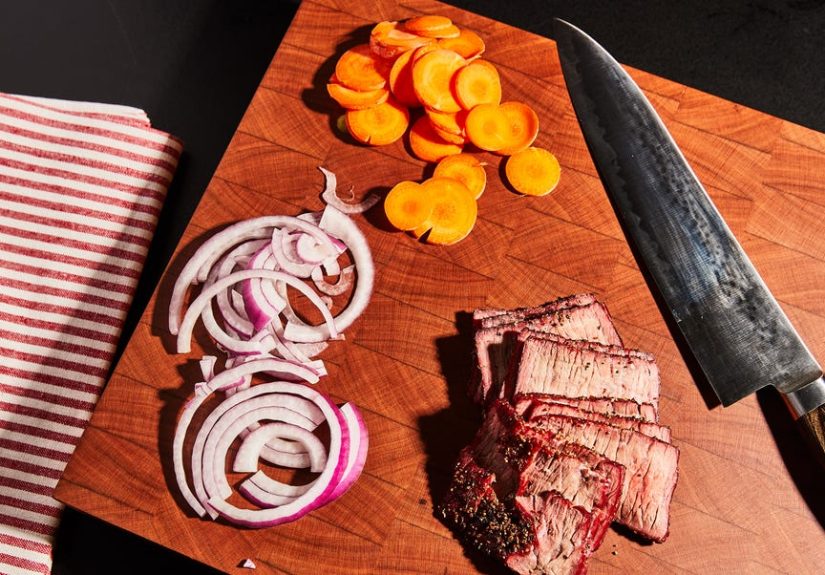
A well-made wooden cutting board can last for years. Keep it clean, dry it thoroughly, and oil it occasionally.
(Yes, your cutting board wants a spa day. It earned it.)
Beeswax wraps, parchment, and paper (wrap without the plastic)
Beeswax wraps are handy for covering bowls and wrapping sandwiches. Parchment paper is excellent for baking and
roasting. For messy items, paper-based options can reduce the need for cling film.
How to Eliminate Microplastics from Your Kitchen Without Buying a New Kitchen
Here’s the “habits first” checklistthe stuff that costs little but can reduce plastic exposure meaningfully.
- Cool it first: Let hot food cool slightly before lidding and storing (especially if using any plastic).
- Skip the dishwasher for plastic: High heat + harsh detergents can stress plastics. Hand wash when possible.
- Replace scratched items: If it’s deeply scored, cloudy, warped, or peelingpromote it to “garage storage.”
- Choose fresh foods more often: Less packaging generally means less plastic contact.
- Use a real strainer: Stainless steel strainers and colanders beat plastic when hot liquids are involved.
Shopping Smarter: Labels That Help (and Labels That Are Basically Vibes)
“BPA-free” is not the same as “plastic-free”
“BPA-free” only tells you about one chemical. Plastics can contain other additives, and different plastics behave
differently under heat and stress. If you’re trying to reduce microplastics, the simplest path is reducing
plastic contactespecially with heat.
“Microwave-safe” doesn’t mean “microplastic-proof”
Microwave-safe generally means the container won’t melt or leach regulated substances beyond certain limits under
test conditions. Real-life kitchens include oily sauces, repeated use, scratches, and the occasional “oops I forgot
it for 6 minutes.” If you want a safer default: heat in glass.
Recycle codes can guide youbut they’re not a force field
If you must use plastic, some consumer guidance suggests choosing more stable options for cold storage and avoiding
older, damaged, or mystery plastics. Still, the best reduction strategy remains: use non-plastic for hot foods and
drinks.
Quick FAQ
Is silicone a good microplastic alternative?
High-quality, food-grade silicone is often used as a plastic alternative because it’s flexible and heat-tolerant.
Choose reputable brands, avoid direct flame contact, and replace if it becomes torn or sticky. For high-heat
stirring and flipping, stainless steel and wood remain excellent low-shedding options.
Do I need to throw out all plastic right now?
No. Start with the “high-heat, high-contact” items: microwave containers, cooking utensils, and heavily scratched
cutting boards. Gradual swaps are realisticand realistic is sustainable.
What’s the single best swap?
If you do one thing: stop microwaving food in plastic. Use glass or ceramic instead. It’s simple,
fast, and high impact.
Conclusion: A Cleaner Kitchen (and a Calmer Brain)
Eliminating microplastics from your kitchen doesn’t require perfection. It requires priorities. Focus on heat,
friction, and long contact timethen replace the plastics that get cooked, scratched, or steamed daily.
The best microplastic alternatives are boring in the best way: glass for storage, stainless steel for tools, cast
iron or steel for cookware, and wood for prep. Add a few habit upgrades (no plastic in the microwave, replace deeply
scratched items, filter water if it makes sense for you), and you’ve turned your kitchen from a plastic particle gym
into a calmer, cleaner space.
Experience Section: Real-World Microplastic Makeovers (500+ Words)
Below are “kitchen diary” style scenarios based on common, real-life patterns people report when they try to cut
plastic in the kitchen. Think of these as practical mini case studiesnot perfection, just progress.
1) The Leftover Container Reckoning
A busy family realizes their leftovers live in a rainbow of old takeout tubs. The tubs are cloudy, the lids don’t
match, and the tomato sauce has permanently dyed everything “apocalyptic orange.” The first change isn’t glamorous:
they pick up three medium glass containers and a set of mason jars. That’s it.
What happens next is unexpectedly satisfying. Leftovers go from “mystery science project” to “oh, that’s chili.”
Reheating becomes automatic because glass can go straight into the microwave. They still keep a couple plastic tubs
for cold snacks and campingbecause practicality winsbut the daily heat-contact plastic disappears.
2) The Microwave “Nope” Rule
Another household makes one rule: “No plastic in the microwave.” They don’t throw anything away immediately. They
simply transfer food onto a ceramic plate or into a glass bowl before heating. The rule is so easy it actually
sticks.
The surprise benefit? Food tastes better. Not because microplastics have a flavor profile (hopefully not), but
because reheating on a plate spreads food out more evenly, which reduces hot spots and rubbery edges. The family’s
review is basically: “Less plastic, fewer lava pockets. Five stars.”
3) The Cutting Board Upgrade That Ends the Groove Monster
A home cook notices their plastic cutting board has deep grooves that trap onion smell like it’s their job. They
switch to a thick wooden board for vegetables and bread, keeping one smaller, easy-to-sanitize board for raw meat
tasks (and replacing it more often).
The result isn’t just “less plastic wear.” It’s better workflow: the wood board is stable, quieter, and kinder on
knives. They oil it once a month while watching TV and feel oddly accomplishedlike they’ve joined a low-stakes
artisan guild.
4) The Spatula Swap (or: Stop Seasoning Your Pasta with Mystery Plastic)
Someone finally notices their favorite plastic spatula has a frayed edge. They replace it with a stainless steel
turner and a wooden spoon. The stainless tool becomes the default for flipping and scraping. The wooden spoon becomes
the default for stirring. Suddenly, cooking feels sturdierlike the tools are on your side instead of slowly
dissolving into the vibe.
5) The Bottled Water Breakup
A person who drinks bottled water all day switches to filtered tap water and a stainless steel bottle. At first it’s
about reducing plastic and saving money. Then it becomes about convenience: no more hauling cases, no more empty
bottles, no more “why is the pantry full of water like we’re preparing for a drought documentary?”
They keep bottled water as an occasional backup (travel, emergencies), but the baseline habit changesand that’s
where the biggest exposure reduction usually lives: the boring daily baseline.
6) The “Hot + Oily + Plastic” Awareness Moment
One cook realizes their habit is pouring hot, oily leftovers (like curry or pasta with olive oil) into plastic.
They switch only those foods to glass. Cold snacks remain in plastic. The change is targeted, affordable, and
consistent.
This becomes their guiding filter: “If it’s hot or oily, it gets glass.” Not complicated. Extremely effective.
7) The Gradual Pantry Glow-Up
Instead of buying an entire matching container set, a household upgrades one category at a time: first grains into
jars, then snacks, then baking supplies. The pantry slowly becomes easier to see, easier to rotate, and less
packaging-heavy. The reduction in plastic is real, but the bigger win is the system: less waste, less clutter, fewer
stale surprises.
That’s the heart of a microplastic-minimizing kitchen: not a dramatic purge, but a steady redesign of the daily
routineone glass container, one better habit, and one less “microwave-safe” shrug at a time.