Table of Contents >> Show >> Hide
- Why Brown Eyes Work So Well With a Smokey Eye
- What You Need Before You Start
- How to Do a Smokey Eye for Brown Eyes: 13 Steps
- Step 1: Start With Clean, Dry Lids
- Step 2: Apply Eyeshadow Primer
- Step 3: Choose Your Smokey Eye Color Palette
- Step 4: Apply a Neutral Base Shade
- Step 5: Add a Transition Shade Through the Crease
- Step 6: Pack a Medium Smoky Shade Onto the Lid
- Step 7: Deepen the Outer Corner
- Step 8: Blend Until the Edges Look Soft
- Step 9: Line the Upper Lash Line
- Step 10: Smoke Out the Lower Lash Line
- Step 11: Add a Touch of Shimmer Strategically
- Step 12: Curl Lashes and Apply Mascara
- Step 13: Clean the Edges and Finish the Face
- Best Smokey Eye Colors for Brown Eyes
- Common Smokey Eye Mistakes and How to Fix Them
- How to Customize a Smokey Eye for Different Eye Shapes
- Daytime vs. Nighttime Smokey Eye for Brown Eyes
- of Real-World Experience: What Actually Makes a Smokey Eye Easier
- Conclusion
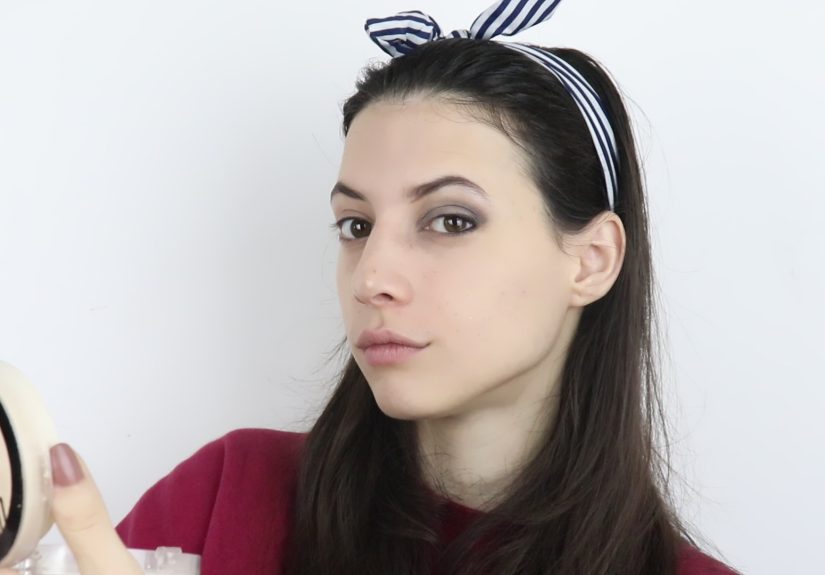
A smokey eye for brown eyes is one of those makeup looks that sounds dramatic, mysterious, and slightly dangerouslike you need backstage passes, professional lighting, and at least three makeup artists named “Nico.” Good news: you do not. Brown eyes are wonderfully versatile, which means bronze, espresso, plum, charcoal, copper, gold, and even deep navy can all look beautiful when blended with a little patience and a clean brush.
The secret is not piling black shadow on your eyelids and hoping the universe respects your effort. A flattering smokey eye makeup look is about gradient, softness, and strategic depth. The darkest color should stay closest to the lash line, then fade upward into medium and lighter shades. Think “espresso dissolving into warm milk,” not “raccoon who lost a bar fight.”
In this guide, you’ll learn how to do a smokey eye for brown eyes in 13 clear steps, including shade selection, blending, eyeliner placement, lower lash-line balance, and easy fixes for common mistakes. Whether you want a soft brown smokey eye for daytime or a sultry evening look, these steps will help you build the look without panic-blending your eyelids into next Tuesday.
Why Brown Eyes Work So Well With a Smokey Eye
Brown eyes contain warmth, depth, and natural contrast, which makes them a perfect canvas for smokey eye makeup. Unlike lighter eye colors that can sometimes be overwhelmed by heavy shadow, brown eyes can hold richer tones beautifully. Warm browns enhance softness, bronze and copper bring out golden flecks, plum adds contrast, and deep navy can make brown eyes look extra dimensional without relying on harsh black.
The most flattering smokey eye for brown eyes usually uses one of three color families: warm neutrals, jewel tones, or soft charcoals. Warm neutrals include caramel, taupe, cocoa, bronze, and espresso. Jewel tones include plum, burgundy, emerald, and navy. Soft charcoals include gray-brown, gunmetal, and smoky slate. The best choice depends on your mood, outfit, and how dramatic you want the final look to be.
What You Need Before You Start
You do not need a suitcase full of makeup. For a classic brown smokey eye, gather an eyeshadow primer or concealer, a neutral transition shade, a medium brown or bronze shade, a dark brown or espresso shade, an optional shimmer, eyeliner, mascara, and two or three brushes. A fluffy blending brush, a flat packing brush, and a small smudge brush can do most of the work.
If you are new to smokey eyes, start with brown instead of black. Brown is more forgiving, easier to blend, and less likely to turn one tiny mistake into a dramatic weather event. Once you understand placement and blending, you can experiment with black, plum, navy, or charcoal.
How to Do a Smokey Eye for Brown Eyes: 13 Steps
Step 1: Start With Clean, Dry Lids
Begin with clean eyelids so your makeup grips evenly. If your lids are oily, gently blot them with tissue or use a small amount of micellar water, then let the skin dry completely. A smokey eye needs smooth layers. Oil, leftover mascara, or moisturizer that has wandered too close to your lash line can make shadow patchy before you even pick up a brush.
This step is especially important if you want your smokey eye to last through dinner, dancing, humid weather, or an emotional movie trailer. Clean lids create a better base and reduce creasing.
Step 2: Apply Eyeshadow Primer
Apply a thin layer of eyeshadow primer from lash line to crease. If you do not have primer, use a tiny amount of concealer and set it lightly with translucent powder or a skin-toned shadow. The keyword here is “thin.” Too much product can make shadow slide around like it’s wearing socks on a hardwood floor.
Primer helps eyeshadow look smoother, appear more pigmented, and stay in place longer. It also gives you more control when blending darker shades, which is exactly what you want when working with smokey eye makeup.
Step 3: Choose Your Smokey Eye Color Palette
For brown eyes, choose shades that create dimension without making the eye area look muddy. A beginner-friendly combination is beige or soft taupe, warm medium brown, deep espresso, and champagne shimmer. For extra impact, try bronze, copper, plum, burgundy, or navy as your main lid color.
A simple rule: use three levels of depth. You need a light shade to soften edges, a medium shade to build the smoky gradient, and a dark shade to define the lash line and outer corner. This structure keeps the look polished instead of messy.
Step 4: Apply a Neutral Base Shade
Sweep a neutral matte shade close to your skin tone across the lid and crease area. This creates a smooth surface for blending. It also helps later colors fade more naturally, which is the entire personality of a good smokey eye.
Use a fluffy brush and keep the layer light. The base shade should not be the star of the show. It is the stage crew: quiet, useful, and responsible for making everyone else look better.
Step 5: Add a Transition Shade Through the Crease
Use a medium matte brown, camel, taupe, or warm terracotta shade in the crease. Blend it back and forth using small windshield-wiper motions, then use tiny circles to soften the edges. This transition shade is what makes the smokey eye look seamless.
For hooded eyes, apply the transition shade slightly above your natural crease while your eyes are open. This helps the color remain visible. For deep-set eyes, keep the darkest colors lower and let the transition shade softly frame the socket.
Step 6: Pack a Medium Smoky Shade Onto the Lid
Using a flat brush, press a medium brown, bronze, plum, or chocolate shade onto the mobile lid. Pressing works better than sweeping because it places pigment exactly where you want it. This is where your smokey eye for brown eyes begins to look intentional.
If you want a daytime look, choose matte cocoa or soft bronze. For evening, use metallic bronze, deep plum, espresso shimmer, or smoky copper. Brown eyes can handle richness, so do not be afraid of color. Just build it slowly.
Step 7: Deepen the Outer Corner
Apply a dark brown, espresso, charcoal-brown, or black-brown shade to the outer third of the lid. Keep it close to the lash line at first, then blend it slightly upward and outward. The shape should feel lifted, not dragged down.
Avoid taking the darkest shade too high too quickly. This is one of the most common smokey eye mistakes. If the dark shadow climbs all the way to the brow bone, the look can become heavy. Build depth gradually, then blend the edge with your transition shade.
Step 8: Blend Until the Edges Look Soft
Now take a clean blending brush and soften the edges. Use light pressure. If your brush bristles are bending dramatically, you are pressing too hard. Smokey eye blending is more like polishing a wine glass than scrubbing a pan.
The goal is a smooth gradient: darkest at the lashes, medium on the lid, softest near the crease. If the colors disappear after blending, add a little more shadow and blend again. Smokey eyes are built in layers, not one heroic swipe.
Step 9: Line the Upper Lash Line
Use brown, black-brown, black, plum, or navy eyeliner along the upper lash line. For a softer look, use pencil liner and smudge it with a small brush. For more drama, tightline the upper waterline to make the lashes look fuller.
Brown eyeliner is beautiful for daytime because it adds definition without looking too intense. Black liner creates more contrast and works well for evening. Navy or plum can make brown eyes pop while still feeling sophisticated.
Step 10: Smoke Out the Lower Lash Line
Use a small smudge brush to apply a medium brown or bronze shade along the lower lash line. Keep the color soft and close to the lashes. Then add a tiny amount of the darker shade only to the outer third.
This step balances the upper lid and makes the look feel complete. However, avoid dragging dark shadow too far downward. A lower lash line should whisper “smokey,” not announce that it has started its own separate makeup look.
Step 11: Add a Touch of Shimmer Strategically
Place champagne, gold, bronze, or copper shimmer on the center of the lid or inner corner. This catches light and gives brown eyes extra sparkle. For a soft glam smokey eye, a small amount of shimmer can make the entire look feel more polished.
If you prefer matte makeup, skip this step. A fully matte brown smokey eye can look elegant and modern. If you do use shimmer, keep it controlled. The smokey shape should remain blended, not glitter-bombed.
Step 12: Curl Lashes and Apply Mascara
Curl your lashes, then apply mascara from root to tip. Wiggle the wand at the base of the lashes to build volume. Mascara is what pulls the smokey eye together because it adds definition against the shadow.
If you want extra drama, apply a second coat after the first coat becomes slightly tacky but not fully dry. For a softer daytime version, focus mascara on the upper lashes and keep the lower lashes light.
Step 13: Clean the Edges and Finish the Face
Use a cotton swab with a little micellar water or concealer to clean the outer edge of the shadow. You can angle the cleanup slightly upward for a lifted effect. Then apply concealer under the eyes after finishing your shadow, especially if you used dark colors that may have fallout.
Finish with blush, bronzer, and a lip color that supports the eyes. Nude, rose, caramel, peach, mauve, or soft berry lips all pair beautifully with a smokey eye for brown eyes. If the eyes are very dramatic, keep the lips balanced so the whole face looks intentional.
Best Smokey Eye Colors for Brown Eyes
The best eyeshadow colors for brown eyes depend on the kind of effect you want. Bronze and copper bring out warmth. Gold and champagne add brightness. Plum and burgundy create contrast. Espresso and chocolate create soft definition. Navy gives a modern twist that can look less harsh than black.
For a Soft Daytime Smokey Eye
Use beige, taupe, warm brown, and bronze. Keep eyeliner brown and blend everything softly. This version works well for brunch, work, school events, casual photos, or any moment when you want your eyes defined but not shouting across the room.
For a Classic Evening Smokey Eye
Use matte taupe, chocolate brown, espresso, and black-brown liner. Add champagne shimmer to the inner corner. This combination gives depth without looking too severe, especially on brown eyes.
For a Colorful Smokey Eye
Try plum, burgundy, emerald, or navy. Keep the deepest shade near the lash line and blend with warm brown in the crease. This keeps colorful smokey eye makeup wearable and flattering.
Common Smokey Eye Mistakes and How to Fix Them
Mistake 1: Starting Too Dark
If you begin with black shadow everywhere, blending becomes much harder. Start with medium shades, then add depth slowly. You can always add more darkness, but removing it usually involves wipes, regret, and possibly a snack break.
Mistake 2: Using Only One Brush
A smokey eye needs at least one brush for placing color and one clean brush for blending. If you use the same brush for everything, dark pigment spreads too far and the look can become muddy.
Mistake 3: Forgetting the Lower Lash Line
If the upper lid is smoky but the lower lash line is bare, the eye makeup can look unfinished. Add a soft brown or bronze shade underneath to balance the look.
Mistake 4: Blending Too High
Blending is good. Blending into your eyebrow is not the goal. Keep the deepest shades close to the lash line and use lighter shades as you move upward.
Mistake 5: Skipping Cleanup
Even professional-looking smokey eyes often need cleanup. A little concealer or micellar water at the outer corner can sharpen the shape and remove fallout. Makeup is not magic; sometimes it is just clever editing.
How to Customize a Smokey Eye for Different Eye Shapes
For hooded eyes, place the transition shade slightly above the crease so it remains visible when your eyes are open. Keep shimmer lower on the lid and concentrate depth at the outer corner. For round eyes, extend the outer corner slightly outward to create a soft almond effect. For almond eyes, follow the natural shape and blend outward. For monolids, build depth from the lash line upward in a smooth gradient, using liner as the deepest point.
The best smokey eye is not one copied exactly from someone else. It is adjusted to your eye shape, skin tone, comfort level, and personal style. Makeup should feel like expression, not a geometry exam with glitter.
Daytime vs. Nighttime Smokey Eye for Brown Eyes
A daytime smokey eye should use softer contrast. Choose matte taupe, caramel, bronze, and brown liner. Keep the lower lash line light and skip heavy black shadow. A nighttime smokey eye can handle deeper espresso, charcoal, plum, or black-brown liner. Add shimmer, tightline the upper lashes, and build more intensity at the outer corner.
For both versions, the technique stays the same: prime, transition, lid shade, outer depth, blend, liner, mascara, cleanup. The difference is simply how deep you go with color.
of Real-World Experience: What Actually Makes a Smokey Eye Easier
The first thing many people learn when practicing a smokey eye for brown eyes is that the finished look usually gets worse right before it gets better. There is a moment after applying the dark outer-corner shade when everything looks suspicious. The lid seems too dark, the crease looks uneven, and one eye appears ready for a gala while the other appears to be attending a garage sale. This is normal. The magic happens after blending, liner, mascara, and cleanup.
One of the most useful experiences is learning to do eye makeup before foundation. Dark shadows, especially espresso, plum, charcoal, and black-brown, can drop tiny specks under the eyes. If foundation is already done, that fallout can turn into gray smudges. Doing eyes first lets you wipe away fallout without disturbing your base. It feels backward at first, but it saves time and emotional stability.
Another practical lesson: the brush matters more than the palette price. A luxury eyeshadow can still look patchy if applied with the wrong brush, while an affordable shadow can look polished when placed and blended correctly. A fluffy blending brush softens edges, a flat brush packs color onto the lid, and a pencil brush adds controlled depth along the lash line. The clean blending brush is the unsung hero. It fixes harsh lines without adding more pigment, which is exactly what beginners need.
For brown eyes, warm brown smokey looks are often the easiest starting point. Bronze on the lid, chocolate in the outer corner, and espresso liner create definition without the intensity of black. Once that feels comfortable, plum is a beautiful next step. Plum contrasts with brown eyes in a soft but noticeable way, especially when blended with warm brown in the crease. Navy is another underrated option. It gives drama but can look cleaner than black, particularly when smudged close to the lash line.
In real life, lighting changes everything. A smokey eye that looks subtle in bathroom lighting may look much stronger in daylight. Before leaving, check your makeup near a window if possible. This helps you see whether the edges are blended and whether both eyes match closely enough. They do not need to be identical twins; friendly cousins are fine.
The best advice is to practice when you are not in a rush. Trying a new smokey eye 12 minutes before an event is how people develop trust issues with eyeshadow. Practice on a quiet evening, take a photo, notice what you like, and adjust next time. With each attempt, you learn how high to blend, how much liner you prefer, and which colors make your brown eyes stand out. Eventually, the smokey eye stops feeling intimidating and starts feeling like a reliable little makeup trick you can pull out whenever your face says, “Let’s be dramatic, but tastefully.”
Conclusion
Learning how to do a smokey eye for brown eyes is mostly about patience, placement, and blending. Start with clean lids, use primer, build color from light to dark, keep the deepest shade near the lash line, and soften every edge. Brown eyes pair beautifully with bronze, copper, espresso, plum, navy, and warm neutrals, so you have plenty of room to experiment.
Remember: a smokey eye does not have to be black, heavy, or complicated. It can be soft, wearable, colorful, matte, shimmery, daytime-friendly, or full evening glam. Once you understand the 13 steps, you can adjust the colors and intensity to fit your style. And if the first try looks messy? Congratulationsyou are officially doing makeup like everyone else before blending saves the day.