Table of Contents >> Show >> Hide
- What Is Kool Aid Hair Dye?
- Before You Start: Safety and Reality Check
- Best Kool Aid Colors for Dip Dye Hair
- What You Need to Dip Dye Hair with Kool Aid
- How to Dip Dye Hair with Kool Aid: Step-by-Step Guide
- How Long Does Kool Aid Hair Dye Last?
- How to Make Kool Aid Dip Dye Last Longer
- How to Fade or Remove Kool Aid Hair Dye
- Common Mistakes to Avoid
- Who Should Skip Kool Aid Hair Dye?
- Real-Life Experience: What Dip Dyeing Hair with Kool Aid Is Actually Like
- Final Thoughts
Dip dyeing hair with Kool Aid is one of those DIY beauty experiments that sounds like it was invented during a sleepover, refined in a kitchen, and tested by someone wearing an old T-shirt they were emotionally prepared to lose. It is colorful, inexpensive, nostalgic, and surprisingly effective on the right hair type. But before you turn your bathroom into a tiny fruit-punch science lab, let’s be clear: Kool Aid is a drink mix, not professional hair color. It can stain hair, towels, skin, counters, and possibly your soul if you choose grape without gloves.
Still, when done carefully, Kool Aid dip dye can be a fun way to add temporary color to the ends of your hair without committing to a full salon transformation. It works best as a low-risk, ends-only color experiment, especially on light blonde, highlighted, bleached, gray, or very porous hair. On darker brown or black hair, the result is usually subtlera red glow in sunlight, a purple tint, or a “wait, is your hair different?” moment rather than a neon mermaid reveal.
This guide explains how to dip dye hair with Kool Aid step by step, what colors work best, how long the color may last, how to reduce mess, and what to do if your “temporary” color gets a little too comfortable and decides to move in permanently.
What Is Kool Aid Hair Dye?
Kool Aid hair dye is a DIY coloring method that uses powdered drink mix and hot water to stain the hair shaft. Unlike permanent hair dye, it does not use ammonia, developer, or peroxide to chemically lift or alter your natural hair color. Instead, the food coloring in the drink mix clings to the outer layers of the hair, especially where the hair is lighter, drier, or more porous.
That is why results vary so much. Two people can use the same packet of cherry Kool Aid and get completely different outcomes. One person may end up with bright red tips, while another gets a faint berry tint that only appears under bathroom lighting and emotional support. Hair color, texture, porosity, previous bleaching, heat damage, and processing time all affect the final shade.
Is Kool Aid Hair Dye Temporary?
Usually, yesbut “temporary” is a flexible word here. Kool Aid color may fade after a few washes, or it may linger for weeks. On bleached or very light hair, red and purple shades can stain longer than expected. Some people find that the color fades gradually into pastel tones; others need clarifying shampoo, patience, or a haircut if the ends are very porous.
For that reason, dip dyeing only the ends is smarter than applying Kool Aid all over your head. If the color overstays its welcome, you can trim the ends later. If you dye your entire head bright tropical punch red and hate it, your options become much more dramatic.
Before You Start: Safety and Reality Check
Before any hair-coloring experiment, do a simple patch test and strand test. A patch test helps you check for skin irritation, while a strand test shows how your hair will actually absorb the color. This matters because Kool Aid contains acids, artificial colors, flavoring ingredients, and sometimes sweeteners or sugar depending on the product. Again, fun for a pitcher, not specifically designed for your scalp.
Do a Patch Test First
Mix a tiny amount of Kool Aid powder with water and apply a small dab to the inside of your elbow or behind your ear. Wait at least 24 hours. If you notice redness, itching, burning, swelling, or discomfort, do not use it on your hair. People with sensitive skin, eczema, allergies, or scalp irritation should be extra cautious.
Do a Strand Test
Choose a small hidden piece of hair near the nape of your neck. Dip it into your Kool Aid mixture, rinse, dry, and check the color in natural light. This tiny test can save you from turning your ends a shade best described as “haunted cranberry.”
Do Not Use Kool Aid Near Your Eyes
Never use Kool Aid to dye eyebrows, eyelashes, or hair close to the eyes. Keep the mixture on the ends of your hair only. If you are younger, ask a parent or responsible adult to help, especially because this method uses hot water.
Best Kool Aid Colors for Dip Dye Hair
Not all Kool Aid flavors perform equally as hair color. Red, pink, purple, and berry shades usually show up best. Blue can be unpredictable, especially on darker hair, and yellow or lemonade shades may barely appear unless your hair is very light.
Popular Color Choices
- Cherry: bright red to pink-red, often the most visible option.
- Tropical Punch: warm red with a pink-orange tone.
- Black Cherry: deeper burgundy or wine-colored tint.
- Grape: purple on light hair, sometimes reddish-purple on darker hair.
- Blue Raspberry Lemonade: blue or teal on very light hair, but often faint on brown hair.
- Mixed Berry: berry-purple tones, depending on your base color.
If your hair is blonde, highlighted, bleached, silver, or gray, nearly any strong Kool Aid color can show up. If your hair is medium brown, choose red, black cherry, or grape for the best chance of visible color. If your hair is black or very dark brown, expect a subtle tint rather than bright color unless your ends are pre-lightened.
What You Need to Dip Dye Hair with Kool Aid
Gather everything before you begin. Once the mixture is hot and your hair is sectioned, you do not want to sprint through the house looking for gloves while your mug of red liquid threatens the furniture.
Supplies
- 2 to 4 packets of unsweetened Kool Aid powder
- 1 to 2 cups of hot water
- A heat-safe bowl, mug, or measuring cup
- Disposable gloves
- An old towel or cape
- Hair ties or clips
- Petroleum jelly or thick conditioner for skin protection
- Paper towels or an old cloth
- Shampoo and conditioner
- Optional: a wide-tooth comb
Use unsweetened Kool Aid if possible. Sweetened drink mixes can make hair sticky and harder to rinse clean. The goal is colorful ends, not a hairstyle that attracts every ant within city limits.
How to Dip Dye Hair with Kool Aid: Step-by-Step Guide
Step 1: Start with Clean, Dry, Detangled Hair
Wash your hair the day before or earlier in the day, then dry it completely. Detangle the ends with a comb or brush. Clean hair helps the color attach more evenly, while dry hair lets you see exactly where the dip-dye line will sit. Avoid heavy oils, leave-in creams, or styling products before dyeing because they can block the stain.
Step 2: Protect Your Clothes and Workspace
Put on an old shirt. Cover your shoulders with an old towel. Lay another towel or newspaper over the counter. Kool Aid may stain surfaces, especially light countertops, grout, fabric, and wood. If your bathroom looks like a white marble showroom, consider doing this in the kitchen near a stainless-steel sink or outdoors with adult help.
Step 3: Section Your Hair
Decide how much of the ends you want colored. For a subtle dip dye, color the bottom 1 to 2 inches. For a bolder look, color the bottom 3 to 6 inches. Divide your hair into two low ponytails for an even left-and-right effect, or create several small sections if your hair is thick. Secure each section with a hair tie just above where you want the color to begin.
Step 4: Mix the Kool Aid Dye
Boil 1 to 2 cups of water, then let it cool slightly so it is hot but not dangerously bubbling. Pour it into a heat-safe bowl or mug. Stir in 2 to 4 packets of Kool Aid until fully dissolved. Use less water for stronger color and more packets for darker or thicker hair. For most shoulder-length hair, 2 packets in 1 cup of water is a good starting point. For longer or darker hair, use 3 to 4 packets.
Do not lean your face over the steam. Do not dip hair into a container while it is still on the stove. Move the mixture to a stable table or counter first. Hot liquid and hair experiments require more calm than TikTok usually suggests.
Step 5: Dip the Ends
Put on gloves. Dip the ends of each section into the Kool Aid mixture. Keep the hair submerged for 5 to 20 minutes, depending on your hair color and desired intensity. Light blonde hair may only need 5 to 10 minutes. Darker or thicker hair may need 15 to 20 minutes. Gently swirl the ends in the liquid so all strands are exposed.
For an ombré effect, dip the lowest ends for the full time, then raise the hair slightly during the last few minutes so the color fades upward softly. This creates a more blended look instead of a hard line that says, “My ponytail fell into a fruit punch bowl.”
Step 6: Blot, Rinse, and Condition
Carefully remove the hair from the mixture and squeeze out extra liquid with paper towels or an old towel. Rinse the ends with cool water until the water runs mostly clear. Avoid using hot water because it can encourage color to bleed. Apply conditioner to the dyed ends, let it sit for a few minutes, then rinse again with cool water.
Step 7: Dry and Check the Color
Let your hair air-dry or use a blow dryer on a low or cool setting. The color often looks darker when wet and brighter once dry. Check it in natural light before deciding whether to repeat the process. If you want a stronger result, you can dip the ends again after the hair dries.
How Long Does Kool Aid Hair Dye Last?
Kool Aid dip dye may last anywhere from a few shampoos to several weeks. On virgin dark hair, it may fade quickly or appear only as a tint. On bleached, highlighted, blonde, gray, or damaged hair, it can hold longer because porous hair absorbs stains more easily.
Red shades are especially clingy. Cherry and tropical punch can fade into pink or peach tones. Purple may fade into lavender, mauve, or reddish-pink. Blue may fade greenish if your hair has yellow undertones. If you have school photos, a formal event, or a strict dress code coming up, do not try this the night before unless you enjoy suspense.
How to Make Kool Aid Dip Dye Last Longer
If you love the color and want to keep it around, treat it like a semi-temporary fashion color. Wash less often, use cool water, and avoid harsh clarifying shampoos. Heat styling can dry the ends and may make color fade unevenly, so use heat tools sparingly.
Color-Saving Tips
- Wash hair with cool water instead of hot water.
- Use a gentle, color-safe shampoo.
- Condition the ends regularly.
- Avoid swimming pools right after dyeing.
- Protect hair from long sun exposure.
- Sleep on a dark towel or pillowcase for the first night.
The first night matters because damp or freshly dyed hair can transfer color. If you have white sheets, this is not their moment.
How to Fade or Remove Kool Aid Hair Dye
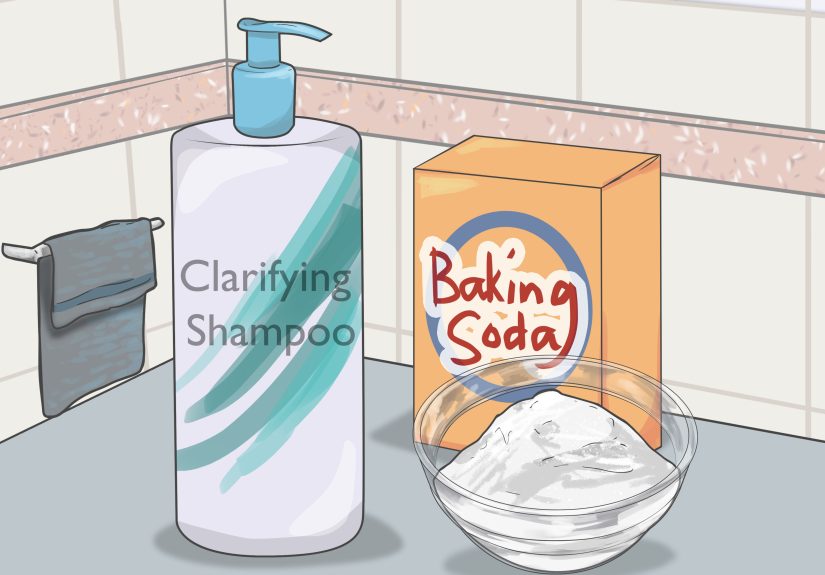
If the color turns out too strong, do not panic-scrub your hair into straw. Start gently. Wash the dyed ends with a clarifying shampoo and warm water. Follow with conditioner. Repeat over several washes rather than attacking your hair all at once.
You can also try soaking the colored ends in warm water with a small amount of gentle shampoo, then conditioning deeply afterward. Avoid harsh DIY removal tricks involving strong household cleaners, bleach, or anything not meant for hair. If the color is stubborn, a professional stylist can help remove or tone it more safely.
Common Mistakes to Avoid
Using Too Much Water
A watery mixture produces a weaker stain. If you want vivid color, use a concentrated mix with more powder and less water.
Skipping Gloves
Kool Aid stains fingers. Unless you want your hands to look like you wrestled a popsicle, wear gloves.
Dyeing Too Much Hair
Start with the ends only. You can always dye more hair later, but you cannot easily undye half your head before Monday morning.
Expecting Salon Results
Kool Aid is unpredictable. It can be cute, vibrant, subtle, patchy, or surprisingly permanent. If you need a precise shade, use hair color made for hair or visit a stylist.
Trying It on Damaged Hair Without Testing
Dry, bleached, or damaged ends can grab color intensely. Always do a strand test first.
Who Should Skip Kool Aid Hair Dye?
Skip this method if your scalp is irritated, if you have a history of reactions to dyes or fragrances, or if your hair is extremely damaged. Also skip it if you need predictable, professional-looking color. Kool Aid dip dye is best for casual experimentation, summer fun, costume looks, spirit days, or anyone who can laugh if the result comes out slightly more “berry goblin” than “pastel princess.”
If you have very light blonde or bleached hair and cannot risk staining, choose temporary hair chalk, clip-in colored extensions, or washable hair makeup instead. These options are often easier to remove and less likely to linger.
Real-Life Experience: What Dip Dyeing Hair with Kool Aid Is Actually Like
The first thing most people notice about Kool Aid hair dye is not the color. It is the smell. The moment the powder hits hot water, your kitchen smells like childhood birthday parties, plastic pitchers, and a mysterious red mustache from 2004. This is charming for about five minutes. After that, you remember you are not making a drinkyou are staining hairand the process suddenly feels like a beauty tutorial hosted by a lunchbox.
In practice, the dip-dye method is much easier than full-head coloring. The ends are manageable, the mess is easier to control, and the stakes are lower. If you tie the hair into two low ponytails, the color usually lands in a fairly even place. If you freehand it without sectioning, the final line may look more random. That can be cool if you want a messy festival style, but less ideal if you want a clean ombré finish.
One useful experience-based tip is to keep the container narrow and deep rather than wide and shallow. A mug or tall measuring cup lets the hair ends soak evenly without needing a huge amount of liquid. A shallow bowl makes you bend the hair awkwardly, which can lead to uneven color and dripping. Dripping, by the way, is the true villain of Kool Aid hair dye. The liquid is bright, sneaky, and very interested in your towel.
Another lesson: the color you see in the cup is not always the color you get on your hair. Grape may look dark purple in the mixture but turn reddish on warm blonde hair. Cherry may look cartoonishly red in the bowl but dry down to a softer pink-red. Blue raspberry can be gorgeous on pale blonde hair and almost invisible on medium brown hair. This is why the strand test is not optional if you care about the outcome.
Texture also matters. Fine hair may absorb color quickly and look bright after a short soak. Thick or coarse hair may need more time and a stronger mixture. Curly hair can look beautiful with dip-dyed ends because the color catches on the curls, but it may also need extra conditioner afterward to keep the ends soft. Since Kool Aid is not a conditioning hair product, treat your hair kindly after dyeing. A rich conditioner can make the difference between “fun color” and “crunchy fruit snack.”
The fading stage can be surprisingly pretty. Red often becomes pink. Purple may soften into berry or lavender. Sometimes the color fades unevenly, especially if the ends are dry. That is not always a disaster; it can create a natural-looking gradient. But if you need the color gone fast, prepare for disappointment. Kool Aid can be stubborn, especially on bleached hair. The better mindset is to assume the color may last longer than expected and choose a shade you would not mind living with for a while.
The best overall experience comes from treating Kool Aid dip dye as a playful experiment, not a precision beauty service. Wear old clothes. Use gloves. Protect the counter. Choose a color that suits your hair base. Keep the dye on the ends. Take photos before the first wash, because that is usually when the color looks freshest. And remember: if the result is a little chaotic, that is part of the charm. Hair grows, color fades, and every DIY beauty adventure deserves at least one funny story.
Final Thoughts
Learning how to dip dye hair with Kool Aid is simple, affordable, and funas long as you respect the mess and manage your expectations. The basic method is easy: mix unsweetened Kool Aid with hot water, dip the ends, wait, rinse, condition, and dry. The real secret is preparation. Patch test first, strand test before committing, protect your workspace, and remember that lighter hair grabs color more strongly than darker hair.
Kool Aid dip dye is not perfect, and it is not professional hair color. But for a temporary pop of red, pink, purple, or berry-toned fun, it can be a cheerful DIY project with very little equipment. Just keep it away from your eyes, your favorite towels, and any bathroom surface you are not ready to explain to your family.
Note: Kool Aid is a powdered drink mix, not a cosmetic hair dye. This guide is intended for careful, temporary, ends-only experimentation. If your hair is fragile, recently bleached, chemically treated, or very light, consult a professional stylist before trying any DIY color method.