Table of Contents >> Show >> Hide
- What Is the Basic Step in Salsa?
- How to Do the Basic Salsa Step, Count by Count
- According to a Pro: What Matters More Than Fancy Footwork
- On1 vs. On2: Do Beginners Need to Worry About It?
- How to Hear the Beat Without Feeling Personally Attacked by Music
- Common Salsa Beginner Mistakes
- How to Practice Salsa at Home Like You Actually Plan to Improve
- What to Wear and How to Feel Less Awkward in Class
- When the Basic Step Starts to Feel Good
- Real Experiences: What Learning the Basic Salsa Step Often Feels Like
- Conclusion
If you have ever watched a great salsa dancer and thought, “Cool, but my feet would file a formal complaint,” welcome. The good news is that salsa looks more intimidating than it is. Under all the spins, styling, and crowd-pleasing drama, there is a simple engine powering the whole thing: the basic step. Learn that, and suddenly salsa stops feeling like advanced geometry performed in heels.
According to seasoned dance instructors, beginners do best when they stop trying to look fancy and start by understanding timing, weight transfer, and posture. In other words, salsa is less about attacking the floor like it insulted your family and more about stepping with rhythm, control, and just enough confidence to fake it until it becomes real. Once the basic step locks into your body, everything else gets easier: turns, partner work, musicality, and that magical moment when you no longer count out loud like a nervous metronome.
In this guide, you will learn how to dance a basic step in salsa in a beginner-friendly way, what pros want students to focus on first, what mistakes to avoid, and how to practice so you look smoother instead of just faster. Think of this as salsa without the panic and with fewer existential questions about your left foot.
What Is the Basic Step in Salsa?
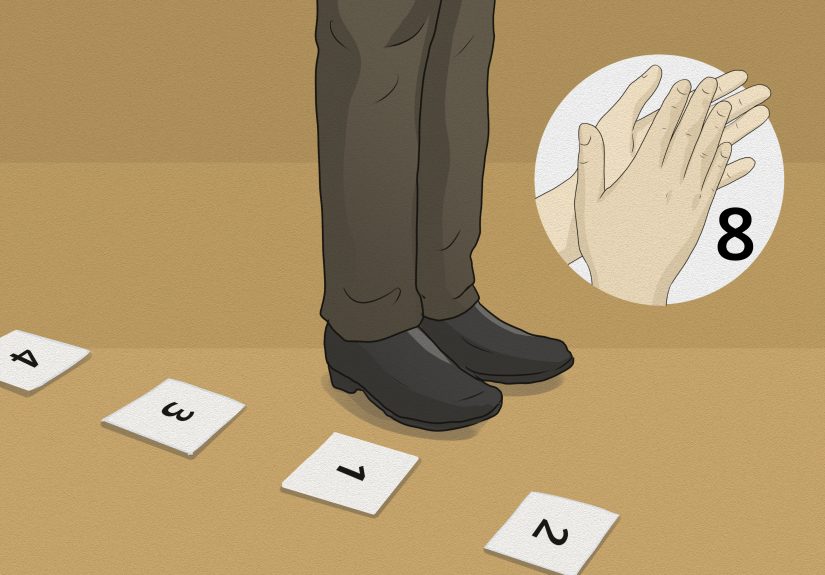
The salsa basic step is the foundation of the dance. Most beginners start with an On1 basic, which follows an eight-count pattern. You step on 1, 2, 3, pause on 4, then step on 5, 6, 7, and pause again on 8. That pause does not mean you freeze like your internet just cut out. It means you collect yourself, keep the rhythm, and prepare for the next half of the pattern.
In partner salsa, one dancer usually begins by stepping forward while the other begins by stepping back. If you are learning solo, do not overthink the role right away. Start by mastering one pattern cleanly. Pros often teach the leader’s timing first because it makes the forward-and-back rhythm easy to understand, then add the follower’s version once the student hears the count more naturally.
The real secret is that salsa is not just about where your feet go. It is about when they go, how your weight changes, and whether your upper body stays calm enough to make the whole thing look effortless. Fancy feet with messy timing is just panic in rhythm.
How to Do the Basic Salsa Step, Count by Count
Leader’s Basic Step (On1)
Let’s begin with the classic beginner pattern. Stand tall, keep your knees soft, and relax your shoulders. Your arms should not look like you are carrying invisible furniture.
- Count 1: Step forward with your left foot.
- Count 2: Shift your weight back onto your right foot.
- Count 3: Bring your left foot back to center.
- Count 4: Pause or hold.
- Count 5: Step back with your right foot.
- Count 6: Shift your weight forward onto your left foot.
- Count 7: Bring your right foot back to center.
- Count 8: Pause or hold.
That is one full basic. Repeat it slowly until your body stops negotiating with your brain.
Follower’s Basic Step (On1)
The follower usually mirrors the opposite direction:
- Count 1: Step back with your right foot.
- Count 2: Shift your weight onto your left foot.
- Count 3: Bring your right foot back to center.
- Count 4: Pause or hold.
- Count 5: Step forward with your left foot.
- Count 6: Shift your weight back onto your right foot.
- Count 7: Bring your left foot back to center.
- Count 8: Pause or hold.
At first, the counts may feel mechanical. That is normal. Salsa gets fun when the counting fades into the background and the rhythm starts living in your body.
According to a Pro: What Matters More Than Fancy Footwork
A professional instructor will usually tell you the same thing: beginners improve faster when they focus on a few fundamentals instead of trying to learn twelve turn patterns and a dramatic shoulder shimmy on day one. Here are the big ones.
1. Weight Transfer
Every step needs a committed weight change. If you tap a foot without truly moving your weight, your salsa will feel wobbly and disconnected. Clean salsa basics happen when you know which foot is supporting you on every count. This is the difference between dancing and politely poking the floor.
2. Posture
Stand tall, lengthen your spine, keep your chest open, and let your knees stay relaxed. Good posture gives you balance, makes partner dancing easier, and instantly improves your look. Even basic salsa seems more polished when your body says “I’m here to dance” instead of “I fell asleep on a bus and woke up in a nightclub.”
3. Small Steps
One of the most common beginner mistakes is taking huge steps. Salsa basic steps are usually compact and controlled. If your forward break step looks like you are lunging for a dropped dollar bill, dial it back. Small steps help you stay on time and make direction changes easier.
4. Rhythm Before Speed
Do not rush to full tempo. Learn the count slowly, speak it out loud, and train your feet to match the beat. Pros would much rather see a student dance a clean, simple basic on time than sprint through chaos with enthusiasm.
5. Calm Upper Body
Your torso should stay relatively stable while your weight shifts underneath you. That does not mean stiff. It means controlled. In partner dancing, this helps maintain connection and makes lead-follow communication much clearer. Flapping elbows do not count as styling.
On1 vs. On2: Do Beginners Need to Worry About It?
Eventually, yes. On your first day, not really.
On1 and On2 are timing systems, not rankings. One is not the “easy baby version” and the other is not the secret dance level for rhythm wizards. On1 often feels more intuitive to beginners because the break step happens on the first beat. On2 shifts the feel of the dance and connects differently to the music. Both are legitimate, social, and widely danced.
If your goal is to learn a basic salsa step according to a pro, the smartest move is simple: pick one timing, get comfortable, and avoid collecting half-learned versions like mismatched socks. Once your rhythm is secure, learning the other timing becomes far less dramatic.
How to Hear the Beat Without Feeling Personally Attacked by Music
Many beginners think their problem is their feet. Often, it is their ears. Salsa music has layers, energy, and syncopation, so it can feel busy at first. Start by listening for the steady pulse and counting 1-2-3, 5-6-7. Clap it. Walk it. Say it while brushing your teeth if necessary. Your roommates may suffer, but your timing will improve.
A pro tip is to practice the basic step without a partner and without worrying about style. Just count, step, hold, and repeat. Then try it with music at a slower tempo. Once the count settles in, your body will stop guessing.
Common Salsa Beginner Mistakes
Taking Steps That Are Too Big
Large steps throw off balance, stretch your timing, and make partner connection harder. Keep the movement compact.
Leaning Instead of Shifting Weight
Your body should move over the foot that carries your weight. Leaning forward or backward without a true weight transfer creates instability.
Looking Down Constantly
Checking your feet every two seconds is understandable, but it wrecks posture and makes connection harder. Glance if needed, then lift your gaze and trust the process.
Forgetting the Pauses
Counts 4 and 8 matter. They give the basic its shape. Skipping them can make your dancing look rushed and feel off-beat.
Trying to Add Turns Too Soon
Turns are fun. So is staying upright. Build a strong basic first. Spins love a solid foundation.
How to Practice Salsa at Home Like You Actually Plan to Improve
You do not need a giant studio, perfect shoes, or a dramatic mirror wall to improve. You need consistency. Ten focused minutes a day will usually help more than one random hour every other week.
Simple Salsa Practice Routine
- March in place to the beat for one minute.
- Count the salsa rhythm aloud: 1-2-3, 5-6-7.
- Practice the basic step slowly for three minutes.
- Repeat with music for three minutes.
- Do one minute focusing only on posture and weight transfer.
- Finish with one minute dancing without stopping, even if you make mistakes.
This kind of practice builds timing, confidence, and muscle memory. It also helps you stop treating mistakes like a federal investigation. In salsa, you keep going.
What to Wear and How to Feel Less Awkward in Class
Wear comfortable clothes that let you move and shoes that do not glue you to the floor. You want to pivot, not wrestle your sneakers. If you are going to a beginner salsa class, remember this comforting truth: nearly everyone is busy worrying about their own feet. They are not hosting a private awards show for your mistakes.
Come ready to learn, not to impress. A relaxed attitude helps more than a perfect outfit. The best dancers in a beginner room are usually not the ones trying to look cool. They are the ones listening, counting, and laughing when things go sideways.
When the Basic Step Starts to Feel Good
There is a magical point in salsa where the counts stop feeling like homework and start feeling like music. Your steps get smaller, your timing gets cleaner, and your body begins to groove instead of merely comply. That is when salsa gets addictive in the best way.
Once the basic step feels natural, you can build into right turns, cross-body leads, shines, partner connection drills, and styling. But even advanced dancers return to the basic step constantly. It is not just beginner material. It is the heartbeat of the dance.
Real Experiences: What Learning the Basic Salsa Step Often Feels Like
Learning how to dance a basic step in salsa is rarely a straight line, and that is part of the charm. A lot of beginners walk into their first class with the same mix of excitement and low-grade terror. The music sounds amazing, the experienced dancers look effortless, and then the instructor says, “Let’s start with the basic,” which somehow feels both encouraging and suspicious. You think, “Great, basic sounds manageable.” Two minutes later, your left foot has unionized and your right foot has gone freelance.
Then something funny happens. Around the tenth repetition, the chaos starts to organize itself. You begin to hear the count more clearly. The pause on 4 and 8 stops feeling like a weird gap and starts feeling like a useful reset button. Instead of chasing the beat, you begin to ride it. That moment is small, but it is huge. It is usually the first time beginners realize salsa is not about being naturally talented. It is about repetition, rhythm, and letting your body learn what your brain cannot explain fast enough.
Many people also describe a strange split-screen experience during the first few lessons. On the outside, they are smiling and pretending everything is fine. On the inside, they are running complicated mental software: “Left foot forward, no wait, back? Am I the leader right now? Why is everyone else turning and I am negotiating with gravity?” This is normal. In fact, it is practically a rite of passage. A pro will tell you that confusion is not failure. Confusion is just the sound of your coordination updating.
There is also a social side to the experience that surprises people. Salsa can feel vulnerable at first because you are moving to music, sometimes with a partner, while trying not to resemble a shopping cart with one bad wheel. But beginner classes are usually full of people having the exact same internal meltdown. That shared awkwardness becomes part of the fun. Someone laughs after stepping on the wrong count. Someone else apologizes to a mirror. By the end of class, the room feels lighter because everybody has survived together.
As practice continues, the emotional experience changes. What starts as self-consciousness often turns into focus, then enjoyment, then genuine confidence. The first clean basic step feels great. The first time you stay on beat for an entire song feels even better. And the first time you dance without staring at your feet feels like you have unlocked a side quest reward. Salsa has a way of turning tiny victories into big motivation.
Over time, people often notice benefits beyond the dance floor. They stand taller. They move with more awareness. They become more comfortable with rhythm, touch, and communication. They also get better at recovering from mistakes without freezing. That alone might be one of salsa’s sneakiest life skills. You miss a step, you smile, you find the beat again, and you keep dancing. Honestly, that is a pretty excellent philosophy.
So if your first attempts feel clumsy, welcome to the club. That is not a sign you cannot dance. It is a sign you have started. And in salsa, starting with a humble, slightly confused basic step is exactly how the good stuff begins.
Conclusion
If you want to learn salsa the smart way, start with the basic step and treat it like gold. A pro knows that timing, posture, weight transfer, and consistency matter more than rushing into tricks. Once your salsa basic step is solid, the dance becomes less about memorizing and more about feeling. That is where confidence lives.
So count the rhythm, keep your steps small, stay relaxed, and give yourself permission to look a little ridiculous before you look amazing. That is not failure. That is the salsa origin story almost everyone gets.