Table of Contents >> Show >> Hide
- First: Know What You’re Cleaning (Because “Glass” Isn’t One Thing)
- What You’ll Need (Keep It Simple and Non-Scratch)
- The Golden Rules (Read These Before Your First Wipe)
- Step-by-Step: Cleaning Stained Glass Windows and Panels
- What About Stubborn Grime (Smoke Film, Grease, Mystery Haze)?
- Painted Stained Glass: The “Handle With Care” Category
- Cleaning Stained Glass Lampshades (Tiffany-Style and Decorative Shades)
- How Often Should You Clean Stained Glass?
- When to Call a Pro (The Smart, Not-Embarrassing Choice)
- Quick “Looks Good As New” Checklist
- Conclusion
- Experiences People Commonly Have When Cleaning Stained Glass (Extra )
Stained glass is basically two things at once: art and a window. Which means it collects dust like a shelf,
fingerprints like a phone screen, and mystery haze like it’s training for a paranormal investigation show.
The good news: most stained glass can look bright and “new-ish” again with gentle cleaning.
The bad news: one overconfident scrub session (or a splash of the wrong cleaner) can permanently damage glass paint,
patina, lead cames, or solder lines.
This guide walks you through safe, pro-inspired methods to clean stained and leaded glass windows, panels, and even
stained glass lampswithout turning your masterpiece into a cautionary tale.
First: Know What You’re Cleaning (Because “Glass” Isn’t One Thing)
“Stained glass” can mean a few different builds, and cleaning depends on which one you have:
- Leaded or came-styled windows: Pieces of glass joined by soft metal channels (often lead, sometimes zinc/brass).
- Copper-foil (Tiffany-style) panels and lamps: Glass pieces wrapped in copper foil and soldered together.
- Painted glass details: Some designs include paint fired onto the glass or delicate surface decoration.
- Protective glazing: An extra layer of glass or acrylic installed outside the stained glass (sometimes with ventilation gaps).
The main takeaway: you’re cleaning glass plus metals plus possibly paint. That’s why the “just use vinegar”
advice you might see for ordinary windows can be risky here.
What You’ll Need (Keep It Simple and Non-Scratch)
Gather your supplies before you start so you’re not balancing on a step stool yelling, “Where’s the clean cloth?!”
- Soft microfiber cloths or soft cotton cloths (severalclean ones matter)
- Feather duster or a soft, natural-bristle brush (great for textured glass)
- Distilled water (or very soft water)
- A small amount of pH-neutral, non-abrasive dish soap
- Spray bottle (to mist your cloth, not the window)
- Cotton swabs for corners, edges, and tight lead lines
- Optional: nitrile gloves (helpful if you’re concerned about lead residue on older windows)
- Dry towels for final buffing
The Golden Rules (Read These Before Your First Wipe)
- Do not use ammonia-based cleaners. They can be harsh on metals and finishes.
- Do not use vinegar or other acid-based cleaners. Acids and lead/copper are not best friends.
- Avoid abrasives. No scouring powders, no rough sponges, no steel wool, no magic erasers.
- No steam or high-pressure cleaning. Stained glass is art, not a driveway.
- Don’t spray the surface directly. Liquids can creep into seams and frames where damage starts.
- Be extra cautious with painted glass. If paint flakes, smudges, or looks unstable, stop and call a pro.
Step-by-Step: Cleaning Stained Glass Windows and Panels
Step 0: Do a 60-Second Safety Check
Before you clean, look for warning signs:
- Loose pieces that rattle in the came
- Bowing/buckling (the panel looks “puffed” or warped)
- Cracks spreading from corners
- White, chalky “bloom” on lead lines
- Flaking or powdery paint details
If you see major structural issues, skip DIY cleaning and contact a stained glass studio. Cleaning a fragile panel can
turn “needs repair soon” into “needs repair yesterday.”
Step 1: Dry Dust First (The Low-Risk Win)
Dust is sneaky: wipe it with moisture too soon and you can turn it into a gritty paste. Start dry.
Use a feather duster, soft cloth, or soft brush. Work top to bottom so gravity does the heavy lifting.
For heavily textured glass, a soft natural-bristle brush helps pull dust out of the valleys without scratching.
Step 2: Try Plain Water (Yes, Really)
Many windows clean up beautifully with just distilled water. Lightly mist your cloth (not the glass), wring it out so it’s
barely damp, and wipe gently from top to bottom.
Step 3: Use a Mild Soap Solution (If Water Isn’t Enough)
Mix a small amount of pH-neutral dish soap into distilled waterthink “a drop or two,” not “bubble bath.”
Damp (barely!) a soft cloth with the solution and wipe gently. Use cotton swabs for corners and along lead lines.
Important: Be gentle around solder joints and came edges. Snagging a cloth on a sharp solder point is a quick way
to create new problems.
Step 4: Rinse Carefully (Fresh Water Only)
Any soap residue left behind can attract grime later. Use a separate cloth dampened with clean distilled water to rinse.
Change your rinse water/cloth as it gets dirtyreusing dirty water can redeposit grime and residues.
Step 5: Dry and Buff (No Streaks, No Drips)
Dry immediately with a clean, soft cloth. A final gentle buff makes the glass look clearer and helps prevent water spotting.
What About Stubborn Grime (Smoke Film, Grease, Mystery Haze)?
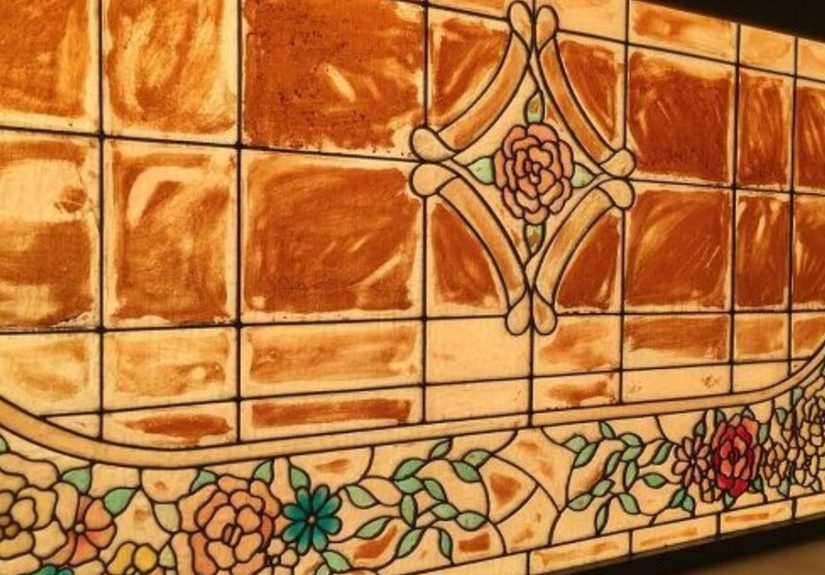
Stained glass in kitchens, entryways, older homes, or places where candles/incense are used can develop a greasy film that laughs at plain water.
Your strategy is still “gentle first, stronger only if needed.”
Smoke/Nicotine Film
Start with distilled water, then move to the mild soap solution. If the film persists, it may require specialized products or
solvents used by professionalsespecially on historic windows or painted areas. If the glass is historically significant or
the grime is heavy, consider calling a stained glass specialist instead of escalating DIY chemistry.
Hard Water Spots
Hard water spotting is common on ordinary windows, and many cleaning guides suggest vinegar for mineral buildup.
But with stained glassespecially leaded or soldered piecesacidic cleaners can be risky.
Instead, prevent spots by using distilled water and drying promptly. If mineral haze won’t budge, it’s a good moment
for professional advice so you don’t trade “spots” for “metal damage.”
Mildew or Grime Around Frames
If the mess is mostly on the frame or surrounding woodwork, clean the frame separately and keep liquids away from the stained glass seams.
Also check for condensation issuesespecially if there’s protective glazing. Moisture trapped in the system can accelerate corrosion and grime.
Painted Stained Glass: The “Handle With Care” Category
Painted details can be stable (fired) or delicate (surface-applied). Either way, test a tiny, inconspicuous spot first.
If paint smudges, flakes, or lifts, stop. At that point, cleaning becomes conservation worknot housekeeping.
Cleaning Stained Glass Lampshades (Tiffany-Style and Decorative Shades)
Lamps introduce two extra issues: electricity (obvious) and construction (some shades are solid glass; others are soldered mosaics).
Start by unplugging the lamp and letting bulbs cool completely. Then decide which category you have:
If It’s a Solid Glass Shade (No Solder Lines)
Many solid glass shades can be hand-washed carefully with warm water and mild soap, then rinsed and dried thoroughly.
Keep water away from sockets, harp assemblies, and any glued components.
If It’s a Tiffany-Style (Soldered) Stained Glass Shade
Treat it more like a stained glass window than a cereal bowl:
- Dust with a soft brush or microfiber cloth.
- Use a barely damp cloth with distilled water (or mild soap solution) on the glass pieces.
- Avoid soaking or submerging the shadewater can creep into seams and stress solder lines over time.
- Dry immediately and completely.
Also: resist the urge to “polish” the metal lines unless you know exactly what finish you have. Patina is part of the look,
and aggressive polishing can strip it.
How Often Should You Clean Stained Glass?
A simple schedule keeps stained glass bright without over-cleaning:
- Monthly: gentle dry dusting
- Twice a year: careful cleaning for fairly clean glass
- Yearly: a basic inspection (look for looseness, bowing, paint issues)
- Every few years: a professional assessmentespecially for historic or valuable installations
When to Call a Pro (The Smart, Not-Embarrassing Choice)
Call a stained glass professional if you notice:
- Bulging/sagging panels, buckled lead lines, or structural movement
- Flaking paint or significant discoloration
- Loose, missing, or crumbling putty/cement
- Heavy grime that needs “stronger stuff” to remove
- Protective glazing problems (condensation, debris trapped between layers)
Professionals have the tools and materials to clean safely and spot underlying issues earlyoften saving money over time.
Quick “Looks Good As New” Checklist
- Dust first, then use the mildest wet method needed.
- Use distilled water and a tiny amount of pH-neutral soap when necessary.
- Never spray directly; dampen the cloth instead.
- Avoid ammonia, vinegar/acid, abrasives, steam, and high pressure.
- Test painted areas carefullystop if anything lifts or smudges.
- Dry immediately to prevent spots and streaks.
Conclusion
Cleaning stained glass is less about brute force and more about gentle, methodical care. With soft cloths, distilled water,
and a mild soap solution, you can remove everyday dust and film while protecting the metalwork and any painted details.
When the grime gets intenseor the window starts showing signs of age like bowing, looseness, or flaking paintbringing
in a stained glass professional is the best way to keep your glass beautiful for the long haul.
Experiences People Commonly Have When Cleaning Stained Glass (Extra )
If you’ve never cleaned stained glass before, the first experience is usually the same: you expect a quick wipe-down, and then
you notice the details. The ripples in antique glass. The slightly raised lead lines. The textured “pebbled” sections that trap
dust like a lint roller. It’s one of those jobs where you start cleaning and suddenly understand why stained glass is considered
architectural artbecause it has layers, literally and figuratively.
Experience #1: The “Why Is It Still Hazy?” Entryway Window
A classic scenario: a stained glass sidelight by the front door that looks dull even after you “cleaned it.”
Most of the time, the culprit is either (1) you cleaned with tap water and left minerals behind, or (2) you smeared a thin film
around instead of lifting it off. The fix is almost always boring (which is good): switch to distilled water, use two cloths
(one to clean, one to rinse), and finish with a dry buff. People are often surprised how much difference that final dry cloth makes.
The window goes from “fine” to “wow, the colors are back.”
Experience #2: The “Oops, That’s Paint” Moment
Many homeowners don’t realize some stained glass has painted shading and details until they’re mid-wipe and notice a dark line
that looks like it could smudge. That’s when the smartest move is to stop and test a tiny, hidden spot with a barely damp swab.
If the paint is stable, you can continue gently. If it isn’t, the best outcome is walking away without damage and calling a pro.
The most common regret story is someone who cleaned enthusiastically, only to discover later that a delicate face or fine linework
lost crispness. Painted details are where stained glass stops being “decorative window” and becomes “museum rules apply.”
Experience #3: The Thrifted Stained Glass Lamp Shade Rescue
A stained glass lamp shade from a thrift store or family attic often comes with a special bonus layer: dust mixed with kitchen grease,
plus a little “who knows what.” People frequently assume they can wash it like a cereal bowl. The better experience is a slow clean:
dust first with a soft brush, then wipe the glass sections with a barely damp cloth and mild soap solution, then dry immediately.
The “aha” moment is seeing the colors brighten without messing with the solder lines. Another common lesson: metal polish is not your friend
unless you know the finish you’re trying to preserve. Many shades have patina that gives the lines an intentional antique lookpolish can remove it,
leaving the shade looking oddly shiny and new in a way nobody asked for.
Experience #4: The Window That Reveals a Bigger Problem
Sometimes cleaning is when people first notice a structural issue: a slight bulge, a lead seam that looks “tired,” or a section that moves when
pressed gently. The experience feels like discovering a tiny roof leakyou came for a simple chore and found a maintenance project.
But it’s actually valuable timing: spotting looseness early can prevent cracks and expensive restoration later. Even if you do nothing immediately,
taking photos and monitoring changes over time helps you make smarter decisions. Stained glass lasts a long time, but like anything historic and beautiful,
it appreciates a little attention before it starts asking for a lot.