Table of Contents >> Show >> Hide
- Quick Answer: Lobster Tail Cook Times at a Glance
- Before You Cook: Buy, Thaw, and Prep Like a Pro
- How Long to Boil Lobster Tails
- How to Grill Lobster Tails (Smoky, Juicy, and Impressively Low-Stress)
- How to Broil Lobster Tails (Restaurant-Style, Without the Reservation)
- Food Safety and Doneness: What “Cooked” Looks Like
- Serving Ideas (Because Lobster Loves a Supporting Cast)
- Conclusion: Your Lobster Tail Game Plan
- Extra: Real-World “Experience” Notes That Make Lobster Tails Easier (and Better)
Lobster tails have a reputation for being “special-occasion scary,” like they require a tuxedo, a culinary degree,
and a personal assistant named Claude. In reality, lobster tails are one of the most straightforward seafood splurges
you can cook at homeif you respect one rule: lobster goes from tender to rubbery fast.
This guide gives you simple, size-based timing for boiling lobster tails (the quickest method), plus foolproof
grilling and broiling techniques that deliver restaurant vibes without the restaurant bill. We’ll also cover prep,
doneness cues, and the small mistakes that make lobster sad.
Quick Answer: Lobster Tail Cook Times at a Glance
Exact timing depends on tail size, whether it’s fully thawed, and how intense your heat source runs. Use these as
reliable starting points, then confirm doneness with visual cues (and a thermometer if you have one).
Boil (fast + great for rolls, salads, pasta)
- Small tails (3–4 oz): about 2–4 minutes
- Medium tails (5–6 oz): about 4–6 minutes
- Large tails (7–8 oz): about 6–10 minutes
- Very large tails (9–10 oz): about 8–12 minutes
Rule of thumb: 45–60 seconds per ounce for many tails, but thicker/larger tails can run closer to
1 minute per ounce. When in doubt, pull earliercarryover heat keeps cooking the meat in the shell.
Grill (smoky, char-kissed, “look what I did” energy)
- Butterflied tail on medium heat: roughly 10–14 minutes total for larger tails
- Split halves on medium-high: roughly 6–10 minutes total depending on size
Broil (quick top-heat with a buttery finish)
- Split halves (5–6 oz tails): often 4–6 minutes
- Butterflied tails (larger, thicker): often 8–14 minutes
Broilers vary wildly. Yours may be a gentle sunbeam or a dragon with a day job. Start checking early.
Before You Cook: Buy, Thaw, and Prep Like a Pro
1) Choose the best tails (fresh or frozen)
Frozen lobster tails can be excellentespecially when they’re frozen quickly and kept cold. If you’re shopping frozen,
look for cold-water tails when possible; many cooks find they’re firmer and higher quality than warm-water options.
2) Thaw safely (don’t cook them rock-solid)
Cooking lobster tails from frozen can lead to uneven results (overcooked outside, undercooked center). For best texture:
- Best: Thaw in the refrigerator overnight (plan ahead).
- Faster: Seal in a bag and thaw in cold water, changing water as needed to keep it cold.
3) Prep the shell (two easy options)
Option A: “Cut to expose” (great for boiling)
- Use kitchen shears to cut down the top of the shell lengthwise.
- Gently spread the shell to expose the meat. Keep the tail end attached for easier serving.
Option B: Butterfly (best for grilling/broiling)
- Cut lengthwise through the top shell and into the meat, stopping before cutting through the bottom shell.
- Open the shell like a book so more meat is exposed to heat and butter.
Bonus tip: If you hate “lobster curl,” slide a skewer lengthwise through the tail before boiling. It’s not mandatory,
but it makes for a prettier, straighter presentation.
How Long to Boil Lobster Tails
Boiling is the quickest path to tender lobster meatespecially when you want it for lobster rolls, salads, tacos,
pasta, or anything involving “butter + lemon + happiness.”
Step-by-step: Foolproof boiling method
- Bring a large pot of salted water to a rolling boil. Think “tastes like the ocean,” not “tastes like regret.”
- Add tails carefully (tongs help). If you’re cooking multiple, don’t overcrowdcrowding cools the water and slows cooking.
- Reduce to a steady simmer/boil and start timing once the water returns to a lively simmer.
- Cook until the shell is bright red and the meat is opaque, white, and firm.
- Stop the cooking: Remove the tails and rest a minute. For maximum “no overcooking,” you can briefly chill them in ice water, especially if you’ll use the meat in a cold recipe.
- Serve with melted butter, lemon wedges, and the confidence of someone who just saved $45 per plate.
Boiling time chart (by tail size)
| Tail Size | Approx. Boil Time | What to Look For |
|---|---|---|
| 3–4 oz | 2–4 minutes | Meat turns opaque quickly; pull early to avoid rubberiness. |
| 5–6 oz | 4–6 minutes | Shell bright red; meat white and just firm. |
| 7–8 oz | 6–10 minutes | Center should be opaque; thickest part no longer translucent. |
| 9–10 oz | 8–12 minutes | Check earlier than you think; carryover cooking is real. |
Doneness check (the “don’t guess” checklist)
- Color: Meat should be opaque (no gray/translucent center).
- Texture: Firm and springy, not tough or chewy.
- Temperature (best if you have a thermometer): Many cooks aim for about 140–145°F in the thickest part. If serving higher-risk guests, follow food-safety guidance and cook thoroughly.
Common boiling mistakes (and how to fix them)
- Mistake: Water isn’t really boiling. Fix: Wait for a true rolling boil before adding tails, and don’t overload the pot.
- Mistake: Cooking still-frozen tails. Fix: Thaw first. Frozen centers can force longer cook times that ruin texture.
- Mistake: “I’ll just cook it a little longer to be safe.” Fix: Lobster punishes overcooking. Use doneness cues and pull earlier.
- Mistake: Tiny pot, crowded tails. Fix: Use a bigger pot so heat circulates and timing stays predictable.
How to Grill Lobster Tails (Smoky, Juicy, and Impressively Low-Stress)
Grilling lobster tails is basically the seafood version of showing up to the party in sunglasses. It’s bold, it’s fun,
and if you keep the heat controlled, it’s surprisingly forgiving.
Grill setup
- Preheat: Medium to medium-high heat.
- Clean + oil grates: Lobster sticking to the grill is the culinary equivalent of dropping your phone face-down.
- Consider two-zone heat: One hotter side for searing, one cooler side to finish gently.
Method 1: Butterfly the tail (great for larger tails)
- Butterfly the tail (cut through top shell and meat, not through bottom shell) and open it up.
- Brush meat with melted butter or oil; season with salt, pepper, and a little paprika or garlic if you like.
- Grill meat-side down first briefly to mark/sear, then flip and finish more gently.
- Baste with butter during the final minutes.
Method 2: Split into halves (fast + even cooking)
- Cut the tail lengthwise into two halves (shell and meat).
- Place on the grill shell-side down most of the time (the shell protects the meat).
- Finish with a quick kiss of direct heat on the meat side if you want grill marks.
Grilling time guide
- Split halves: about 6–10 minutes total, depending on size and heat.
- Butterflied, larger tails: about 10–14 minutes total, checking early and basting often.
You’ll know they’re ready when the meat is opaque and the juices go from clear to milky-white. If you’re using a thermometer,
aim around 140–145°F in the thickest part, then rest a minute.
Flavor combos that don’t fight the lobster
- Classic: butter + lemon + salt
- Garlic-herb: butter + minced garlic + parsley/chives
- Smoky-sweet: butter + paprika + pinch of brown sugar
- Spicy: butter + cayenne + lemon zest
How to Broil Lobster Tails (Restaurant-Style, Without the Reservation)
Broiling is like grilling’s indoorsy cousin: intense heat from above, fast cooking, and excellent browning potential.
The only catch is that broilers varyso your best tool is attention, not blind faith in a timer.
Broiling basics
- Position the rack so the lobster sits roughly 4–6 inches from the broiler element (adjust if your broiler is extra fierce).
- Prep the tails: Butterfly (for a classic look) or split into halves (for faster, more even cooking).
- Butter generously: Brush melted butter over the exposed meat. Season lightly (salt + paprika works well).
- Broil: Watch closely, especially after the first few minutes.
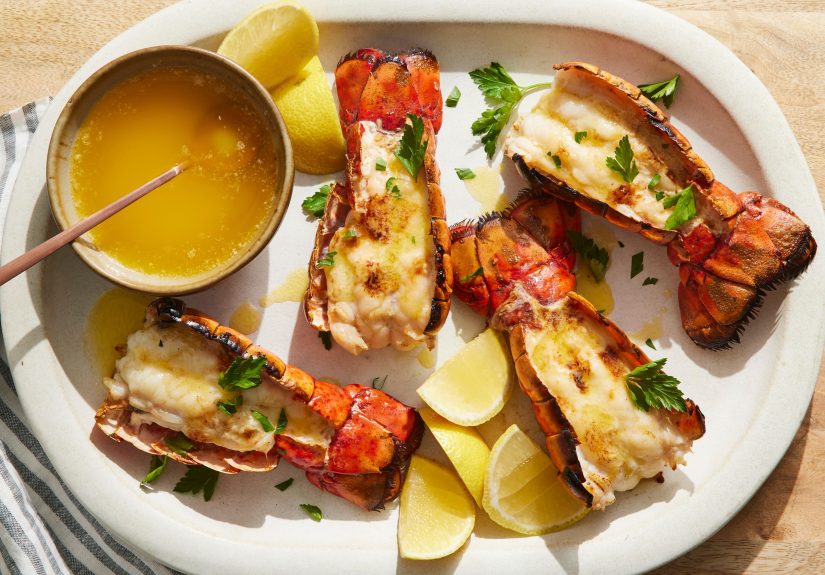
- Finish + serve: Add a final brush of butter, a squeeze of lemon, and maybe parsley if you want it to look like a magazine cover.
How long to broil lobster tails
- Split halves (common for 5–6 oz tails): often 4–6 minutes under a hot broiler.
- Butterflied tails (thicker/larger): often 8–14 minutes, depending on size and broiler intensity.
- General rule: Start checking early; the difference between “perfect” and “why is it chewy?” can be a couple of minutes.
Broiling mistakes to avoid
- Burnt butter solids: If your broiler runs hot, use clarified butter or brush butter in stages (some at the start, more near the end).
- Uneven browning: Rotate the pan halfway through.
- Dry meat: Pull as soon as opaque, then rest. Overcooking is the #1 cause of dryness.
Food Safety and Doneness: What “Cooked” Looks Like
Lobster is done when the meat turns firm, pearly, and opaque. If you’re using a thermometer,
check the thickest part. Many home cooks target the 140–145°F range, balancing tenderness with thorough cooking.
- Opaque center: No translucent gray.
- Shell color: Bright red/pink once cooked.
- Texture: Firm, not rubbery.
One more safety note: if seafood smells persistently sour, rancid, fishy, or strongly ammonia-like, don’t eat iteven after cooking.
Fresh seafood should smell clean and ocean-like, not like a chemistry experiment.
Serving Ideas (Because Lobster Loves a Supporting Cast)
- Classic: drawn butter + lemon + a pinch of flaky salt
- Lobster roll vibes: chopped lobster + mayo + celery + lemon in a toasted bun
- Pasta flex: lobster + garlic butter + herbs over linguine
- Comfort food: lobster mac and cheese (yes, it’s as good as it sounds)
- Salad upgrade: chilled lobster over greens with citrus vinaigrette
Leftovers (rare, but let’s pretend)
Store cooked lobster meat in the refrigerator promptly and reheat gentlysteaming briefly or warming in butter over low heat.
High heat reheating is how leftovers become rubber bands.
Conclusion: Your Lobster Tail Game Plan
If you want the easiest win, boil lobster tails: bring salted water to a boil, cook based on size, and pull the moment the meat turns opaque.
For show-stopping flavor, grill for smokiness or broil for quick browningjust keep a close eye and don’t let the clock bully you.
Remember: thaw first, don’t overcrowd your pot or grill, baste with butter like you mean it, and stop cooking earlier than your nervous brain suggests.
Your reward is tender lobster that tastes like a celebrationeven if the occasion is “It’s Tuesday and I deserve nice things.”
Extra: Real-World “Experience” Notes That Make Lobster Tails Easier (and Better)
Most people don’t mess up lobster tails because they’re bad cooksthey mess up lobster tails because lobster is sneaky.
The first time you boil tails, you expect them to behave like pasta: “If I leave it longer, it’ll just get more done.”
Lobster behaves more like a polite guest who leaves the party at exactly the right time… and turns into a pumpkin if you make it stay.
That’s why so many first attempts come out slightly chewy: the meat hit “perfect,” then sat in hot shell heat while you grabbed plates,
melted butter, found the lemon, and wondered where the tongs went.
The fix is simple and feels almost too easy: decide what “done” looks like before you start. Opaque center, firm texture, bright shell.
When you see it, pull it. If you’re serving immediately, a short rest is fine. If you’re using the meat for lobster rolls or salad,
a quick cool-down (even just a brief dip in ice water) keeps the texture tender and stops carryover cooking from stealing your victory.
Grilling adds another “aha” moment: lobster tails don’t need to be flipped and fussed with constantly. In fact, many home cooks get their best
results when they let the shell do the protective work. Keeping tails shell-side down for most of the cook prevents drying and gives you time
to baste with butter without panic. Then, if you want dramatic grill marks, you finish with a quick sear on the meat sideseconds, not minutes.
That tiny finishing step is the difference between “subtle smoky lobster” and “why is my lobster acting like jerky?”
Broiling teaches its own lesson: your broiler is not your friendit’s your roommate who “doesn’t believe in low volume.”
Some broilers scorch in minutes. Others take longer and brown more gently. The first time you broil lobster tails, you learn fast why recipes
give ranges instead of a single exact number. The trick that consistently helps is staging the butter: a little at the beginning to protect the
surface, and another brush near the end for shine and flavor. That way the top doesn’t dry out while you wait for the center to finish.
Rotating the pan halfway through also feels like a chef move, and it genuinely improves even browning.
Finally, there’s the “presentation confidence” milestone: butterflying looks intimidating, but kitchen shears make it almost unfairly easy.
Once you’ve done it once, you’ll wonder why it ever seemed complicated. And yes, the skewer trick for boiling is realtails curl because heat
tightens the muscle fibers; a skewer simply keeps them straight. It’s the kind of small detail that makes your plate look restaurant-level
without adding real work. The overall pattern is the same for boiling, grilling, and broiling: thaw fully, cook quickly, watch closely,
and pull early. Lobster tails reward calm attention, not heroic overcooking.