Table of Contents >> Show >> Hide
- Why Retro-Tech Cameras Are Suddenly Everywhere
- Old-School Bodies, New-School Brains
- Film Feelings Without the Film Lab
- Real Film Is Back, but It Has Been Updated for the Scroll Era
- Hybrid Cameras Are Turning Memories Into Objects Again
- What Camera Brands Really Understand Right Now
- What This Means for Buyers
- Experiences That Show Why This Trend Works
- Final Thoughts
- SEO Tags
Once upon a time, the camera industry spent years trying to convince everyone that newer meant sleeker, more automated, and more screen-covered. Then something funny happened: photographers, casual creators, and a whole lot of younger buyers started looking backward. Suddenly, knurled dials were cool again. Compact point-and-shoots were hot again. Film was no longer “that thing your parents used before the internet,” but a full-on aesthetic and creative choice.
Camera makers noticed. Fast.
Today’s most interesting cameras are not choosing between analog charm and digital convenience. They are shamelessly flirting with both. A modern camera can look like it walked out of 1979, shoot like it came from 2026, and sync to your phone before you can say “Where did I put that SD card?” The result is a new wave of gear that mixes tactile controls, film-inspired color, and old-school shooting rituals with AI autofocus, in-body stabilization, connected apps, and cloud-friendly workflows.
In other words, the industry is not just selling cameras anymore. It is selling experience. And in a phone-saturated world, that may be the smartest move camera brands have made in years.
Why Retro-Tech Cameras Are Suddenly Everywhere
The comeback is not just a vibe. It is also a market signal. Dedicated cameras remain a niche next to smartphones, but they are showing real life again, especially in categories that blend portability, personality, and specialization. Brands have figured out that many buyers do not want a camera that feels like a tiny laptop. They want one that feels like a camera.
That matters because smartphones already dominate convenience. Camera makers cannot really win by being “phone, but bulkier.” So they are leaning into what phones cannot fake as well: the click of a shutter dial, a viewfinder pressed to your face, deliberate framing, physical controls, and the little thrill of making an image with a device built for just one thing.
There is also a growing fatigue with hyper-processed perfection. Many people now want images with more personality: grain, contrast, quirky color, imperfect edges, or simply a look that does not scream “algorithm optimized this at 3:17 p.m.” Camera companies are responding by designing cameras that feel more emotional, more intentional, and frankly, more fun.
That is why so many new models now borrow from film cameras, early digital compacts, and vintage instant cameras while packing in the smart features that modern buyers still expect. It is nostalgia, yes, but nostalgia with autofocus that can track a bird, a bicycle, and probably your dog on espresso.
Old-School Bodies, New-School Brains
One of the clearest examples of this mash-up is the rise of retro-styled mirrorless cameras. These models are not pretending to be old cameras. They are using old design language to make modern tools feel more tactile and memorable.
Nikon: Vintage Looks, Very Modern Focus
The Nikon Zf is a perfect case study. On the outside, it nods heavily to Nikon’s classic film-era design, especially the FM2 lineage. You get dedicated dials that make the top plate look like it belongs in a leather camera bag next to a notebook and a questionable amount of black coffee. On the inside, though, it is thoroughly current. Nikon paired the retro shell with deep-learning-based subject recognition, 3D tracking, advanced stabilization, strong low-light performance, and serious video chops.
That combination is the point. The Zf tells buyers they do not have to choose between romance and performance. They can have a camera that feels familiar and mechanical while still benefiting from the kind of autofocus that was science fiction a couple of camera generations ago.
Fujifilm: The Master of Retro Without the Costume Drama
Fujifilm has arguably become the poster child for this whole movement. The X100VI, for example, keeps the company’s beloved rangefinder-inspired form factor and tactile controls, but upgrades the internals with a 40.2-megapixel sensor, in-body image stabilization, AI-assisted subject detection, stronger video features, and cloud-friendly workflow options. It is a very modern camera dressed like it still sends postcards.
Fujifilm has taken the same approach across its lineup. The X-T50 adds a dedicated Film Simulation dial right on the body, turning color science into a hands-on creative tool instead of a buried menu item. It also brings AI-based subject detection, stabilization, and high-resolution imaging into a body that still feels approachable and photographer-friendly.
This is where camera design has gotten clever. Physical controls are not just decorative anymore. They are being used to make digital features feel intuitive. A simulation dial, an aperture ring, or a shutter-speed wheel gives the user a sense of direct control that touchscreens often do not.
Film Feelings Without the Film Lab
Another major trend is the digital recreation of analog character. This is not only about body design. It is also about image rendering, shooting rhythm, and visual mood.
Film Simulations Are No Longer a Side Feature
Fujifilm has built an entire creative identity around film simulations, and that strategy keeps paying off. The appeal is obvious: people want the emotional shorthand of classic film looks without the cost, delay, or uncertainty of shooting actual rolls. Instead of spending hours editing to mimic color negative stock or old slide film, users can build that look right into the act of shooting.
What is smart here is that these simulations do more than change colors. They change behavior. When users commit to a look in-camera, they often shoot more intentionally. The camera becomes less of a neutral capture device and more of a creative partner. It is still digital, but it nudges people toward a film-like mindset.
Ricoh: Softening Digital Precision on Purpose
Ricoh has taken a slightly different route with its GR HDF models. The company added a built-in Highlight Diffusion Filter designed to soften highlights and create a mellower, more nostalgic rendering. That means a sharp, pocketable digital camera can suddenly make images feel more dreamlike and less clinically perfect.
This is a fascinating shift in camera design philosophy. For years, brands chased maximum sharpness, maximum correction, maximum precision. Now some of them are saying, “What if your camera could also make the world look a little softer and stranger, on purpose?” That is not regression. That is choice.
Fujifilm X half: Digital Cosplaying as Film, in a Good Way
Then there is the Fujifilm X half, one of the boldest examples of old-and-new blending in recent memory. It borrows from half-frame film camera culture, favors vertical composition, uses a frame-advance lever, offers film-style creative filters like Light Leak and Expired Film, and even includes a Film Camera Mode that limits how you shoot before images are “developed” in the companion app.
On paper, some of this sounds gloriously ridiculous. In practice, it reveals what camera makers are learning: people do not always want fewer limitations. Sometimes they want more meaningful ones. Constraints can make photography feel playful again. The X half leans into that idea like a theater kid who just discovered vintage jackets.
Real Film Is Back, but It Has Been Updated for the Scroll Era
Not all brands are recreating film digitally. Some are reviving actual analog photography, but with a much better understanding of how modern people shoot, share, and think.
Pentax 17: A Film Camera Built for Modern Habits
The Pentax 17 is one of the most interesting products in this space because it is not merely retro-inspired. It is a real film camera. Yet its design shows an awareness of contemporary behavior. Its half-frame format effectively doubles the number of images you get from a roll, which helps offset the cost of film. It also naturally creates vertical images that fit the visual language people already know from smartphones and social platforms.
That is brilliant. Pentax did not revive film by pretending it was still 1994. It revived film by asking what parts of the analog experience people miss and what parts need a little 2020s common sense. So you still get manual winding, zone focus, and a more deliberate process, but the output format and usability are tuned for today.
Polaroid: Analog Soul, App-Assisted Sanity
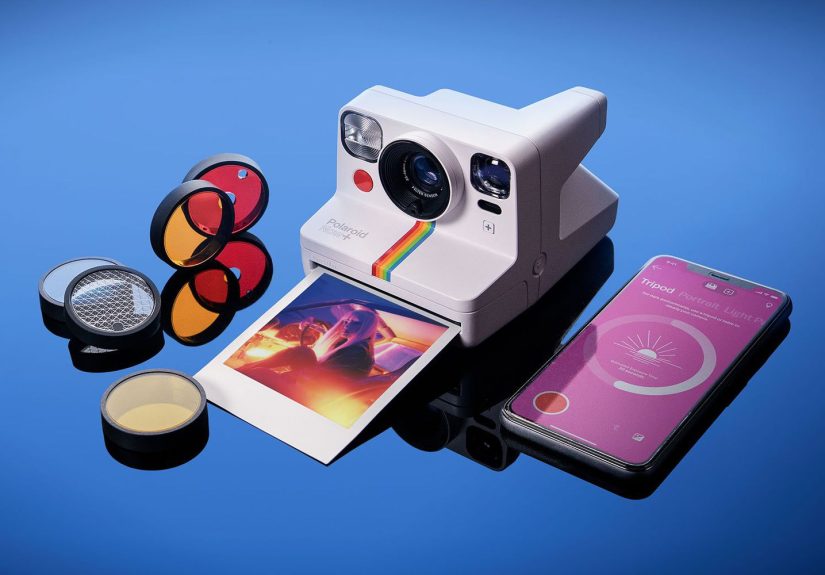
Polaroid is doing something similar in instant photography. The company’s newer cameras keep the recognizable analog identity that people love, but add modern help where it counts. The Now+ Generation 3 pairs classic instant-camera styling with app-connected controls like remote shooting, aperture priority, and manual options. The newer Polaroid Flip goes even further by using scene analysis, sonar autofocus, and app connectivity to help users avoid blown exposures and missed focus before they waste a pricey sheet of film.
That is the sweet spot for many buyers. They want the thrill of instant film, not the heartbreak of instantly ruining it.
Hybrid Cameras Are Turning Memories Into Objects Again
If modern tech is all about speed and sharing, and old tech is about ritual and physicality, hybrid instant cameras sit right in the middle.
Instax: Print It, Save It, Share It
Fujifilm’s Instax lineup has become a playground for this strategy. The Mini Evo and newer Mini Evo Cinema blend retro camera styling with digital capture, printer functionality, mobile app integration, and creative control. The Mini Evo Cinema even adds short-form video into the mix, combining a vintage cine-camera vibe with smartphone-connected editing and printing.
That combination matters because it solves a modern problem: most people make far more photos than they ever revisit. Hybrid instant cameras create a bridge between digital abundance and physical keepsakes. You can shoot more flexibly, choose what is worth printing, and still walk away with something you can stick on a fridge, tuck into a notebook, or hand to a friend at dinner.
It is hard to overstate how appealing that is in a world where most memories live inside camera rolls so bloated they should qualify for their own zip code.
What Camera Brands Really Understand Right Now
The smartest camera makers have realized that they are no longer just competing on image quality. Smartphones made “good enough” photography wildly accessible. That changed the game. To stand out, dedicated cameras now have to offer something phones cannot easily replicate.
That “something” often includes:
- Tactility: real dials, levers, switches, and viewfinders that turn shooting into a physical act.
- Creative identity: film simulations, diffusion filters, instant printing, and distinctive rendering styles.
- Intentionality: tools that slow users down just enough to make images feel made, not merely captured.
- Convenience where it counts: better autofocus, stabilization, phone apps, wireless transfer, and connected workflows.
That is the formula: make the camera feel more human, while making the technology do more invisible heavy lifting.
In other words, camera makers are learning to hide the complexity behind charm. That is not gimmickry. That is product design with emotional intelligence.
What This Means for Buyers
If you are shopping for a camera today, the old rules do not quite apply. The “best” model is no longer automatically the one with the most features, the most megapixels, or the most terrifying spec sheet. It may be the one whose shooting experience keeps pulling you back.
A retro-modern mirrorless camera might be ideal if you want flexibility and performance with a more tactile feel. A film-inspired digital compact may be better if you care more about mood than endless editing latitude. A hybrid instant camera may suit you if you want physical prints without giving up smartphone-era convenience. And an actual film camera like the Pentax 17 may be perfect if you want photography to feel slower, stranger, and a little more alive.
The exciting part is that brands are now building for those emotional use cases, not just technical ones. They are designing cameras around how people want photography to feel, not only how files should look at 300 percent zoom.
Experiences That Show Why This Trend Works
Spend a little time with today’s retro-modern cameras and one thing becomes clear: the appeal is not just what these cameras produce. It is how they change your behavior while you are using them.
Take a camera with dedicated top dials and a proper viewfinder out for a walk, and you notice the difference almost immediately. You are not pinching and swiping at a glossy slab that also wants to tell you about emails, weather, and three unrelated group chats. You are looking. Framing. Waiting. Deciding. The process feels smaller and more focused, and that can make even ordinary scenes seem worth a second glance. A diner window, a bike parked in the wrong place, a patch of late-afternoon light on a brick wall suddenly feels like a legitimate event.
That is one reason old-school controls continue to resonate. They make photography feel like an activity, not just a reflex. Turning a dial for shutter speed or clicking over to a film simulation is a tiny physical act, but it creates a stronger sense of authorship. You are not merely capturing what is in front of you. You are choosing how it should feel.
Then there is the emotional side of imperfection. Cameras with film-inspired rendering, diffusion filters, or instant-print options often make images that are less technically “perfect” than what a flagship smartphone can do. But that is exactly the charm. Highlights bloom a little. Grain adds texture. Colors lean warmer, moodier, or weirder. The photo looks less optimized and more remembered. It feels closer to memory than measurement.
Hybrid instant cameras create a different kind of pleasure. There is something unexpectedly satisfying about deciding which image deserves to become an object. Not every frame gets printed. That little bit of selectiveness makes the final print feel earned. And the moment you hand someone a physical photo, the whole pace of digital life changes. Airdrops are convenient; prints are memorable.
Film-forward experiences go even further. Winding a lever, counting exposures, or waiting to see results later introduces a delay that modern tech usually tries to erase. Yet that delay can be refreshing. It builds anticipation. It separates the act of seeing from the act of reviewing. Instead of checking every frame instantly, you stay present longer. Ironically, using older-style tools can feel more modern in the best sense: more mindful, less noisy.
That is why this old-meets-new movement has real staying power. It is not just about aesthetics. It is about restoring texture to an activity that had started to feel frictionless in all the wrong ways. Camera makers are not reviving the past because they ran out of ideas. They are borrowing from the past because it still contains good ones.
And honestly, if the future of cameras includes more beautiful dials, fewer soulless menus, and at least one wildly unnecessary frame-advance lever, that sounds like a future worth photographing.