Table of Contents >> Show >> Hide
- Quick Overview of Homeward Bound II
- How Do Critics and Audiences Rank Homeward Bound II?
- Ranking Homeward Bound II Within the Franchise
- What the Movie Does Really Well
- Where Homeward Bound II Stumbles
- Our Rankings and Opinions: Where Does It Truly Stand?
- Is Homeward Bound II Still Worth Watching Today?
- Extra: Experiences and Memories Around Homeward Bound II
If you grew up in the 1990s, there’s a good chance you still get a little misty-eyed whenever you hear a wise old golden retriever say something encouraging.
Homeward Bound II: Lost in San Francisco might not be the first movie critics bring up in serious film debates, but for plenty of families it’s comfort food cinema: familiar, fluffy, and surprisingly emotional.
In this in-depth look at Homeward Bound II: Lost in San Francisco rankings and opinions, we’ll dig into how the sequel stacks up with critics, where it falls in dog-movie lists, how fans remember it today, and whether it still deserves a spot in your family movie night rotation.
Quick Overview of Homeward Bound II
A Return to an Unexpectedly Epic Pet Adventure
Released in 1996 by Walt Disney Pictures and directed by David R. Ellis,
Homeward Bound II: Lost in San Francisco brings back the beloved trio from the first film:
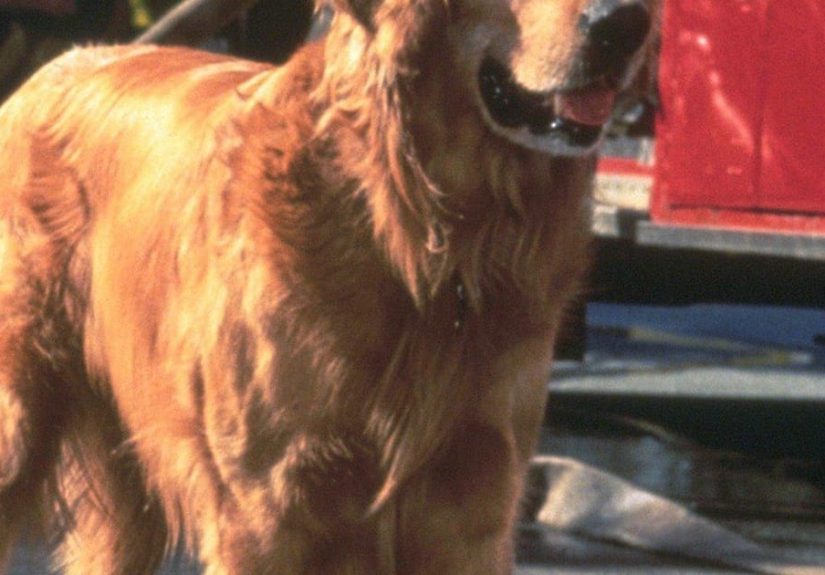
the impulsive American bulldog Chance (voiced by Michael J. Fox), the elegant-yet-savage Himalayan cat Sassy (Sally Field), and the loyal golden retriever Shadow (this time voiced by Ralph Waite).
Instead of being lost in the wilderness like in Homeward Bound: The Incredible Journey, the animals escape from the airport and wind up in the middle of the city.
Their new mission: cross San Francisco, dodge dogcatchers, outwit street-smart strays, and get home to the Seaver family on the other side of the Golden Gate Bridge.
From Forest Trails to City Streets
One of the biggest creative swings the sequel takes is changing the setting. The first film leaned heavily on nature, sweeping landscapes, and survival themes.
In contrast, Lost in San Francisco dives into:
- Busy city streets and iconic San Francisco locations
- Dogcatcher trucks and animal control threats
- Stray-dog packs with their own rules and loyalties
- A bit of “pet romance” thanks to the streetwise mutt Delilah
This urban twist gives the sequel more energy and comedy, even if it sacrifices some of the quiet, emotional moments that made the original so memorable.
Key Cast and Characters
Alongside the core trio, the movie introduces Riley, the leader of a group of city strays, voiced by comedian Sinbad, adding a different kind of charisma to the mix.
The human cast includes Robert Hays and Kim Greist as the parents, but as with the first film, humans mostly step aside so the pets can take center stage.
How Do Critics and Audiences Rank Homeward Bound II?
Critic Scores vs. Audience Love
When we look at Homeward Bound II rankings, it lands in “pleasant but not legendary” territory.
On Rotten Tomatoes, the sequel sits in the mid-50s on the Tomatometer, with critics giving it a mixed-but-not-hostile reception.
Many reviews describe it as “charming,” “hokey but fun,” and “a solid family film if you’re already on board with talking animals.”
Audience scores tend to hover in the same “pretty good” range, and on major movie databases the film generally earns around a middle-of-the-road rating.
It’s the kind of movie people rarely call “terrible,” but also don’t frequently label as a masterpiece. Think of it as the cinematic equivalent of a dependable weeknight dinner: not fancy, but it gets the job done and makes the kids happy.
Interestingly, CinemaScore polling from its original theatrical run reported a strong “B+” from opening-weekend audiences, suggesting that families who saw it in theaters felt they got exactly what they came for: more time with Chance, Sassy, and Shadow.
Box Office Performance: Respectable, Not Record-Breaking
Financially, Homeward Bound II performed solidly. It opened in the #2 spot at the U.S. box office and pulled in over $32 million domestically during its theatrical run.
For a mid-90s G-rated animal movie without huge visual effects or A-list human stars, that’s a perfectly respectable showing.
The bigger story, though, is its life beyond theaters. Like many family movies of its era, the sequel really found its audience on VHS and later DVD, and eventually on streaming platforms.
Today, a lot of the affection for Lost in San Francisco comes from people who watched it on cable or home video dozens of times while growing up.
Where It Ranks Among Dog and Pet Movies
When critics and fans compile lists of the best dog movies or animal adventure films,
Homeward Bound II: Lost in San Francisco often shows upbut usually behind its predecessor.
On curated lists of top dog films, the sequel tends to sit in the middle tier: recognized, appreciated, but rarely breaking into the top 10.
It’s the kind of movie that shows up around the mid-range rankings, especially on lists that include:
- Homeward Bound: The Incredible Journey
- Babe
- Free Willy
- 101 Dalmatians (live action and animated)
- Other 90s animal-centric family classics
In short: when people rank Homeward Bound II, it usually lands as “favorite sequel,” “solid nostalgic pick,” or “great for a cozy family movie night,” even if it doesn’t always top the charts.
Ranking Homeward Bound II Within the Franchise
The Original vs. the Sequel
When fans rank the Homeward Bound films, the original often gets the edge for its emotional punch and more grounded tone.
The first movie leans heavily into themes of loyalty, loss, and the fear of being abandoned. It feels almost like a family drama told through animals.
Homeward Bound II, on the other hand, goes for:
- Faster pacing and more gags
- Higher stakes with the dogcatcher subplot
- More characters and bigger set pieces in the city
- A bit more cartoon energy, especially in Chance’s antics
Many adults rank the first film higher because it hits deeper emotional notes. But younger viewers (and some nostalgia-driven adults) often rank the sequel higher for one simple reason: it’s fun.
The jokes land quickly, the city setting is lively, and Chance’s chaotic energy is dialed up to eleven.
Character Rankings: Who Steals the Show?
In terms of character popularity, fan rankings usually look something like this:
- Chance – Still the comedic MVP. His POV narration and impulsive behavior drive most of the plot and laughs.
- Sassy – The queen of sarcasm and one-liners. She remains the unofficial spokesperson for cat people everywhere.
- Shadow – Less central than in the first film, but still the calm, grounding heart of the trio.
- Riley & the Strays – A cool new addition that expands the world and brings in themes of found family.
- Delilah – Adds the romantic subplot and gives Chance a reason to grow and think beyond himself.
If you ask long-time fans to rank Homeward Bound II’s best element, they’ll often point to the interplay between Chance and the street dogs, along with the way Delilah challenges his carefree, commitment-phobic mindset.
What the Movie Does Really Well
1. It Nails the “Comfort Movie” Vibe
No one goes into Homeward Bound II expecting edgy cinema. The movie leans hard into warmth, loyalty, and light adventure.
For families, that’s a major plus. You don’t have to worry about inappropriate content, and the themes of sticking together and protecting your loved ones are front and center.
2. The Animal Performances and Voice Work Still Hold Up
The animal acting and practical effects are a big part of the film’s charm.
The pets don’t move their mouths when they “talk”a stylistic choice that can actually age better than some early CGI.
The voice performances, especially from Michael J. Fox and Sally Field, bring a lot of personality to the roles.
3. The San Francisco Setting Adds Personality
Using San Francisco as the backdrop gives the movie a visual identity that’s different from other animal films of the era.
From city alleys to the Golden Gate Bridge, the locations feel distinct, and they help the sequel avoid feeling like a simple retread of the first film.
Where Homeward Bound II Stumbles
It’s More “Episode” Than Epic
While the original film feels like a complete journey with strong emotional build-up, the sequel sometimes plays like a series of loosely connected situations:
escape the airport, dodge the pound, meet the strays, rescue friends, run from danger, cross the bridge.
It’s enjoyable, but it doesn’t always have the same emotional crescendo.
The Villains Are Serviceable, Not Iconic
The dogcatcher and van are intimidating enough for kids, but they’re not particularly layered or memorable villains.
They function more as moving obstacles than true characters, which keeps the stakes modest.
It Relies Heavily on Familiar Beats
If you’ve seen the first film, you’ll recognize the formula: the pets get separated from their humans, overcome a string of dangers, and eventually make their way home.
That’s not a flaw for younger audiences, but older viewers might feel a bit of déjà vu.
Our Rankings and Opinions: Where Does It Truly Stand?
Overall Ranking as a 90s Family Film
Taking into account critic scores, audience reactions, and long-term nostalgia,
Homeward Bound II: Lost in San Francisco lands around the “strong middle” of 90s family movies:
- Emotional depth: Good, but not as powerful as the first film.
- Rewatch value: High for families and millennials who grew up with it.
- Humor: Light, warm, and kid-friendly; Chance and Sassy carry the comedy.
- Originality: Mixedfun setting, familiar story beats.
Is it a must-watch classic? Maybe not for everyone. But is it a cozy, feel-good movie that earns a spot in many people’s personal top lists of animal movies? Absolutely.
Who Will Enjoy Homeward Bound II the Most?
The movie tends to rank highest with:
- People who loved the first Homeward Bound as kids
- Families wanting a safe, G-rated movie with gentle suspense
- Dog and cat lovers who can’t resist expressive animal heroes
- Viewers who enjoy 90s Disney live-action nostalgia
If you’re rating it purely as a piece of cinema, you might land in the 5–6 out of 10 range.
If you’re rating it as a nostalgia trip with your kids on a rainy afternoon, it shoots up several notches.
Is Homeward Bound II Still Worth Watching Today?
In the era of CGI-heavy animal movies and streaming-era animation, Homeward Bound II feels pleasantly old-school.
No talking-mouth animations, no hyper-fast editing, no pop-song-filled montage every five minutes. Just animals, real stunts, gentle humor, and a simple but effective emotional arc.
Parents may find themselves unexpectedly moved by Shadow’s quiet wisdom or Chance’s growth from selfish troublemaker to devoted family member.
Kids, meanwhile, get invested in the chases, close calls, and friendships along the way.
So if you’re deciding whether to add it to your watchlist, here’s the bottom line:
Homeward Bound II: Lost in San Francisco may not top every ranking, but it absolutely earns its reputation as a lovable 90s family sequel that still has heart.
Extra: Experiences and Memories Around Homeward Bound II
Why This Sequel Hits So Many People Right in the Feelings
Talk to anyone who grew up in the 90s and you’ll notice something funny:
even if they barely remember the plot, they remember how Homeward Bound II made them feel.
For a lot of us, it was less about the specifics of San Francisco geography and more about the emotional map of the storywhat it meant to see pets fight their way home because their humans mattered that much.
Many viewers first discovered the movie not in theaters, but on a well-worn VHS tape that lived in the family cabinet.
It was the kind of film that got popped in:
- On sick days home from school
- During sleepovers when nobody could agree on anything too scary
- On weekend mornings when parents wanted a peaceful hour of coffee
For some kids, the movie even shaped how they viewed their own pets. Shadow’s loyalty, Sassy’s sass, and Chance’s chaotic love helped a generation imagine their dogs and cats as full characters with secret inner monologues.
You weren’t just walking the dogyou were going on an epic quest with your brave, slightly dramatic best friend.
Rewatching as an Adult: What Changes?
Rewatching Homeward Bound II: Lost in San Francisco as an adult is its own kind of experience.
You start spotting things you never noticed as a kid: the way the camera carefully frames the Golden Gate Bridge, the small gestures between family members, the subtle realism of how the animals move and react.
You might also recognize how the movie quietly tackles themes that still feel relevant:
- The tension between “home” and “freedom” as Chance decides what kind of life he wants
- The idea of found family among the city strays
- The responsibility humans have to care for animals, not just own them
Watching as a parent or older viewer, you may find yourself tearing up in different places than you did as a child.
The moment when the humans fear they’ve permanently lost their pets hits harder when you’ve had to say goodbye to an animal in real life.
The reunion scenes feel less like a fantasy and more like a reminder of why we form such deep attachments to creatures who can’t speak our language but somehow understand us anyway.
San Francisco As a Character in Your Memory
Even if you’ve never visited California, the movie plants images of San Francisco in your mind: bridges, fog, busy streets, and colorful neighborhoods.
For some fans, visiting the city as an adult becomes a quiet little pilgrimage. You might find yourself looking at the Golden Gate Bridge and thinking,
“Somewhere in my heart, three very determined pets have already crossed this.”
That’s part of why Homeward Bound II sticks around in rankings and conversations.
It’s not just about talking animalsit’s about a specific time, a specific style of family movie, and a city that feels almost mythic when you see it through the eyes of a bulldog, a cat, and a golden retriever.
Why It Still Deserves a Spot on Your Watchlist
Ultimately, the lasting appeal of Homeward Bound II: Lost in San Francisco comes down to emotional reliability.
You know what you’re going to get: loyalty, friendship, a few mild scares, and a happy ending that feels earned.
It’s the kind of movie you can comfortably introduce to a new generation, confident that it still delivers what matters most: heart.
And that might be the most important ranking of allnot where it lands on a critic’s list, but where it lands in the memory of the people who grew up with it and are now passing it on.