Table of Contents >> Show >> Hide
- Quick Table of Contents
- 1) Choose the Right Mural Type (Because “Wallpaper” Is Not One Thing)
- 2) Plan the Layout (Especially for Twins)
- 3) Tools & Supplies Checklist (Don’t Start Without These)
- 4) Prep the Wall Like a Pro (This Is Where Good Murals Are Made)
- 5) Make a Plumb Starting Line (Because Your Corner Is Lying to You)
- 6) Hang the Mural Step-by-Step (Paste-the-Wall Method)
- 7) Corners, Outlets, Windows, and Other “Plot Twists”
- 8) Twin Nursery Design Moves That Actually Work
- 9) Troubleshooting: Bubbles, Seams, and “Why Is That Panel Crooked?”
- 10) Aftercare, Air Quality, and Cure Time (Because It’s a Nursery)
- 11) FAQs
- 12) Real-World Experiences: What People Wish They Knew Before Hanging a Twin Nursery Wallpaper Mural
Hanging a wallpaper mural in a twin nursery is a special kind of DIY: it’s part home-improvement project, part
interior-design moment, and part endurance sport (because sleep is now a rumor). The good news? A mural is one of
the fastest ways to make the room feel intentionallike you totally meant to have two cribs, two diaper stations,
and approximately 4,000 tiny socks that disappear on contact.
This guide walks you through the full processplanning, prep, hanging, trimming, and troubleshootingwith
twin-specific tips so the wall looks “storybook charming,” not “two exhausted adults wrestled a sticker at 11 PM.”
1) Choose the Right Mural Type (Because “Wallpaper” Is Not One Thing)
Before you do anything dramaticlike unrolling a 12-foot mural in a room full of baby gearfigure out what kind
of wallcovering you have. Installation changes based on the backing:
Peel-and-stick (removable wallpaper)
- Pros: No paste, less mess, easier to reposition early on, great for renters.
- Cons: Can struggle on textured walls, needs a very clean surface, seams can lift if not pressed well.
- Best for: Smooth walls, accent walls, and parents who want a “weekend win.”
Paste-the-wall (often non-woven murals)
- Pros: Typically more forgiving than peel-and-stick, slides into place, good adhesion, often easier for big murals.
- Cons: You’ll use paste and need cleanup discipline (yes, even when you’re tired).
- Best for: Large statement murals and first-timers who want control.
Pre-pasted or paste-the-paper
- Pros: Traditional option; can be durable.
- Cons: Requires “booking” time and more technique; beginners sometimes fight expansion and seams.
- Best for: Confident DIYersor people who enjoy living on the edge.
If your mural came numbered (Panel 1, 2, 3…), treat those numbers like sacred text. The manufacturer is trying
to save you from “Why does the giraffe have two necks at the seam?” energy.
2) Plan the Layout (Especially for Twins)
A mural looks expensive when it’s planned. It looks like a big sticker when it’s “eyeballed.”
With twins, planning matters even more because symmetry (or intentional asymmetry) is what keeps the room from
feeling visually chaotic.
Pick the feature wall
- Most twin nurseries choose the wall behind the cribs or the wall you see first when you walk in.
- If the room is narrow, the “first impression” wall can make the space feel larger and more designed.
Find your mural’s “hero point”
Murals often have a focal feature: a moon, a mountain peak, a giant whale, a fairy-tale castle, etc. Decide where
that hero element should landtypically centered between two cribs, or centered above a dresser/changing station.
Example layout for a typical twin setup
Let’s say your wall is 120 inches wide (10 feet), and your mural is 4 panels that total 120 inches. You have two
cribs spaced evenly with a small table between them.
- Mark the center of the wall at 60 inches.
- Dry-fit panels on the floor to find the visual center of the mural artwork.
- Align the mural’s visual center to the wall center so both cribs “share” the scene evenly.
If the mural is wider than the wall (common!), decide what you’re willing to crop. In a nursery, it’s usually
easiest to crop sky, clouds, or background texture instead of faces, animals, or text.
3) Tools & Supplies Checklist (Don’t Start Without These)
You can absolutely hang a mural without every fancy tool on the internet. But you’ll regret skipping the basics.
Here’s the “worth it” list:
Must-haves
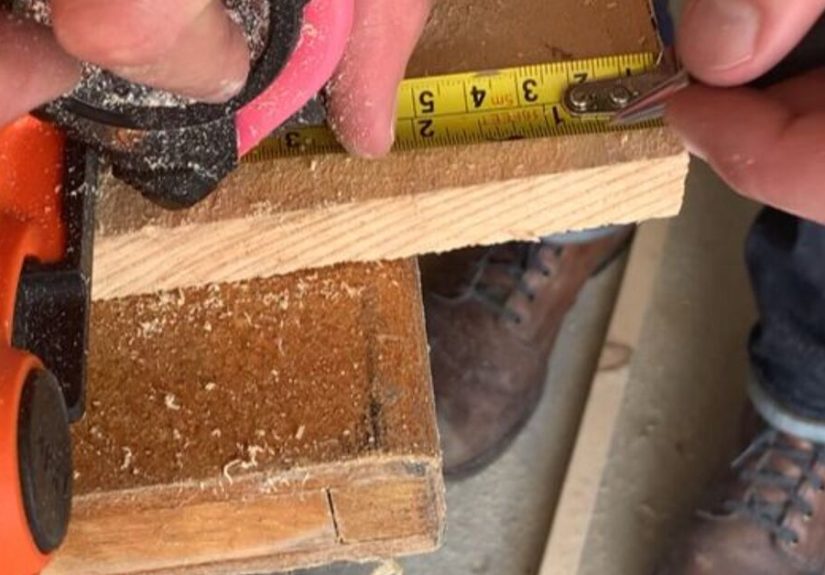
- Measuring tape
- Level or laser level (a laser is pure joy for long plumb lines)
- Pencil (light marks)
- Step ladder
- Sharp utility knife with snap-off blades (change blades often)
- Metal straightedge or drywall knife (for clean trimming)
- Smoothing tool (plastic smoother) and/or wallpaper brush
- Clean microfiber cloths and a sponge + clean water
For paste-the-wall murals
- Wallpaper paste (as recommended by the mural maker)
- Paint roller + tray (for paste) and a brush for edges
- Drop cloth (paste has a mind of its own)
Nice-to-haves
- Seam roller (use gentlyno seam squishing Olympics)
- Painters tape (temporary positioning marks)
- Bucket for rinse water (change it when it turns “sad beige”)
Twin-nursery reality check: a second adult is not “nice to have.” It’s the difference between “beautiful mural”
and “why is Panel 3 upside down?” Recruit help.
4) Prep the Wall Like a Pro (This Is Where Good Murals Are Made)
Prep is unglamorous. Prep is also why some murals look like they belong in a magazine while others look like they
belong in a group chat titled “DIY Regrets.”
Clear and clean
- Remove pictures, shelves, and anything mounted.
- Turn off power and remove outlet/switch faceplates on that wall.
- Wash the wall with a gentle cleaner to remove oils, dust, and mystery smudges.
- Let it fully dry.
Repair and smooth
- Fill nail holes and dings.
- Sand patches smooth so seams don’t “telegraph” through the mural.
- Dust again (yes, again).
Prime (especially for brand-new drywall or uneven paint)
Wallpaper primer (or a wallcovering “sizing” product) helps create a uniform surface and can make future removal
less of a wall-destroying saga. If the wall is flat/matte paint, primer can also help with consistent adhesion.
Important safety note for older homes
If your home was built before 1978 and you’re sanding or disturbing old paint, be cautiouslead-based paint can
create hazardous dust. In that case, use lead-safe practices and consider certified help for any renovation work
that disturbs old paint layers.
5) Make a Plumb Starting Line (Because Your Corner Is Lying to You)
Most walls and corners are not perfectly straight. If you start by “following the corner,” your mural will
slowly drift until the final panel looks like it’s trying to escape.
How to do it
- Decide where Panel 1 starts (often near a corner, but not always).
- Measure the mural width and mark a starting point.
- Use a level or plumb line to draw a vertical line from ceiling to baseboard.
- Align the edge of your first panel to that line, not the corner.
Pro tip: If you’re starting near a corner, many installers set the plumb line slightly in from the corner rather
than right on it, so you can trim and keep the first panel perfectly vertical.
6) Hang the Mural Step-by-Step (Paste-the-Wall Method)
Paste-the-wall is common for murals and very beginner-friendly. You paste the wall, not the paper, which keeps
panels more stable and easier to maneuver.
Step 1: Dry-fit and label
- Lay panels on the floor in order to confirm the scene and pattern alignment.
- Check for direction arrows (up/down). Don’t laughthis happens to real adults.
- If panels aren’t numbered, lightly label the back with pencil.
Step 2: Measure and cut with trimming allowance
- Measure wall height.
- Cut each panel with 1–2 inches extra at top and bottom for clean trimming.
Step 3: Roll paste onto the wall in manageable sections
- Paste about 1 to 1.5 panel widths at a time.
- Use a brush to get paste into edges, corners, and around trim.
- Avoid dry spotsthose can lead to bubbles or loose edges later.
Step 4: Hang Panel 1 (slow is smooth; smooth is fast)
- Position the top of the panel first, aligning the edge to your plumb line.
- Let the panel gently fall down the wall.
- Smooth from the center outward as you go, working top to bottom.
- Wipe away any paste that squeezes out with a damp cloth (don’t let it dry shiny).
Step 5: Hang the next panels and match the scene
- Butt seams carefully (or follow manufacturer seam guidance).
- Match artwork at eye level firstyour brain notices “misaligned fox face” more than “slightly off clouds.”
- Use a seam roller gently if needed; press, don’t crush.
Step 6: Trim top and bottom for that built-in look
Use a straightedge and a fresh blade. Change blades oftendull blades tear paper and create fuzzy edges. Trim
ceiling line and baseboard line neatly, then smooth once more.
7) Corners, Outlets, Windows, and Other “Plot Twists”
Outlets and switches
- Turn off power at the breaker.
- Remove faceplates.
- Hang the mural over the opening.
- Make a small X-cut in the center and trim carefully toward the edges.
- Trim flush so the faceplate covers cleanly.
Inside corners
Walls are rarely square, so wrapping a single panel deep into a corner can cause wrinkles. A common approach is
to trim at the corner and start the next panel on the adjacent wall using a fresh plumb line.
Windows and doors
- Hang past the opening, then trim.
- Relief cuts help the panel lay flat at corners of frames.
- Keep blades sharpframes show mistakes.
Baseboards and crown molding
If you have molding, you’ll trim cleanly at the top/bottom edge. If you plan to add molding later, you can leave
extra mural and let trim hide the edge (check your plan before committing).
8) Twin Nursery Design Moves That Actually Work
Twins double the joyand also double the visual “stuff” in the room. A mural can unify everything if you design
around it intentionally.
Option A: Center the mural between the cribs
This is the crowd-pleaser. The scene becomes a shared backdrop, and the room feels balanced even if one twin
prefers screaming and the other prefers… also screaming, but politely.
Option B: Make the mural the “story wall” opposite the cribs
Great if you want a calmer sleep zone. Put the mural where you’ll read, rock, and do bedtime routinesyour eyes
will appreciate a focal point that isn’t the laundry basket.
Option C: Symmetry without being too matchy
- Use the mural as a single canvas, then personalize each side with subtle differences (name art, baskets, or color accents).
- Keep large furniture symmetrical; let textiles and small decor be unique.
Nursery safety mindset
Wallpaper is flat on the wall (a plus in a nursery). Still, aim for a clean, uncluttered sleep spaceno hanging
objects within reach over cribs and no loose elements that could peel and become tempting for little hands later.
9) Troubleshooting: Bubbles, Seams, and “Why Is That Panel Crooked?”
Bubbles
- While wet: Lift gently and re-smooth from the center out.
- After drying: For tiny bubbles, a pin-prick and gentle smoothing can help. For bigger issues, you may need to re-paste that area.
Seams that lift
- Often caused by not enough adhesive at seam edges or paste drying too quickly.
- Carefully apply a small amount of adhesive under the edge, press, and wipe clean.
Panels drifting off (pattern doesn’t match)
- Usually a plumb-line problem (start line off) or a “pulled” panel while smoothing.
- Fix earlysmall drift becomes huge by Panel 4.
Shiny spots or residue
- That’s dried paste. Wipe as you go with clean water and a soft cloth.
- Change your water when it gets cloudy. Cloudy water spreads paste around like gossip.
10) Aftercare, Air Quality, and Cure Time (Because It’s a Nursery)
Even when you use low-odor products, it’s smart to ventilate well during and after installation. Fresh air helps
reduce exposure to odors and emissions from paints, adhesives, and other materials commonly used in home projects.
- Open windows when possible and use a fan to circulate air (not blasting directly at seams).
- Follow label precautions for paste/primer.
- Keep leftover opened containers tightly sealed and stored outside the nursery.
Typical cure time varies, but plan for at least a day before heavy nursery setup right against the mural.
Translation: hang the mural, admire it, and then go drink water like a responsible adult.
11) FAQs
How long does it take to hang a nursery mural?
For a single accent wall, many DIYers finish in half a day to a full day depending on wall condition, mural size,
and how many obstacles you have (outlets, windows, corners). Prep can take as long as hangingand it’s the part
you can’t skip.
How much extra mural should I buy?
If the mural is sold by full panel sets sized to a wall, follow the manufacturer’s calculator. If you’re buying
by rolls or repeat patterns, order extra to account for trimming, pattern matching, and mistakes. Having one
extra panel is cheaper than reordering and discovering your second batch is a slightly different color tone.
Can I hang over existing wallpaper?
It’s usually not recommended. Old layers can cause adhesion problems and bubbling, especially if the older paste
reactivates. If you want the mural to look crisp, start with a clean, stable surface.
What if my walls are textured?
Heavy texture can show through and reduce adhesionespecially for peel-and-stick. If texture is significant,
consider skim coating, sanding (with appropriate safety precautions), or choosing a mural type designed for
imperfect walls.
12) Real-World Experiences: What People Wish They Knew Before Hanging a Twin Nursery Wallpaper Mural
The instructions on a mural box are usually polite, optimistic, and written by someone who has never tried to
line up a seam while a baby monitor pings like a needy submarine. So here are common real-world “been there”
lessons DIY parents and installers shareespecially when the room is a twin nursery and time is… not abundant.
The “We Started in the Corner” Surprise
One of the most frequent regrets is starting directly in a corner because it feels logical. Corners, however, are
notorious for being slightly out of square. The first panel looks fine, the second looks okay, and by the fourth
panel the scene has drifted enough that you start bargaining with the universe: “If I can just make the clouds
match, I will never complain about bedtime again.” The fix is simple and life-changing: draw a plumb line and
commit to it. Starting straight beats starting “in the corner” every single time.
The “Panel 2 Is Not Panel 2” Mix-Up
In twin nurseries, setup often happens in short bursts between appointments, naps, and assembling furniture that
apparently requires an engineering degree. A surprisingly common story is mixing up panels after they’re cut to
height. The best prevention is boring but effective: label every panel on the back in pencil, and stack them in
order. Bonus points for writing “TOP” so nobody installs a forest upside down and wonders why the trees look like
they’re doing handstands.
The Outlet Plate Ambush
Outlets look harmless until you realize your mural’s cutest detail lands exactly where the faceplate needs to go.
People who’ve done this once become passionate about two things: turning off the breaker, and trimming slowly.
The “aha” moment is learning you don’t need to cut the outlet opening before hanging. You can place the mural
over it, find the center, make careful diagonal cuts, then trim to the edges. It’s less stressful, and your
finished edge gets hidden neatly by the faceplatelike magic, but with more utility knives.
The Bubble Rebellion (and the “Clean Water” Lesson)
Bubbles often appear when paste coverage is uneven, when a peel-and-stick panel gets applied too quickly, or when
you’re smoothing in a hurry and accidentally trap air. What people learn fast: smoothing is not about force; it’s
about direction and patience. Work from the center outward, top to bottom, and lift to reposition while the
adhesive is still workable. Also: wipe paste as you go with clean water. DIYers regularly admit they kept
using the same cloudy bucket, then ended up with shiny streaks that only showed up when the nursery light hit the
wall at nightaka exactly when you’re rocking two babies and staring at every imperfection.
The Twin-Specific “Balance vs. Personality” Win
The best twin nursery murals don’t just look prettythey support the room’s rhythm. Parents often share that a
centered mural behind two cribs makes the space feel calmer and more “together,” which matters when the room is
full of doubled gear. But they also love giving each twin a subtle “zone”: a small name sign, a different basket
label, or a slightly different accent color on each side. The mural becomes the unifying backdrop, and the small
differences help the room feel personal without feeling busy.
The Biggest Takeaway: Do the Project in Two Phases
A popular strategy is splitting the job:
Day 1: prep (clean, patch, sand, prime, remove faceplates, mark the plumb line).
Day 2: hang (paste/peel, align, smooth, trim, clean).
It’s not just easierit’s safer and cleaner in a nursery setting. And emotionally? It prevents the classic “we
are 80% done and 200% exhausted” spiral. If you remember nothing else, remember this: a mural rewards calm
decision-making. And you, twin parent, deserve at least one calm decision this week.