Table of Contents >> Show >> Hide
- Why a Handblown Whiskey Glass Feels Different
- What Makes Handblown Glassware Special?
- Handblown Whiskey Glass vs. Regular Whiskey Glass
- Best Shapes for a Handblown Whiskey Glass
- How Glass Shape Affects the Experience
- How to Choose the Right Handblown Whiskey Glass
- Popular Design Styles in Handmade Whiskey Glasses
- Handblown Whiskey Glass as a Gift
- How to Care for Handblown Whiskey Glasses
- Are Handblown Whiskey Glasses Worth It?
- Specific Examples of Handblown Whiskey Glass Trends
- Experience Section: Living With a Handblown Whiskey Glass
- Conclusion
Note: This article is written for collectors, gift buyers, design lovers, and adults of legal drinking age. A handblown whiskey glass can also be used beautifully for zero-proof cocktails, sparkling water, iced coffee, or any drink that deserves better treatment than a lonely plastic cup.
Why a Handblown Whiskey Glass Feels Different
A handblown whiskey glass is not just a container. Technically, yes, it holds liquid, but so does a coffee mug shaped like a cartoon frog. The difference is craftsmanship, balance, touch, and the small irregularities that make handmade glassware feel alive. A machine-made tumbler may be perfectly identical to every other tumbler in the box, while a handblown whiskey glass has a subtle signature: a slightly organic curve, a tiny variation in thickness, a base that catches light differently, or a rim that feels carefully finished rather than simply produced.
In traditional glassblowing, molten glass is gathered on the end of a blowpipe and shaped through heat, breath, rotation, tools, and timing. That sounds poetic because it is. It also sounds difficult because it absolutely is. A glassblower has to control temperature, gravity, motion, and form before the material cools. There is no “undo” button floating conveniently in the furnace. The result is glassware with personality, the kind of object that looks good on a bar cart, in a cabinet, or in someone’s hand during a quiet evening conversation.
The phrase “handblown whiskey glass” usually refers to a handmade rocks glass, tumbler, double old-fashioned glass, or specialty whiskey tasting glass. Some are free-blown, meaning the shape is formed primarily by hand and air. Others are blown into molds for consistency, then finished by hand. Both can be beautiful; the key is transparency from the maker and quality in the final object.
What Makes Handblown Glassware Special?
1. Each Piece Has Natural Character
Handblown glassware often includes small variations. One glass may be a whisper taller than another. A base may have a faint pontil mark, the spot where the piece was detached from the glassmaking rod. Tiny bubbles may appear inside the glass. In cheap manufacturing, flaws can feel accidental. In artisan glass, they often feel like fingerprints from the process. They remind you that the piece was shaped by a person, not stamped out by a machine with the emotional range of a toaster.
2. The Weight and Balance Matter
A quality handmade whiskey tumbler should feel secure without feeling clunky. Many people like a heavier base because it gives the glass stability and a sense of occasion. A thin, refined rim can make the glass feel more elegant. A rounded bowl can sit naturally in the hand. The best handblown whiskey glasses combine practical comfort with visual pleasure. They do not need to shout. They simply sit there looking expensive, even before anyone checks the receipt.
3. Light Becomes Part of the Design
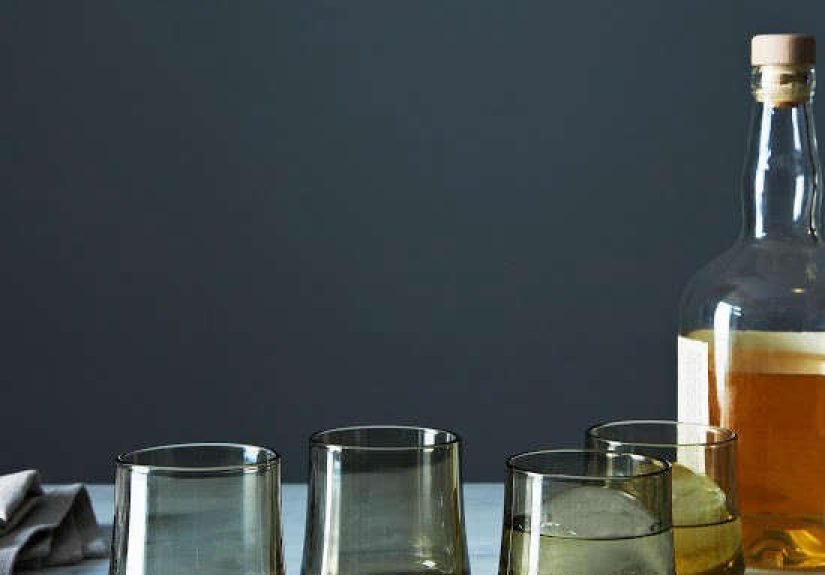
Clear handblown glass can show off color, movement, ice, citrus peel, or a nonalcoholic old-fashioned mocktail. Colored glass adds mood. Smoke-gray, amber, cobalt, green, or mica-infused designs can turn a simple drink into a tiny tabletop sculpture. Some artisan makers use swirls, embedded color, textured bases, or mountain-inspired shapes inside the glass. These details are why handblown glass is popular not only with whiskey fans, but also with hosts, interior design lovers, and people who believe the kitchen cabinet should have at least one object that makes guests say, “Wait, where did you get that?”
Handblown Whiskey Glass vs. Regular Whiskey Glass
A regular whiskey glass is usually factory-produced and designed for durability, affordability, and consistency. That is not a bad thing. For restaurants, events, and busy households, machine-made glassware makes sense. It stacks well, replaces easily, and does not make you dramatically pause when someone places it too close to the edge of the table.
A handblown whiskey glass, however, is purchased for a different reason. It is chosen for feel, design, uniqueness, and the story behind the object. It can be a luxury whiskey gift, a wedding present, a Father’s Day idea, a retirement keepsake, a bar cart upgrade, or a “congratulations, you are now the kind of person who owns nice glassware” moment.
The biggest difference is emotional value. A standard tumbler says, “Here is a glass.” A handblown rocks glass says, “Someone made this with fire, timing, and possibly nerves of steel.” That changes how people treat it. They slow down. They notice the rim. They look at the base. They hold it a little more carefully. Good design has that effect: it quietly upgrades the ritual around everyday objects.
Best Shapes for a Handblown Whiskey Glass
Rocks Glass
The rocks glass, also called an old-fashioned glass or lowball glass, is the classic short tumbler. It usually has a wide mouth, a sturdy base, and enough room for a large ice cube, a stirred cocktail, or a zero-proof drink with garnish. For handblown glassware, this is one of the most popular shapes because it gives artisans room to play with thickness, color, base texture, and silhouette.
Double Old-Fashioned Glass
A double old-fashioned glass is larger than a standard rocks glass. It is useful for drinks with more ice, mixers, or elaborate garnishes. In handmade form, it can feel substantial and luxurious. If the glass is too wide, however, it may feel oversized for neat pours or smaller servings. The best choice depends on whether the buyer wants a dramatic bar glass or a more compact everyday tumbler.
Tasting Glass
Whiskey tasting glasses often use a rounded bowl and narrower opening to help focus aroma. The famous Glencairn-style silhouette is widely associated with nosing and evaluating spirits. Handblown versions may borrow this tulip idea while adding artisan character. For collectors, a handblown tasting glass can be especially appealing because it combines function with craftsmanship.
Modern Artisan Tumbler
Many contemporary glass artists design whiskey glasses that do not follow the old rules exactly. Some have angled walls, curved interiors, mountain landscapes, smoky gradients, or sculptural bases. These glasses are less about strict tasting tradition and more about experience, decor, and visual pleasure. In other words, they are for people who want the glass to have a little main-character energy.
How Glass Shape Affects the Experience
Shape matters because scent, temperature, grip, and visual presentation all influence how people perceive a drink. A wide-mouthed tumbler releases aroma broadly. A narrower opening concentrates aroma more directly. A heavy base feels stable and formal. A thin, delicate glass feels refined but may require more careful handling. A rounded bowl encourages gentle swirling, while straight sides create a clean, classic look.
For legal-age adults who enjoy spirits, the glass can affect the sensory experience. For everyone else, the same design principles still apply to nonalcoholic drinks. A smoky-colored handblown tumbler can make an alcohol-free old-fashioned, iced tea, cold brew, or sparkling citrus drink look more polished. The secret is presentation. Put a good drink in a beautiful glass and suddenly the kitchen counter feels like a boutique hotel lobby, minus the mysterious resort fee.
How to Choose the Right Handblown Whiskey Glass
Check the Rim
The rim should feel smooth, comfortable, and well finished. Thick rims can be durable but may feel heavy. Thin rims feel elegant but require care. A good handblown whiskey glass finds the balance between beauty and usability.
Look at the Base
A stable base is important. Many handmade whiskey glasses feature a thicker bottom for weight and balance. Some include artistic details, such as colored glass, embedded patterns, or a visible pontil mark. These details should look intentional, not messy.
Consider Capacity
For a classic rocks glass, many buyers prefer something in the 8 to 12 ounce range. Smaller glasses feel refined and focused. Larger glasses work better for cocktails, mocktails, and drinks served over large ice. If buying a gift, a medium-capacity tumbler is usually the safest choice.
Decide Between Clear and Colored Glass
Clear glass is timeless and versatile. It lets the drink’s color show clearly and matches almost any home bar. Colored glass is more expressive. Smoke, amber, blue, or green glass can add personality, especially for someone who already owns basic glassware. If the recipient enjoys design, colored handblown glass may be the more memorable gift.
Think About the Recipient
A minimalist may prefer clean, clear, handblown tumblers with quiet elegance. A collector may appreciate visible handmade features. A nature lover might enjoy mountain-inspired or organic shapes. A host may want a matching set. A person who breaks glasses regularly may need something sturdier, and perhaps a gentle reminder that artisan glass is not a stress ball.
Popular Design Styles in Handmade Whiskey Glasses
Classic Clear Artisan Glass
This style emphasizes clarity, proportion, and hand-finished details. It is ideal for buyers who want elegance without flash. Brands and studios known for handblown barware often use clear glass to show purity of shape and quality of craftsmanship.
Colored and Smoke Glass
Smoke-gray and amber glasses have become popular because they feel modern, warm, and photogenic. They pair well with wood shelves, brass bar tools, leather coasters, and moody home-bar setups. Yes, your glass can have better lighting instincts than most social media influencers.
Textured or Sculptural Bases
Some handblown whiskey glasses include a mountain peak, wave, bubble pattern, or thick sculptural base. These pieces often work as conversation starters and gifts. They may not always be the most practical for stacking, but they bring personality to the table.
Personalized Handmade Glassware
Engraving, monograms, dates, initials, or custom designs can make a handblown whiskey glass feel personal. This is especially common for weddings, anniversaries, corporate gifts, and milestone birthdays. Personalization works best when it is subtle. A small monogram looks classy. A full paragraph engraved around the glass may feel like the glass is trying to publish a memoir.
Handblown Whiskey Glass as a Gift
A handblown whiskey glass is a strong gift because it combines usefulness with artistry. It feels personal without being overly risky. You do not need to guess someone’s clothing size, favorite fragrance, or exact kitchen color palette. A beautiful handmade tumbler can fit into many lifestyles, from home entertaining to quiet weekend rituals to stylish zero-proof drinks.
For a premium gift, consider a pair of handblown rocks glasses, a matching decanter, a set of stone or wood coasters, or a small tray. Packaging matters too. Handmade glass should arrive protected and presented well. If the piece comes with a maker’s card or studio story, keep it with the gift. People enjoy knowing where artisan objects come from.
Good occasions include Father’s Day, Mother’s Day, weddings, housewarmings, graduations for adults, retirements, client gifts, birthdays, and holiday hosting. A handblown whiskey tumbler says, “I put thought into this,” without requiring you to write a poem or learn calligraphy.
How to Care for Handblown Whiskey Glasses
Handblown glass should be treated with more care than everyday factory glassware. Many artisan studios recommend hand washing, especially for crystal, colored glass, metallic accents, or pieces with decorative bases. Dishwashers can expose glass to high heat, harsh detergents, water pressure, and vibration. Over time, that may cause cloudiness, scratches, or surface wear.
Use warm water, mild soap, and a soft sponge or microfiber cloth. Avoid abrasive scrubbers. Dry the glass with a lint-free towel to prevent water spots. Do not stack handmade glasses unless the maker says they are designed for stacking. Avoid sudden temperature changes, such as pouring very hot liquid into cold glass or placing chilled glass into hot water. Thermal shock is real, and it is not the kind of drama anyone invited to the kitchen.
If the glass has a textured bottom, wash around the details gently. If it has gold, silver, mica, or other decorative elements, follow the maker’s care instructions exactly. Handmade glass can last for years when cared for properly. The goal is simple: treat it like functional art, not like the free cup that came with a stadium soda.
Are Handblown Whiskey Glasses Worth It?
Yes, if the buyer values craftsmanship, design, and a more personal drinking or hosting experience. No, if the buyer only needs cheap glassware for a large party where cups may mysteriously vanish into the backyard. Handblown whiskey glasses cost more because they require skilled labor, time, materials, finishing, and often small-batch production.
The value is not only in durability or capacity. It is in the way the object feels. A handmade whiskey glass can make a shelf look more curated, a gift feel more thoughtful, and a simple drink feel more intentional. It is the difference between “I bought glasses” and “I chose glassware.” That difference may sound small, but design lovers know it is huge.
Specific Examples of Handblown Whiskey Glass Trends
Across the American market, several trends stand out. Vermont-style handblown tumblers emphasize timeless clarity and substantial weight. Los Angeles artisan studios often lean into color, modern silhouettes, and collectible design. Small independent makers create sculptural whiskey glasses with organic shapes, while larger retailers offer handblown double old-fashioned glasses designed for stylish home bars.
Some handmade whiskey glasses are simple and elegant, while others are theatrical. A clear handblown tumbler may suit a classic wooden bar cart. A smoke-colored kinetic glass may fit a modern apartment. A mountain-base glass might appeal to hikers, skiers, and people who want their drinkware to look like it has a national park hidden inside. A mica-infused rocks glass can shimmer under light and become a centerpiece even when empty.
The best choice depends on the buyer’s taste. For a safe gift, choose clear or lightly tinted glass in a classic shape. For a memorable statement piece, choose sculptural or colored glass. For frequent use, prioritize comfort, stability, and easy cleaning. For display, prioritize visual impact. For someone who says, “I don’t need anything,” choose artisan glassware anyway; they probably need fewer boring cups.
Experience Section: Living With a Handblown Whiskey Glass
The first thing people notice about a handblown whiskey glass is usually the weight. It does not feel like something pulled from a bulk restaurant carton. It has presence. You pick it up and immediately understand that someone spent time shaping it. Even before anything is poured, the glass has a quiet confidence. It belongs on a bar cart, beside a decanter, next to a leather notebook, or near a bowl of citrus peels waiting to look useful.
In everyday use, the biggest pleasure is how the glass changes small moments. Fill it with a zero-proof old-fashioned, iced coffee, sparkling apple cider, or a simple drink with a large cube and orange peel, and it instantly feels more intentional. The glass catches light at the base. The rim feels smooth. The curve rests naturally in the hand. Suddenly, what could have been a regular Tuesday beverage has become “a moment.” Not a dramatic movie moment, but close enough that you may feel encouraged to put on better music.
Handblown whiskey glasses also make hosting easier because they do some of the decorating for you. Place two or four on a tray and the table looks styled. Add coasters, a small bowl of snacks, and a bottle of sparkling water or a batch of mocktails, and guests immediately notice the setup. The glassware communicates care. It says the host thought about details, which is usually more impressive than complicated recipes or panic-cleaning the living room five minutes before the doorbell rings.
There is also a collecting experience. Once someone owns one beautiful handmade tumbler, they often start noticing differences: a thicker base here, a thinner rim there, a warmer amber tone, a cooler smoke finish, a tiny bubble suspended like a captured thought. This is how glassware appreciation begins. It starts innocently with one handblown whiskey glass and ends with a cabinet that looks suspiciously curated.
Care becomes part of the ritual too. You do not toss a handmade glass into the sink like it owes you money. You rinse it, wash it gently, dry it carefully, and put it back where it belongs. That extra attention is not annoying; it is part of owning something made well. In a world full of disposable objects, a handblown glass reminds people that useful things can still be beautiful.
For gift-giving, the experience is even better. A handblown whiskey glass feels personal without being overly specific. It works for someone who enjoys home decor, craft objects, hosting, barware, or simply owning fewer but better things. It can be paired with nonalcoholic cocktail ingredients, premium cherries, bitters alternatives, coasters, a mixing spoon, or a handwritten card. The glass does not need a long explanation. The recipient understands the message immediately: this was chosen, not grabbed in a checkout-line panic.
Over time, the best handblown whiskey glass becomes the one people reach for automatically. Not because it is the only glass available, but because it feels good. It has the right weight. It sits well on the table. It makes drinks look better. It turns ordinary evenings into small rituals. That is the real charm of artisan glassware. It does not scream luxury. It quietly improves the moment, which is much more stylish.
Conclusion
A handblown whiskey glass is more than barware. It is craftsmanship you can hold. From the molten-glass process to the finished rim, from the balance of the base to the way light moves through the walls, every detail contributes to the experience. Whether used by legal-age adults for whiskey, by hosts for zero-proof cocktails, or by design lovers as collectible glassware, a handmade whiskey tumbler brings warmth, character, and style to the table.
The best handblown whiskey glass should feel balanced, look intentional, and fit the personality of the person using it. Choose clear glass for timeless elegance, colored glass for visual drama, sculptural designs for conversation, and classic rocks-glass shapes for everyday versatility. Care for it gently, gift it thoughtfully, and let it do what great design does best: make ordinary moments feel a little more special.