Table of Contents >> Show >> Hide
- Table of Contents
- Hemochromatosis basics (and why “low iron” isn’t one-size-fits-all)
- Foods naturally low in iron (the friendly grocery list)
- 1) Dairy and calcium-rich foods (iron’s polite “no, thanks”)
- 2) Fruits (yes, you’re allowed to eat fruit)
- 3) Vegetables: pick your favorites, but know the “iron personalities”
- 4) Grains and starches: watch for fortification (a.k.a. surprise iron)
- 5) Lower-iron protein choices (because you still need protein)
- 6) Snacks and “life foods” that often fit nicely
- Foods to limit or avoid (high-iron and high-absorption culprits)
- Avoid: iron supplements and iron-containing multivitamins
- Avoid: high-dose vitamin C supplements (and be cautious with “mega-C” products)
- Limit: red meat and organ meats (heme iron heavy-hitters)
- Be picky: iron-fortified foods
- Avoid: raw or undercooked shellfish (seriouslythis is about infection risk)
- Limit or avoid alcohol (especially with liver involvement)
- Consider: cast-iron cookware (a small but real contributor for certain meals)
- How to reduce iron absorption with smart pairings
- A simple 1-day low-iron meal plan (realistic, not weird)
- Label-reading tips (where most people win the battle)
- Quick FAQs
- Experience section : what it’s like in real life
- Conclusion
If you have hemochromatosis, your body is basically that friend who never stops “collecting”
except instead of vinyl records, it’s iron. And while the main medical workhorse is usually
therapeutic phlebotomy (a.k.a. scheduled blood removal), what you eat can still help you
avoid accidentally topping off your iron tank every day.
This guide walks you through foods that are naturally low in iron, the “sneaky” iron sources
that love to hide in plain sight, and the simple meal-building tricks that can reduce iron
absorptionwithout making your diet feel like a punishment invented by a joyless robot.
Medical note: This article is for education, not personal medical advice. Always follow your clinician’s plan for iron monitoring, phlebotomy, and any nutrition changes.
Hemochromatosis basics (and why “low iron” isn’t one-size-fits-all)
Hemochromatosisespecially the hereditary typecan cause your intestines to absorb more iron than your body needs.
Over time, that extra iron may build up in organs like the liver, heart, pancreas, and joints. The result can be
fatigue, joint pain, abdominal discomfort, abnormal liver tests, diabetes, heart rhythm issues, and more. The key
point: it’s not just “too much iron today,” it’s “too much iron over years.”
Heme vs. non-heme iron (the plot twist)
Dietary iron comes in two main forms. Heme iron is found in animal foods (especially red meat and organ meats)
and is absorbed more efficiently. Non-heme iron is found in plant foods and many fortified products, and its absorption
swings up or down depending on what you eat with it. Translation: a steak is iron with VIP access; beans are iron waiting
in the regular lineunless you accidentally hand them a backstage pass with vitamin C.
What “low iron diet” really means for hemochromatosis
Most people with hemochromatosis don’t need a hyper-restrictive diet that bans every molecule of iron. In fact, many
reputable medical sources emphasize that treatment typically focuses on removing iron (phlebotomy) and avoiding a few
high-risk itemsespecially iron supplements, high-dose vitamin C supplements, and raw shellfish.
Diet becomes a supportive strategy: reduce high-heme choices, dodge iron-fortified “bonus iron,” and use absorption-lowering
pairings when it makes sense.
Foods naturally low in iron (the friendly grocery list)
When people hear “low iron foods,” they often imagine bland beige sadness. Not necessary. Plenty of delicious foods are
naturally low in ironespecially when you prioritize variety and build meals around items that don’t quietly bring iron
to the party.
1) Dairy and calcium-rich foods (iron’s polite “no, thanks”)
Many dairy foods contain very little iron, and calcium can reduce iron absorption in the gut. That makes dairy a useful
anchor for meals when you’re trying to keep iron intake and absorption in check.
- Milk (dairy)
- Yogurt (plain or flavored)
- Cottage cheese
- Cheeses (cheddar, mozzarella, etc.)
If you’re dairy-free, check plant-based alternatives carefullysome are fortified with iron. The carton may look innocent,
but the Nutrition Facts label will tell the truth.
2) Fruits (yes, you’re allowed to eat fruit)
Fruit is generally low in iron and adds fiber, hydration, and the kind of joy that keeps diets sustainable. People with
hemochromatosis are often told to avoid vitamin C supplements (because they can increase iron absorption), but that’s
different from eating normal amounts of fruit as part of a balanced diet.
- Apples, grapes, berries, peaches, pears
- Melons (cantaloupe, honeydew, watermelon)
- Bananas
Practical trick: if you’re eating a meal that contains higher-iron foods (like beans or spinach), enjoy vitamin C–rich fruit
as a snack later rather than as the meal’s grand finale. You’re not “banning” vitamin C; you’re just not using it to turbocharge absorption.
3) Vegetables: pick your favorites, but know the “iron personalities”
Many vegetables are low to moderate in iron, and they come packaged with fiber and plant compounds that can make non-heme iron
less absorbable. That said, some vegetables (like spinach) contain more iron on paperyet their iron may be less bioavailable
because of natural inhibitors. Bottom line: vegetables belong in your diet. The goal is balance, not veggie-phobia.
- Bell peppers, cucumbers, zucchini, eggplant
- Mushrooms
- Cauliflower, cabbage
- Lettuce and many salad greens (variety helps)
- Onions, garlic, herbs
4) Grains and starches: watch for fortification (a.k.a. surprise iron)
In the U.S., many grain products are enriched or fortified, and that often includes added iron. This is fantastic for preventing iron deficiency in the general population.
For hemochromatosis, it means you need to become the mild-mannered superhero of label reading.
Lower-iron, often-lower-fortification options (still check labels) can include:
- White rice (some is enriched; compare brands)
- Corn tortillas, corn grits/polenta
- Rice noodles, glass noodles
- Oats and certain cereals that are not iron-fortified (many cereals are fortifiedlabels matter)
- Potatoes (regular and sweet)
5) Lower-iron protein choices (because you still need protein)
You don’t need to “quit protein” to manage iron. You just want to be intentionalespecially about heme iron sources.
Many people do well emphasizing poultry, eggs, and some fish in reasonable portions, while keeping red meat as an occasional guest star.
- Eggs
- Chicken and turkey (generally lower in iron than red meat)
- Many fish (cooked; see the shellfish safety note below)
- Tofu/beans/legumes: nutritious, but can be moderate in ironportion and pairing matter
6) Snacks and “life foods” that often fit nicely
- Cheese and crackers (check crackers for iron-fortification)
- Popcorn (plain or lightly seasoned)
- Greek yogurt with honey
- Fruit + nut butter (note: nuts can contain iron; enjoy, but don’t treat them like a food group called “entire jar”)
Foods to limit or avoid (high-iron and high-absorption culprits)
If you want the highest payoff with the least dietary drama, focus here first. These are the items most often flagged
by major medical organizations and clinical references for people managing iron overload.
Avoid: iron supplements and iron-containing multivitamins
This is the big one. Iron pills, prenatal vitamins with iron, and “energy” supplements that quietly include iron can
push iron intake far beyond what you’d ever get from food. If you take a multivitamin, choose one formulated without iron
unless your clinician specifically tells you otherwise.
Avoid: high-dose vitamin C supplements (and be cautious with “mega-C” products)
Vitamin C can increase non-heme iron absorption. Normal dietary vitamin C from fruits and vegetables is usually fine in a balanced diet,
but high-dose supplements are commonly discouraged for hemochromatosis unless a clinician specifically recommends them.
Limit: red meat and organ meats (heme iron heavy-hitters)
Red meat is a concentrated heme iron source, and organ meats (like liver) can be especially high. You don’t need to panic if you ate a burger last week.
The more practical approach is frequency control: make poultry, eggs, or plant-forward meals your default, and let red meat be occasional rather than daily.
Be picky: iron-fortified foods
Many breakfast cereals, nutrition bars, meal replacement shakes, and “functional” beverages are fortified with ironsometimes a lot.
For someone with hemochromatosis, these can be more impactful than a normal serving of most whole foods. If the label shows a high % Daily Value for iron,
it’s a clue to choose a different product.
Avoid: raw or undercooked shellfish (seriouslythis is about infection risk)
This isn’t only an “iron content” issue. People with iron overload and/or liver disease can be at higher risk of severe infection from bacteria
associated with raw shellfish (classically raw oysters). The safest approach: keep shellfish well-cooked and skip the raw bar.
Limit or avoid alcohol (especially with liver involvement)
Alcohol can stress the liver, and the liver is often the organ that takes the biggest hit from iron overload. If you have liver damage,
clinicians commonly recommend avoiding alcohol. If you don’t, discuss a safe approach with your care teambecause your iron labs are only part of the story.
Consider: cast-iron cookware (a small but real contributor for certain meals)
Cooking in cast iron can increase iron content in food, especially with acidic dishes (think tomato sauce simmering for hours). You don’t have to throw out your skillet
in a dramatic breakup scene. But if you’re intentionally keeping iron down, it may be worth using stainless steel or nonstick for long-cooked acidic recipes.
How to reduce iron absorption with smart pairings
Here’s where you get to feel clever. You can’t always control how much iron is in a meal, but you can often influence how much your body absorbsespecially for non-heme iron.
Think of it as choosing the right travel buddy for your food: some companions speed iron through the airport; others “accidentally” send it to the wrong gate.
Use calcium with meals (when it fits your nutrition needs)
Calcium may reduce absorption of both heme and non-heme iron. Practical ideas: yogurt with breakfast, cheese with a sandwich, or milk with a snack.
If you take calcium supplements, timing mattersask your clinician how to space supplements around meals and medications.
Tea and coffee with meals (tannins and polyphenols can help)
Polyphenols in tea and coffee can reduce non-heme iron absorption. If you enjoy either beverage, having it with or shortly after meals may help.
(If caffeine doesn’t love you back, decaf can still contain polyphenols.)
Don’t “boost” iron meals with vitamin C on purpose
Vitamin C improves non-heme iron absorption. That’s great advice for iron deficiencyand a “please don’t” for hemochromatosis management.
You don’t have to avoid produce; just avoid building meals that stack iron-rich foods + a vitamin C megablast (like supplements or a huge glass of citrus juice).
Make label-reading your superpower
The fastest way to accidentally eat high-iron is not spinach. It’s fortified cereal. It’s the protein bar that claims it will “ignite your morning.”
It’s the meal replacement shake that contains iron because it’s formulated for the general population.
A simple 1-day low-iron meal plan (realistic, not weird)
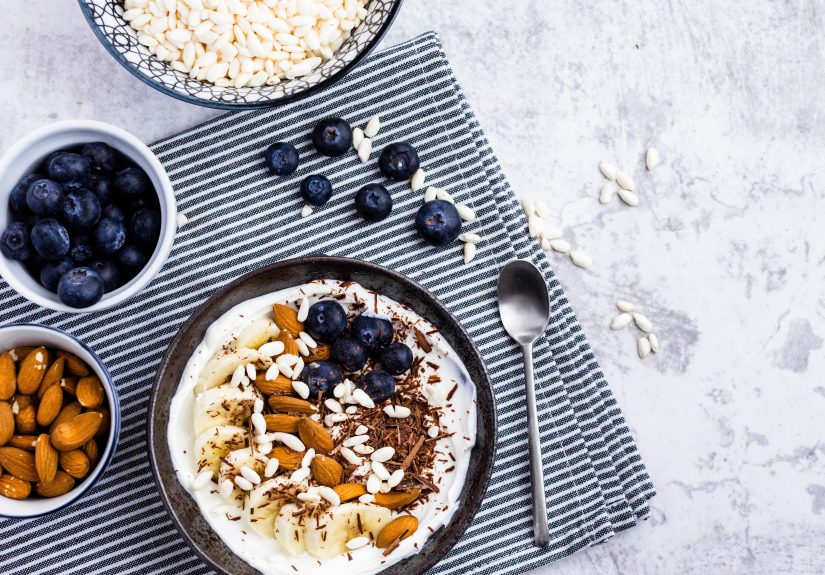
Breakfast: Greek yogurt parfait with berries and granola that is not iron-fortified + coffee or tea.
Lunch: Turkey-and-cheese wrap on a corn tortilla with lettuce, cucumber, and a simple yogurt-based dressing. Add fruit on the side.
Snack: Apple slices with cheddar cheese (or cottage cheese) + herbal tea.
Dinner: Chicken and veggie stir-fry (mushrooms, zucchini, onions) over rice noodles or rice. Finish with decaf tea if you like.
Notice what’s happening: we’re not chasing “zero iron.” We’re choosing lower-heme proteins, using calcium strategically,
and avoiding the big landmines (supplements, fortified products, raw shellfish, alcohol overload).
Label-reading tips (where most people win the battle)
1) Use % Daily Value like a quick filter
On U.S. Nutrition Facts labels, iron is listed with an amount and a % Daily Value. If a cereal is showing a huge %DV for iron, that’s a neon sign.
For hemochromatosis management, many people choose products with low %DV iron most of the timethen rely on overall balance instead of perfection.
2) Watch “health” foods more than “regular” foods
Iron fortification is common in:
- Breakfast cereals
- Meal replacement shakes and powders
- Protein bars and “performance” snacks
- Some plant milks
- Some breads and flours
The marketing often screams “energy” or “complete nutrition.” Your iron labs would prefer “calm and uneventful.”
3) If you eat out a lot, default to the “low-heme” structure
- Choose chicken, turkey, eggs, or vegetarian options more often than steak or burgers.
- Pick dairy-based sides when appropriate (yogurt, cheese, creamy sauces) rather than vitamin C–heavy add-ons.
- Skip raw oysters/sushi with raw shellfish.
- Go easy on alcohol, especially if you’ve been told you have liver involvement.
Quick FAQs
Do I have to cut out all iron-containing foods?
Usually, no. Iron is present in many foods, and a normal balanced diet can still work for many people with hemochromatosisespecially when the main treatment plan
is appropriately managed. The higher-yield focus is avoiding iron supplements, avoiding high-dose vitamin C supplements, limiting high-heme foods, and dodging iron-fortified “extras.”
What about spinach, beans, and tofu?
These can contain non-heme iron (sometimes a moderate amount), but non-heme absorption is more variable. Many people keep these foods and simply avoid pairing them with
high-dose vitamin C or fortified products. If your ferritin and transferrin saturation trends are challenging, your clinician or dietitian can tailor guidance.
Is seafood allowed?
Cooked fish is often a reasonable protein option in moderation. The big safety warning is raw or undercooked shellfish, which is commonly discouraged because of infection risk.
If you love seafood, keep it cooked and discuss specifics with your clinicianespecially if you have liver disease.
Is diet enough to treat hemochromatosis?
Diet can support management, but it typically does not replace medical treatment designed to remove stored iron. Think of food strategies as the “supporting cast,” not the lead actor.
Experience section : what it’s like in real life
Let’s talk about the part that never fits neatly into a pamphlet: living with hemochromatosis day-to-day. In real life, people don’t eat “iron”
they eat breakfast on a Tuesday when they’re late, they grab snacks at a gas station, they go out for tacos with friends, and sometimes they
stare into the fridge like it personally betrayed them. The best “low iron” plan is the one you can repeat without resenting your kitchen.
A common experience is that the first wave of advice feels dramatically restrictivelike you’re being told to survive on ice cubes and regret.
Then you look closer and realize the biggest wins are surprisingly simple: stop taking iron-containing vitamins, stop “boosting” meals with high-dose
vitamin C supplements, and stop letting iron-fortified products sneak into your routine. People are often shocked to learn that a “healthy” cereal or
an “athlete-approved” protein bar can deliver a large chunk of the iron Daily Value in a single serving. The result is that many patients don’t actually
need to overhaul every home-cooked mealthey need to audit the packaged convenience foods they eat on autopilot.
Another real-world pattern: people do best when they build a few default meals they genuinely like. For example, breakfast becomes a rotation of
yogurt + fruit, eggs + toast (with a bread brand that isn’t aggressively iron-fortified), or oatmeal made with milk. Lunch becomes a “template”:
poultry + cheese + veggies in a wrap, or leftovers from dinner. Dinner becomes “protein + starch + vegetable,” with poultry or fish appearing more often
than red meat. Once those defaults exist, the rest is just adjusting frequencyred meat becomes something you enjoy intentionally, not something you
eat because it’s the easiest option at the drive-thru.
Social situations are where many people feel the most friction. Here’s what tends to help: choose the low-heme option without making it a big deal.
If your friends are ordering burgers, you might order chicken tacos. If you’re at brunch, you might lean into eggs and yogurt rather than a steak-and-eggs moment.
If there’s alcohol, you decide in advance what your plan is (and why). When people wait until the moment, they’re negotiating with peer pressure,
hunger, and the menu’s most persuasive photographs. Pre-deciding turns it into a simple choice instead of a courtroom drama.
A practical “experience-based” trick many people adopt is timing vitamin C–rich items away from higher-iron meals. Not because fruit is “bad,” but because
they’d rather not maximize absorption. So instead of orange juice with a bean-heavy lunch, they’ll drink water at lunch and have fruit later. It’s a small
shift that feels psychologically easier than banning whole categories of food.
Another lived reality: it’s easy to obsess over single foods (“Did spinach ruin my life?”) and ignore the big picture (“I’ve been drinking fortified shakes every day.”).
Many people find peace when they start tracking patterns rather than blaming individual ingredients. Your lab trendsferritin, transferrin saturation, and what your clinician
recommendsbecome the dashboard. Your food choices become gentle steering, not white-knuckle panic.
Finally, the most encouraging theme: people often feel better once their iron levels are controlled, and the diet becomes less about fear and more about confidence.
The goal isn’t to build a life where food is the enemy; it’s to build a life where your choices support your treatment plan while still leaving room for birthday cake,
travel meals, and the occasional “yes, I’m ordering dessert” moment. Sustainable management is the win. Perfection is optional.
Conclusion
Managing hemochromatosis with food isn’t about eliminating iron from the planetit’s about avoiding the biggest accelerators of iron overload and building meals that
naturally keep iron lower and absorption calmer. Start with the high-impact moves: avoid iron supplements, avoid high-dose vitamin C supplements unless prescribed,
skip raw shellfish, be careful with alcohol (especially with liver issues), and become fluent in Nutrition Facts labels so iron-fortified products don’t quietly do the most damage.
From there, lean into low-iron favoritesdairy, many fruits and vegetables, and lower-heme proteinswhile using smart pairings like calcium and tea/coffee when appropriate.
Work with your clinician or dietitian to match these strategies to your labs, symptoms, and treatment plan. The best plan is the one that keeps your iron controlled
and keeps your life enjoyable.