Table of Contents >> Show >> Hide
- What makes green tea and black tea different?
- Which tea has more antioxidants?
- Caffeine: black tea usually hits harder
- Heart health: both teas bring something to the table
- What about weight loss?
- Focus, mood, and everyday energy
- When green tea may be the better choice
- When black tea may be the better choice
- Who should be careful with either one?
- So, which one is actually better for you?
- Real-life experiences: how green tea and black tea feel in everyday life
- Conclusion
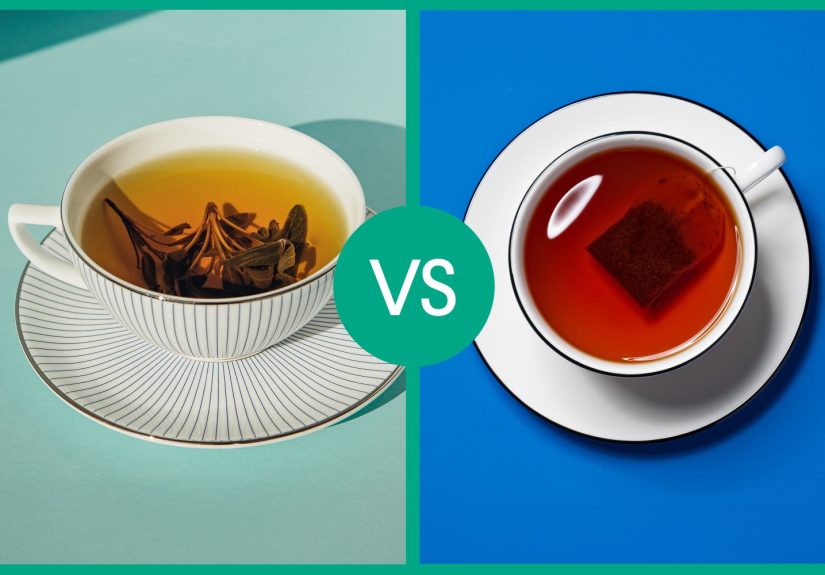
Tea drinkers love a good rivalry. Coffee people debate roast levels, soda people argue about cans versus bottles, and tea people? We can turn one innocent cup into a full-blown philosophy seminar. The biggest showdown of all is green tea vs. black tea. One wears a halo for being “clean” and antioxidant-rich. The other strolls in like the bold older sibling with more caffeine and a stronger personality.
So which one is actually better for you? The honest answer is less dramatic than the internet usually makes it sound: both can be very good for you, and the better choice depends on what you want from your cup. If you are forcing me to pick a winner by a tiny, tea-stained margin, green tea gets a slight edge for its catechin content and the way it is studied in health research. But black tea is hardly the villain in this story. It is still a smart, health-friendly drink when you keep it plain or lightly sweetened.
Let’s break down the difference without turning your kitchen into a laboratory.
What makes green tea and black tea different?
Here is the plot twist: green tea and black tea come from the same plant, Camellia sinensis. They are not botanical enemies. They are more like siblings raised under different rules.
The main difference is processing. Green tea is heated soon after harvest so the leaves do not oxidize much. Black tea is allowed to oxidize, which darkens the leaves and changes the flavor, aroma, and the balance of plant compounds. That processing difference is why green tea tends to taste grassy, fresh, or lightly vegetal, while black tea leans malty, brisk, floral, fruity, or robust depending on the variety.
Health-wise, this matters because the antioxidant profile changes. Green tea is better known for catechins, especially EGCG. Black tea is richer in theaflavins and thearubigins, which form during oxidation. In other words, this is not a battle between “healthy” and “unhealthy.” It is more a matter of different compounds doing different jobs in the body.
Which tea has more antioxidants?
This is where tea debates usually get dramatic. Green tea is famous for antioxidants, and yes, it deserves that reputation. Its lighter processing helps preserve catechins, which are widely studied for their antioxidant and anti-inflammatory potential.
But black tea should not be shoved into the nutritional corner. Black tea also contains plenty of polyphenols. It simply has a different mix, with more theaflavins and other oxidation-derived compounds. That means the comparison is not as simple as “green tea has antioxidants, black tea does not.” Both do. Green tea just has the more famous PR team.
If your goal is to choose the tea with the strongest reputation for antioxidant-related research, green tea comes out slightly ahead. If your goal is simply to drink a beneficial beverage instead of a sugar-loaded drink pretending to be a personality trait, either tea is a solid move.
Caffeine: black tea usually hits harder
Black tea generally contains more caffeine than green tea, though the exact amount depends on the leaves, brewing method, serving size, and how long you steep it. On average, black tea gives you a stronger wake-up nudge, while green tea is usually gentler.
That makes black tea a nice middle ground for people who want more pep than green tea but less intensity than coffee. Green tea, meanwhile, often feels more like a calm handshake than a loud motivational speech. Many people find it energizing without being quite as jittery, though caffeine sensitivity varies a lot from person to person.
If you are highly sensitive to caffeine, prone to anxiety, or trying to protect your sleep, green tea may be the easier fit. If your mornings feel like a low-budget disaster movie, black tea may be the more practical hero.
Heart health: both teas bring something to the table
One of the most promising areas of tea research is cardiovascular health. Both green tea and black tea are associated with compounds that may support heart health, especially when they replace less healthy beverages.
Green tea often gets more attention here because some reviews suggest modest benefits for cholesterol and blood pressure, though the evidence is not perfect and black tea research can be less consistent. Still, black tea has its own strengths. Its flavonoids may support blood vessel function, and some research suggests regular black tea drinking can fit into a heart-friendly eating pattern.
The important point is this: tea is not a magical shield against every artery problem known to humankind. But as part of an overall healthy lifestyle, plain tea is a smart beverage choice. If you are replacing sugary energy drinks, dessert coffees, or sodas with green or black tea, your body will probably send a polite thank-you note.
What about weight loss?
Ah yes, the part of the internet where every warm beverage is apparently one sip away from giving you abs. Let’s calm down.
Green tea is heavily marketed for weight loss, especially in extract form. The evidence does not support dramatic results. At best, tea may play a small supporting role in weight management when it replaces high-calorie drinks and fits into a healthy routine. That is helpful, but it is not magic. It is math with better branding.
Black tea is not usually sold with the same “melt fat instantly” mythology, but it can also help in the same practical way. Unsweetened black tea is low in calories, flavorful, and satisfying. It may help some people reduce their intake of sugary beverages or snack less mindlessly during the day.
So if the question is, “Which tea will rescue me from my relationship with drive-thru pastries?” the answer is: neither, by itself. If the question is, “Which tea can be part of a better daily routine?” the answer is: both.
Focus, mood, and everyday energy
Tea is not just about long-term health headlines. It is also about how you feel on an average Tuesday when your inbox looks haunted.
Green tea is often favored by people who want a steadier, gentler lift. Black tea tends to feel more assertive and is often preferred by people who want a stronger morning ritual. Neither one is objectively better for “energy” in a universal sense. It depends on whether you want a soft push or a firmer shove.
For some people, green tea works better in the afternoon because it is less likely to feel overstimulating. Black tea can be fantastic in the morning, especially if coffee feels too harsh but plain water is not exactly thrilling your soul.
When green tea may be the better choice
1. You want the most studied antioxidant profile
Green tea usually wins here because of its catechins, particularly EGCG. If you are choosing based on the version of tea most often highlighted in wellness research, green tea has the stronger reputation.
2. You want a little less caffeine
If black tea makes you buzzy or edgy, green tea may be a better match. It is often easier for caffeine-sensitive people to tolerate, especially earlier in the afternoon.
3. You prefer lighter flavors
Not every healthy decision has to taste like punishment. If you enjoy a fresher, cleaner cup, green tea may simply be easier to drink consistently, and consistency matters more than chasing a nutritional technicality.
When black tea may be the better choice
1. You want more caffeine without jumping straight to coffee
Black tea is a great compromise beverage. It has enough kick to be useful, but it usually does not hit quite as hard as coffee.
2. You want a bolder, more satisfying flavor
Some people genuinely do not enjoy green tea, and forcing yourself through a mug of steamed grass-water every morning is not a wellness strategy. Black tea is richer, sturdier, and often easier to enjoy plain.
3. You like tea with breakfast or in social settings
Black tea pairs beautifully with breakfast foods and tends to hold up well as iced tea too. It also feels familiar to many American drinkers, which makes it easier to adopt as a daily habit.
Who should be careful with either one?
Caffeine-sensitive people
Both green and black tea contain caffeine. If you are prone to jitters, heart palpitations, headaches, insomnia, or general “why is my soul vibrating?” feelings after caffeinated drinks, portion size and timing matter. Earlier in the day is usually safer than late at night.
People with iron deficiency or low iron intake
Tea polyphenols can reduce the absorption of nonheme iron, the kind found in many plant foods and fortified foods. If you have low iron or are working on improving your iron status, drinking tea between meals instead of with meals may be the better move.
People taking certain medications or concentrated supplements
This is especially important with green tea extracts, not just brewed tea. Concentrated green tea supplements can interact with medications and have been linked to rare but serious liver problems. A cup of brewed tea is one thing. A mega-dose capsule marketed by a bottle covered in neon promises is another.
People with digestive issues
Caffeinated drinks can aggravate some digestive symptoms in certain people. If tea makes your stomach feel dramatic, experiment with smaller servings, lower-caffeine options, or decaf versions.
So, which one is actually better for you?
If we are grading on pure health reputation, green tea wins by a nose. Its catechins are heavily studied, and the evidence for modest benefits in areas like cholesterol and blood pressure is a little more encouraging than what we see for black tea. But this is not a knockout. It is more like winning by one point and then immediately offering your sibling a biscuit.
Black tea is still an excellent beverage choice, especially if it helps you stay consistent. It has beneficial polyphenols, usually more caffeine, and a flavor many people find easier to love. And the best tea for your health is the one you actually drink regularly without loading it with syrup, sugar, whipped cream, or enough sweetener to qualify as dessert.
So here is the practical verdict:
Choose green tea if you want a lighter cup, somewhat less caffeine, and the antioxidant profile most often celebrated in research.
Choose black tea if you want a bolder flavor, a stronger caffeine lift, and an easy daily habit that still supports a healthy diet.
Choose either one if the alternative is a giant sugary beverage with the nutritional profile of a bad decision.
Real-life experiences: how green tea and black tea feel in everyday life
In real life, the green tea vs. black tea question rarely gets settled by a spreadsheet. It usually gets settled at 7:12 a.m., when someone is standing in the kitchen looking half-awake and wondering what kind of day they are about to have. That is where tea becomes less about theory and more about experience.
Green tea often feels like the beverage version of opening a window. It is lighter, cleaner, and more subtle. For many people, the first sip does not shout. It nudges. It can feel refreshing in the morning, especially if coffee seems too aggressive or if the stomach is feeling a little sensitive. A warm mug of green tea can create the sense that you are making a responsible choice without also feeling like you have joined a wellness cult and started alphabetizing your chia seeds.
Black tea creates a different mood. It tends to feel more grounding and substantial. The flavor is fuller, the aroma is stronger, and the caffeine kick is more noticeable. People who find green tea too delicate often fall for black tea because it feels like a beverage with structure. It can carry a morning routine with more confidence. It also tends to pair better with food, especially breakfast. Toast, eggs, oatmeal, pancakes, and black tea all get along like old friends.
There is also a seasonal element that people do not talk about enough. Green tea often shines in spring and summer, when you want something crisp and bright, hot or iced. Black tea feels at home in cooler weather, on rainy afternoons, or during moments when life is asking a lot from you and you would like your mug to have some emotional depth. Yes, that sounds dramatic. Tea invites that.
Socially, the two teas can play different roles too. Green tea often feels private and personal, like a solo reset between tasks. Black tea feels a little more communal. It is the tea of catching up, lingering at the table, and pretending you are too sophisticated to care whether anyone noticed your second cookie.
Then there is the habit factor. Some people try green tea because they think they should, then quietly drift back to black tea because they actually enjoy it more. Others realize black tea leaves them too wired in the afternoon and become loyal green tea drinkers by trial and error. That is a useful reminder: the healthiest routine is usually the one you can maintain without resentment.
Experience also changes how you prepare them. Green tea rewards a little patience. Water that is too hot can make it bitter fast. Black tea is more forgiving and often better suited to rushed mornings. If your life is chaotic, black tea may be the easier companion. If your goal is to slow down for five minutes and breathe like a functioning adult, green tea can be strangely effective.
In the end, people do not just drink tea for nutrients. They drink it for ritual, comfort, alertness, taste, and the tiny illusion that one decent choice can improve the rest of the day. Honestly, sometimes that illusion is useful. A daily tea habit can become a small anchor, and whether that anchor is green or black matters less than the fact that it exists.
Conclusion
Green tea and black tea are both smart choices, and both deserve better than being reduced to social media nutrition slogans. Green tea has a slight health halo advantage thanks to its catechins and the way it is studied. Black tea counters with robust flavor, dependable caffeine, and plenty of beneficial compounds of its own.
If you want the most evidence-hyped option, pick green tea. If you want the tea you will happily drink every day, black tea may be the better choice for you. And if you keep both in the cupboard and choose based on your mood, congratulations: you have solved the problem like a civilized genius.