Table of Contents >> Show >> Hide
- First: What Is Visceral Fat (and Why Should You Care)?
- Classic Mediterranean Diet vs. Green Mediterranean Diet
- The Study Behind the “Twice as Much Fat” Claim
- Why Might the Green Version Target Visceral Fat Better?
- How to Eat Green-MED Without Overcomplicating Your Life
- A Sample Day of Green Mediterranean Eating
- Who This Might Help Most (and Who Should Be Cautious)
- The Bottom Line: “Green” Works Best When It’s Still Mediterranean
- Real-Life Experiences: What It’s Like to Go Green-Med (the Good, the Weird, and the Surprisingly Easy)
- Experience #1: “I thought I’d be hungry all the time… and then I wasn’t.”
- Experience #2: Green tea is easy… until it isn’t (hello, caffeine).
- Experience #3: “Cutting red meat was the hardest part… until I found replacements I actually liked.”
- Experience #4: Walnuts are a “small thing” that makes healthy eating feel less… healthy.
- Experience #5: The “green shake” concept works best when it replaces something, not when it’s added on top.
- Experience #6: The biggest win isn’t perfectionit’s fewer ultra-processed defaults.
- Conclusion
The Mediterranean diet has been the nutritional equivalent of that friend who always shows up on time, brings snacks, and somehow still has great skin. But now it has an overachieving cousin: the Green Mediterranean diet. Same chill Mediterranean vibesolive oil, veggies, legumes, fishplus a few extra “green” upgrades that, in research, helped people shrink visceral fat (the risky fat around your organs) by about twice as much as the classic Mediterranean approach.
Before we all start bathing in matcha: the headline is about visceral fat reduction, not magical scale drops overnight. And the green version isn’t a brand-new diet pulled from the depths of TikTok. It’s a Mediterranean-style plan that’s more plant-forward, lower in red/processed meat, and intentionally stacked with polyphenol-rich foods (think: green tea, walnuts, and a leafy protein source used in studies).
Let’s unpack what “green Mediterranean” actually means, what the studies really found, why visceral fat matters, and how to try the idea in real life without turning your kitchen into a salad bar hostage situation.
First: What Is Visceral Fat (and Why Should You Care)?
Visceral fat is the fat stored deep in your abdomen, wrapped around organs like the liver and pancreas. You can’t pinch it like subcutaneous fat, but it can quietly mess with metabolic health. Higher visceral fat is linked with increased risk for issues like insulin resistance, type 2 diabetes, and cardiovascular disease. Translation: if body fat had a “most wanted” list, visceral fat would be on the cover.
That’s why researchers love measuring visceral fat. Losing inches is nice. Losing the kind of fat most associated with metabolic problems is strategic.
Classic Mediterranean Diet vs. Green Mediterranean Diet
The classic Mediterranean (MED) diet is a pattern built around:
- Vegetables, fruits, legumes, whole grains
- Extra-virgin olive oil as the main fat
- Nuts and seeds in sensible portions
- Fish and seafood regularly; poultry and eggs in moderation
- Red meat and sweets limited (not banned, just not the main character)
The green Mediterranean diet keeps that foundation but pushes three main levers:
- More plant-based protein (less reliance on meat overall)
- Lower red and processed meat (in some study versions, basically “avoid”)
- More polyphenolsplant compounds linked with antioxidant and anti-inflammatory activity
In the research making headlines, the green-MED approach specifically emphasized: green tea, a daily portion of walnuts, and a “supergreen” plant protein called Mankai (a cultivated strain of duckweed) used in a daily shake. If “duckweed” doesn’t sound glamorous, congratulationsyou are a normal person. But nutritionally, it’s surprisingly impressive.
The Study Behind the “Twice as Much Fat” Claim
The attention-grabbing number comes from a long-term randomized controlled trial (often discussed in health coverage as DIRECT-PLUS), where participants followed one of three approaches: healthy dietary guidelines, a calorie-restricted Mediterranean diet, or a calorie-restricted green Mediterranean diet.
What made the green group “green”?
In the published protocol, both Mediterranean-style groups were calorie-restricted and included a daily portion of walnuts. The green-MED group added 3–4 cups of green tea per day, plus a daily Mankai-based green shake, and was coached to avoid red/processed meat as much as possible.
What happened to visceral fat?
Using imaging (MRI) to quantify abdominal fat changes, the green-MED group showed about a 14% reduction in visceral fat, compared with roughly 6–7% in the standard Mediterranean group, and around 4–5% in the general healthy-diet group. That’s where the “twice as much” headline comes from: 14% is about double 6–7%.
Two important clarifications:
- This is not a promise of twice the scale weight loss. In reporting around this research, overall weight loss and waist changes between Mediterranean-style groups can be similar, while visceral fat changes differ more.
- The study included lifestyle support and physical activity guidance. This wasn’t “drink green tea and wait for science to happen.”
Why Might the Green Version Target Visceral Fat Better?
Nutrition science rarely hands out single-cause explanations (if it did, we’d all be eating one perfect grape and calling it a day). But several plausible mechanisms show up again and again:
1) More polyphenols = more metabolic “signal” foods
Polyphenols are naturally occurring compounds in plants. Green tea is famously rich in catechins, walnuts contain polyphenols too, and the Mankai plant used in research adds more. These compounds may influence inflammation, oxidative stress, and how the body handles fat storage and fat breakdown. The green-MED pattern basically says: “Mediterranean diet… but make it extra plant-chemical-rich.”
2) More fiber and plant protein improves satiety (without white-knuckling it)
A more plant-forward Mediterranean plate often means more legumes, vegetables, and whole grainsfoods that bring fiber and volume. That can help with appetite regulation, which matters because sustained calorie control is still the big lever behind fat loss.
3) Less red/processed meat may reduce “dietary friction”
Red and processed meats tend to travel with saturated fat, excess sodium (especially processed), and calorie density. Cutting them down makes it easier to keep meals nutrient-dense without accidentally turning dinner into a calorie jackpot.
4) Liver fat and visceral fat tend to be metabolic roommates
Visceral fat often hangs out with fat accumulation in the liver (nonalcoholic fatty liver disease risk). Research tied to the green-MED concept has also discussed improvements in markers related to liver fat reduction, suggesting the “green upgrades” may help improve fat distribution even when overall weight loss is modest.
How to Eat Green-MED Without Overcomplicating Your Life
You don’t need specialty powders to steal the big ideas. Here’s a practical blueprint that keeps the spirit of the research while working with normal American grocery stores and normal American schedules.
The Green-MED “Base Plate”
- Half your plate: vegetables (raw, roasted, sautéedpick your personality)
- One quarter: protein, leaning plant-first (beans, lentils, tofu/tempeh), plus fish/seafood regularly
- One quarter: high-fiber carbs (farro, oats, quinoa, brown rice, whole-grain pasta)
- Main fat: extra-virgin olive oil
- Daily “green extras”: green tea + a portion of walnuts
Green tea: the easiest “green” upgrade
In the study version often cited in media, people were guided toward multiple cups per day. In real life, you can scale up gradually:
- Start with 1 cup a day for a week.
- Move to 2 cups a day (one mid-morning, one after lunch).
- If you tolerate caffeine well, try 3 cupsearlier in the day so sleep doesn’t get wrecked.
Pro tip: if green tea tastes like lawn clippings to you, brew it cooler (not boiling) and shorter. Bitter tea is usually a temperature/time problem, not a moral failing.
Walnuts: small portion, big impact
A common research-style portion is around a small handful (roughly 1 ounce). Sprinkle on Greek yogurt, oatmeal, salads, or blend into pesto. They’re calorie-dense, so think “supporting actor,” not “entire plotline.”
What if you can’t find Mankai duckweed?
Most people in the U.S. won’t casually stumble into duckweed cubes at the supermarket (yet). If you want a functional substitute for the idea of the Mankai shakeplant protein + greens + polyphenolstry:
- Spinach or kale + plain Greek yogurt or soy yogurt + berries + ground flax
- Unsweetened soy milk + frozen berries + spinach + a scoop of unsweetened plant protein
- Blended “savory smoothie”: cucumber + herbs + lemon + spinach + silken tofu
Will this be identical to the research ingredient? No. Will it deliver a plant-forward, fiber-and-polyphenol-rich habit that replaces a higher-calorie dinner? It can, which is the practical point.
A Sample Day of Green Mediterranean Eating
Breakfast
Greek yogurt (or soy yogurt) with berries, chopped walnuts, and a drizzle of olive-oil-based granola (yes, that existsno, you don’t need a second mortgage). Green tea on the side.
Lunch
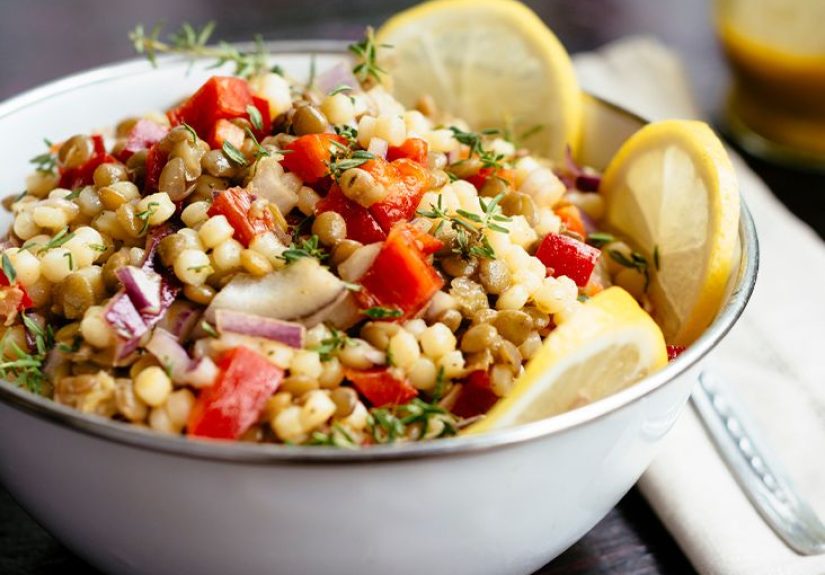
Big salad: mixed greens, chickpeas or lentils, tomatoes, cucumbers, olives, a scoop of quinoa, and a lemon–olive oil dressing. Optional add-on: sardines or salmon if you want a fish-forward day.
Snack
Fruit + a small handful of nuts, or hummus with crunchy veggies. Second cup of green tea.
Dinner
Roasted vegetables + whole-grain side (farro or brown rice) + protein (tofu, beans, or fish). If you’re doing the “green shake” concept, use it as part of dinner, not a sugary add-on after dinner.
Who This Might Help Most (and Who Should Be Cautious)
The green-MED pattern is especially interesting for people with abdominal obesity, metabolic risk factors, or anyone trying to improve diet quality while focusing on visceral fat reduction. That said, a few caution flags:
- Caffeine sensitivity: multiple cups of green tea can worsen anxiety, reflux, or sleep in some people.
- Medication interactions: if you’re on medications affected by vitamin K intake or caffeine, check with your clinician.
- Calories still count: olive oil and nuts are healthy, but they’re not calorie-free confetti.
The Bottom Line: “Green” Works Best When It’s Still Mediterranean
The most persuasive part of the green Mediterranean research isn’t that it adds exotic ingredients. It’s that it keeps the Mediterranean foundation (plants, olive oil, legumes, fish, minimal ultra-processed foods) and then turns the dial up on plant diversity and polyphenol intake while dialing down red/processed meat.
If you’re looking for a realistic next step, don’t start by trying to become a duckweed influencer. Start by doing Mediterranean consistently, then add the green upgrades you can actually sustain: more plants, green tea, walnuts, and fewer red/processed meats. That’s how “twice as much visceral fat loss” becomes less of a headline and more of a habit.
Real-Life Experiences: What It’s Like to Go Green-Med (the Good, the Weird, and the Surprisingly Easy)
Research can tell us what happened on average, but real life has a way of asking, “Cool story… what do I eat when I’m tired and it’s 7:43 p.m.?” Here are common experiences people run into when they try a green Mediterranean approachbased on the practical realities of Mediterranean-style eating, the “green” add-ons (green tea + walnuts + plant-forward protein), and what tends to make lifestyle changes stick.
Experience #1: “I thought I’d be hungry all the time… and then I wasn’t.”
Many people expect “more plants” to mean “less filling.” The opposite often happens once meals shift toward high-fiber staples like lentils, chickpeas, vegetables, and whole grains. A green-MED dinner of roasted vegetables + beans + olive oil can be far more satisfying than a smaller portion of something ultra-processedpartly because volume and fiber help you feel full, and partly because you’re eating real food with actual chewing involved (nature’s built-in speed bump for overeating).
The surprise win: when you’re genuinely full, cravings become negotiable. Not gone foreverjust less bossy.
Experience #2: Green tea is easy… until it isn’t (hello, caffeine).
The “3–4 cups a day” detail sounds simple, but people react differently. Some feel pleasantly alert; others feel like they’ve accidentally subscribed to the Premium Anxiety Plan. A common workaround is timing: green tea earlier in the day, and herbal tea later. Another is concentration: a lighter brew, shorter steep time, or switching one cup to decaf.
And yes, it’s totally allowed to dislike green tea at first. Taste buds can be dramatic. Many people report that after a couple weeks, bitterness fades, especially when they learn not to scorch the leaves with boiling water.
Experience #3: “Cutting red meat was the hardest part… until I found replacements I actually liked.”
For meat-and-potatoes folks, the green-MED emphasis on reducing red/processed meat can feel like a personal attack on the concept of dinner. The turning point is usually substitution, not deprivation:
- Taco night: swap half the meat for black beans or lentils (same spices, same satisfaction).
- Burgers: try a salmon burger or a bean-based patty with all the usual toppings.
- Pasta: use chickpea pasta or add white beans to marinara for extra protein and creaminess.
People who do best tend to keep familiar formats (bowls, tacos, pasta, sheet-pan dinners) while changing the ingredients inside the format. The brain likes continuity. Give it some.
Experience #4: Walnuts are a “small thing” that makes healthy eating feel less… healthy.
A daily portion of walnuts is one of those quietly powerful habits because it’s tiny, portable, and adds real texture. Salads become less sad. Yogurt becomes dessert-adjacent. And when people start replacing chips or cookies with something that still feels snacky, they often report that their overall eating pattern gets easier to maintain.
The learning curve is portion size. Nuts are nutritious, but they’re also calorie-denseso many people do best pre-portioning into small containers rather than free-pouring straight from the bag like a romantic comedy villain.
Experience #5: The “green shake” concept works best when it replaces something, not when it’s added on top.
A big real-life mistake is treating smoothies as a health halo and stacking them on top of a normal dinner. In the research-style approach, the green shake concept helped replace higher-calorie protein sources at dinner. In practice, people who get results usually treat a smoothie as: “part of dinner” or “a structured snack that prevents late-night grazing,” not “a bonus beverage after dinner because wellness.”
Experience #6: The biggest win isn’t perfectionit’s fewer ultra-processed defaults.
People who stick with green-MED long enough to notice changes often describe the same shift: fewer last-minute processed meals because the pantry is stocked with Mediterranean basics (olive oil, canned beans, whole grains, frozen vegetables, herbs, canned fish). When dinner can be “pantry pasta + beans + spinach + olive oil + lemon” in 15 minutes, the diet becomes a systemone that doesn’t rely on motivation.
In other words: the green Mediterranean diet feels “successful” when it becomes boring in the best way. Not restrictive. Not trendy. Just your normal Tuesdayonly with more plants and fewer decisions.
Conclusion
The green Mediterranean diet isn’t a totally different universe from the classic Mediterranean patternit’s a targeted upgrade: more polyphenol-rich plants, green tea, walnuts, and fewer red/processed meats, layered onto a Mediterranean foundation. In a well-known randomized trial using MRI measurements, that upgrade was associated with roughly double the visceral fat reduction compared with a standard Mediterranean approach. The most practical takeaway: build the Mediterranean base first, then go greener in ways you can repeat without suffering. Your organs will appreciate the quieter neighborhood.