Table of Contents >> Show >> Hide
- A Quick “Hand-Friendly” Rulebook (So Your Summer Doesn’t Bite Back)
- Fun Summer Activities That Are Easier on Hands and Wrists
- Smart Gear and Tiny Tricks That Make a Big Difference
- A Hand-Friendly Summer Day Plan (Example You Can Steal)
- Heat Tips (Because Summer Isn’t Just “Vibes,” It’s Also Weather)
- Two-Minute Hand Reset: Quick Moves You Can Do Anywhere
- Common Summer Triggers (and How to Outsmart Them)
- When to Talk to a Pro
- Extra : Real-World Experiences and “What Actually Works” Summer Lessons
- Conclusion
Summer is supposed to be the season of “yes.” Yes to sunshine, yes to spontaneous plans, yes to the kind of joy that makes you forget what day it is. But if your hands and wrists are prone to painwhether from arthritis, tendon irritation, carpal tunnel symptoms, or plain old “I overdid it assembling patio furniture”summer can start to feel like a long series of tiny betrayals.
The good news: you don’t have to spend June through August sitting perfectly still like a museum statue. With a few joint-smart rules (and a little creativity), you can build a summer that’s fun, active, and not powered by a death-grip on everything you touch.
This guide is packed with hand-and-wrist-friendly summer activities, plus practical tips to reduce strain, prevent flare-ups, and keep you doing what you lovewithout making your wrists file a formal complaint.
A Quick “Hand-Friendly” Rulebook (So Your Summer Doesn’t Bite Back)
1) Keep your wrist in a neutral position (aka “straight-ish”)
A lot of wrist irritation comes from spending too long bent up, bent down, or twistedespecially during repetitive tasks. For many people, a more neutral wrist position feels calmer and less “pinchy.” When you can, line up your hand with your forearm instead of cocking your wrist like you’re auditioning for a fancy tea commercial.
2) Avoid the “death pinch” and upgrade your grip
Pinching small items between your thumb and index finger can be extra stressful on sore joints and tendons. Whenever possible, choose activities (and tools) that let you use your whole hand, your palm, or both hands together. Bigger handles, thicker grips, and “two-hand teamwork” are your best friends.
3) Pace like a pro (short bursts beat long marathons)
Hands and wrists love variety. If an activity involves repeating the same motiongripping, twisting, wringing, squeezinguse a timer or natural breaks. Think “10 minutes of doing, 1 minute of shaking out” instead of “one epic hour and then regret.” Switching hands (when you can) also helps distribute the workload.
4) Warm up your hands before you ask them to do summer things
You don’t need a dramatic pre-game ritual. A few gentle movements can wake up stiff joints and help your hands feel more ready. Try slow finger opens/closes, gentle fist-to-open-hand cycles, and easy wrist circlesnothing aggressive, nothing sharp.
5) Listen to the “warning signs,” not the “tough it out” voice
If you notice numbness, tingling, increasing weakness, or pain that lingers and escalates after activity, that’s your cue to scale back and consider getting medical advice. Your hands are not being “dramatic.” They’re sending you push notifications.
Fun Summer Activities That Are Easier on Hands and Wrists
Below are options that tend to be lower strain because they don’t require long, forceful gripping or repetitive wrist motions. You’ll still want to personalize based on your triggers, but this list is a strong starting point.
Water Fun (High Joy, Low Impact)
- Swimming (easy laps or casual pool time): Minimal gripping, buoyancy helps unload joints, and you can choose strokes that feel good.
- Water walking or gentle pool aerobics: You get movement, cardio, and coolingwithout pounding your joints or squeezing a bunch of gear.
- Floating + “lazy river wellness”: A float, a shaded spot, and permission to do absolutely nothing with your hands for 20 minutes can be surprisingly restorative.
- Beach wading and shoreline strolls: Hands free, stress low, scenery high. Bonus: collecting memories weighs nothing.
- Snorkeling (if comfortable): If you can avoid heavy gear and keep movements relaxed, this can be a hands-light way to explore.
Feet-Forward Outdoor Activities (Hands Optional)
- Scenic walks: Parks, lake loops, shaded neighborhoods, boardwalkswalking is the underrated summer MVP.
- Easy hikes on smooth trails: Choose routes where you don’t need to scramble or grip rocks. Let your legs do the starring.
- Bike rides with comfort upgrades: Consider an upright or cruiser style, padded grips, and a relaxed pace. If handlebars aggravate symptoms, try a recumbent bike option where available.
- E-bike sightseeing: Less strain from pushing hard, more time enjoying the ride. Your wrists can stay more relaxed when you’re not muscling the pedals.
- Outdoor dance nights (low-key version): Line dancing, casual concerts, “move how you want” dancingno equipment to grip.
“Sit and Savor” Summer Plans (Still Counts, Still Fun)
- Outdoor concerts and community festivals: Bring a chair, go hands-free, and let the vibes do the heavy lifting.
- Drive-in movies or outdoor movie nights: Peak summer energy, minimal wrist participation.
- Picnics: Use lightweight containers, pre-sliced foods, and a cooler with wheels if needed. Luxurious? Yes. Wrist-friendly? Also yes.
- Stargazing: A blanket, a sky app, and no gripping required. Add snacks for extra astronomy credibility.
- Botanical gardens and nature centers: Beautiful, slow-paced, and typically easy on hands if you keep your carry load light.
Games That Can Be Hand-Friendly (With Small Tweaks)
You don’t have to avoid gamesyou just want to avoid the kind of grip that feels like you’re trying to crush a coconut.
- Bocce or lawn bowling: Rolling a ball can be gentler than throwing. Use two hands if that feels better.
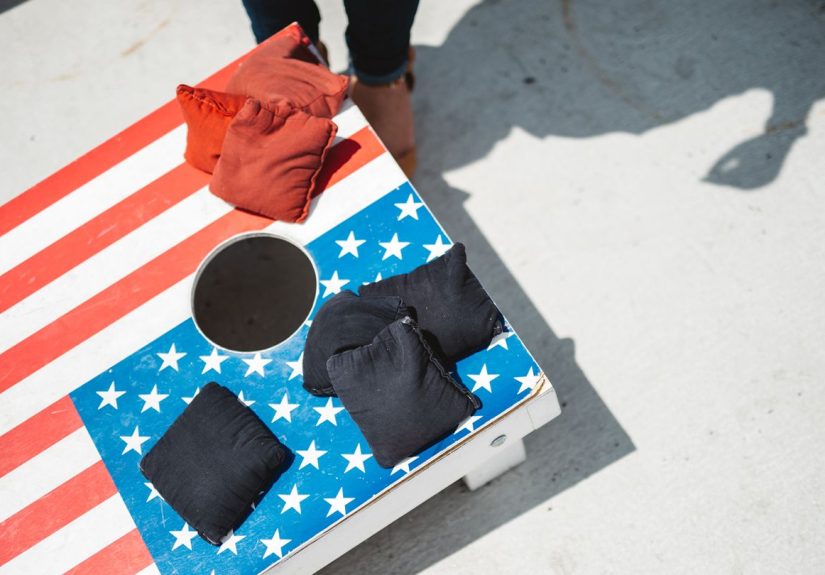
- Cornhole (casual, not “championship mode”): Choose a lighter toss, take breaks, and avoid rapid-fire rounds.
- Mini golf: Keep your grip light, use a slightly thicker handle if possible, and let your shoulders guide the motion more than your wrists.
- Scavenger hunts (photo-based): Turn it into a “capture the moment” hunt rather than a “collect objects” hunt.
- Board games on a patio: If shuffling cards bothers your hands, use an automatic shuffler or try games with tiles/pieces that are easy to pick up.
Creative Summer Activities (Joyful, Low-Grip)
- Photography walks: Use a neck/shoulder strap so your hands aren’t constantly supporting the camera or phone.
- Plein air sketching or painting: Larger brushes and chunkier pencil grips can reduce pinch stress. Paint the sunset, not your tendons.
- Sidewalk chalk (modified): Look for thicker chalk or add a grip wrap so you’re not pinching a tiny piece like it’s a precious gem.
- Outdoor reading: E-readers with stands or page-holder clips can be helpful if holding a book triggers discomfort.
Gardening Without Hand Drama
Gardening can be hand-intensive, but it doesn’t have to be hand-destructive.
- Container gardening: Lighter soil loads, better control, and less digging.
- Raised beds: Reduces awkward wrist angles and heavy lifting from ground level.
- Use ergonomic or lightweight tools: Thicker handles and spring-assisted pruners can reduce strain.
- Garden stool + short sessions: Ten minutes of weeding beats an hour of furious yanking.
- “Delegate the grip”: Ask for help with heavy tasks (bags of mulch, repeated pruning). Saving your hands is not cheating.
Smart Gear and Tiny Tricks That Make a Big Difference
Build up handles to reduce pinch pressure
Adding foam tubing or grip wraps to small handles (utensils, tools, brushes) can reduce stress on hand joints because you don’t have to pinch as hard. Think “bigger handle = less squeezing.”
Use splints strategically (not as a personality trait)
For some conditions, a wrist splint (often worn at night) or a thumb/wrist splint (common for thumb-side tendon pain) may reduce aggravation by limiting irritating motion. If you’re considering one, it’s best to get guidance from a clinician so you choose the right type and fit for your situation.
Choose hands-free carrying options
- Backpacks instead of tote bags
- Crossbody bags that distribute weight
- Rolling coolers or small wagons for picnics and beach days
- Hydration packs so you’re not gripping a bottle all day
Make “neutral wrist” the default
Whether you’re holding a phone, steering a bike, or carrying snacks (a noble task), aim for wrists that aren’t bent sharply. Small changeslike adjusting handle height, using a phone stand, or switching how you hold itemscan add up over a whole summer.
A Hand-Friendly Summer Day Plan (Example You Can Steal)
Morning: Cool temps + low-grip movement
Try a shaded walk, easy bike ride, or a swim before the heat ramps up. Keep water handy and start at a comfortable pace. If you’re outdoors, plan for sun protection and avoid pushing hard during peak heat.
Midday: Rest, refresh, and let your hands recover
Midday is perfect for an outdoor café, a museum, a movie, or a low-effort picnic in the shade. If you do chores (like garden tasks), keep them short and break them into rounds.
Evening: Social fun without the strain
Outdoor concerts, stargazing, night markets, and casual patio hangouts are ideal. Your hands can enjoy summer tooby not doing all the work.
Heat Tips (Because Summer Isn’t Just “Vibes,” It’s Also Weather)
Heat can make people overdo it fast. If you’re outside:
- Schedule activity earlier or later in the day when it’s cooler.
- Drink water regularly and don’t wait until you’re thirsty.
- Pace yourselfstart slow, build gradually.
- Know signs of heat illness like cramps, dizziness, nausea, headache, heavy sweating, or unusual fatigue.
Two-Minute Hand Reset: Quick Moves You Can Do Anywhere
If your hands start feeling stiff or cranky, try this quick reset. Everything should be gentle and pain-free.
- Open-and-close: Spread fingers wide, then close into a relaxed fist (not a “comic book hero” fist). Repeat 5–10 times.
- Knuckle bend: Keep knuckles straight while bending the middle joints of your fingers, then return. Repeat a few times.
- Thumb “around the can” shape: Curve fingers as if holding a can, then return to straight fingers. Repeat 5 times.
If anything increases pain, stop and choose a different move.
Common Summer Triggers (and How to Outsmart Them)
Trigger: Yard work marathons
Outsmart it: Use short sessions, ergonomic tools, and a stool. Switch tasks often (water plants, then rest, then light weeding). Save heavy lifting for help or equipment.
Trigger: Gripping heavy drink cups, coolers, and chairs
Outsmart it: Use both hands, carry items close to your body, and slide objects when possible instead of lifting. Choose lightweight gear when you can.
Trigger: Phone scrolling and “vacation texting”
Outsmart it: Use voice-to-text, prop your phone on a stand, and take micro-breaks. Your thumb deserves a summer break too.
Trigger: Long drives and tight steering grip
Outsmart it: Loosen your grip, change hand positions, and take breaks to shake out your hands. Consider a padded steering wheel cover if it helps you grip more gently.
When to Talk to a Pro
Consider checking in with a healthcare professional if you have:
- Persistent numbness or tingling
- Weakness or dropping things more often
- Swelling, warmth, or pain that keeps escalating
- Symptoms that regularly wake you at night
Getting the right diagnosis matters, because “wrist pain” can come from nerves, tendons, joints, or a combo plattereach with different best strategies.
Extra : Real-World Experiences and “What Actually Works” Summer Lessons
Here’s something a lot of people discover the hard way: hand and wrist pain rarely shows up dramatically during the fun. It’s sneaky. You feel fine at the lake, you’re having a great time, you’re holding your iced coffee like a summer influencer… and then later that night your wrist is like, “Hello. I would like to unsubscribe from today.”
One of the most common experiences people describe is the delayed flare. The activity itself wasn’t awful, but the duration was. This is why pacing is such a superpower. A short walk on the boardwalk? Great. A three-hour “let’s wander every booth at the festival” adventure while carrying a water bottle, a souvenir bag, and a folding chair? That’s where hands start plotting revenge. The fix often isn’t quitting the activityit’s changing the structure: park closer, bring a small backpack, use a wagon, or split the outing into two shorter visits.
Another big lesson: grip intensity is optional. People often don’t realize how hard they’re gripping until they consciously try to “hold things like they’re fragile.” For example, if mini golf makes your wrist ache, it’s rarely because the putter is evilit’s usually because your grip is too tight and your wrist is doing the steering. Many folks find relief by loosening the grip, using a slightly thicker handle, and letting their shoulders guide the motion. Same idea with biking: if your hands go numb, it can help to adjust your posture, shift hand positions, and check whether your handlebars force your wrists into an awkward bend.
Then there’s the classic summer trap: gardening enthusiasm. The first warm weekend hits and suddenly everyone wants to become the CEO of Landscaping. The people who do best with hand pain tend to treat gardening like a playlist, not a single song on repeat. They rotate taskswater, then rest; prune a little, then stretch; deadhead for five minutes, then stop. They also embrace “assistive” gear without shame. Thick-handled tools, a garden stool, gloves that improve gripthese aren’t signs of weakness. They’re signs you plan to keep enjoying the hobby for years.
Finally, a surprisingly helpful experience-based tip is this: make recovery part of the plan. If you know you’re doing a hand-heavy day (travel, cooking for a barbecue, setting up for a party), build in an easier day afterward. People who manage hand and wrist symptoms well often use a simple rhythmdo, rest, recoverrather than trying to power through a whole weekend. Summer is not a one-day event. You’re allowed to treat your hands like VIP guests who need a little comfort to stick around.
The goal isn’t a “perfect pain-free” summer. The goal is a summer where you can say yes to funand your hands don’t make you pay interest later.
Conclusion
Fun doesn’t have to come with a side of sore wrists. Choose low-grip activities, keep your wrists neutral, pace your plans, and use simple gear upgrades to reduce strain. Build your summer around movement that feels goodswimming, walking, festivals, stargazing, creative time outdoorsand save your hands for what matters (like waving at neighbors and holding snacks).
Medical note: This article is for general information and isn’t a substitute for medical advice. If symptoms are persistent, worsening, or include numbness/weakness, consider getting evaluated.