Table of Contents >> Show >> Hide
- What Is Freezer Burn?
- Is Freezer Burned Food Safe to Eat?
- What Causes Freezer Burn?
- How to Identify Freezer Burn on Different Foods
- How to Prevent Freezer Burn
- Best Packaging Methods by Food Type
- What to Do With Freezer-Burned Food
- Freezer Burn vs. Spoilage: How to Tell the Difference
- Common Freezer Burn Mistakes to Avoid
- Practical Experience: What Freezer Burn Teaches Real Home Cooks
- Conclusion
Note: This article is based on established food-safety guidance from U.S. government and university extension resources, including USDA FSIS, FoodSafety.gov, FDA, CDC, and several land-grant university extension programs.
Freezer burn is one of those kitchen surprises that feels mildly personal. You pull out a package of chicken you carefully saved for “future responsible you,” only to find pale, dry patches that look like the food spent the winter hiking without moisturizer. The good news? Freezer burn is usually not a food safety emergency. The less exciting news? It can make food taste dry, tough, bland, or slightly “freezer-ish,” which is not exactly the flavor profile most people are chasing.
Understanding freezer burn can save you money, reduce food waste, and help you decide when food is safe to eat, when it needs a trim, and when it deserves a respectful farewell into the trash. Whether you freeze meat, leftovers, vegetables, bread, soups, fruit, or emergency pizza rolls, a few smart habits can keep your food tasting like dinner instead of a snow-covered cardboard project.
What Is Freezer Burn?
Freezer burn is the dry, discolored damage that happens when frozen food loses moisture and is exposed to air. It often appears as grayish-brown, white, or pale patches on meat, poultry, fish, vegetables, bread, or prepared meals. On ice cream, it may show up as crunchy ice crystals and a grainy texture. On fruits and vegetables, it can look like shriveled, frosty, or dull-looking areas.
The basic science is simple: food contains water, and even when frozen, that water can move. Over time, moisture escapes from the food’s surface and turns into ice crystals elsewhere in the package. This process dries out the food. At the same time, oxygen exposure can change flavor, color, and texture. In other words, freezer burn is dehydration wearing a winter coat.
Is Freezer Burned Food Safe to Eat?
In most cases, yes. Freezer-burned food is generally safe to eat if it has been kept frozen at 0°F or below and has not been thawed and held at unsafe temperatures. Freezer burn is mainly a quality problem, not a foodborne illness problem. It affects taste, texture, aroma, and appearance, but it does not automatically mean the food is spoiled or dangerous.
That said, food safety still matters. Freezing slows the growth of bacteria, yeasts, and molds, but it does not magically erase every food-safety risk. If food was unsafe before freezing, freezing will not make it safe. If food thawed during a power outage and stayed above 40°F too long, freezer burn is no longer your biggest concern. At that point, bacteria may have had a chance to throw a tiny, invisible partyand nobody invited your digestive system.
When Freezer-Burned Food Is Usually Fine
Food with small freezer-burned spots is usually fine to use. You can cut away the dry areas before or after cooking. For example, if one edge of a steak looks leathery but the rest is normal, trim the damaged section and cook the rest properly. If a bag of frozen vegetables has a few icy, dry pieces, they can still work well in soups, casseroles, stir-fries, or sauces.
When You Should Throw It Out
Discard frozen food if it smells strange after thawing, has an unusual color or slimy texture, was exposed to unsafe temperatures, or is so heavily freezer-burned that the quality is beyond saving. If the entire chicken breast looks like it has been laminated in frost and regret, it may technically be safe, but dinner deserves better.
What Causes Freezer Burn?
Freezer burn happens when moisture escapes and air reaches the food. The most common causes include poor packaging, long storage times, temperature changes, freezer doors opening frequently, and storing food in containers that are not designed for freezing.
1. Air Exposure
Air is the main villain in the freezer burn story. When food is loosely wrapped, stored in thin bags, or left with extra space inside the package, oxygen can reach the surface. This dries the food and affects flavor. That is why “almost sealed” is not good enough. Your freezer will find the tiny gap. It always does.
2. Moisture Loss
Frozen food can lose moisture over time, especially when it is not protected by moisture-vapor-resistant packaging. As moisture leaves the food, dry patches form. This is why freezer-burned meat can become tough and chewy, while frozen desserts can become icy instead of creamy.
3. Temperature Fluctuations
A steady freezer temperature helps preserve food quality. When the freezer warms and cools repeatedly, ice crystals can grow larger, damaging texture and encouraging moisture migration. This often happens when the freezer door is opened often, the freezer is overloaded, or food is stored near the door where temperatures shift more easily.
4. Long Storage Times
Frozen foods kept continuously at 0°F or below can remain safe for a very long time, but safety and quality are not the same thing. A pork chop from the ancient freezer kingdom may not make you sick, but it may taste like it remembers a different president. For best flavor, use frozen foods within recommended quality time frames and rotate older packages to the front.
How to Identify Freezer Burn on Different Foods
Freezer burn does not look exactly the same on every food. Knowing the signs can help you decide whether to trim, cook, repurpose, or toss.
Freezer Burn on Meat and Poultry
On beef, pork, chicken, or turkey, freezer burn often appears as gray, brown, white, or dry patches. The affected areas may feel tough or leathery after thawing. Small damaged spots can be cut away, but heavily freezer-burned meat may taste dry, bland, or slightly stale.
Freezer Burn on Fish and Seafood
Fish is especially sensitive because it has delicate flesh and can pick up off-flavors quickly. Freezer-burned fish may look dry, dull, or frosty and may smell stronger after thawing. If the odor is unpleasant or sour, throw it out. If it is only mildly dry, use it in chowder, fish cakes, or heavily seasoned dishes.
Freezer Burn on Fruits and Vegetables
Frozen produce may become icy, pale, shriveled, or soft after thawing. While texture may suffer, freezer-burned fruits and vegetables can still be useful in cooked recipes. Add vegetables to soups, stews, fried rice, or casseroles. Use fruit in smoothies, sauces, compotes, muffins, or oatmeal.
Freezer Burn on Bread and Baked Goods
Bread, rolls, muffins, and baked goods may develop dry edges, frost, or stale flavors. Toasting can rescue slightly freezer-burned bread. For worse cases, turn it into breadcrumbs, croutons, stuffing, bread pudding, or French toast. Bread is very forgiving. It has seen things.
Freezer Burn on Ice Cream
Ice cream develops freezer burn when moisture evaporates and refreezes as ice crystals. The result is a grainy, crunchy texture and weaker flavor. It is usually safe if it has remained frozen, but it may not be enjoyable. Scrape off the icy top layer, or blend the rest into a milkshake if the flavor is still decent.
How to Prevent Freezer Burn
The best freezer burn prevention strategy is simple: keep air out, keep moisture in, freeze food quickly, and maintain a steady freezer temperature. You do not need a professional kitchen setup. You just need better wrapping, better labeling, and fewer mystery containers from 2021.
Use Freezer-Safe Packaging
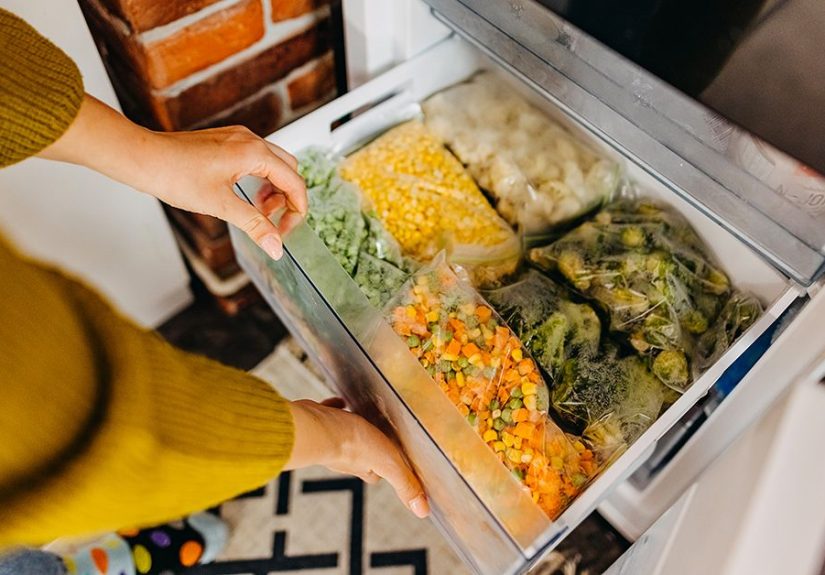
Not all storage bags and containers are built for freezer duty. Use freezer bags, vacuum-seal bags, heavy-duty aluminum foil, freezer paper, moisture-vapor-resistant wraps, or rigid freezer-safe containers. Regular sandwich bags are usually too thin for long-term freezer storage. Bread bags and flimsy plastic wrap may work for short-term storage, but they are not ideal for preventing freezer burn.
Remove as Much Air as Possible
Before sealing freezer bags, press out extra air. For liquids, leave proper headspace for expansion, but avoid excessive empty space. For solid foods, wrap tightly so the packaging touches the food surface. A vacuum sealer is excellent for meat, poultry, fish, firm vegetables, and meal-prep portions, but even careful hand-sealing can make a big difference.
Double-Wrap High-Risk Foods
Meat, poultry, fish, bread, and baked goods benefit from double protection. For example, wrap chicken tightly in plastic wrap or freezer paper, then place it in a freezer bag. For bread, use plastic wrap plus foil or a freezer bag. If you freeze meat in its store packaging for more than a short period, overwrap it with freezer-safe material because some retail packaging allows air to pass through.
Cool Food Before Freezing
Hot food creates steam, and steam becomes ice crystals. Let cooked food cool safely before freezing. Divide large batches into shallow containers so they cool faster. Do not leave perishable food sitting at room temperature for hours; cool it promptly and refrigerate or freeze it within safe time limits.
Freeze Food Quickly
Fast freezing helps preserve texture because smaller ice crystals form inside the food. Spread packages in a single layer until solid, then stack them. Avoid putting a huge pot of hot soup or a mountain of unfrozen meat into the freezer all at once. Overloading slows freezing and can reduce quality.
Keep the Freezer at 0°F or Below
Your freezer should stay at 0°F or colder. Use an appliance thermometer if your freezer does not display the actual temperature. A steady, cold freezer protects quality and helps keep frozen food safe. Store sensitive items such as meat, seafood, and ice cream away from the door, where temperature swings are more common.
Label and Date Everything
Label packages with the food name, date frozen, and portion size. This prevents the classic freezer guessing game: “Is this chili, spaghetti sauce, or something that once had hopes?” Use older items first. A simple first-in, first-out system reduces waste and keeps food from aging into freezer archaeology.
Best Packaging Methods by Food Type
Different foods need slightly different freezer strategies. The goal is always the sameless air, less moisture loss, and better quality after thawing.
Meat, Poultry, and Fish
Wrap tightly in freezer paper, plastic wrap, or foil, then place in a freezer bag. For long storage, vacuum sealing is one of the best options. Freeze portions flat when possible so they freeze quickly and thaw evenly. Remove bones only if practical; sharp bones can puncture packaging and invite freezer burn.
Soups, Sauces, and Stews
Use rigid freezer containers, freezer-safe jars with straight sides, or heavy freezer bags. Leave headspace because liquids expand as they freeze. Cool first, portion into meal-sized amounts, and freeze flat in bags to save space. Once frozen, bags can stand upright like little dinner files.
Fruits
Freeze fruit at peak ripeness. For berries, tray-freeze them in a single layer before transferring to freezer bags. Remove air and label clearly. Fruits frozen with syrup or sugar often keep quality well because the liquid helps protect the fruit from air exposure, but unsweetened fruit is also useful for smoothies and baking.
Vegetables
Many vegetables should be blanched before freezing to slow enzyme activity that affects color, flavor, and texture. After blanching, cool quickly, drain well, pack in freezer-safe containers or bags, remove air, and freeze promptly. Watery vegetables may soften after thawing, so plan to use them in cooked dishes.
Bread and Baked Goods
Wrap tightly, then place in a freezer bag. Slice bread before freezing if you want to remove only a few pieces at a time. Muffins, pancakes, waffles, and biscuits freeze well when separated with parchment and packed tightly. Toasting or reheating can refresh texture.
What to Do With Freezer-Burned Food
Freezer-burned food does not always need to be thrown away. The trick is matching the food to a forgiving recipe. Dry texture is more noticeable in simple dishes, such as grilled chicken breast, plain steak, or steamed fish. It is less noticeable in moist, saucy, or highly seasoned recipes.
Trim and Cook
For meat or poultry with small dry patches, cut off the freezer-burned areas before or after cooking. Then use a cooking method that adds moisture, such as braising, slow cooking, stewing, or simmering in sauce.
Repurpose Creatively
Use freezer-burned vegetables in soup, chili, casseroles, or sauces. Use fruit in smoothies, muffins, jam-style sauces, or crisps. Turn dry bread into breadcrumbs, croutons, or strata. Use slightly dry cooked meat in tacos, enchiladas, pot pie, fried rice, or broth-based soups.
Know When Quality Is Too Far Gone
If freezer burn covers most of the food, the texture is unpleasant, or the smell is off after thawing, throw it out. Food waste is frustrating, but forcing yourself to eat bad-tasting food is not a personality test you need to pass.
Freezer Burn vs. Spoilage: How to Tell the Difference
Freezer burn is dry, pale, icy, or leathery. Spoilage is more serious. Spoiled food may smell sour, rancid, rotten, or otherwise unpleasant. It may feel slimy, sticky, or unusually soft. It may show mold or have packaging that leaked during unsafe thawing. Never taste food to decide whether it is safe. Your tongue is not a laboratory, even if it has strong opinions.
If frozen food partially thaws during a power outage, it may be safely refrozen or cooked if it still contains ice crystals or has remained at 40°F or below. A full freezer can usually hold a safe temperature longer than a half-full freezer if the door stays closed. However, if perishable food has been above 40°F for too long, discard it.
Common Freezer Burn Mistakes to Avoid
Using Thin Storage Bags
Regular storage bags are not ideal for long-term freezing. Use bags labeled for freezer use because they are thicker and better at blocking moisture loss.
Leaving Food in Opened Packages
An opened bag of frozen vegetables or fries should be resealed tightly. Roll down the bag, remove air, use a clip, or transfer the food to a freezer bag.
Freezing Giant Portions
Large blocks of food freeze slowly and are harder to thaw safely. Portion food into meal-sized amounts before freezing.
Ignoring the Freezer Door
The freezer door is convenient, but it is also the warmest, most temperature-fluctuating area. Store short-term items there, not delicate foods you want to keep for months.
Forgetting Inventory
A messy freezer leads to forgotten food. Keep a simple list on your phone, freezer door, or kitchen notebook. Cross items off as you use them.
Practical Experience: What Freezer Burn Teaches Real Home Cooks
Anyone who cooks regularly eventually develops a personal relationship with the freezer. At first, it feels like a magical pause button. Leftover soup? Freeze it. Sale-price chicken thighs? Freeze them. Half a loaf of bread? Freeze it. A single tablespoon of tomato paste wrapped like a tiny red treasure? Absolutely freeze it. Then one day, you open the freezer and discover that “future meals” have turned into a frozen filing cabinet of unidentified objects.
The biggest lesson from real-life freezer use is that packaging matters more than optimism. Many people freeze food with good intentions but poor wrapping. A loose twist tie on a bread bag, a half-closed vegetable package, or meat left in thin store wrapping can lead to freezer burn faster than expected. The food may still be safe, but the eating experience changes. Chicken becomes stringy, bread tastes stale, and ice cream develops that crunchy frost layer that nobody asked for.
Another practical lesson is that small portions are your friend. Freezing a huge container of chili may feel efficient, but it becomes less useful when you only need one bowl. Smaller portions freeze faster, thaw faster, and reduce repeated thawing and refreezing. Flat freezer bags of soup, sauce, shredded chicken, or cooked beans stack neatly and save space. They also make weeknight dinners easier because you can thaw exactly what you need.
Labeling is the habit that separates calm freezer owners from people holding a frosty container under the light and whispering, “What are you?” Write the name and date on every package. Be specific. “Soup” is better than nothing, but “chicken noodle soup, 2 cups, March 10” is far more useful. A permanent marker and a roll of freezer tape can prevent dinner confusion and reduce waste.
It also helps to create freezer zones. Keep meats in one area, vegetables in another, breads and breakfast items together, and ready-to-eat meals in a clearly visible section. Put older foods toward the front and newer foods behind them. This first-in, first-out habit sounds like restaurant inventory management, but at home it simply means you are less likely to discover a fossilized pork chop during spring cleaning.
Home cooks also learn that freezer-burned food can sometimes be rescued with the right recipe. A slightly dry chicken breast may disappoint as a plain entrée, but it can still work in chicken soup, enchiladas, pot pie, or fried rice. Freezer-burned fruit may look sad, but it can shine in smoothies or cooked sauces. Dry bread can become croutons, crumbs, or French toast. The secret is moisture, seasoning, and realistic expectations.
Finally, freezer burn is a reminder that freezing is storage, not immortality. Food does not remain at peak quality forever, even when safely frozen. The best freezer strategy is not to pack food away and forget it. It is to freeze with a plan: package tightly, date clearly, rotate often, and actually eat what you save. Your freezer should feel like a helpful kitchen assistant, not a cold storage mystery novel.
Conclusion
Freezer burn is common, annoying, and usually not dangerous. It happens when frozen food loses moisture and is exposed to air, leading to dry spots, discoloration, ice crystals, and off textures. While freezer-burned food is often safe if it has stayed properly frozen, quality can suffer. The best prevention steps are simple: use freezer-safe packaging, remove air, double-wrap vulnerable foods, freeze quickly, maintain 0°F or below, label everything, and use older foods first.
With a little freezer discipline, you can protect flavor, save money, and avoid the heartbreak of finding a perfectly good steak transformed into a frosty leather bookmark. Keep air out, keep temperatures steady, and keep your freezer organized. Your future dinner will thank you.